Who is Reza Pahlavi, Iran’s exiled prince whose call is fuelling anti-Khamenei protests?

The exiled son of Iran’s last monarch issued a direct call for nationwide resistance, framing the unrest as a decisive moment against Supreme Leader Ayatollah Ali Khamenei’s rule.
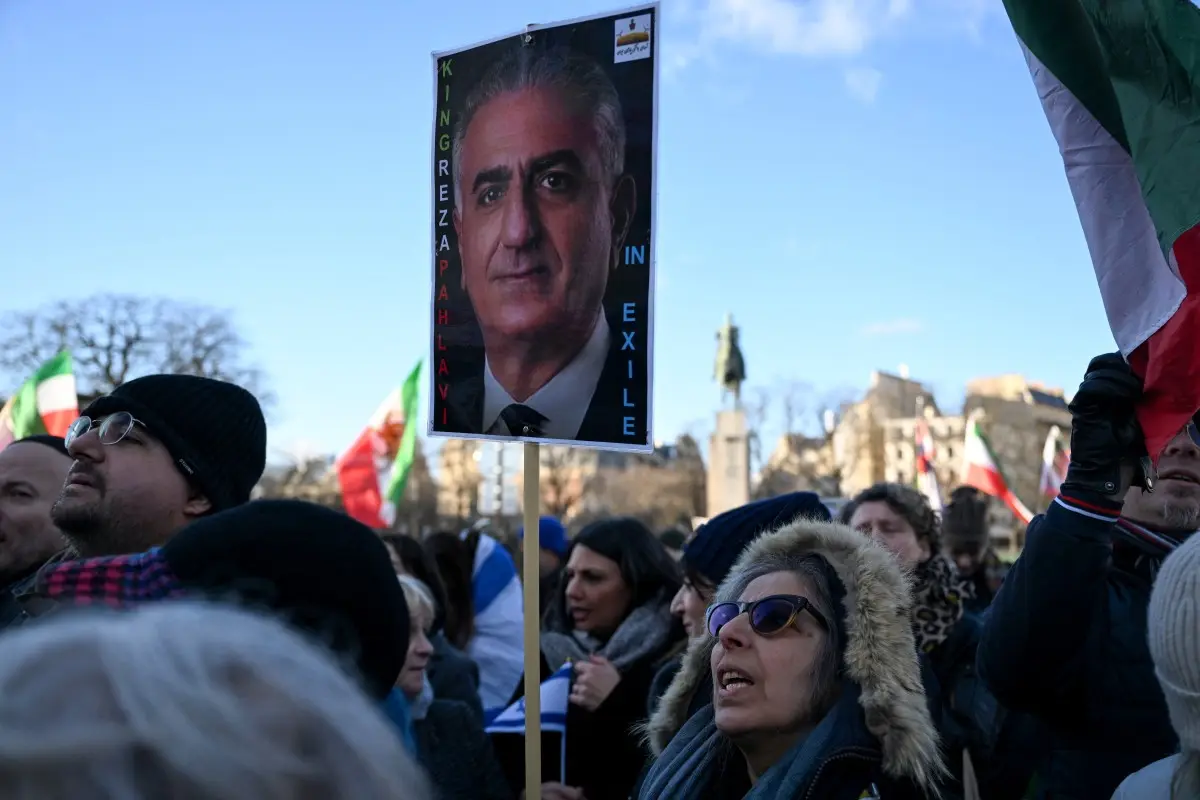
A familiar name returns to Iran’s streets
As protests spread across Iranian cities amid economic distress and political anger, the name of Reza Pahlavi has once again resurfaced with force. The exiled son of Iran’s last monarch issued a direct call for nationwide resistance, framing the unrest as a decisive moment against Supreme Leader Ayatollah Ali Khamenei’s rule. His intervention emerged as a reason for the overnight escalation of the protests that prompted a nationwide internet shutdown, adding a new political edge to demonstrations already driven by inflation, repression and public fury.
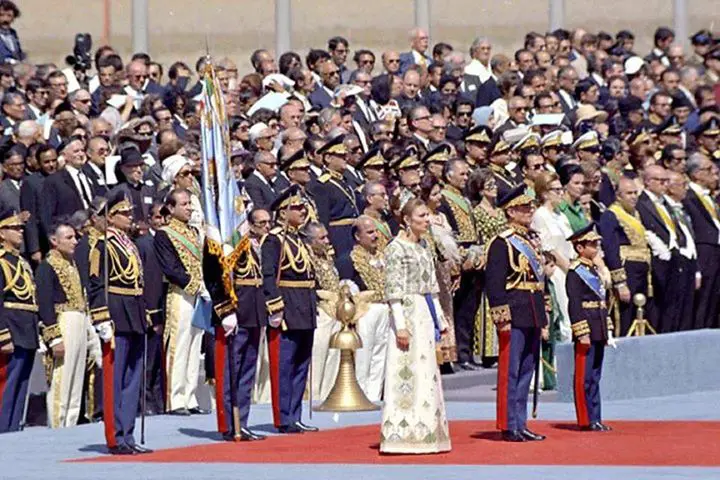
Heir to a toppled monarchy
A scion of the Pehlavi dynasty that ruled Iran for more than 50 years, Reza Pahlavi was born on October 31, 1960. He is the eldest son of Mohammad Reza Shah Pahlavi and Empress Farah Diba. Mohammad Pahlavi was the last Shah of Iran before the 1979 Islamic Revolution.
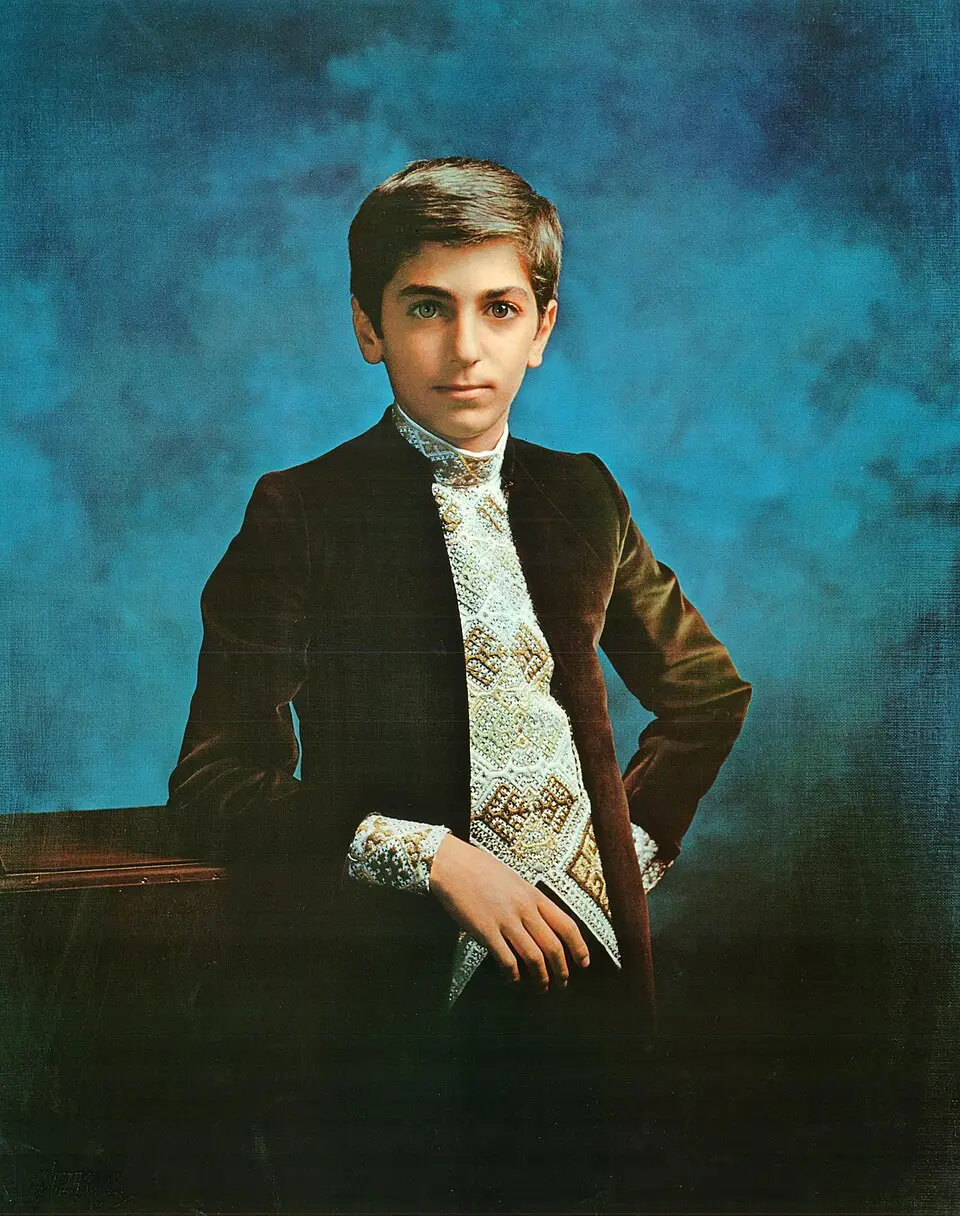
Named crown prince
He was named crown prince in 1967, just before the monarchy collapsed. The revolution forced the royal family into exile, ending more than 2,500 years of monarchy in Iran and replacing it with the Islamic Republic.
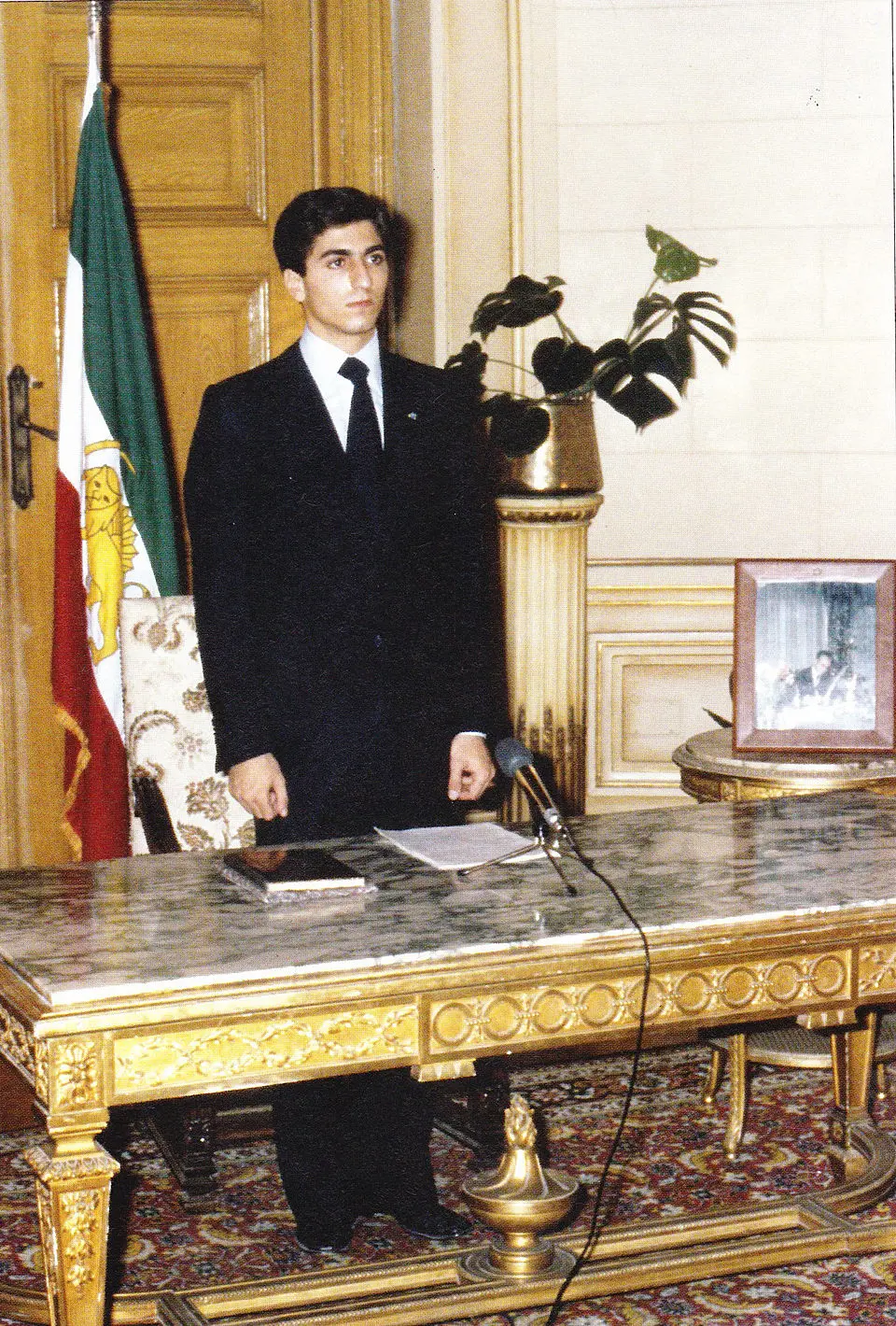
Life in exile and political reinvention
Now based in the United States, Pahlavi, 65, is once again seeking a role in shaping his country's future. He has recently appealed to US President to intervene in the ongoing protests, in order to help the protestors from the regimes crackdown. After initial schooling at a private school located inside the royal palace, in 1978, Reza went for a jet fighter training in the USAF at Reese Air Force Base in Lubbock, Texas. He has a degree in political science from the University of Southern California, according to media reports.
Actively supporting the demonstrations
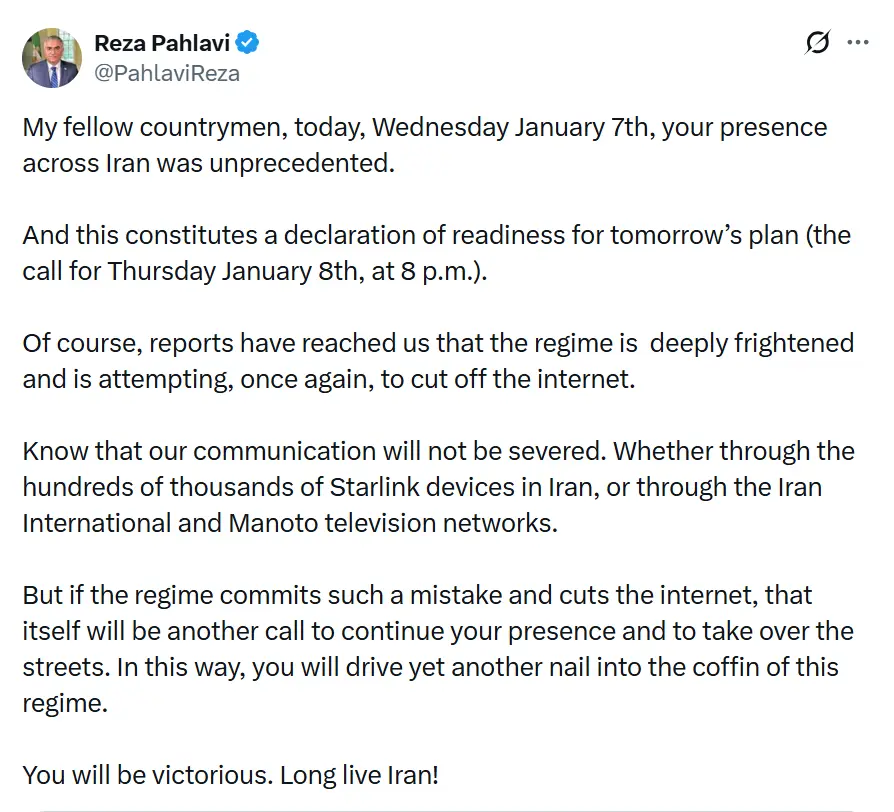
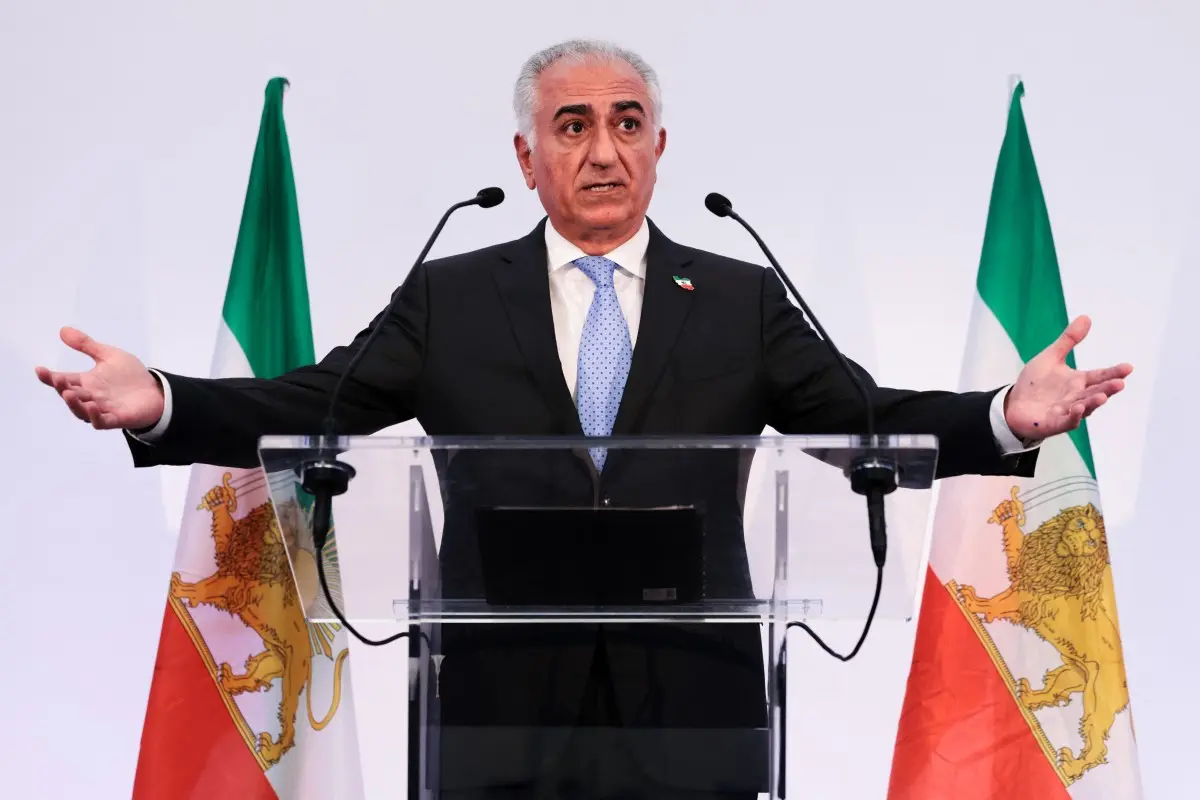
Reza Pahlavi has been actively backing the protesters. In his latest post on X, he urged Iranians to resist the country’s theocratic rule. In a video message, he said: “You saw how a massive crowd forced the repressive forces to retreat. Those who were hesitant should join their fellow compatriots on Friday night (19 Day, 8 pm) and make the crowds even larger, so the regime’s coercive power grows weaker. I also urge organisers on the ground to try to link different protest routes and expand them. Despite internet shutdowns and communication cuts, I know you will not leave the streets. Be assured, victory is yours.”
Why his call resonated now
With Iran facing currency collapse, fuel price pressures and widening public anger, Pahlavi’s recent appeal struck a chord. Pahlavi is also set to visit Mar-a-Lago in Florida next week, even as US President Donald Trump has said it would not be appropriate for him to meet him at this stage. Supporters see him as a symbol of pre-revolution stability; critics argue he represents a past many Iranians rejected. “I’ve watched him, and he seems like a nice person”, US President had said earlier.
Courting international backing
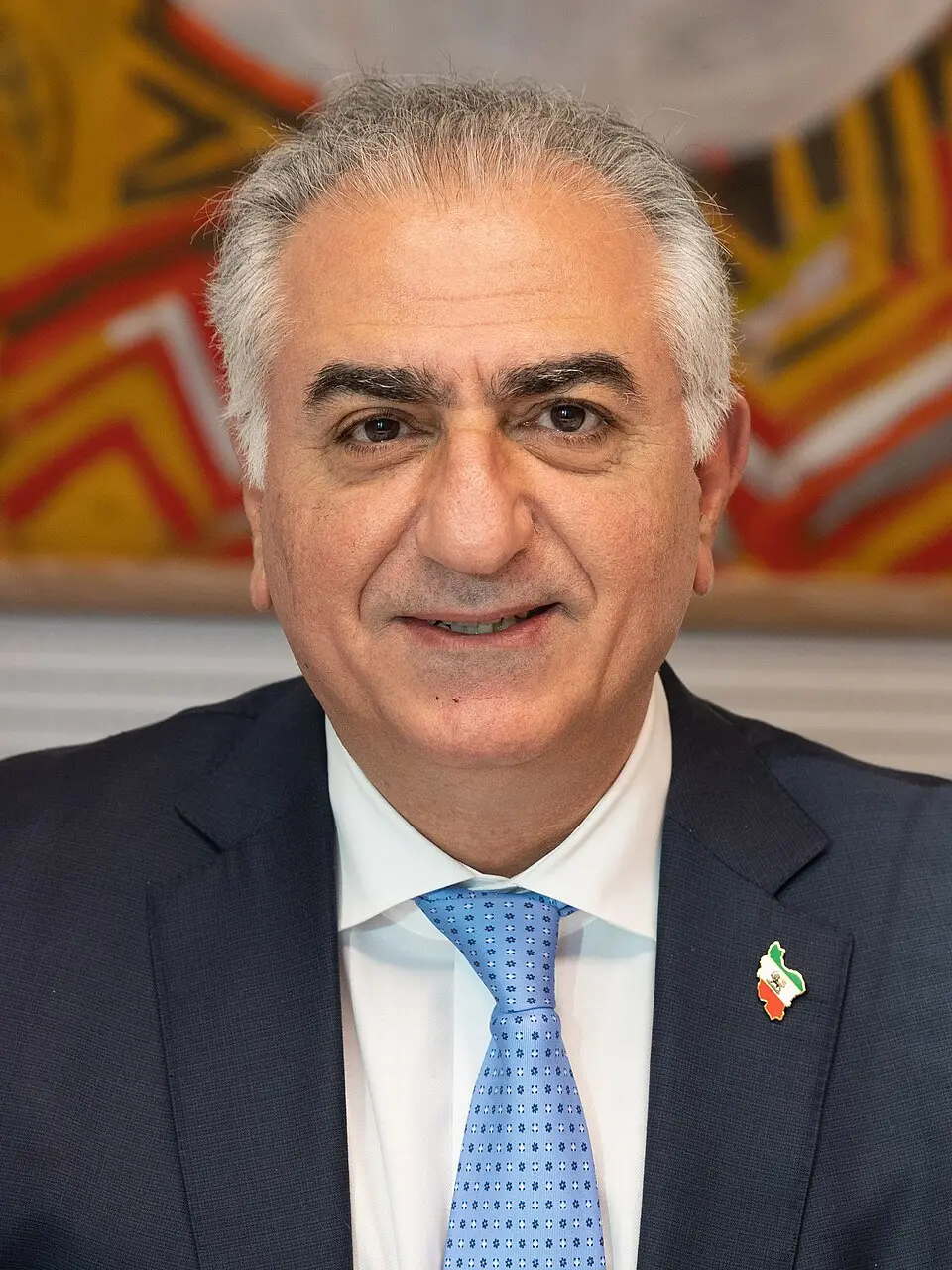
Pahlavi has intensified outreach to Western capitals, openly seeking diplomatic and moral support. Reza's website describes him as an ‘advocate for secular Iran’ and ‘of the principles of freedom, democracy and human rights for his countrymen.’
A polarising opposition figure
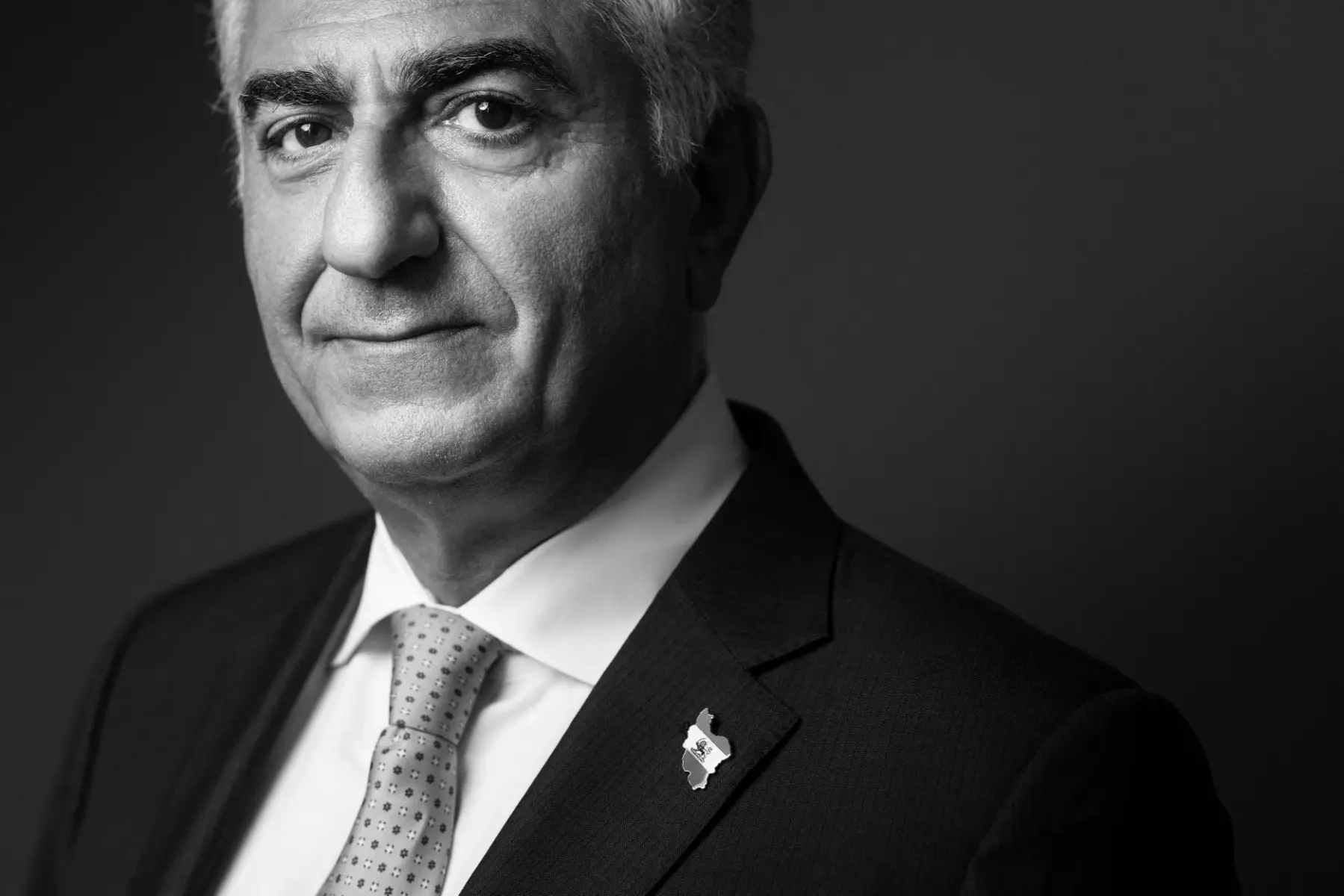
Witnesses cited by AP said protesters shouted phrases such as “Pahlavi will return” and “Seyyed Ali will be toppled”, referring to Supreme Leader Ayatollah Ali Khamenei. While some protesters chant his name, others remain sceptical of any leadership linked to monarchy. Iran’s opposition remains fragmented, with reformists, activists and exiles divided over strategy. Even so, Pahlavi’s ability to command global attention sets him apart.
)
)
)
)
)