Who is Nicolás Maduro? Venezuelan President captured by Donald Trump in a special US strike

In a post on Truth Social, US President Donald Trump confirmed that the United States carried out 'large-scale strikes' against Venezuela and claimed to have captured Maduro and his wife.
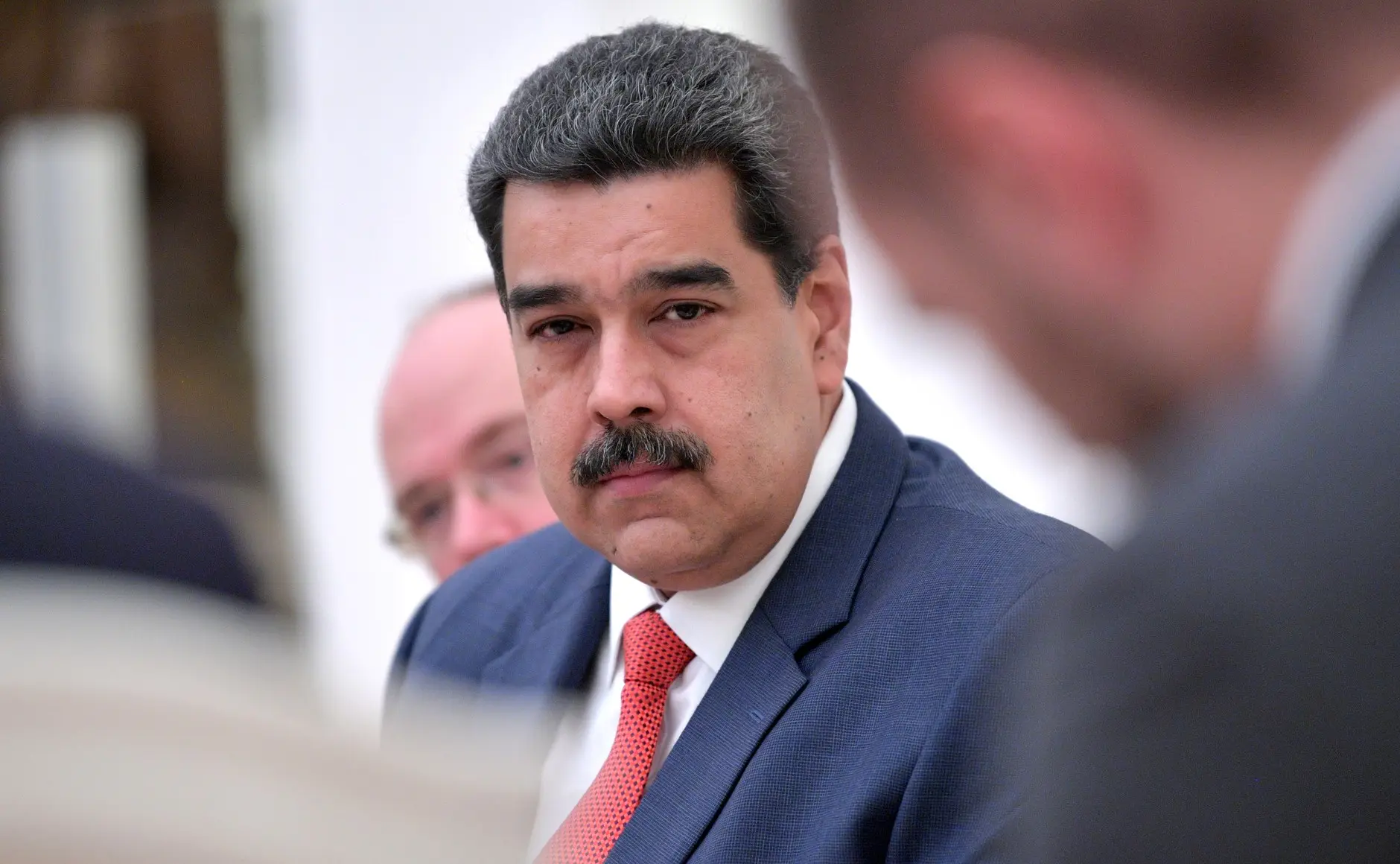
Introduction — Caracas Under Attack
On Saturday, explosions and the sounds of low-flying aircraft rocked Caracas, prompting Venezuelan President Nicolás Maduro to declare a state of emergency. The government described the event as an 'extremely serious military aggression' by the United States, deploying armed forces and popular militias to defend sovereignty. Following this, US President Donald Trump officially declared that Maduro and his wife, Cilia Flores, have been captured and successfully flown out of Venezuela. The announcement, made via Truth Social, confirms the end of Maduro’s 13-year rule, stating the operation was conducted in conjunction with US Law Enforcement (likely the DEA/Marshals given the existing indictments).
Early Life and Political Rise
Nicolás Maduro was born on November 23, 1962 in Caracas to a family of modest means. He became involved in left-wing politics early, working as a bus driver and rising through the transit workers’ union. Maduro and his wife, Cilia Flores, campaigned for Hugo Chávez’s release after his failed 1992 coup. He later became a member of the 1999 National Constituent Assembly and served in Venezuela’s legislature.
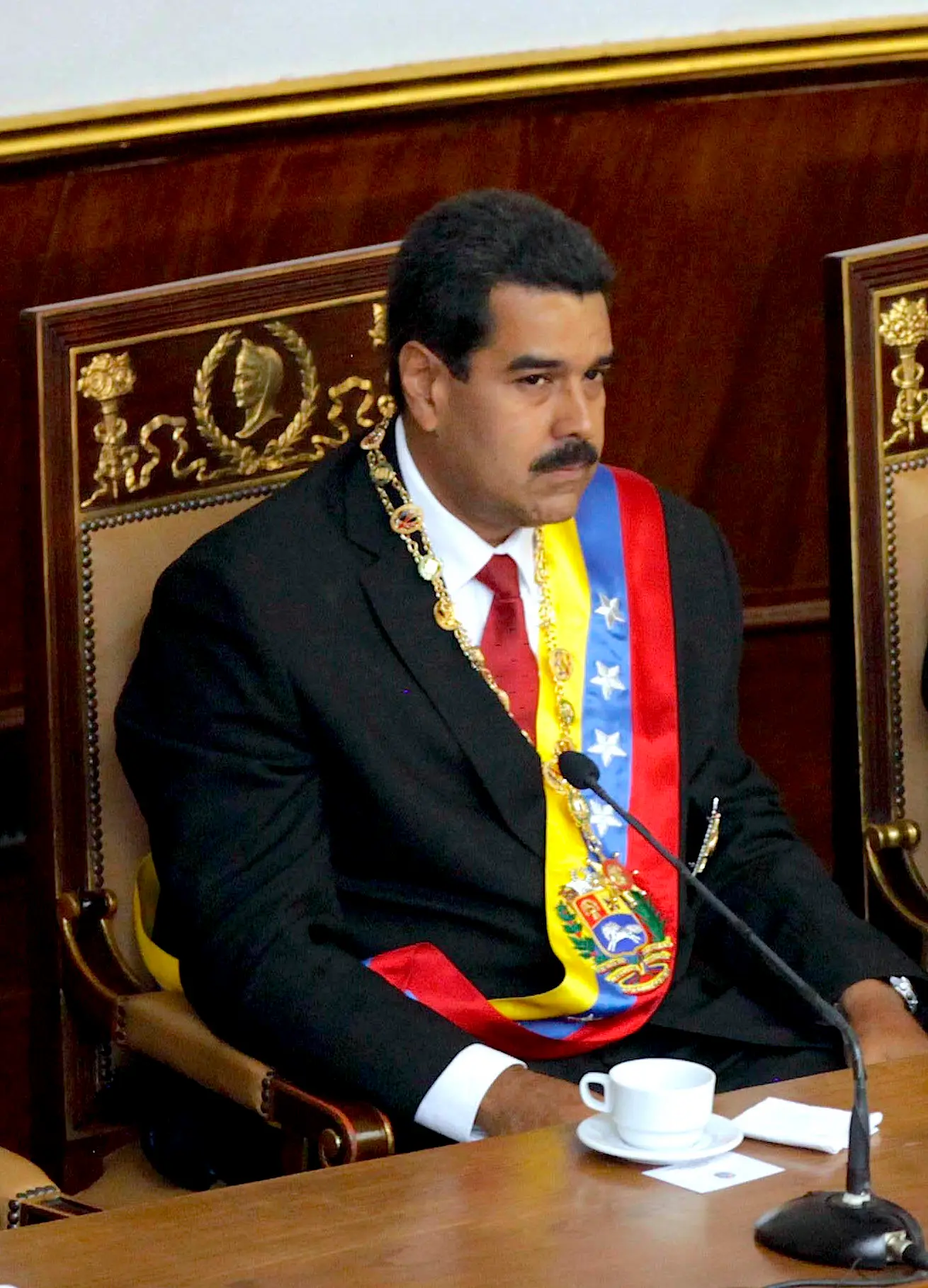
Ascension to the Presidency
After serving as vice president from October 2012, Maduro became interim president following Chávez’s death in March 2013. He won the special election in April 2013 to complete Chávez’s term and was reelected in 2018. His government is closely tied to the Chavismo ideology and the United Socialist Party of Venezuela (PSUV).
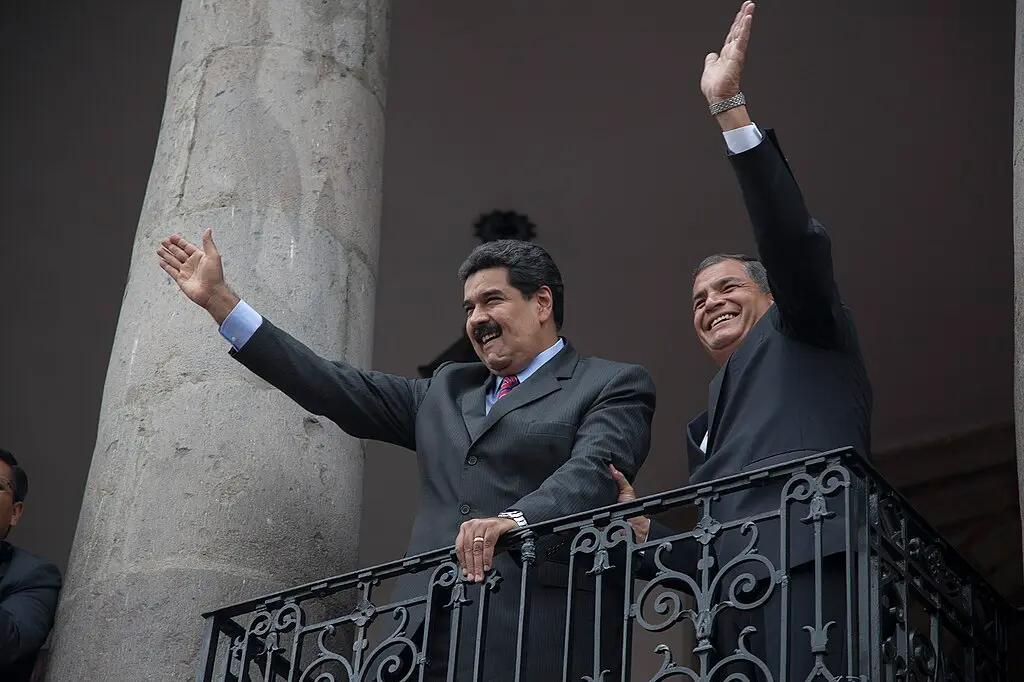
Contested Leadership and Authoritarian Rule
Maduro’s rule has faced repeated opposition challenges. His increasingly authoritarian style has drawn international criticism and repeated calls for his removal. Economic collapse, political repression, and contested elections have marked his presidency. According to the US Department of State, ‘Since 2019, more than 50 countries, including the United States, have refused to recognize Maduro as Venezuela’s head of state.’
The 2024 Election and International Dispute
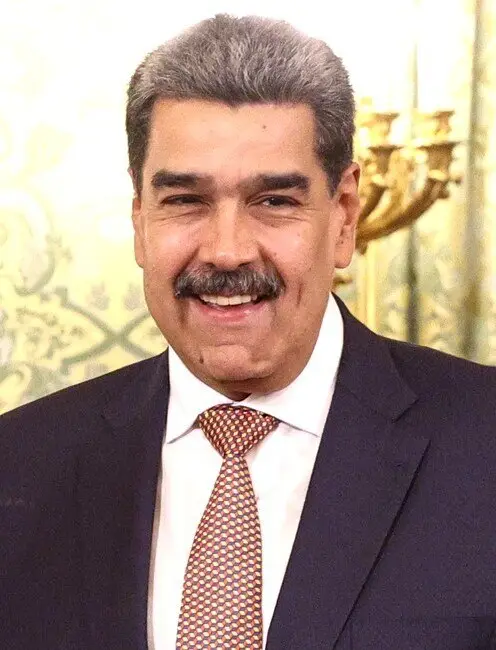
In 2024, Maduro won a third term in an election widely boycotted by opposition leaders and international observers. The United States recognised opposition candidate Edmundo González as the winner and imposed sanctions on election officials. Despite global outcry, Maduro assumed office in January. In December 2025, Venezuela freed 99 people jailed after last year’s election protests
The opposition
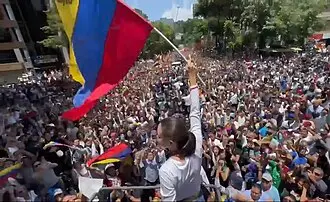
According to Reuters, hundreds of people in Venezuela's capital Caracas and other parts of the South American nation took to the streets after the July 2024 presidential election, banging pots and pans and blocking roads, demanding the opposition be declared victors. At least 2,000 people were arrested in post-election violence, according to the government, whose top prosecutor in the following moments announced the release of several groups of detainees, including dozens aged under 18.
Recent US Military Escalation
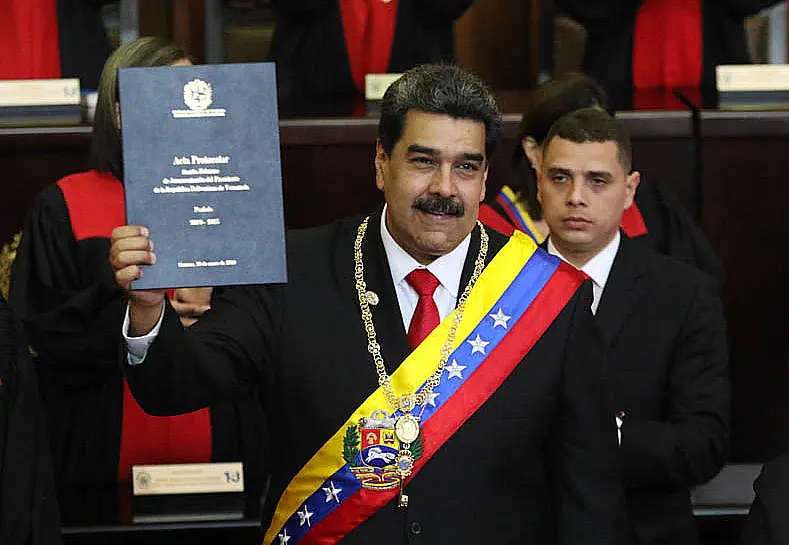
The January 2026 strikes mark a new escalation in US–Venezuela tensions. Explosions in Caracas, reported by Reuters, were accompanied by claims of Maduro’s capture, signalling a rare and direct military action against the Venezuelan leader. Witnesses and verified reports confirm the actual kinetic attack on Caracas lasted less than 30 minutes. This comes after months of US sanctions targeting Venezuelan oil and alleged drug trafficking.
)

)
)
)