Who is more advanced in cyber warfare: US cyber units vs Iranian hackers?

The US dominates cyber warfare with billions in funding and elite tech, but Iran’s destructive, low-cost guerrilla tactics make it a dangerous asymmetric threat.
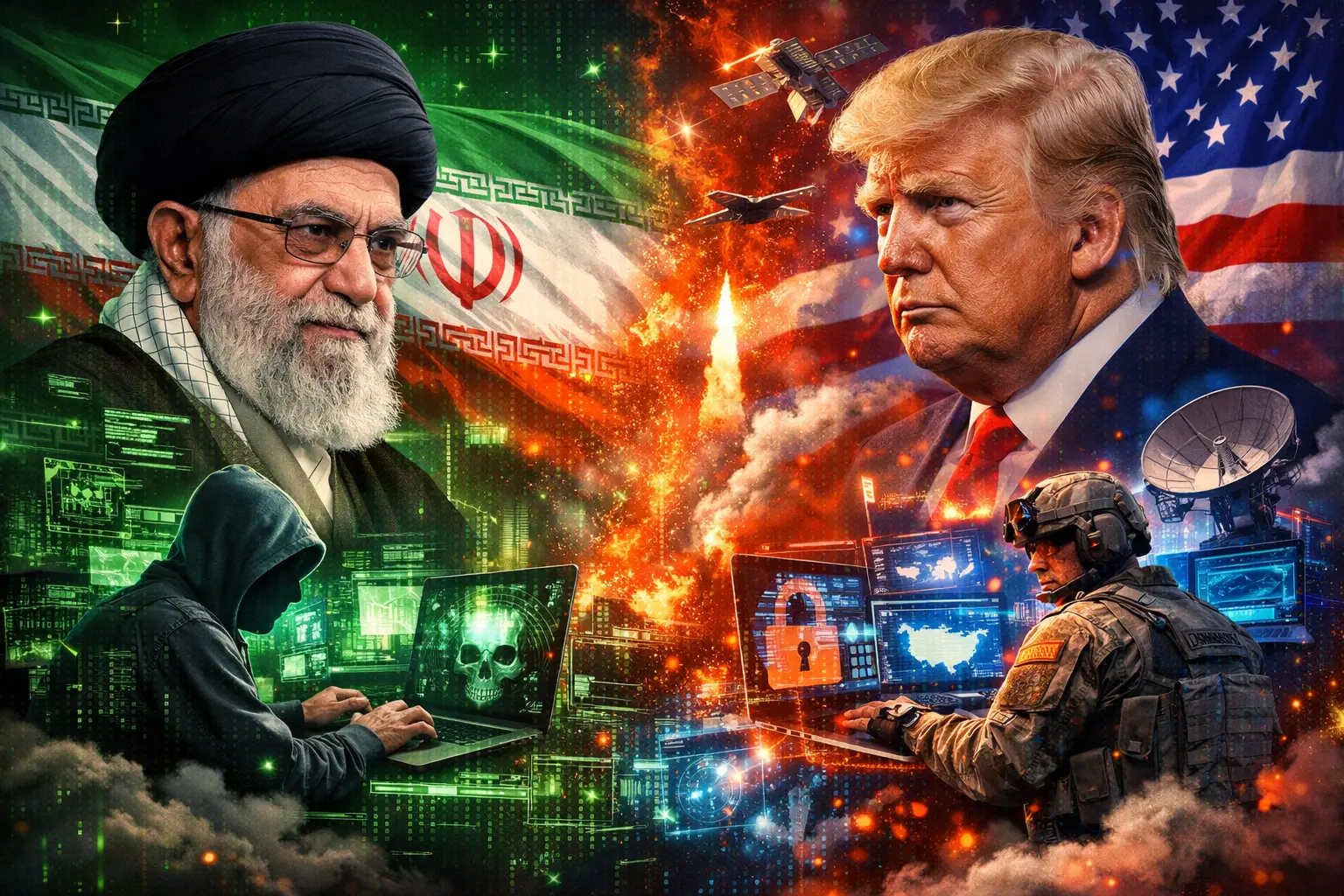
The Power Imbalance
The United States is widely considered a 'Tier One' cyber power, possessing global reach and vast resources that few nations can match. In contrast, Iran operates as a 'Tier Two' power, using aggressive and unpredictable tactics to level the playing field. This creates a classic conflict of conventional superiority versus asymmetric guerrilla warfare in the digital domain.
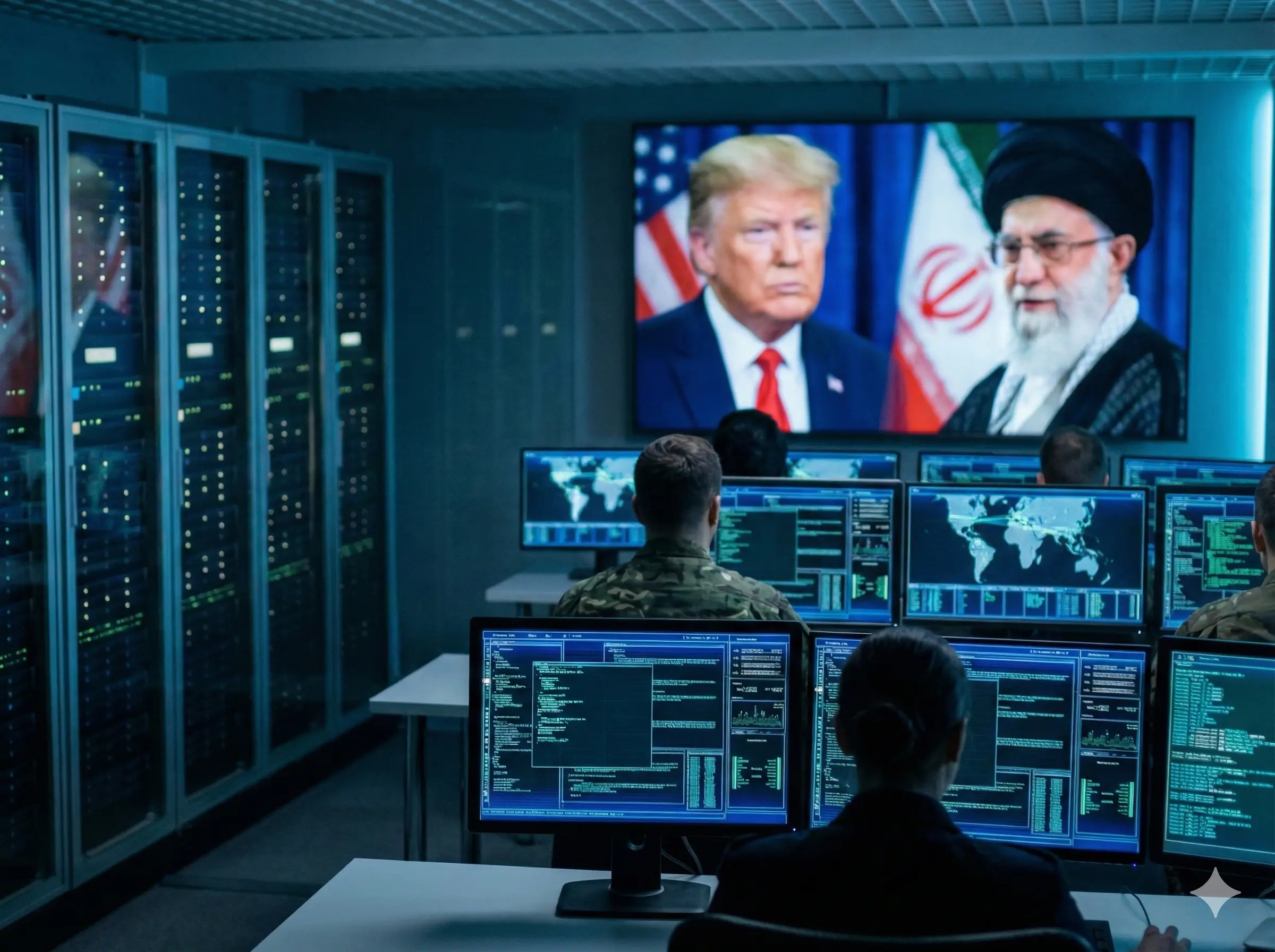
US Financial Dominance
The US Department of Defence allocates billions annually to cyber operations, with the FY2024 budget requesting over $13.5 billion for cyberspace activities alone. This massive funding allows for cutting-edge research, custom tool development, and the recruitment of elite talent. Iran’s military budget is a fraction of this, necessitating a low-cost, high-impact approach to its operations.
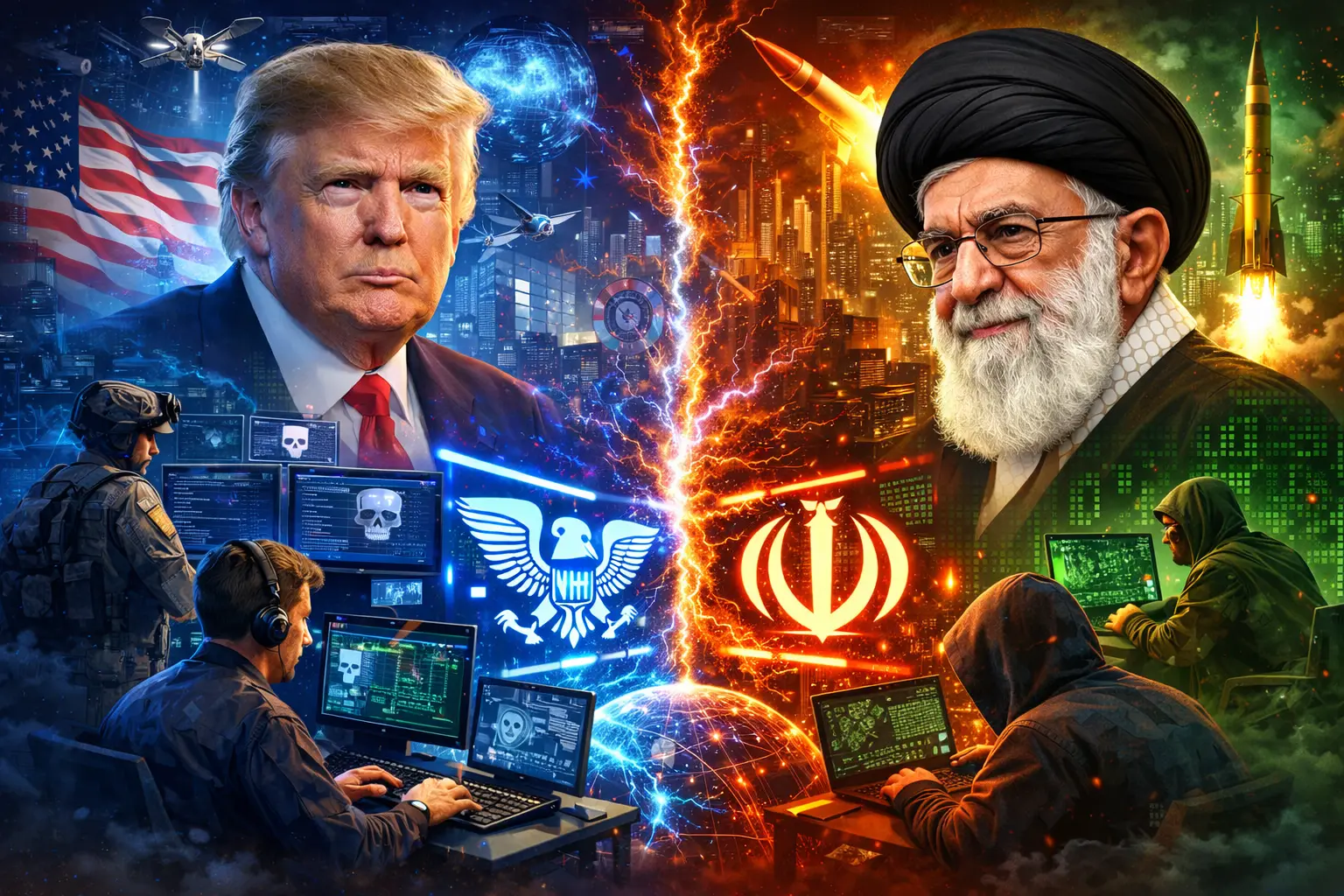
Iran’s Asymmetric Strategy
Lacking the resources to build expensive custom malware, Iranian groups often use 'living off the land' techniques. This involves using legitimate software tools already present on a victim's network to conduct attacks, making them harder to detect. This cost-effective strategy allows them to punch well above their weight without needing a massive budget.
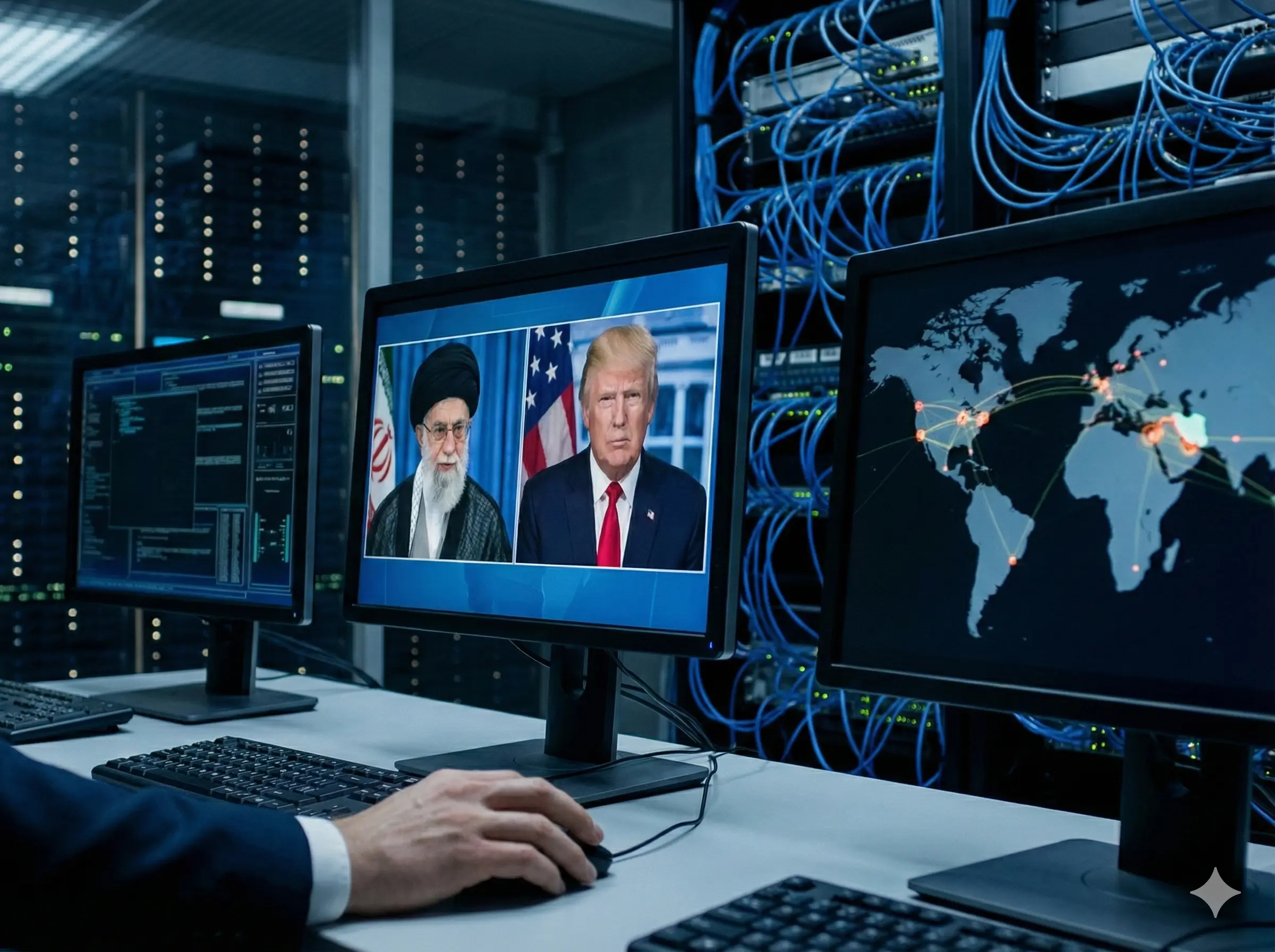
US Technical Sophistication
American cyber units are known for their precision and use of 'zero-day' exploits, vulnerabilities unknown to the software vendor. Agencies like the NSA can infiltrate networks and remain undetected for years, gathering deep intelligence. This level of stealth and technical mastery requires infrastructure and engineering capabilities that Iran currently cannot match.

Iran’s Destructive Focus
While the US prioritises espionage and precision, Iranian hackers have a reputation for blunt, destructive attacks. Groups linked to Tehran often deploy 'wiper' malware designed to erase data and cripple infrastructure permanently. This was famously seen in the Shamoon attacks, and remains a core part of their doctrine to inflict economic pain on adversaries.

US Cyber Command
The US operates under a unified combatant command structure, integrating cyber operations directly with air, land, and sea power. With thousands of personnel in its Cyber Mission Force, the US can execute synchronised operations globally. Their ability to defend US critical infrastructure while simultaneously conducting offensive missions is highly organised and scalable.
Iran’s Hacker Groups
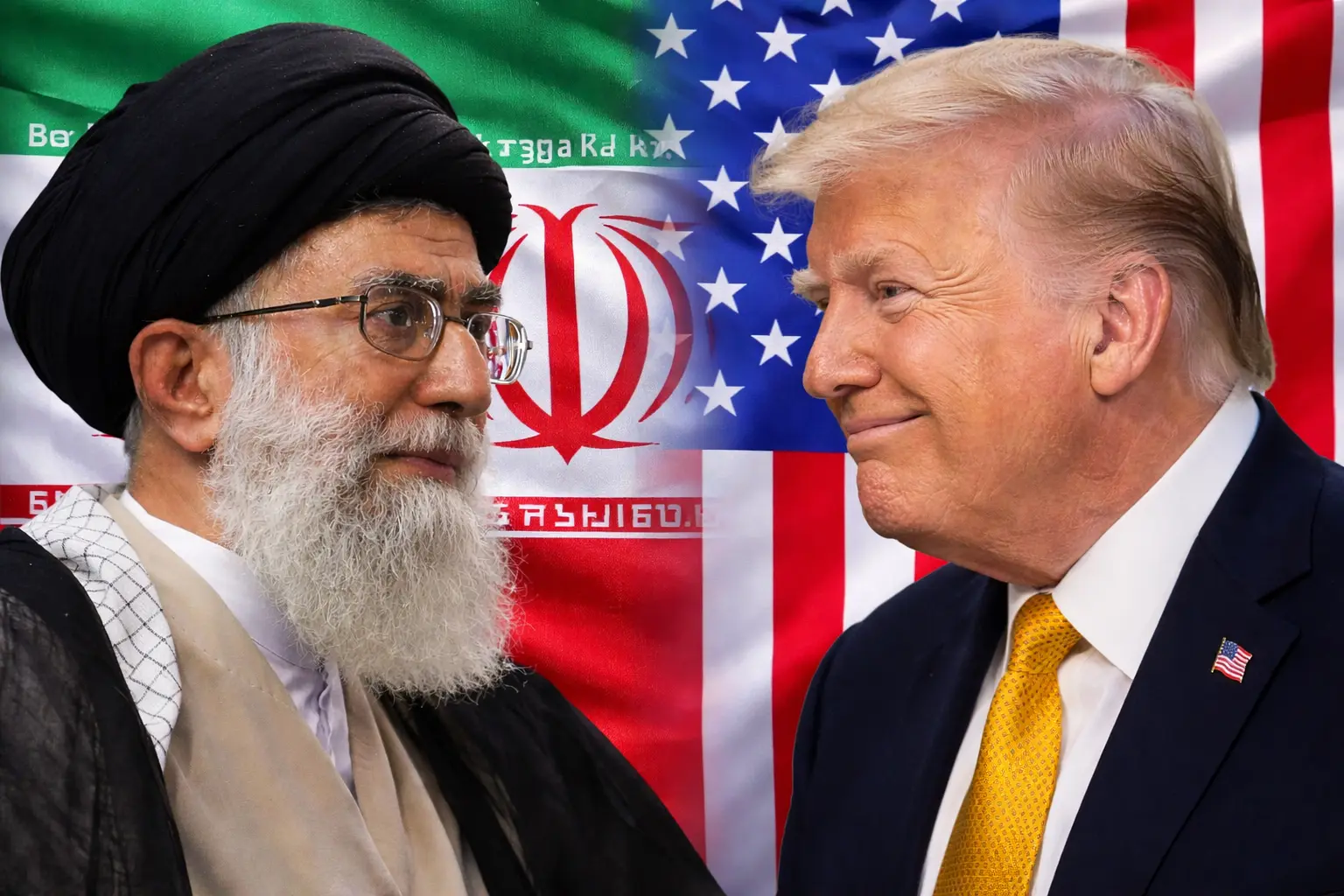
Iran’s cyber power is decentralised, often operating through contractors and groups like the Islamic Revolutionary Guard Corps (IRGC). Notorious groups such as APT33 and MuddyWater target energy, aviation, and government sectors worldwide. These groups are persistent, frequently attempting to breach networks through spear-phishing and social engineering rather than brute technical force.
Targeting Critical Infrastructure
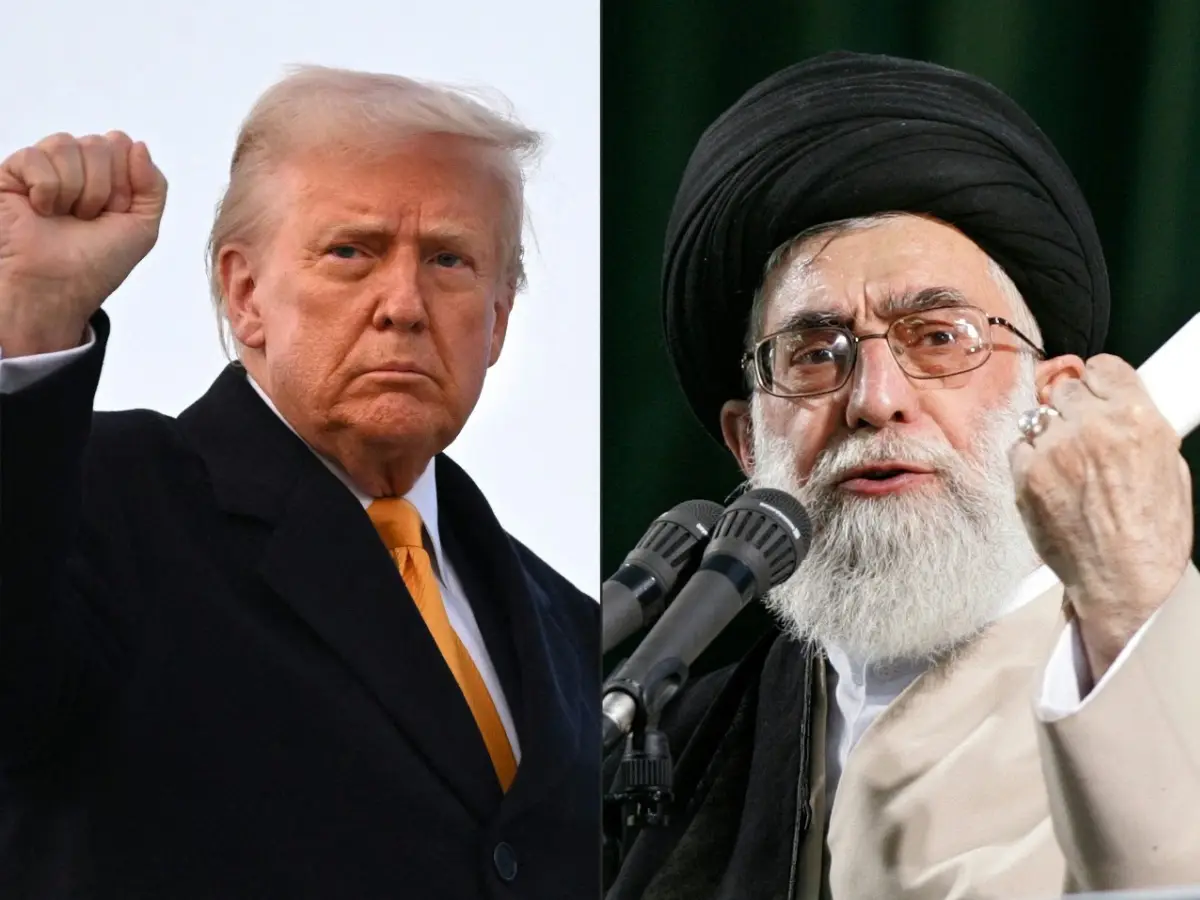
Both nations target critical infrastructure, but their end goals differ significantly. The US reportedly pre-positions inside networks for potential strategic deterrence and conflict preparation. Iran, conversely, actively probes water systems and power grids to disrupt daily life and sow chaos, often targeting softer, less defended municipal networks.

Global Reach Capabilities
The US maintains a global surveillance architecture that allows it to monitor threats and attribute attacks with high accuracy. Iran’s reach is more regional, focusing heavily on the Middle East, though it increasingly targets US soil. However, Iran’s ability to project sustained power globally is limited compared to the ubiquitous presence of US intelligence.
The Strategic Verdict
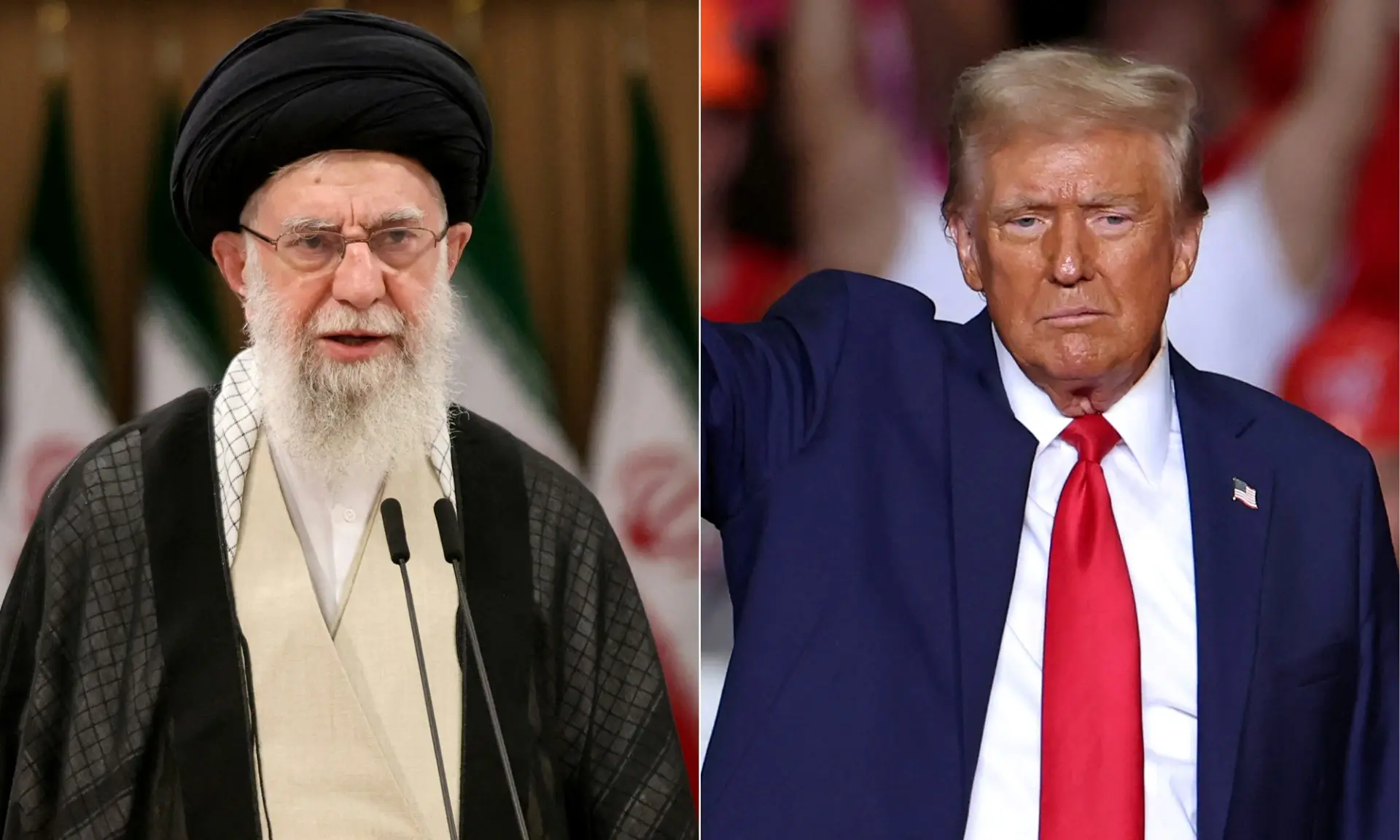
The US holds a clear advantage in raw power, budget, and technical sophistication. However, Iran remains a formidable adversary due to its willingness to cross red lines and cause destruction. In a cyber war, the US wins on capability, but Iran’s unpredictability and destructive focus make it a persistent and dangerous threat to stability.
)
)
)
)
)