Who is making decisions in war-torn Iran after Ali Khamenei's assassination? Hint: It's not Mojtaba Khamenei

In the wake of Ali Khamenei’s assassination, the IRGC has emerged as the true authority in Iran. By managing the severely wounded Mojtaba Khamenei’s communications, the Guard maintains the illusion of leadership while directing the country's wartime military and economic machinery.
The supreme power in Iran
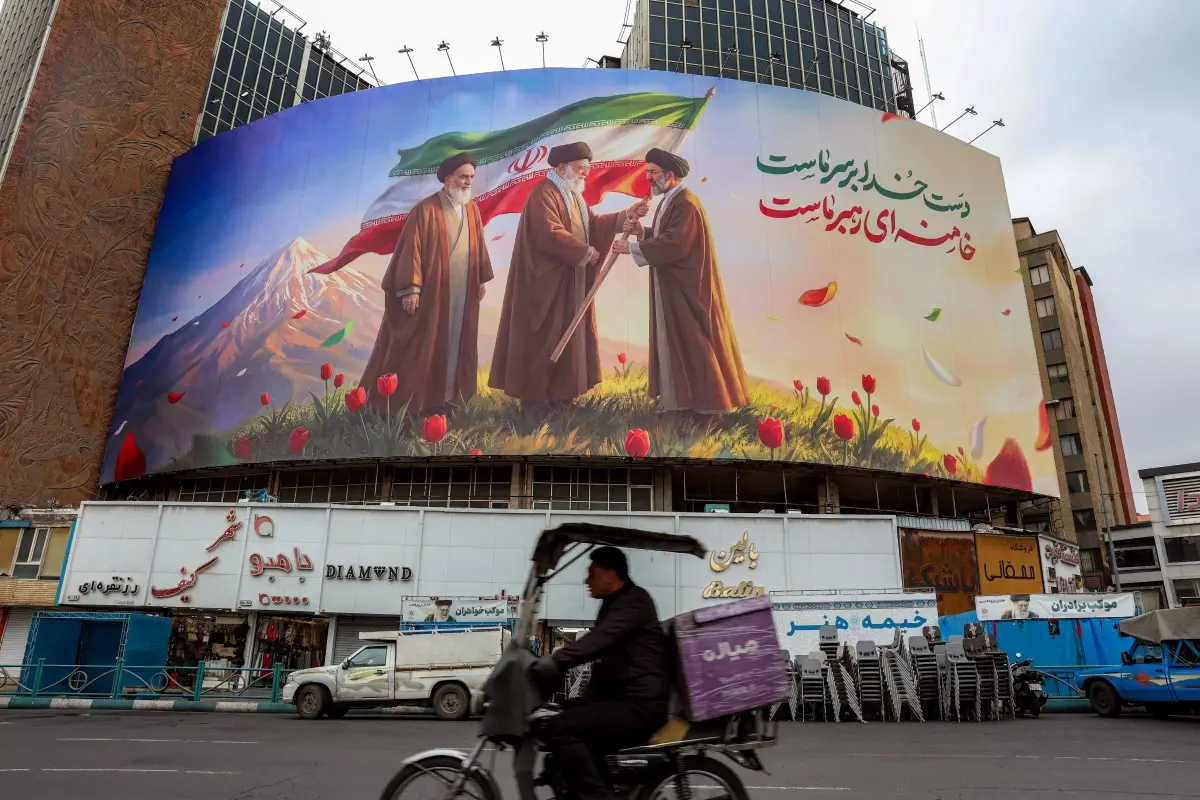
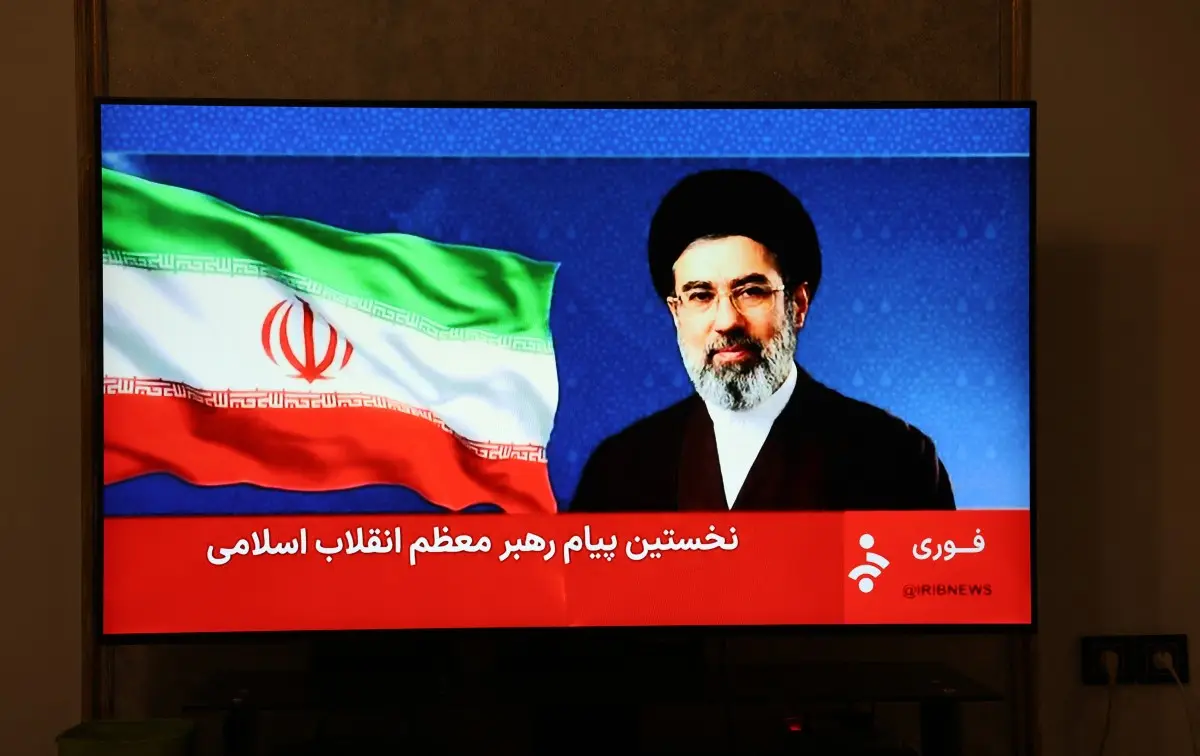
With Ali Khamenei killed in a joint US-Israeli strike on February 28, 2026, Iran lost its central authority figure. While the Assembly of Experts moved to appoint Mojtaba Khamenei on March 8 to maintain the appearance of constitutional continuity, the reality of governance appears to be held elsewhere. Mojtaba Khamenei, 56, has not appeared in public since his appointment. Multiple reports suggested he was severely injured during the same February 28 bombardment that killed his father.
US and International Reactions
The US administration has expressed scepticism regarding the stability of the new leadership. On March 13, 2026, US Secretary of Defence Pete Hegseth noted that the new leader is likely wounded and disfigured, lacking both a public voice and legitimacy, and described the current internal situation in Iran as a disorganised mess.
Iran’s Diplomatic Counter-Narrative
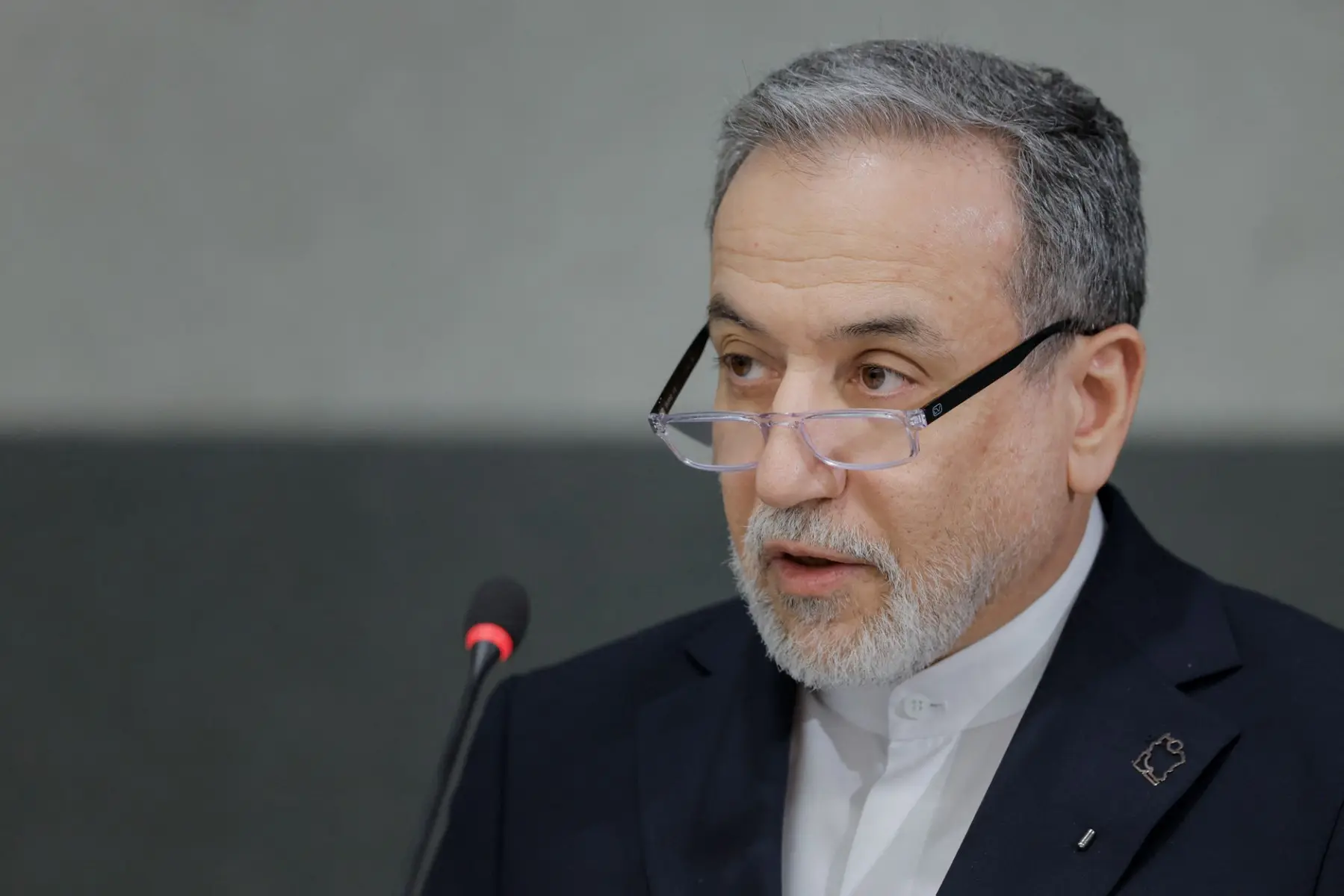
Despite Western intelligence reports, Iranian officials have denied that there is a leadership crisis. Foreign Minister Abbas Araghchi stated on March 14, 2026, that "there is no problem" with the new leader and that he is fulfilling his duties. State media continues to publish written statements attributed to him, calling for unity.
The Role of the Revolutionary Guard
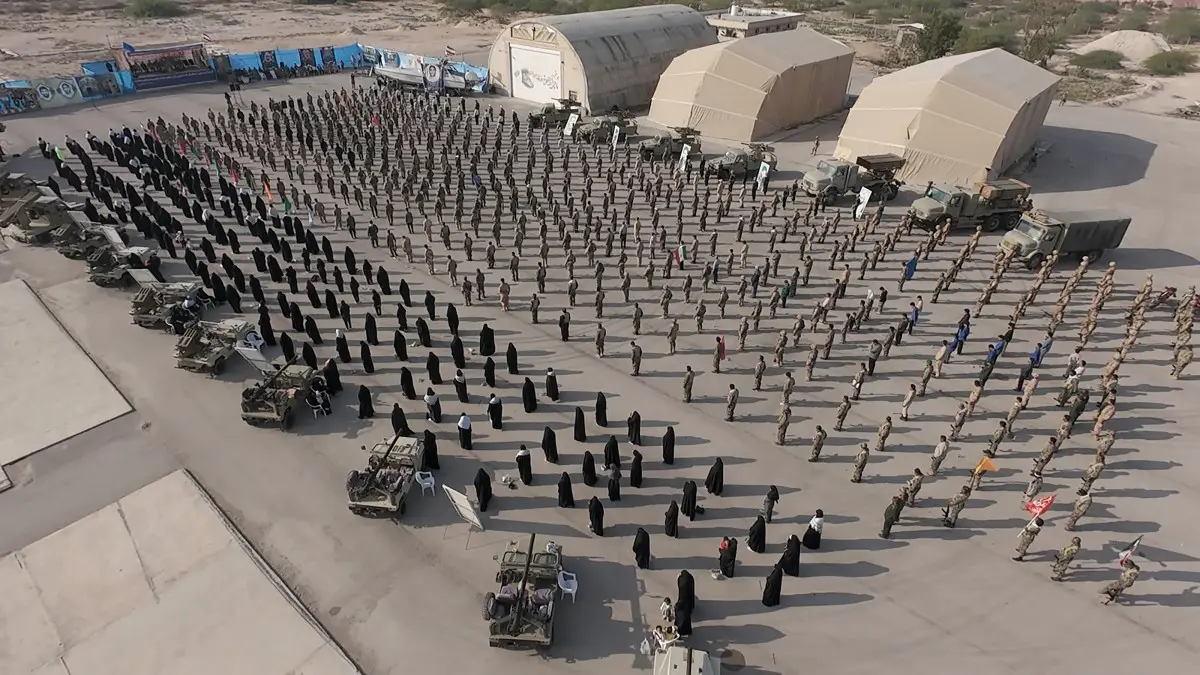
As the Supreme Leader’s office struggles with communication and legitimacy, the Islamic Revolutionary Guard Corps (IRGC) has emerged as the primary actor. Reports indicate the IRGC has taken control of Mojtaba’s communications, effectively mediating all statements released to the public, ensuring that the wartime state machinery continues to function during this crisis.
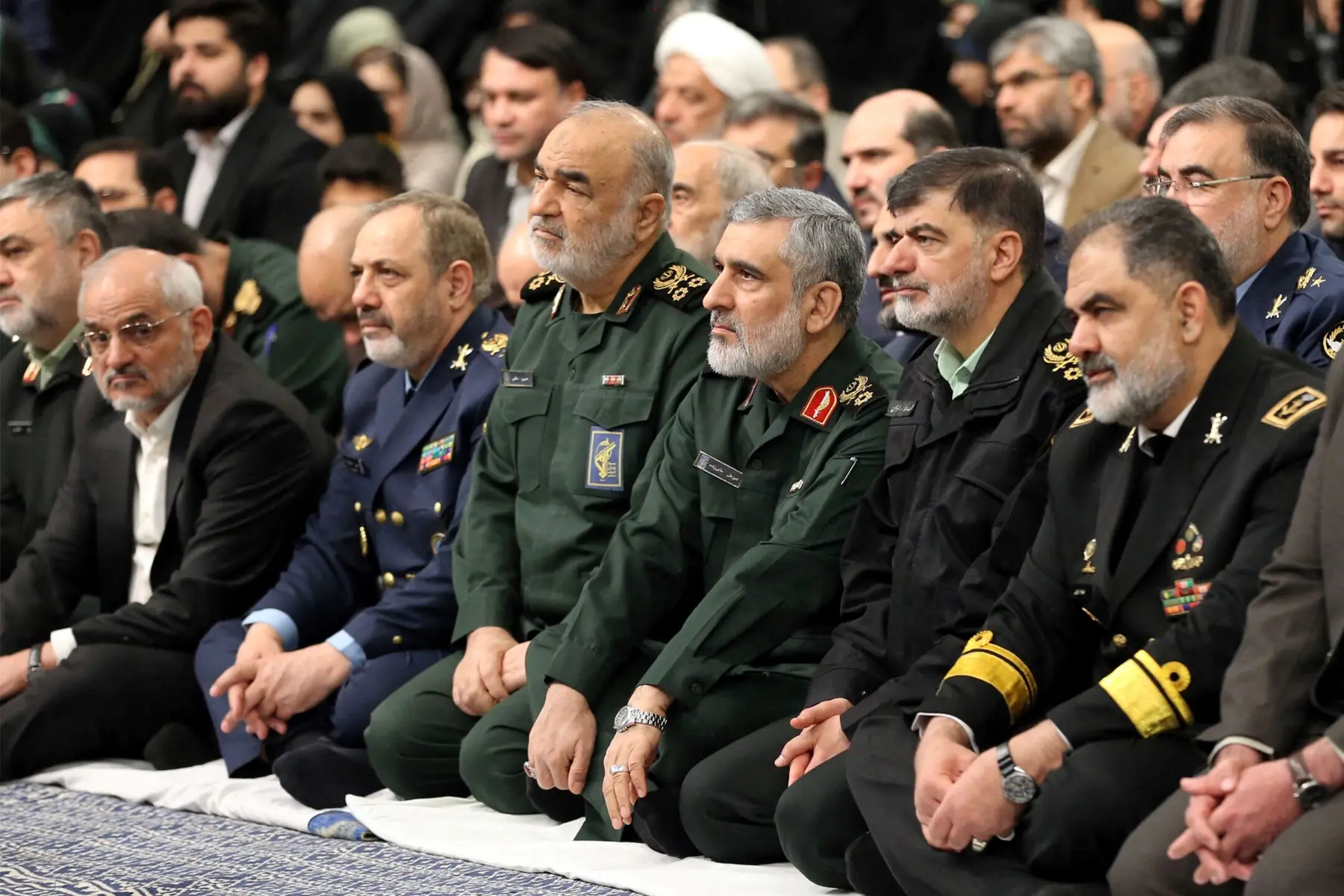
Anatomy of the Revolutionary Guard
Established in 1979 to protect the revolution, the IRGC has evolved far beyond its original mandate. Today, it functions as a sprawling "deep state" that commands a massive paramilitary force. With deep influence over domestic politics and the national economy, it essentially serves as the backbone of Iran’s entire governing apparatus.
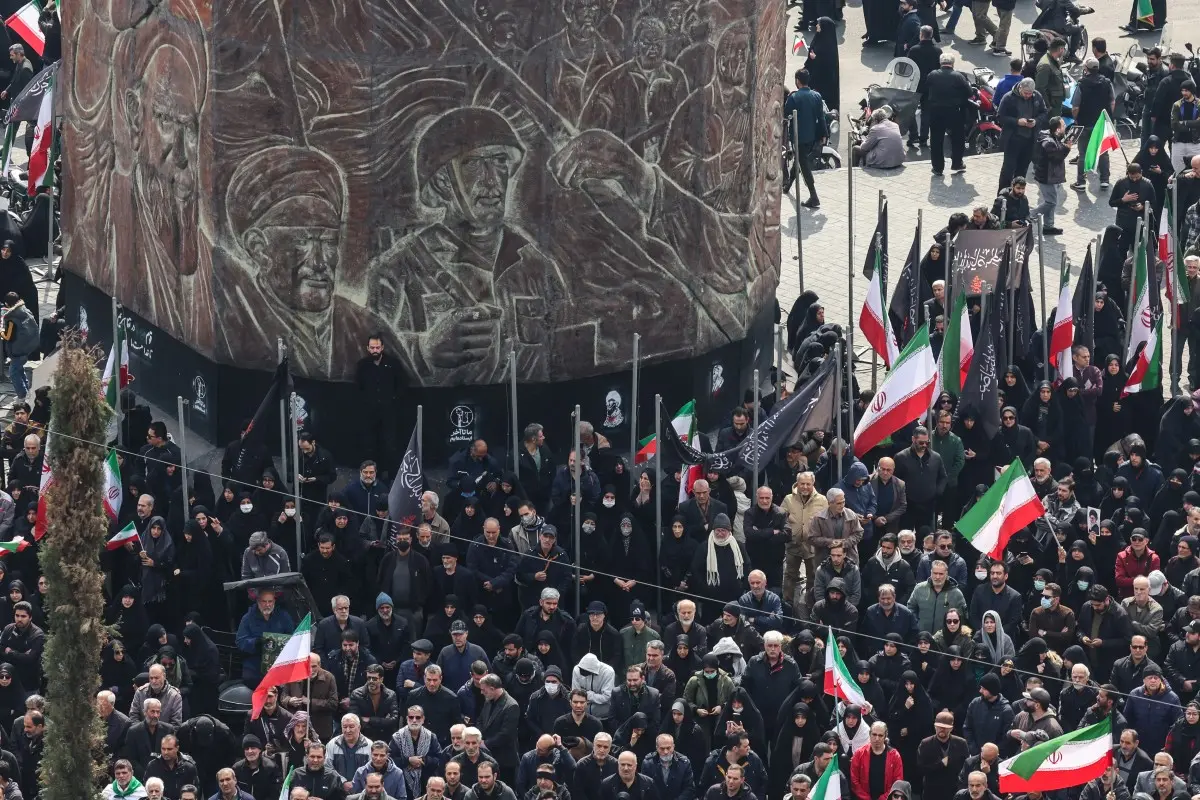
Economic and Political Dominance
The IRGC’s influence is not limited to the battlefield; it dominates the Iranian economy. The organization holds significant interests in the construction, telecommunications, energy, and automotive industries. By controlling these vital sectors, the IRGC ensures that the regime’s survival remains inextricably linked to the military’s own financial and political stability.
Disclaimer: WION takes utmost care to accurately and responsibly report ongoing conflicts in West Asia involving Israel, Iran, US, Gulf nations and non-state actors like Hezbollah, Hamas, Houthis, Islamic State, and others. Claims and counterclaims, disinformation and misinformation are being made online and offline. Given this context, WION cannot independently verify the authenticity of all statements, social media posts, photos and videos.
)
)
)
)