Who is Jeff Gray? Tyler Robinson’s prosecutor who filed the death penalty charge for murdering Charlie Kirk

Under Gray’s leadership, the Tyler Robinson case reflects a more aggressive prosecutorial stance: using full severity of charges (including witness tampering and obstruction), pursuing the death penalty where allowed, and emphasising swift, robust evidence gathering.
Current Role
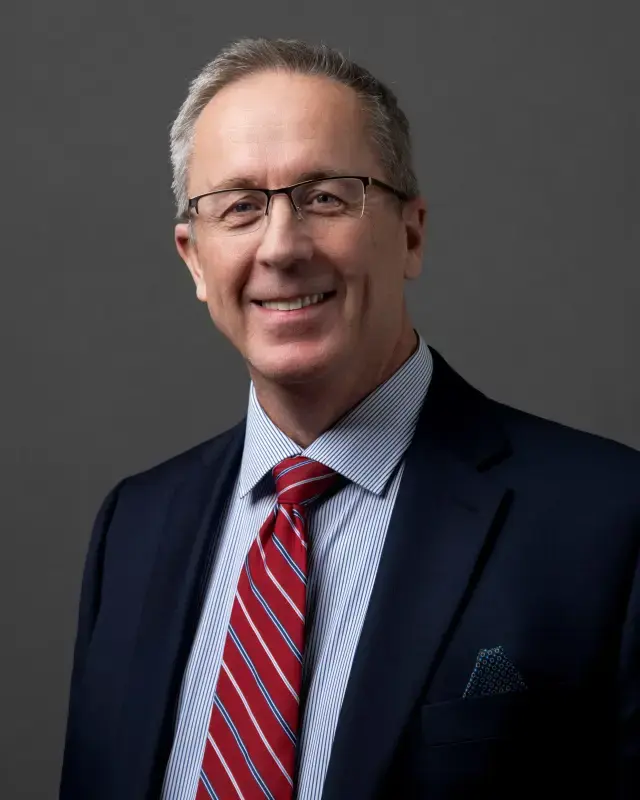
Jeffrey S. Gray has been serving as the Utah County Attorney since January 2023. In that capacity, he is the chief prosecutor for Utah County, overseeing criminal prosecutions, victim support services, and legal matters for the county government.
Key Responsibilities in Office
As County Attorney, Gray leads the Criminal, Civil, and Investigations divisions of Utah County’s Attorney Office. His office works to represent the county in court cases, support law-enforcement collaboration, and enhance resources for victims of crime. He also manages administrative tasks such as budgeting, oversight, and ensuring that trials and litigation are conducted properly.
Professional Background and Experience
Before becoming County Attorney, Gray spent many years working in the Utah Attorney General’s Office. In particular, he has handled felony appeals (including work related to search and seizure issues under the Fourth Amendment) and held leadership positions there. Gray has argued before the US Supreme Court on state cases.
Campaigns & Election to the Position
Gray ran for Utah County Attorney in 2022. In the Republican primary, he challenged the incumbent David Leavitt. His campaign emphasised restoring certain units (like the Special Victims Unit), increasing training for prosecutors and law enforcement, and more vigorously prosecuting violent and serious crimes. He won election and assumed office in early 2023.

Policy Priorities & Legal Philosophy
Gray has been vocal about:
- Reinstating specialised divisions (e.g. for sex crimes and domestic violence) that focus on vulnerable victims. He criticised prior decisions to disband those units as undermining victim care.
- Strengthening cooperation with law enforcement agencies.
- Ensuring prosecutors and officers are well-trained in constitutional issues and legal procedure, particularly regarding search and seizure and handling evidence correctly.
- Upholding the availability of the death penalty as a legal tool in appropriate cases. Gray has argued that prosecutors have a duty to seek it in particularly heinous crimes, and that removing it entirely removes one option for justice.
Relevance to the Tyler Robinson Case
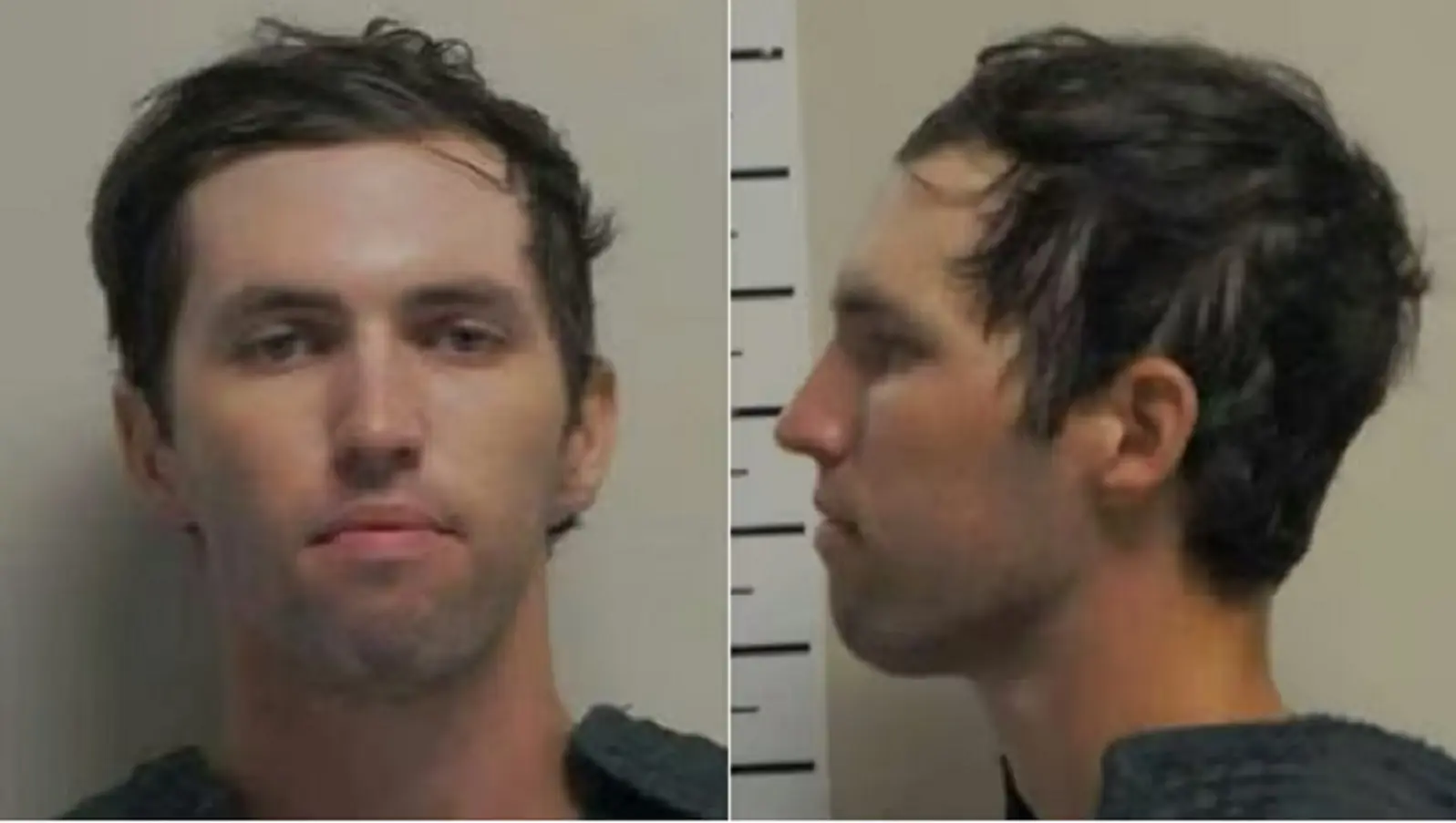
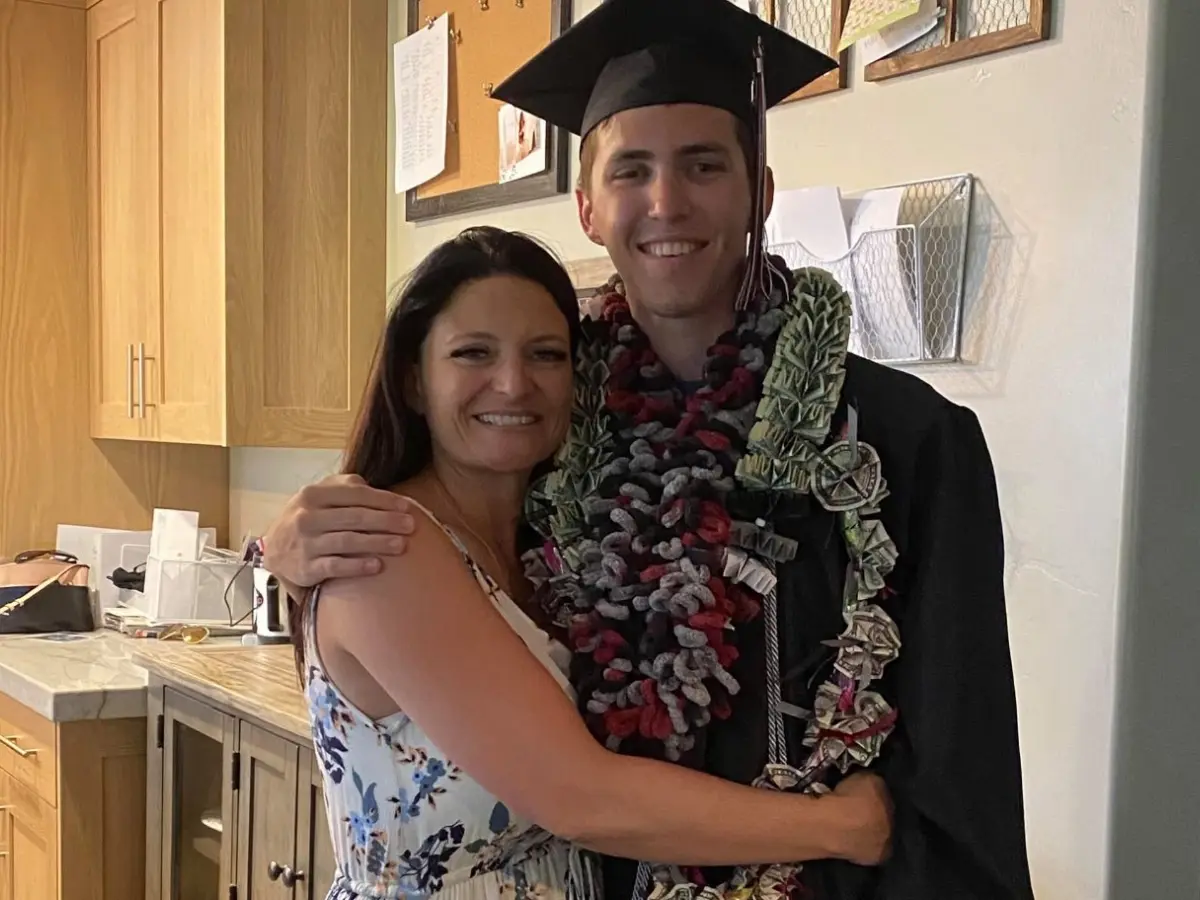
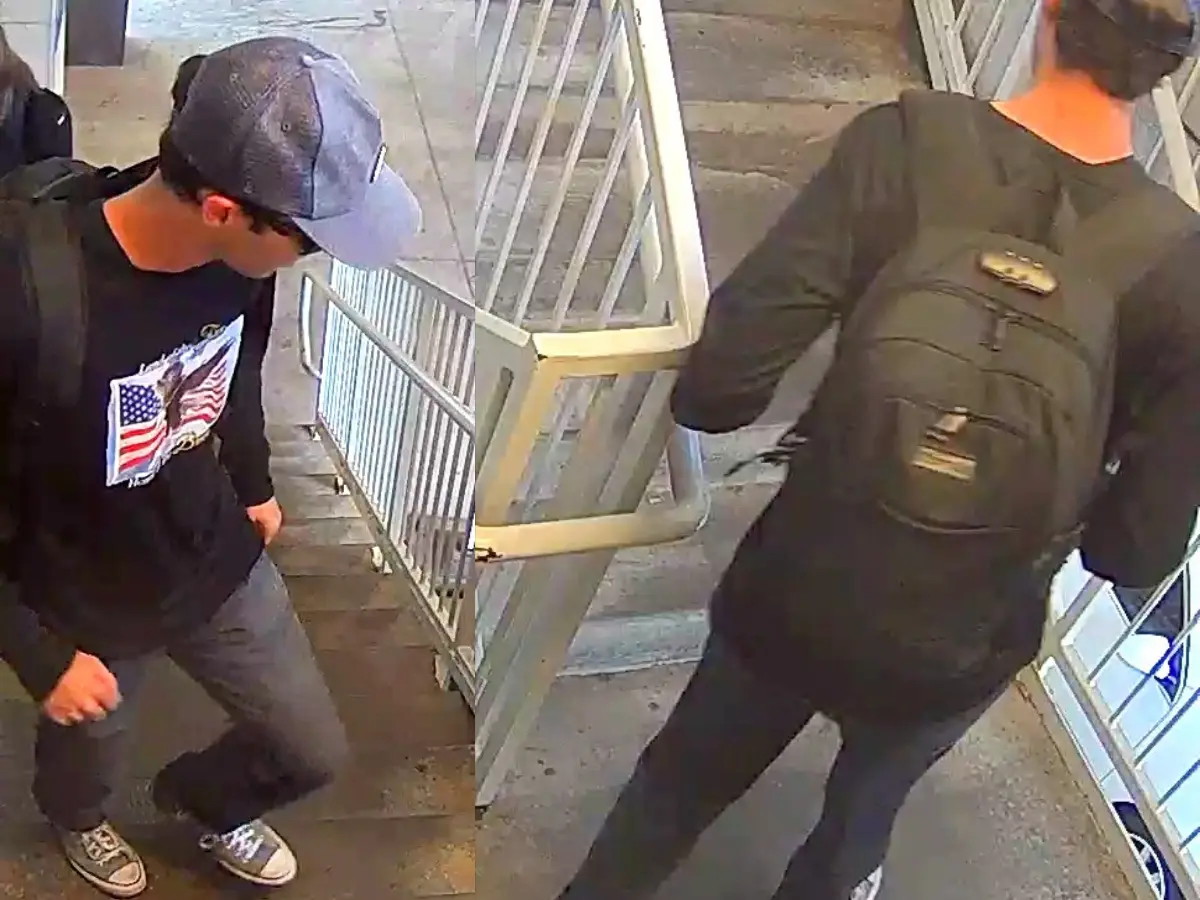
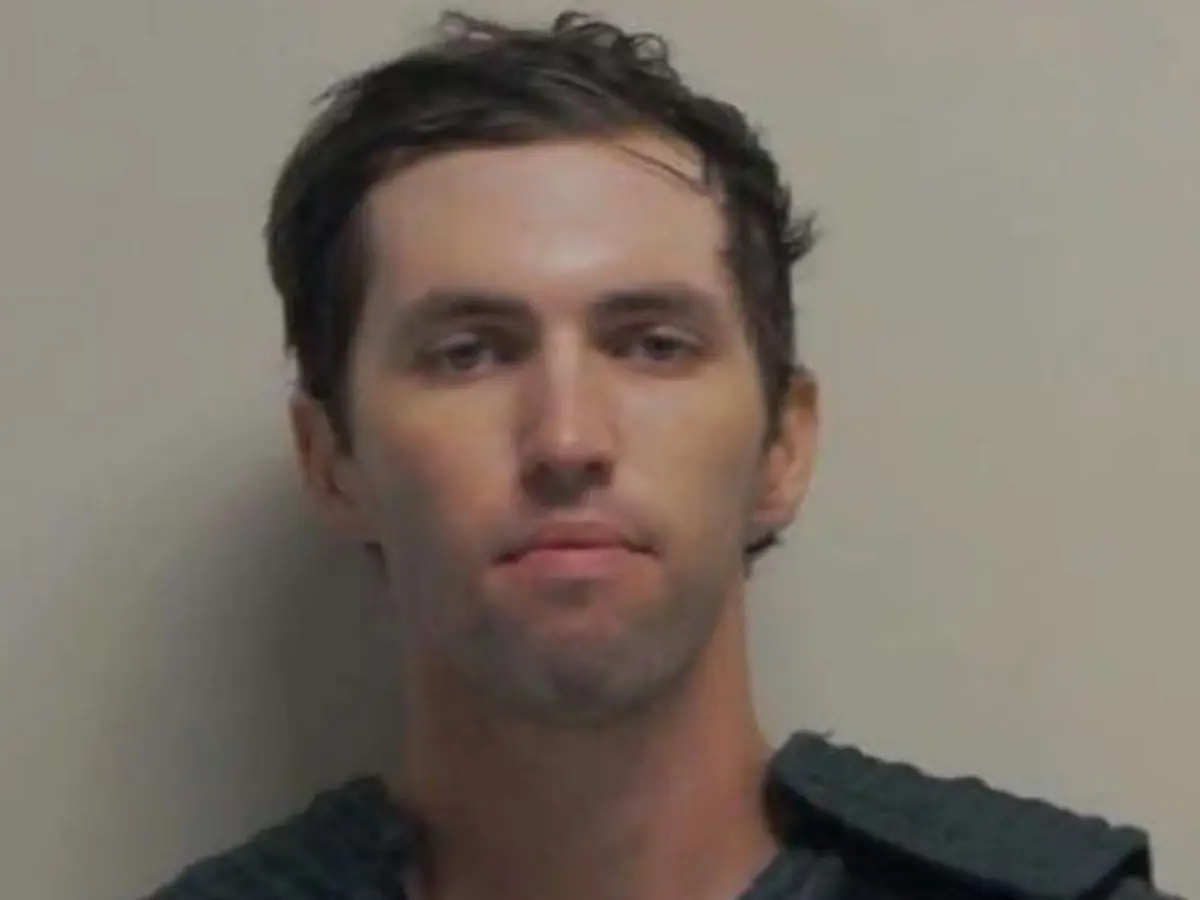
In the case of Tyler Robinson, accused of murdering Charlie Kirk at a public event, Jeff Gray is the lead prosecutor. Gray has formally announced his office will seek the death penalty among the charges of aggravated murder, weapon discharge, obstruction of justice, witness tampering, and other related counts.
Office Achievements under Gray
Since taking office, Gray has expanded victim support services, increased collaboration with law enforcement, and established a Major Crimes Division and a revived or strengthened Special Victims Unit to ensure crimes against vulnerable populations are handled with experience and sensitivity.

Public Perception & Controversies
Some of Gray’s policies have been divisive. His push to reintroduce capital punishment in some serious cases contrasts with his predecessor’s decision to avoid seeking the death penalty. Also, his criticism of dismantling specialized units has drawn both support (from victims’ rights and law enforcement groups) and opposition (from those concerned about efficiency or costs).
Education & Personal Origins
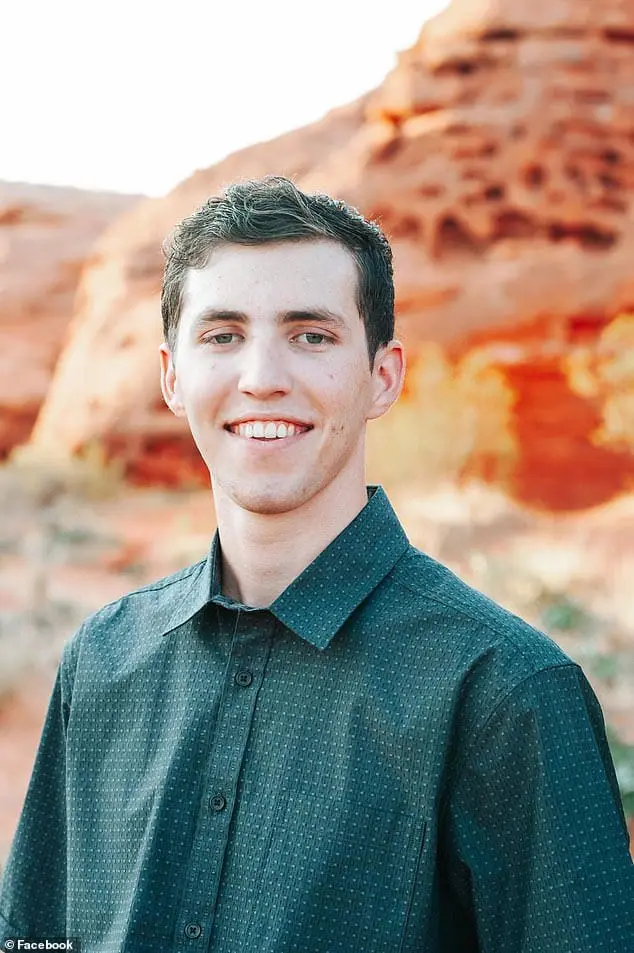
Gray grew up in Mapleton, Utah. He attended Brigham Young University for his undergraduate studies, and later went to law school at the University of Nebraska. His early years in law included Springville High School, and he has lived much of his life in Utah.

What This Indicates About Prosecution Strategy
Under Gray’s leadership, the Tyler Robinson case reflects a more aggressive prosecutorial stance: using full severity of charges (including witness tampering and obstruction), pursuing the death penalty where allowed, and emphasising swift, robust evidence gathering. It shows that Gray is willing to rely on new or restored units (Major Crimes, Special Victims) and inter-agency work to handle high-profile cases.
)
)
)
)
)