Who is Gustavo Petro, the ex-guerilla who's Colombia's first leftist leader

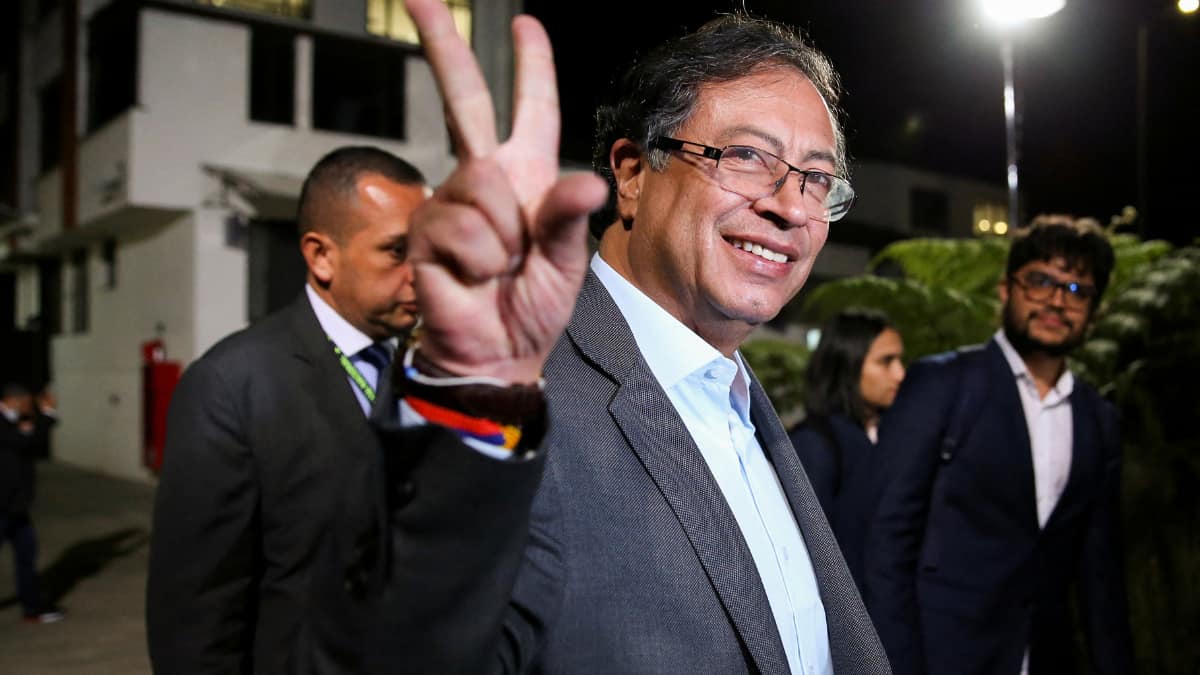
Former member of guerilla group
The 62-year-old senator and former mayor was part of the M-19 guerrilla group in his youth.
The election of a former guerrilla marks a radical change for a country still scarred by decades of conflict and highlights the depth of frustration with the right-leaning political establishment accused of overseeing a wide gap between rich and poor.
Petro is seen as a good orator, though not necessarily charismatic. He is a map buff, and a keen social media user.
Born into a modest family on Colombia's Caribbean coast, Petro embraced leftist politics as a teenager after the 1973 coup d'etat in Chile that unseated Marxist president Salvador Allende
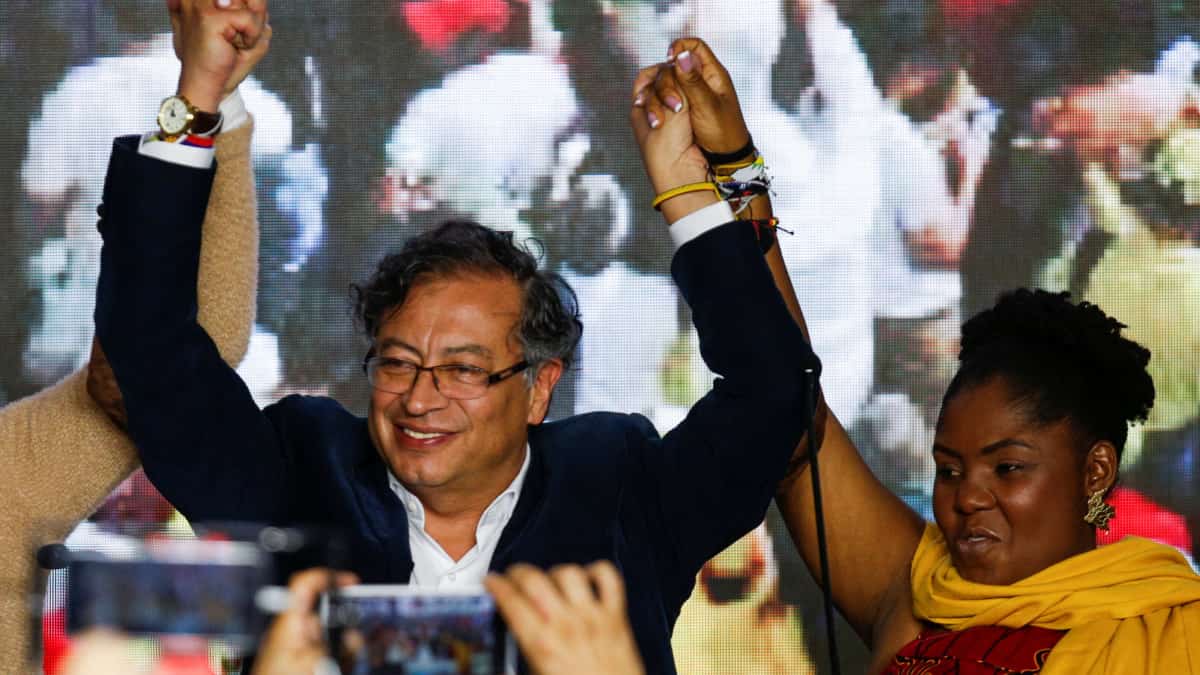
Rejected populist characterisations
Petro, who was running for president for the third time, had rejected populist characterisations of him by critics and attracted support on his generous social spending promises.
His potential administration "is not a minority oligarchy governing Colombia, it's a multicolor democracy," Petro told a recent rally. "We cannot allow it to slip between our fingers."
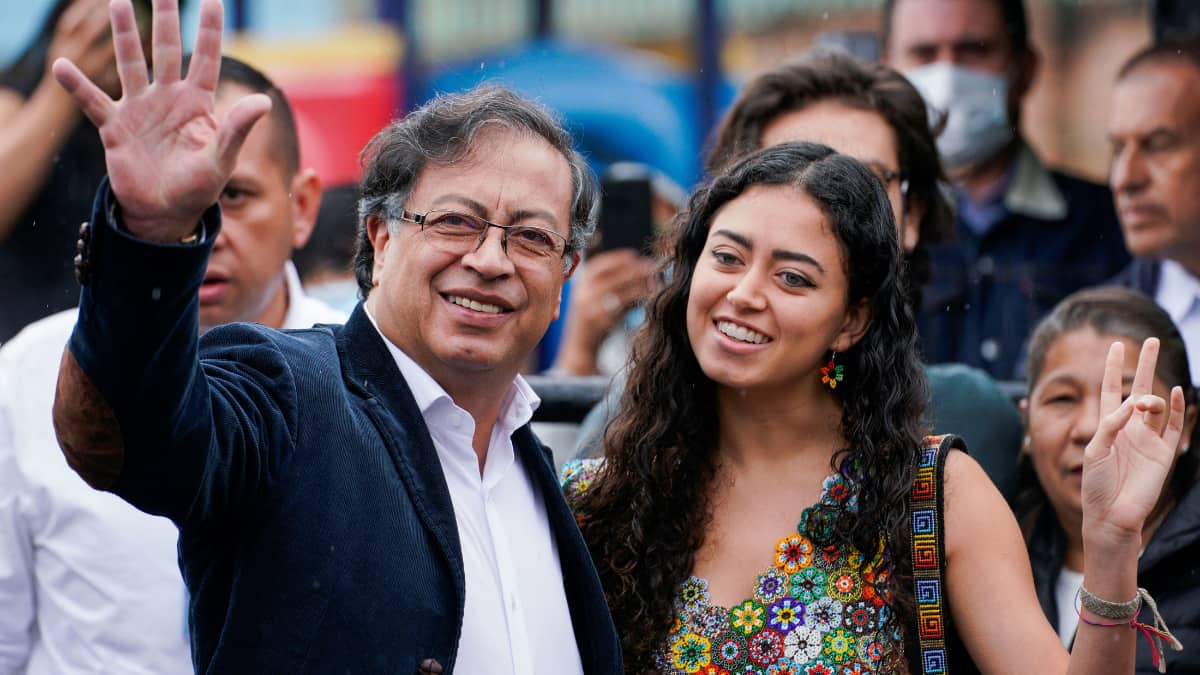
Concern about a potential victory
In historically conservative Colombia, many are concerned about a potential victory by Petro, who first gained national recognition with impassioned congressional speeches about corruption and violence committed by right-wing paramilitary groups and their political allies.
The candidate wants to hike taxes on owners of large tracts of unproductive land and begin to wean Colombia off income from oil and coal, which he has described as poisons comparable to cocaine, perhaps Colombia's top illegal export.
Petro's critics have sought to portray him as a radical populist who will bring about a Venezuela-style economic collapse.
He has, however, railed against the "banana republic" rule of Colombia's neighbor and vowed there would be no expropriation on his watch.
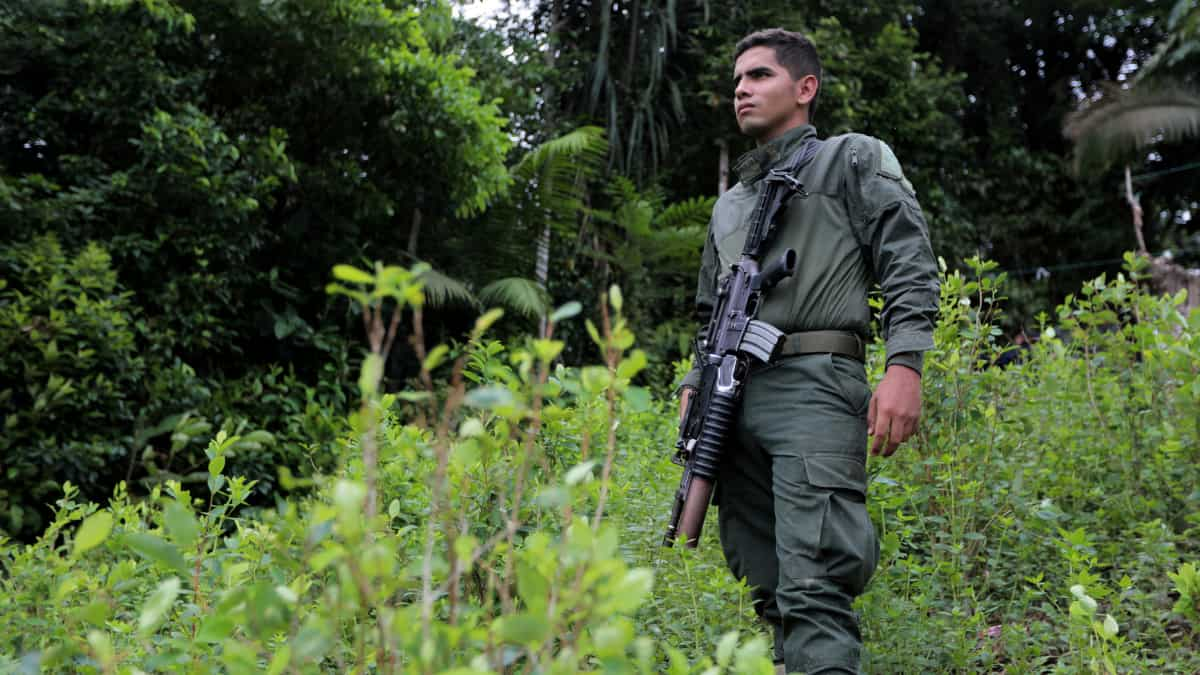
Seeking demobilisation of still-active ELN rebels
While Petro was never a combatant in the M-19, which in 1985 took top judges hostage in a confrontation that left almost 100 dead, his years in the movement still leave him open to attacks by opponents, who have also belittled his taste for designer shoes.
His 2011 election as mayor of capital Bogota was seen by many as proof that rebel movements like the Revolutionary Armed Forces of Colombia (FARC) could transition to politics.
The FARC laid down their arms under a 2016 peace deal. Petro has said he will fully implement that accord if elected and seek the demobilisation of the still-active ELN rebels.
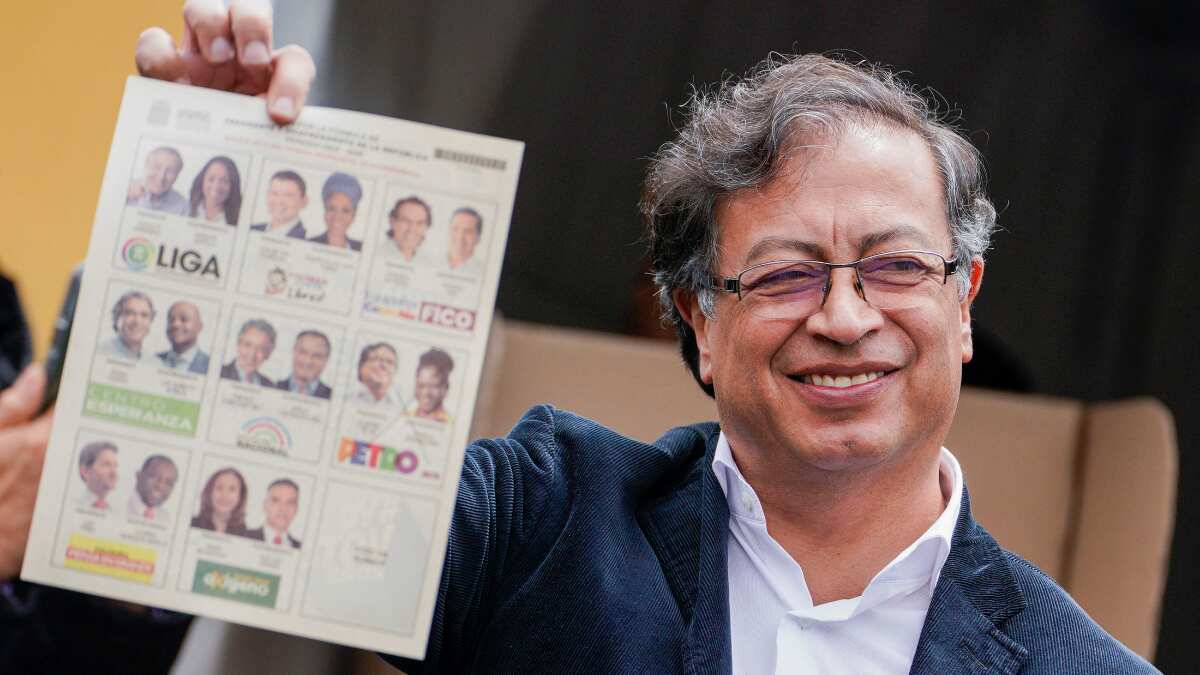
Pledged low-cost loans for small businesses
Petro, a father of six, has also pledged low-cost loans for small businesses, free public university education and a redistribution of pensions. He also plans a shift in Colombia's relationship with top ally the United States, away from anti-narcotics policy and toward the fight against climate change.
Petro has promised not to expropriate assets and scoffed at critics' comparisons of him to deceased Venezuelan President Hugo Chavez and successor Nicolas Maduro.
Though left-wing parties won some 50 seats in Congress in March legislative elections, he would likely be unable to pass major reforms without support from centrist parties.
)
)
)
)
)