Who introduced tea to India? The fascinating story behind 'chai': All you need to know

From wild Assamese tribal medicine to British colonial commerce, tea transformed dramatically in India. To fight a surplus, the British marketed it locally, but vendors rebelled against the costly English recipes. Know the complete history and discovery of tea.

The transformation of tea
While India is today famous worldwide for its aromatic Chai, the transformation of tea from a wild jungle leaf into the country’s ultimate democratic beverage is a fascinating story of indigenous tribal customs, British colonial desperation, and local culinary genius. Here is the complete history of how tea was introduced to India and how it evolved into the beloved Chai.
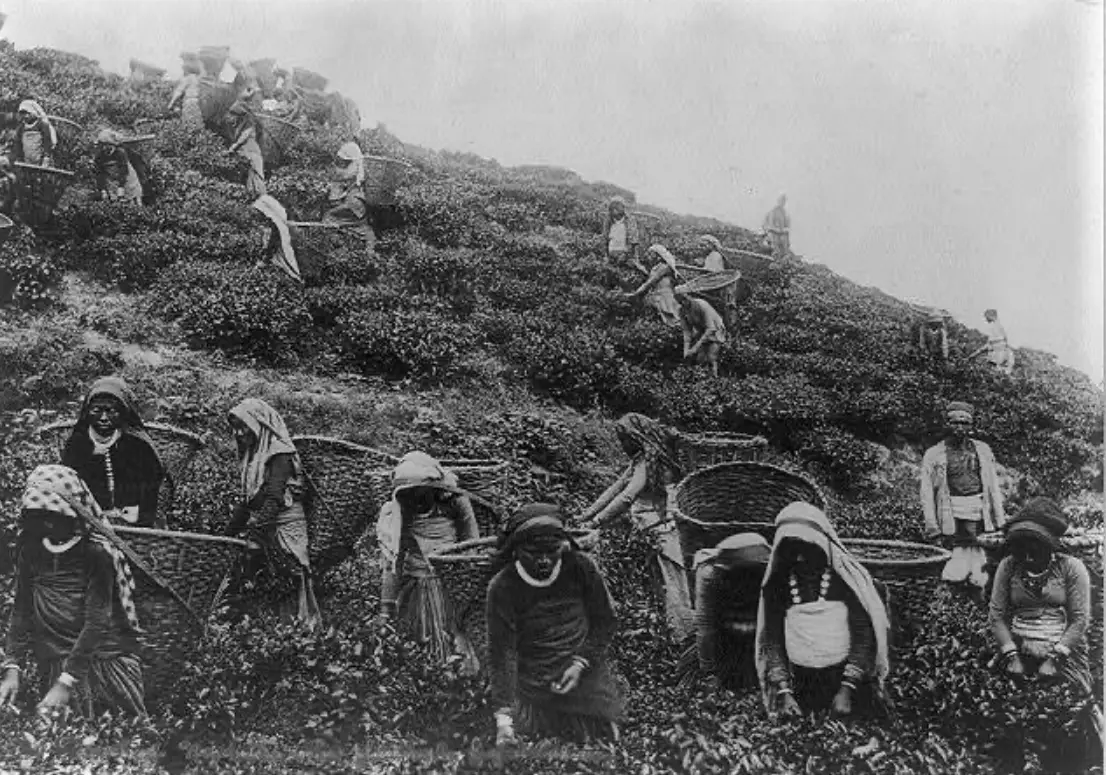
The Ancient Roots: The True "Discoverers"
Before the corporate tea gardens existed, wild tea was already native to the Upper Brahmaputra Valley in Assam. For centuries, indigenous tribes like the Singpho and Khamyang people grew and consumed it. However, they didn't drink it with milk and sugar. Instead, they used it primarily for medicinal purposes, ate the leaves as a vegetable dish with garlic, or smoked the leaves inside hollow bamboo tubes to brew a dark, medicinal decoction.
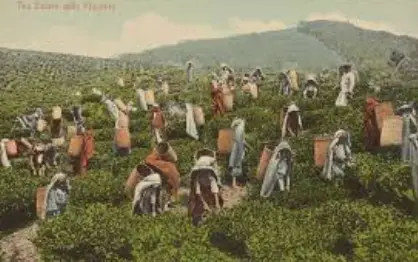
The British Era: How Commercial Tea Was Introduced
The formal, large-scale commercialisation of tea in India was driven by the British East India Company in the early 19th century out of sheer economic desperation. Great Britain had developed a massive obsession with tea, but China held a strict global monopoly over it. When geopolitical tensions and trade disputes made trading with China difficult, the British desperately needed to find a way to grow tea within their own colonies.
A Scottish adventurer and trader named Robert Bruce was guided by an Assamese nobleman, Maniram Dewan, to a Singpho tribal chief named Beesa Gam. The chief introduced Bruce to the wild native tea plants (Camellia sinensis var. assamica) in 1823. Robert Bruce passed away shortly after, but his younger brother, Charles Alexander Bruce, pursued the project in 1834. He sent samples to the Botanical Gardens in Calcutta, where it was officially classified as a distinct variety of the tea plant. Charles Alexander Bruce established the first British-led commercial tea nursery in Chabua, Upper Assam in 1837. Later, the Assam Company was formed in 1839 as the world’s first joint-stock tea enterprise.
The Darjeeling Shift (1841): While the indigenous Assamica variety thrived in the hot, humid lowlands of Assam, the British still wanted to grow the delicate Chinese variant (Camellia sinensis var. sinensis). A civil surgeon named Dr Archibald Campbell experimented by planting smuggled Chinese tea seeds in the high altitudes of Darjeeling. It was a massive success, giving birth to the world-renowned “Champagne of Teas.”
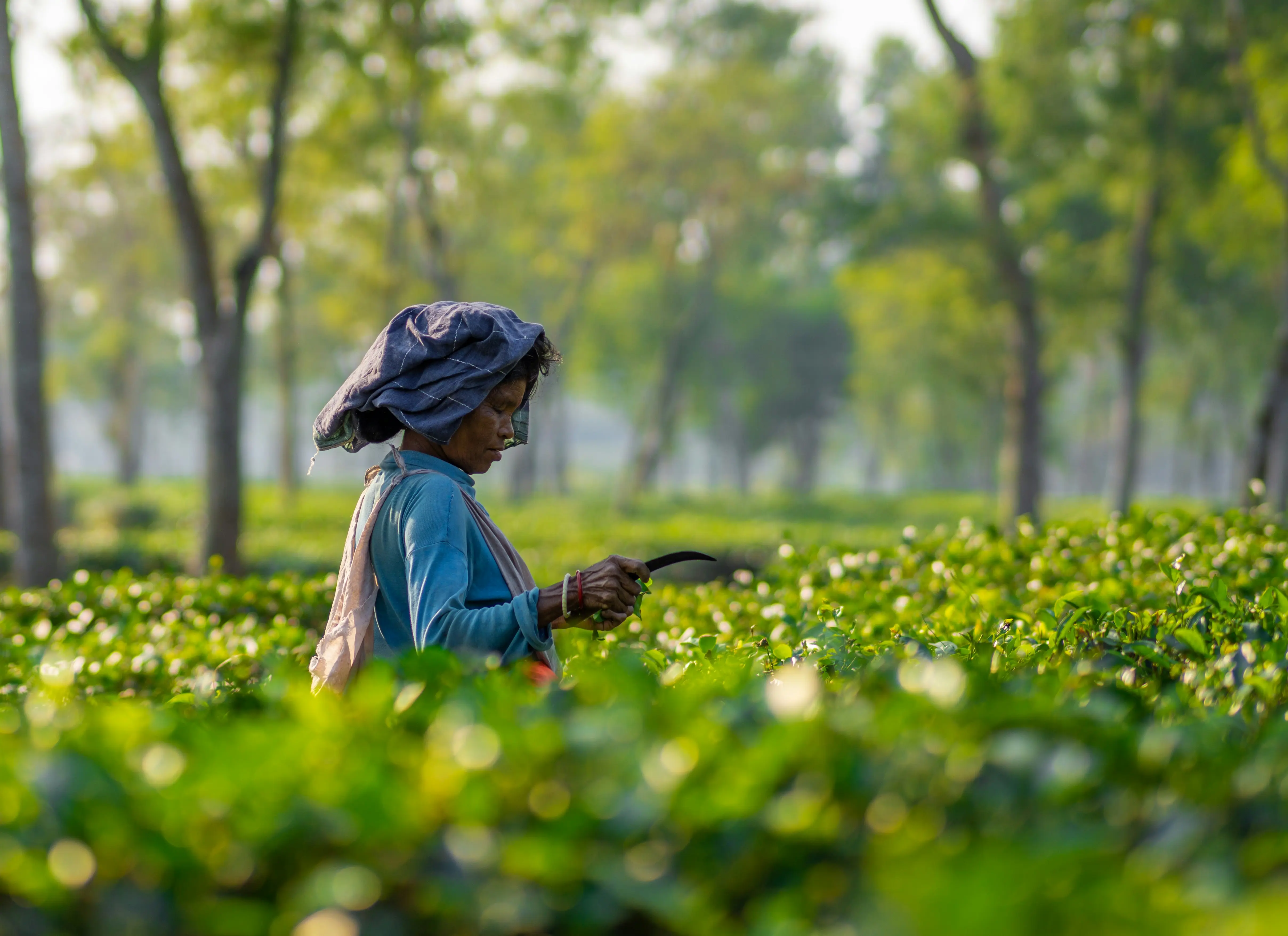
The Indianization: How Tea Became "Chai"
Even though India was producing massive amounts of tea by the late 1800s, almost 100 per cent of it was exported to Great Britain. Local Indians did not drink it. To fix a sudden supply surplus in the early 1900s, the colonial Indian Tea Association launched a massive marketing campaign to convince Indians to adopt the habit. They set up tea stalls at railway stations, factories, and textile mills, offering cheap or free cups of tea to workers and travellers.
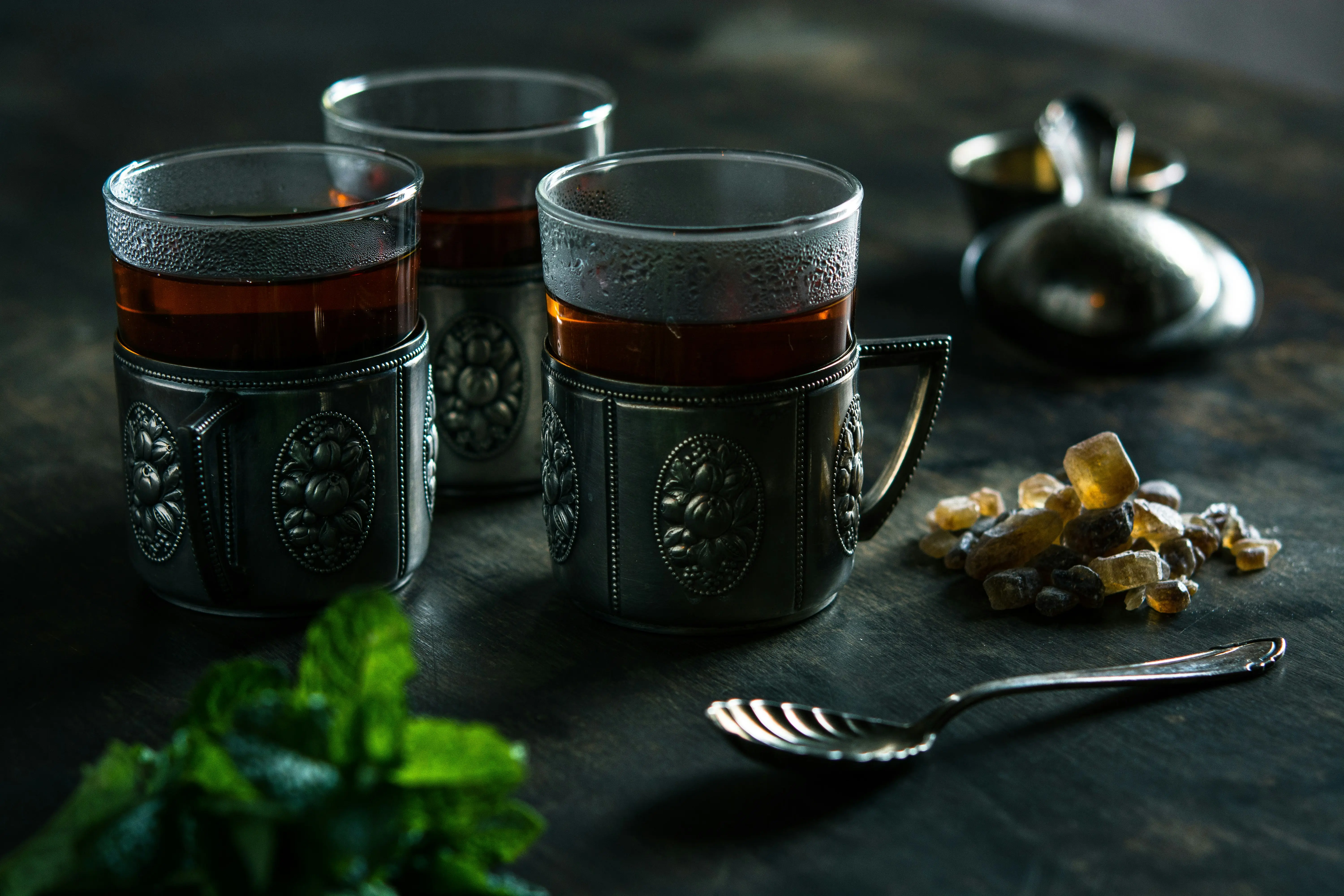
The Invention of Masala Chai
The British taught Indians to brew tea the English way, using a small amount of tea leaves, boiling water, a splash of milk, and a cube of sugar. However, Indian vendors found factory-grade black tea leaves too bitter and expensive. To maximise profits and cater to the local palate, vendors altered the recipe: They reduced the proportion of expensive tea leaves, they heavily increased the amount of milk and water, they boiled everything together (instead of just steeping the leaves), and they infused the concoction with traditional Ayurvedic spices like ginger, cardamom, cloves, and cinnamon, and added heavy amounts of sugar. The British authorities initially hated this development, complaining that vendors were using far too many spices and milk and not enough actual tea leaves. But the change was unstoppable. This rebellious, cost-effective blend is exactly what we know today as Masala Chai.
)
)
)
)
)