Who has the edge? US air power versus Iran’s layered defence

The US Air Force holds a distinct technological edge with its vast stealth fleet, but Iran’s dense, mobile air defence network and mountainous terrain create a formidable challenge.
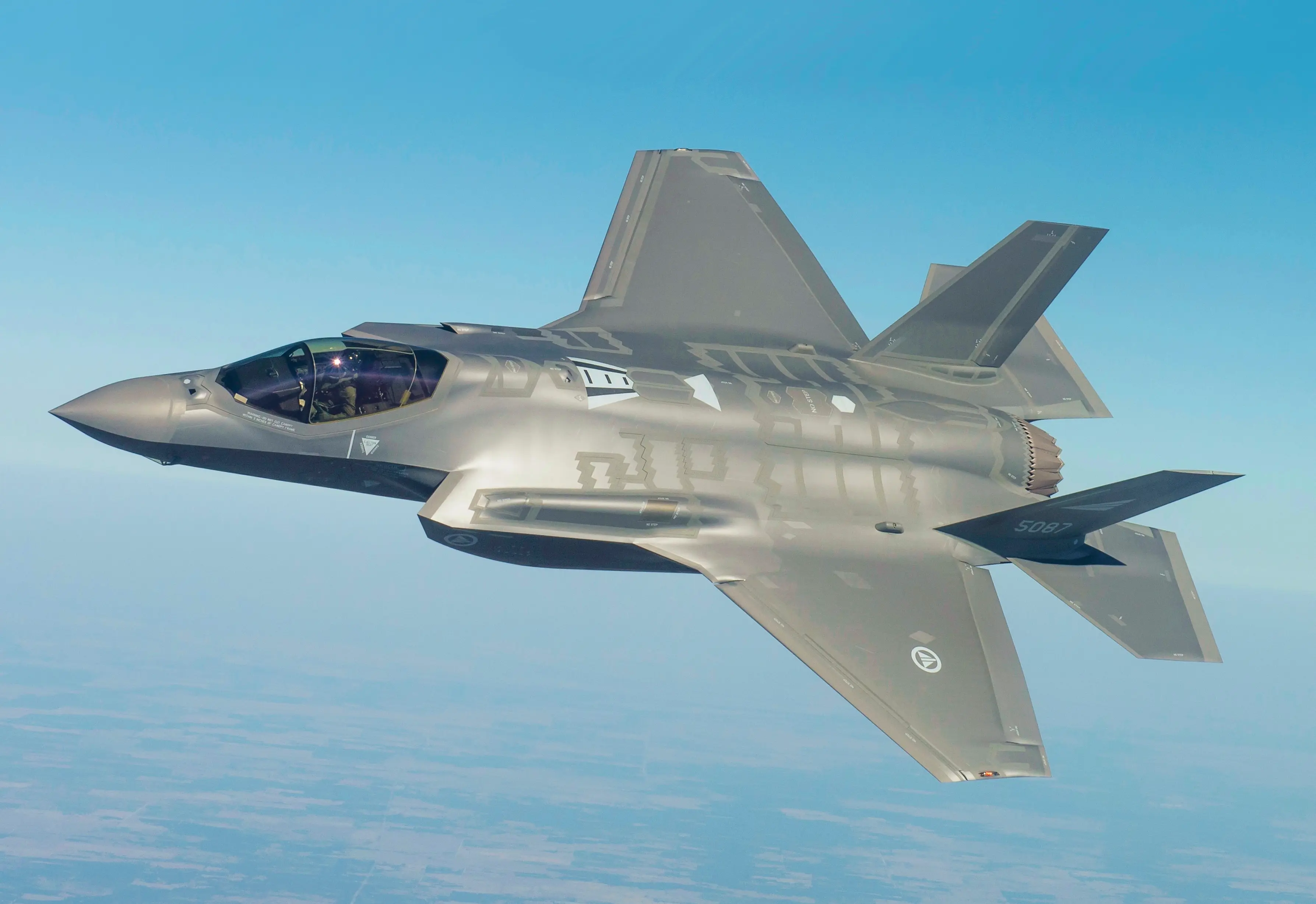
The aerial match-up
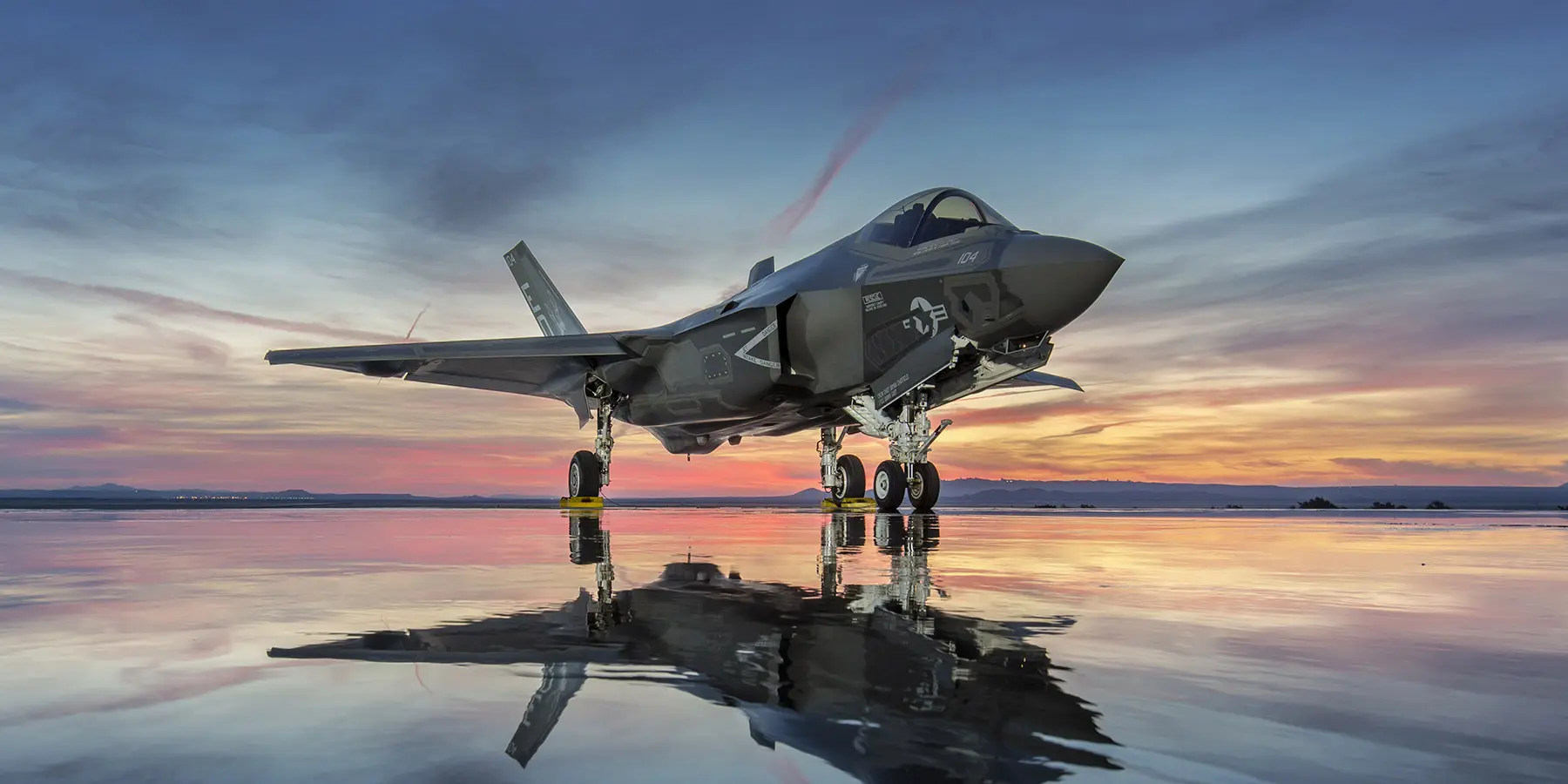
The US Air Force operates the world’s largest fleet of stealth aircraft, including hundreds of F-35s and F-22s designed to penetrate hostile airspace. In contrast, Iran relies on a 'layered defence' strategy, using mobile missile batteries to create overlapping kill zones rather than facing American jets head-on.
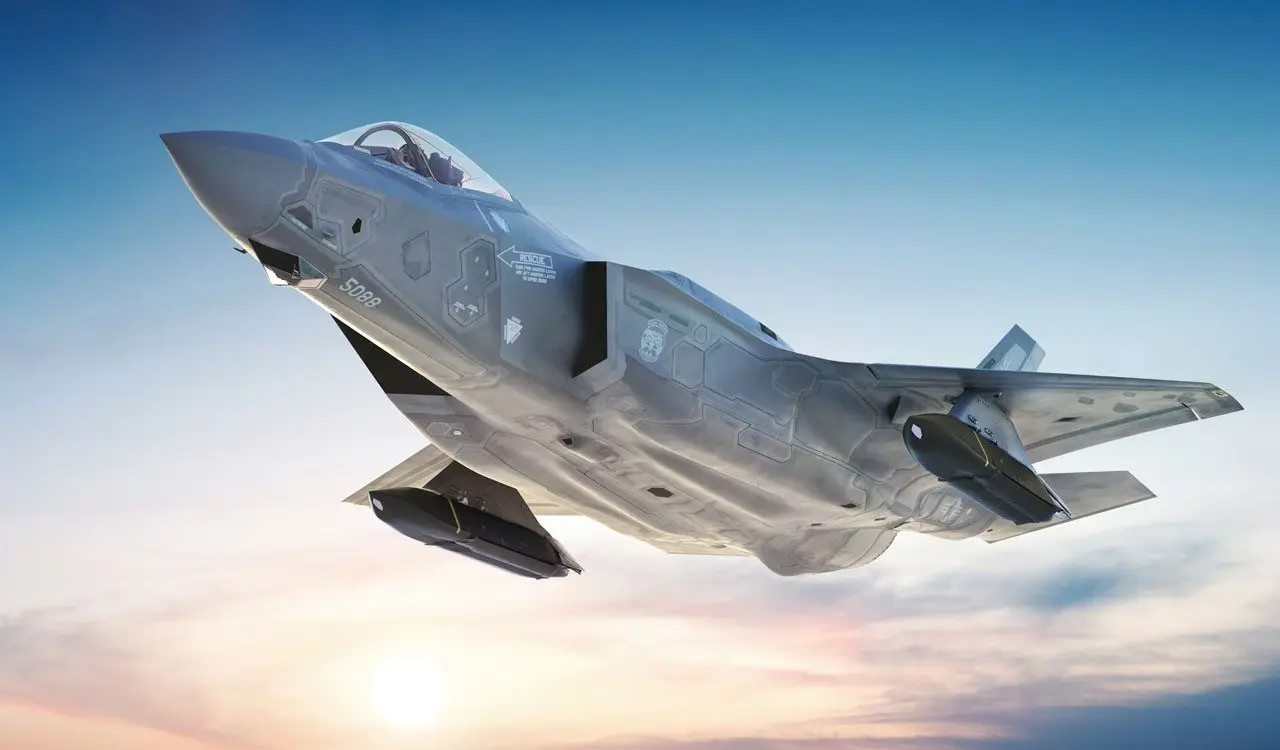
US stealth advantage
The Pentagon’s fifth-generation fighters, specifically the F-35 Lightning II, use low-observable technology to evade detection by standard radar systems. With over 1,000 F-35s globally operational, the US can conduct saturation strikes that overwhelm traditional air defence networks before they can lock on.
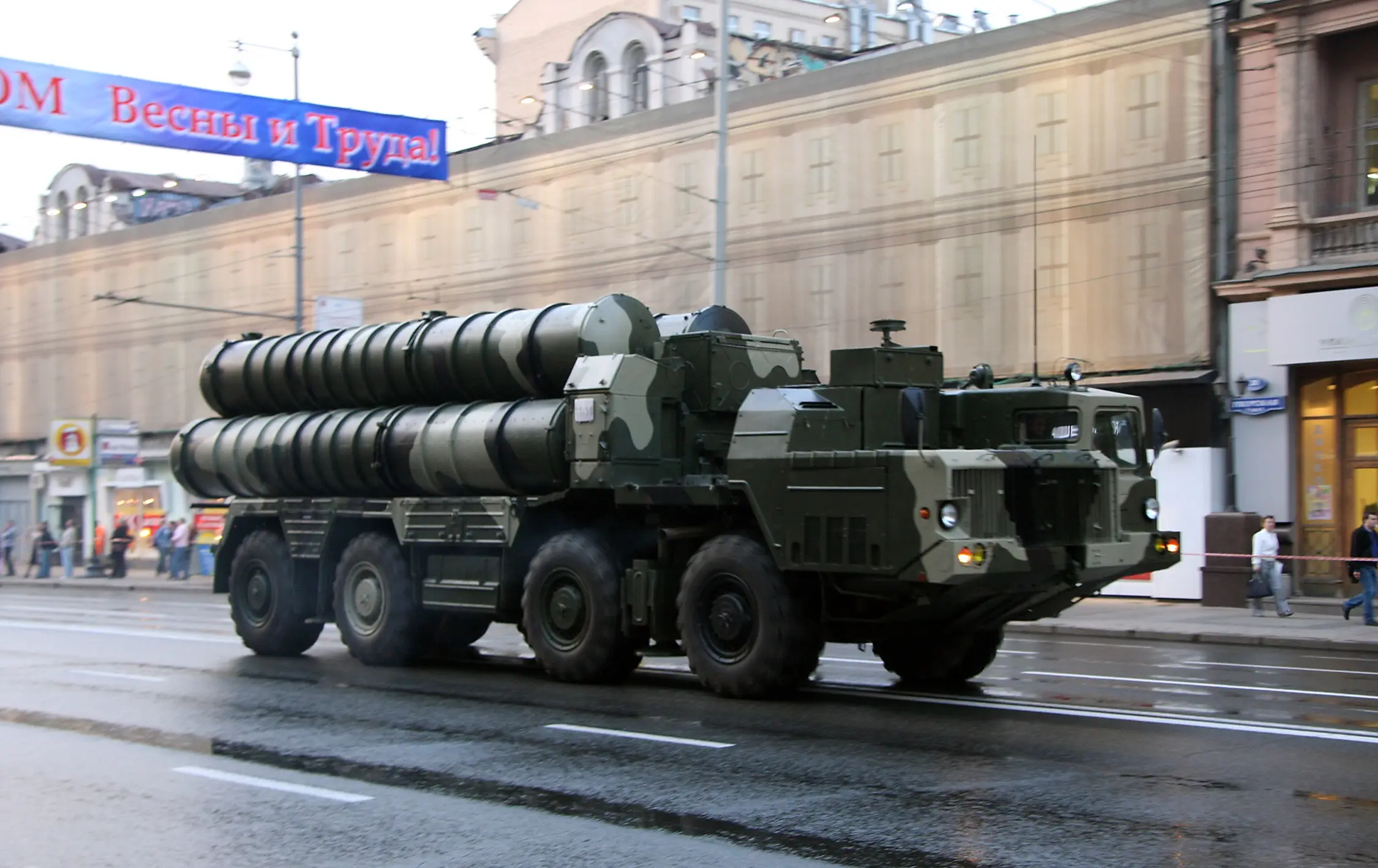
3 Iran’s long-range shield T
Tehran operates the Russian S-300 PMU2 system, which can engage aircraft up to 200 kilometres away and track multiple targets simultaneously. This system forces non-stealth US aircraft to stay at a distance, complicating support missions like refuelling or surveillance near Iranian borders.
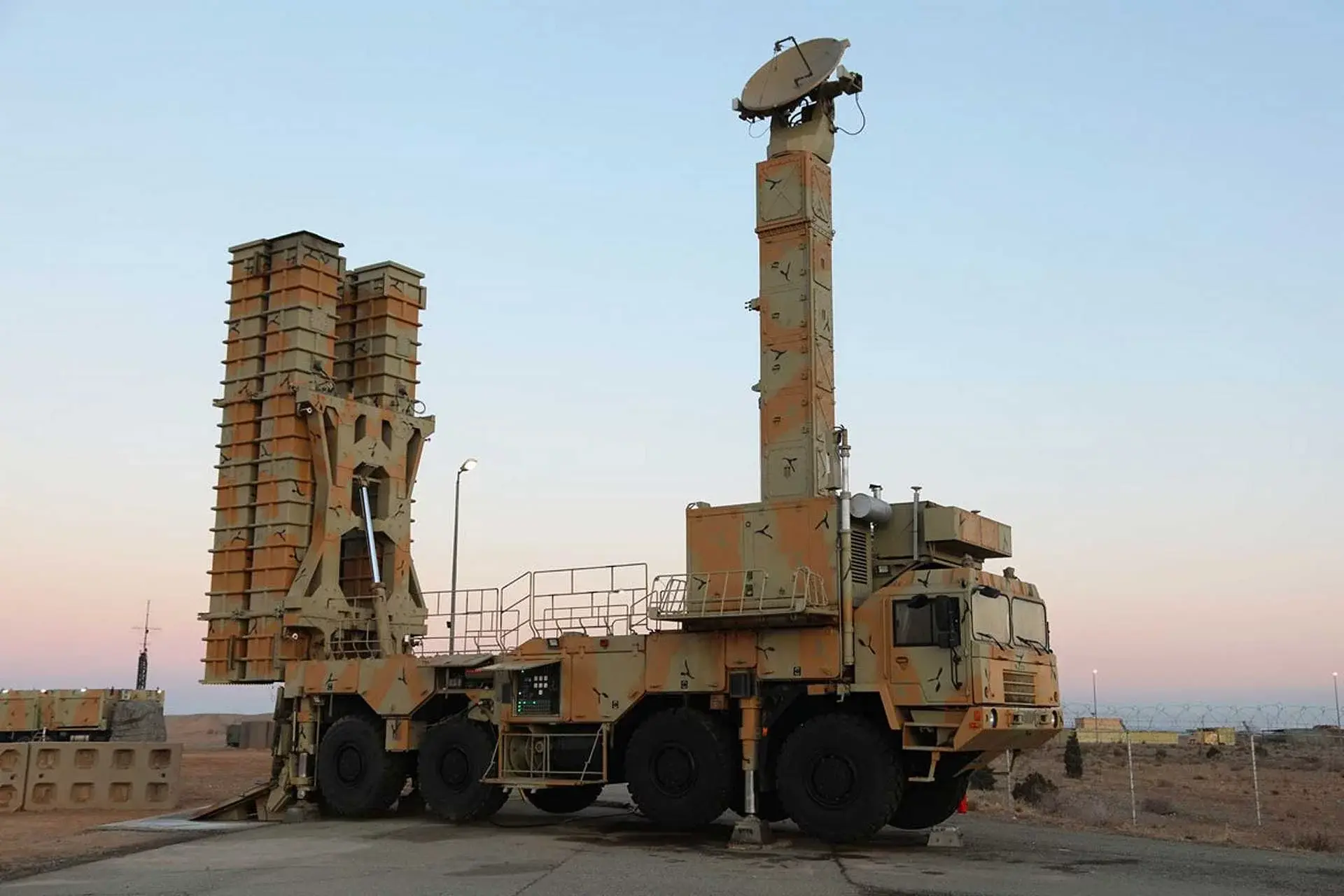
Homegrown Bavar-373
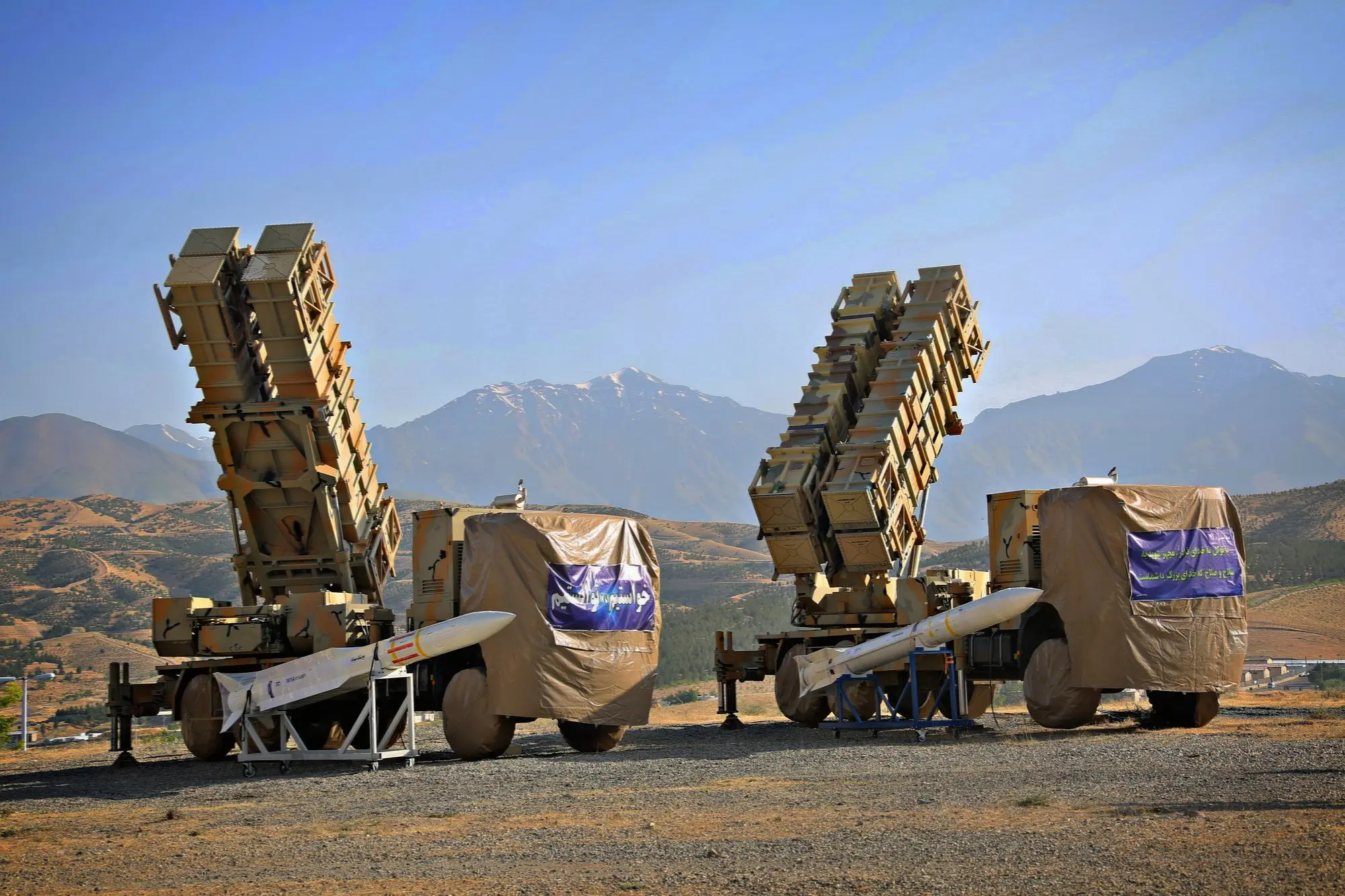
Iran’s domestically built Bavar-373 system claims a detection range of 450 kilometres and uses the Sayyad-4B missile to hit targets at 300 kilometres. Iranian officials state this mobile system can detect and engage stealth aircraft, though these claims remain untested in major combat.
The electronic battle
US aircraft employ advanced electronic warfare (EW) suites to jam enemy radar and disrupt communication links between missile batteries. Systems like the F-35’s sensor fusion can locate ground radars passively, allowing pilots to destroy air defences without emitting their own radar signals.
Khordad 15 and mobility
The mobile Khordad 15 system is designed to shoot down targets at a range of 150 kilometres and claims to detect stealth assets from 85 kilometres away. Its ability to ‘shoot and scoot’—firing and moving immediately—makes it difficult for US forces to locate and destroy effectively.
Geography as a weapon
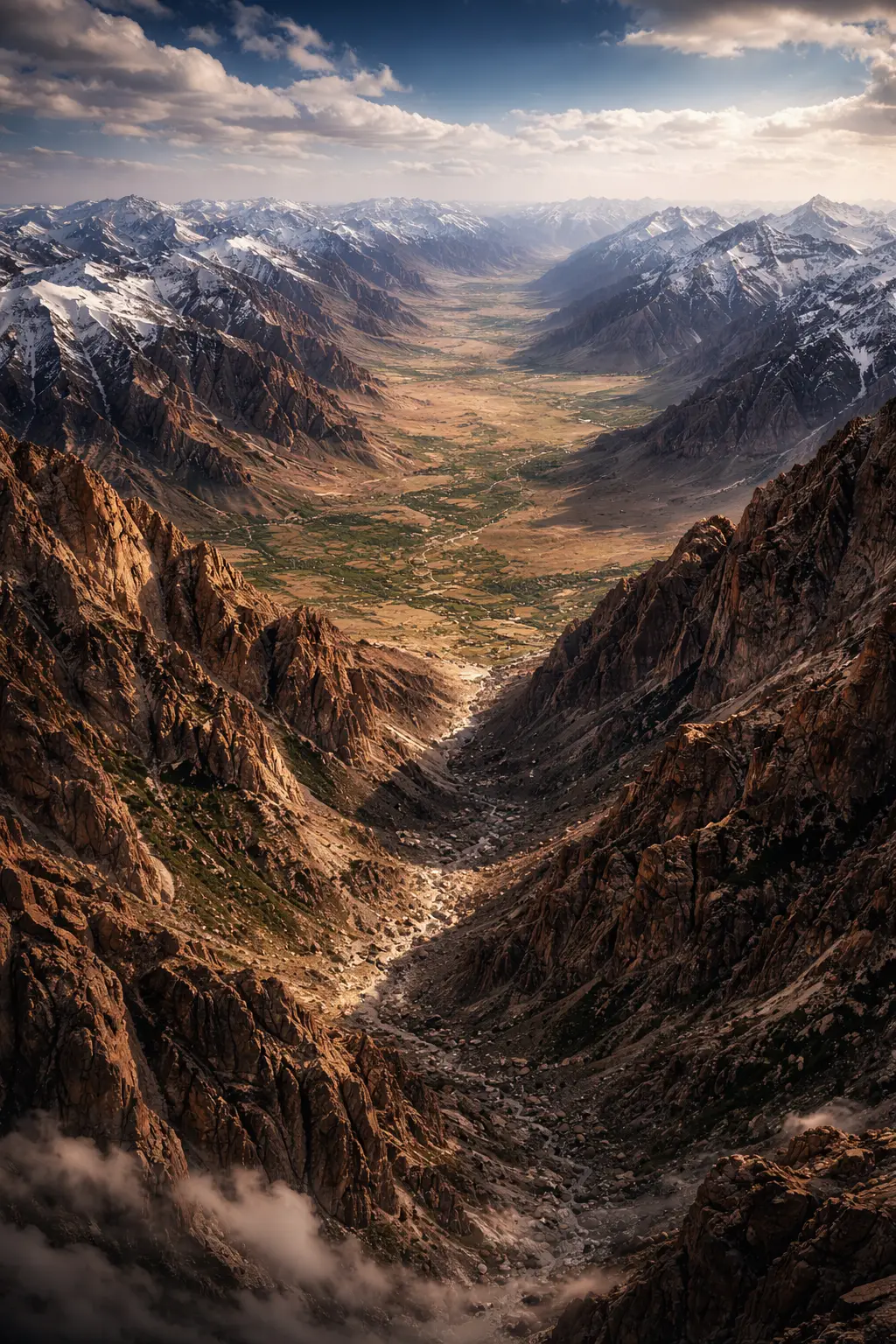
Iran’s mountainous terrain creates natural radar blind spots, allowing mobile launchers to hide in valleys and tunnels deep underground. This geography forces US aircraft to fly closer to targets to ensure destruction, bringing them within range of short-range Iranian air defences.
)
)
)
)
)