Who has the edge in case of war? Iran’s missiles vs US warship missile arsenals

The US Navy’s advanced Aegis system and SM-3 interceptors hold a clear technological edge over Iran’s large but less sophisticated missile arsenal.

Iran’s massive missile inventory
Tehran possesses the largest missile arsenal in the Middle East, estimated at over 3,000 ballistic missiles. Their strategy relies on saturating enemy defences with sheer volume, launching waves of projectiles simultaneously. Key weapons include the Sejjil and Ghadr, which can reach targets across the region.
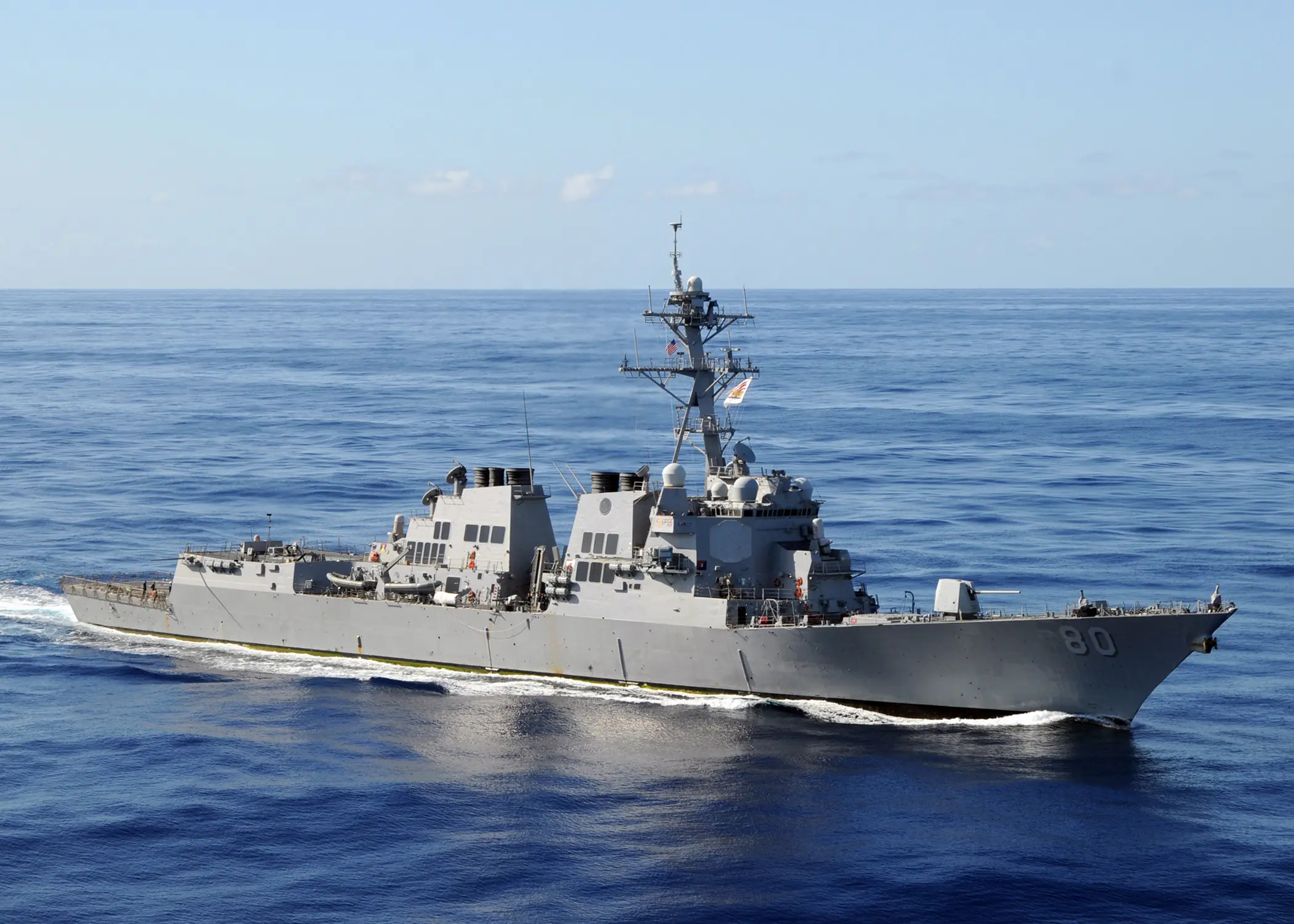
US floating fortresses
A single US Arleigh Burke-class destroyer carries over 90 vertical launch cells capable of firing diverse weapons. These warships serve as mobile missile batteries, seamlessly switching between air defence and land-attack missions. The US Navy operates roughly 70 of these sophisticated destroyers globally.
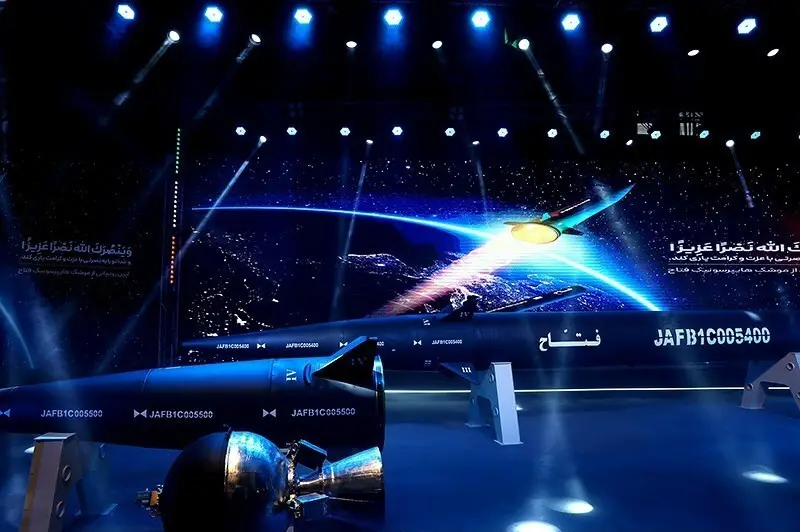
The hypersonic challenge
Iran recently unveiled the Fattah, a missile they claim travels at hypersonic speeds of Mach 13 to 15. Tehran asserts this weapon can manoeuvre in and out of the atmosphere to bypass traditional radar. Western analysts remain sceptical of its practical accuracy despite the bold speed claims.

The ultimate shield
The US Navy counters threats with the Aegis Combat System, a highly advanced automated command-and-control network. It uses powerful computers and radars to track hundreds of targets simultaneously. This system guides interceptors to destroy incoming missiles long before they reach their target.
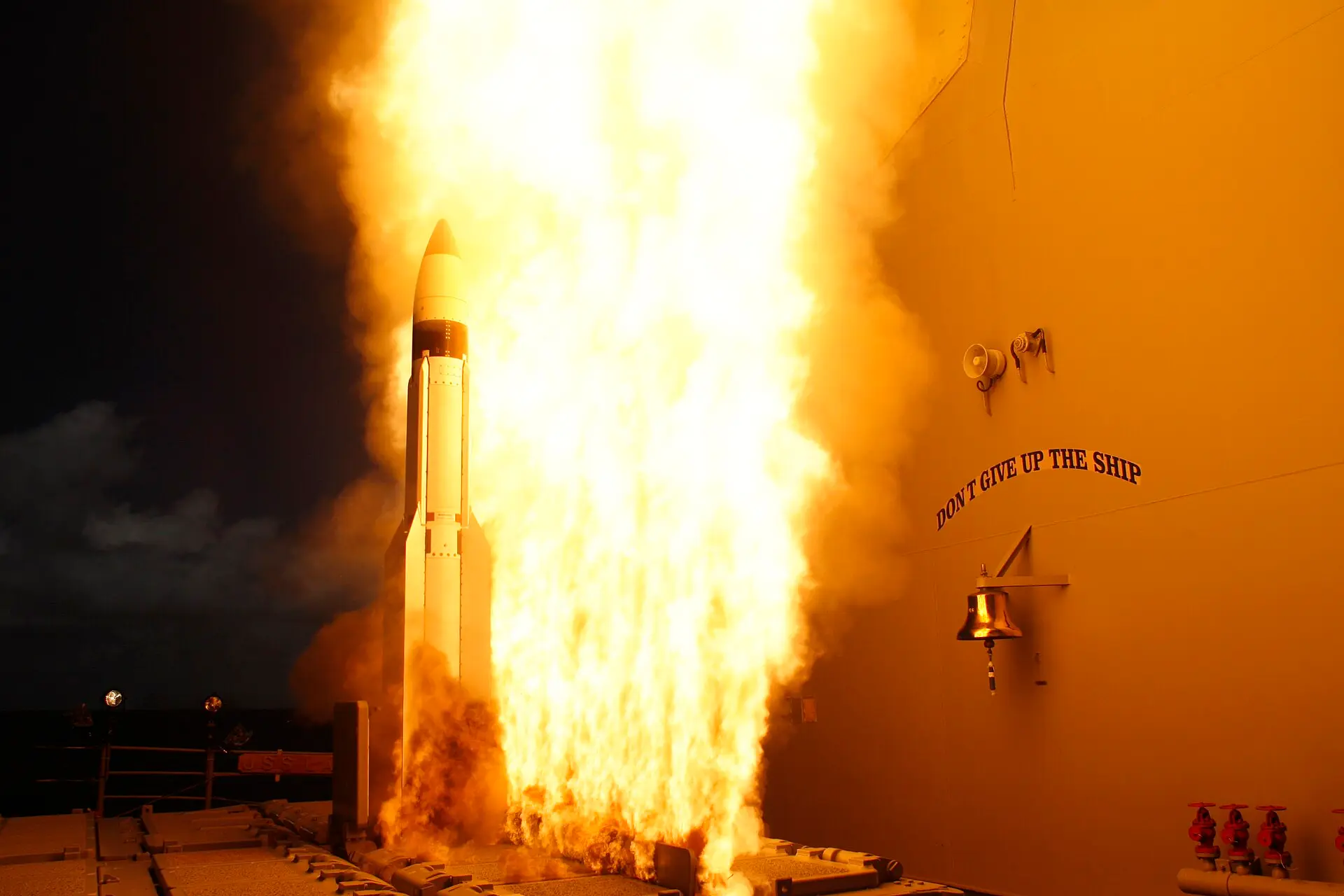
Hitting targets in space
The Standard Missile-3 (SM-3) is the jewel of American missile defence, designed to destroy ballistic threats outside the Earth’s atmosphere. The Block IIA variant uses a 'hit-to-kill' vehicle that collides with targets with immense force. It is capable of intercepting medium-range and even some intercontinental ballistic missiles.

Combat proven success
American systems have already demonstrated superiority in real-world scenarios. In April 2024, US warships successfully intercepted multiple Iranian ballistic missiles targeting Israel. This operational success proves the reliability of US naval defence against actual Iranian hardware.
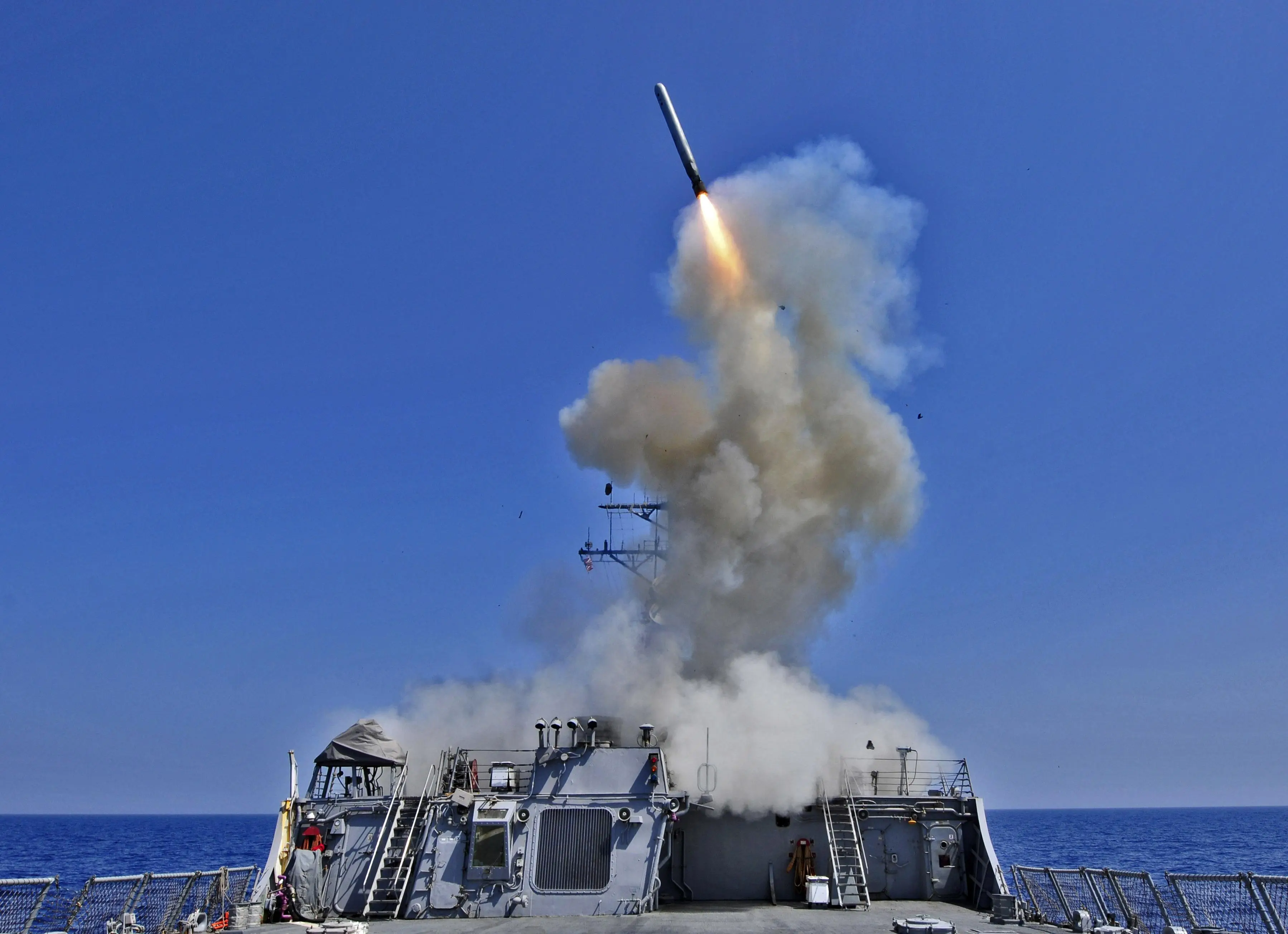
Precision over power
While Iran focuses on area bombardment, the US relies on the Tomahawk cruise missile for pinpoint strikes. These missiles can fly 1,000 miles, loiter over targets, and strike with extreme accuracy. This allows US forces to dismantle command centres without causing widespread collateral damage.
Advanced radar supremacy
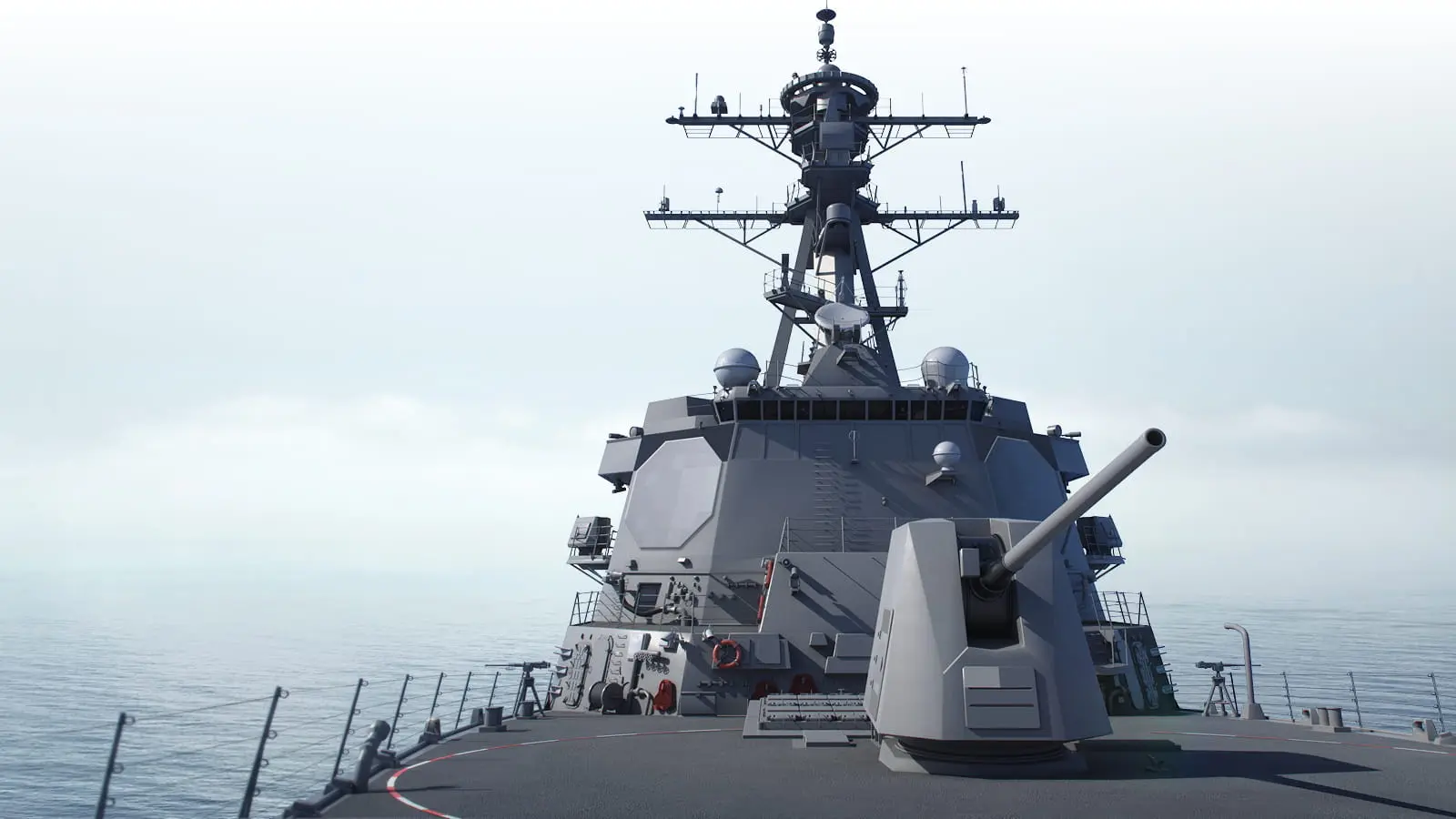
US ships employ the SPY-1 and the newer SPY-6 radar systems, which are significantly more powerful than Iranian ground-based equivalents. These radars can detect low-flying cruise missiles and high-altitude ballistic threats simultaneously. Their range and resolution provide a critical early warning advantage.
Defending against drones
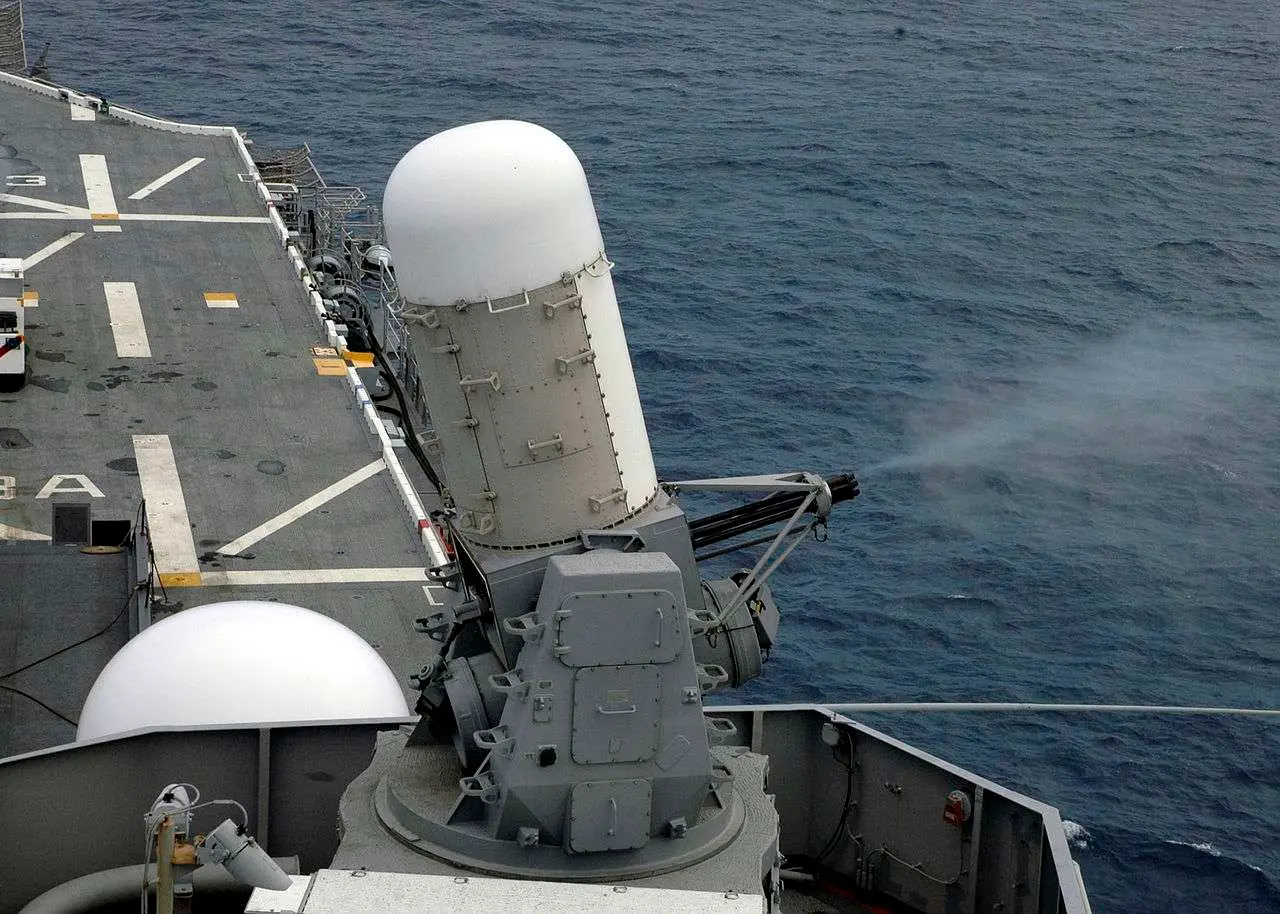
Iran often uses swarms of cheap drones to harass naval vessels, but the US has layered solutions. The Phalanx Close-In Weapon System (CIWS) fires thousands of rounds per minute to shred incoming threats. Additionally, new directed energy (laser) weapons are being deployed to disable drones silently and cheaply.

The technological verdict
While Iran can inflict damage through volume, the US Navy holds a distinct qualitative edge. The combination of networked fleets, space-capable interceptors, and proven combat performance creates a formidable barrier. Ultimately, superior technology and integration ensure US dominance in a potential conflict.
)
)
)
)
)