Who could succeed Xi Jinping? Meet the 5 most powerful men in China's Communist Party

Several top-ranking leaders within the CCP hold influential roles and are seen as potential future leaders, either by design or due to shifts in internal alliances. Here are five most powerful men associated with Xi.
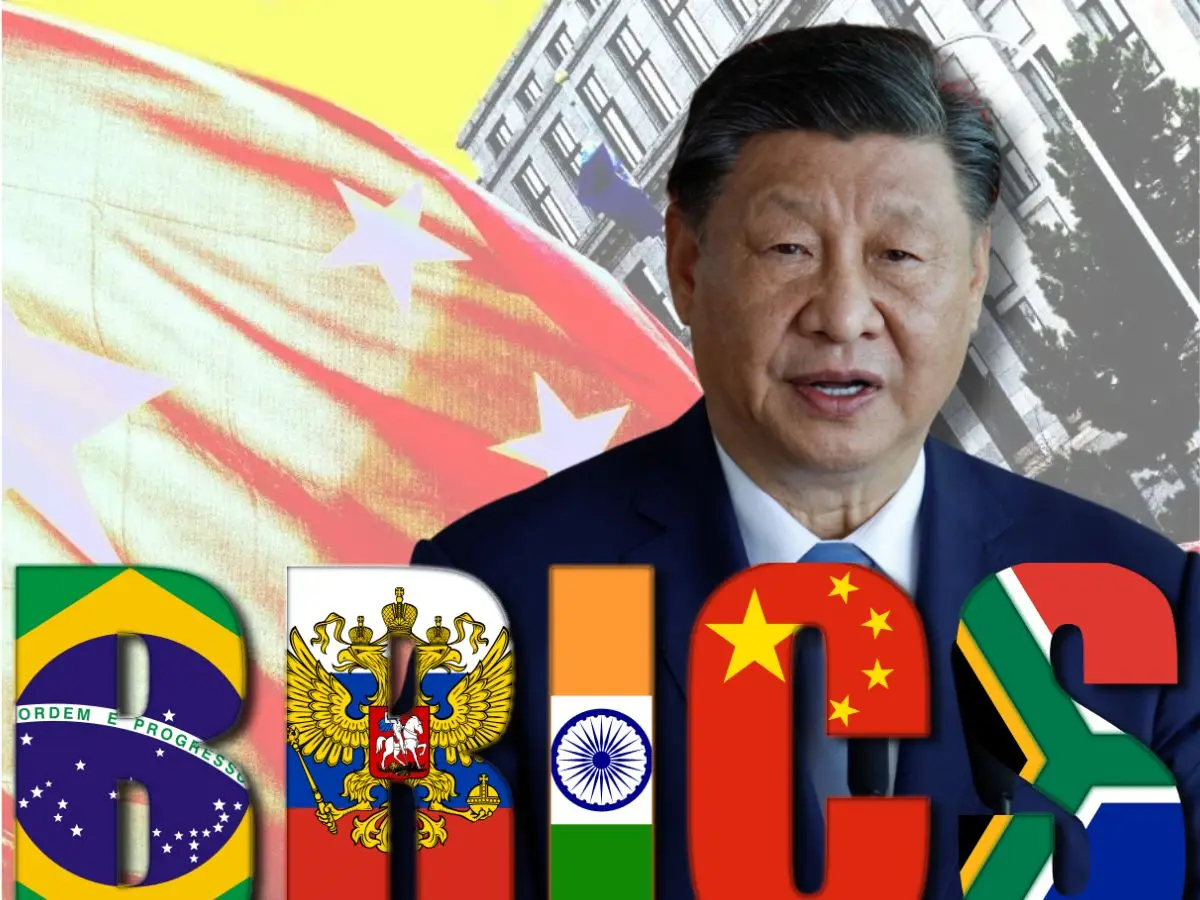
Xi’s Absence Raises Questions
Chinese President Xi Jinping’s sudden disappearance from public view has fuelled widespread speculation about possible shifts within China’s political leadership. With state media offering no explanation, questions have only intensified, especially following the recent reports that Xi is set to miss the upcoming BRICS Summit in Brazil, a first since taking office. Jinping's extended silence coincides with mounting domestic challenges, including economic uncertainty, military leadership changes, and evolving party rhetoric.
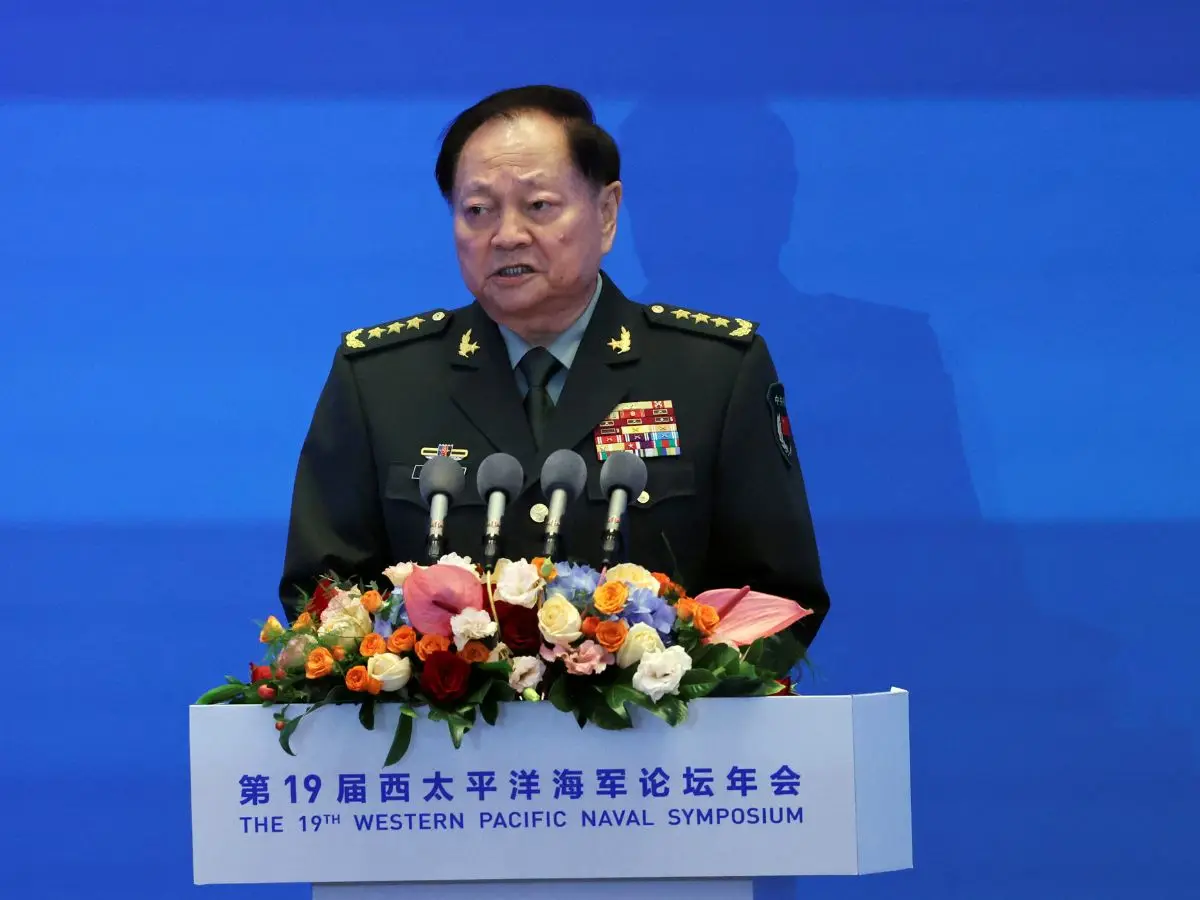
No Clear Successor, But Rising Figures
Notably, General Zhang Youxia, the first vice chairman of the Central Military Commission and a key military figure, is believed by some analysts to be consolidating influence during Xi’s absence. His reported backing by senior party figures close to former President Hu Jintao has further fuelled rumours of a possible power recalibration at the top. Although Xi remains firmly in charge, with no term limits since 2018, there is no designated successor. Yet, several top-ranking leaders within the CCP hold influential roles and are seen as potential future leaders, either by design or due to shifts in internal alliances. Here are five most powerful men associated with Xi.
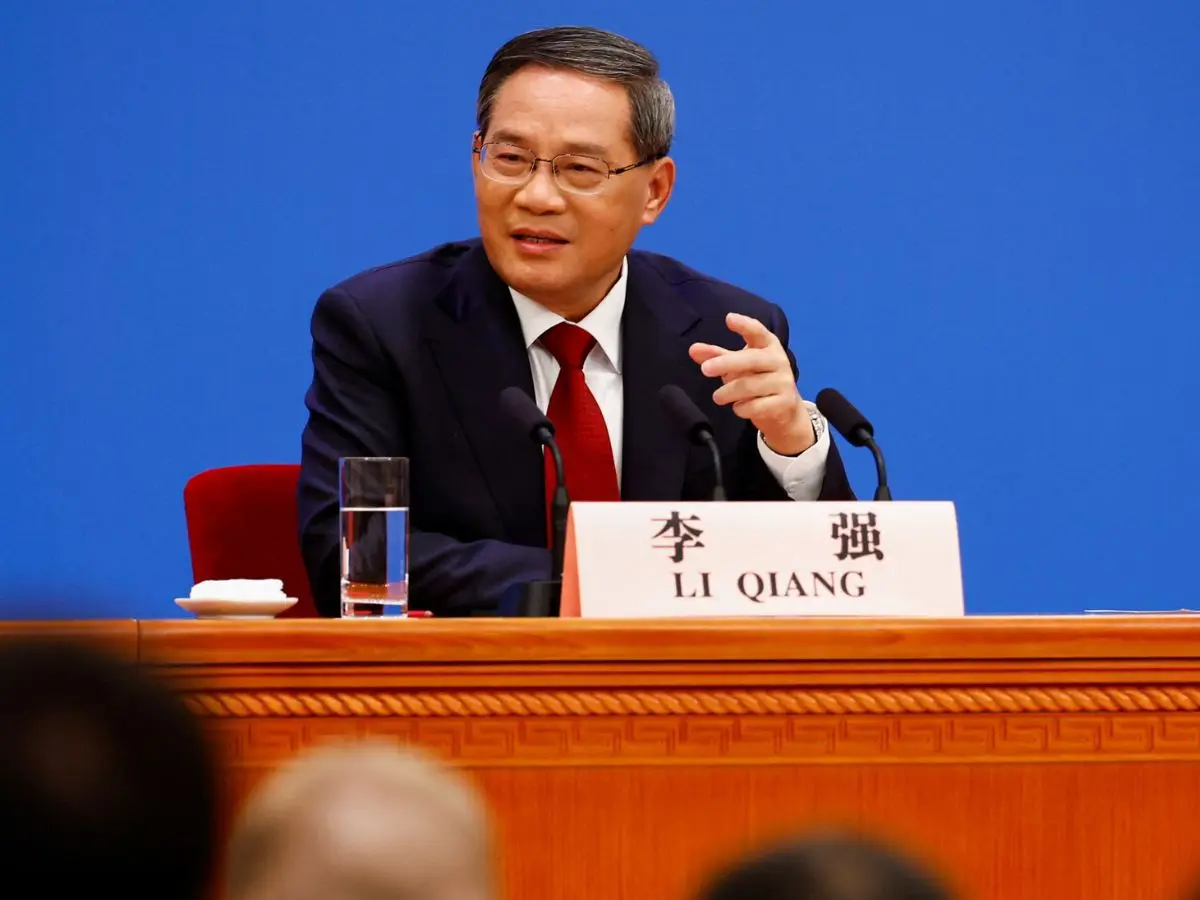
Li Qiang – Premier of China
A long-time ally of Xi, Li Qiang was appointed Premier in 2023. His leadership during Shanghai’s strict COVID-19 lockdowns and recent high-profile international appearances (including standing in for Xi at the G20) reflect his elevated status. As head of the State Council, he oversees China’s economy, making him the second most powerful figure in the government. He is also expected to participate in the upcoming BRICS summit in Xi's absence.
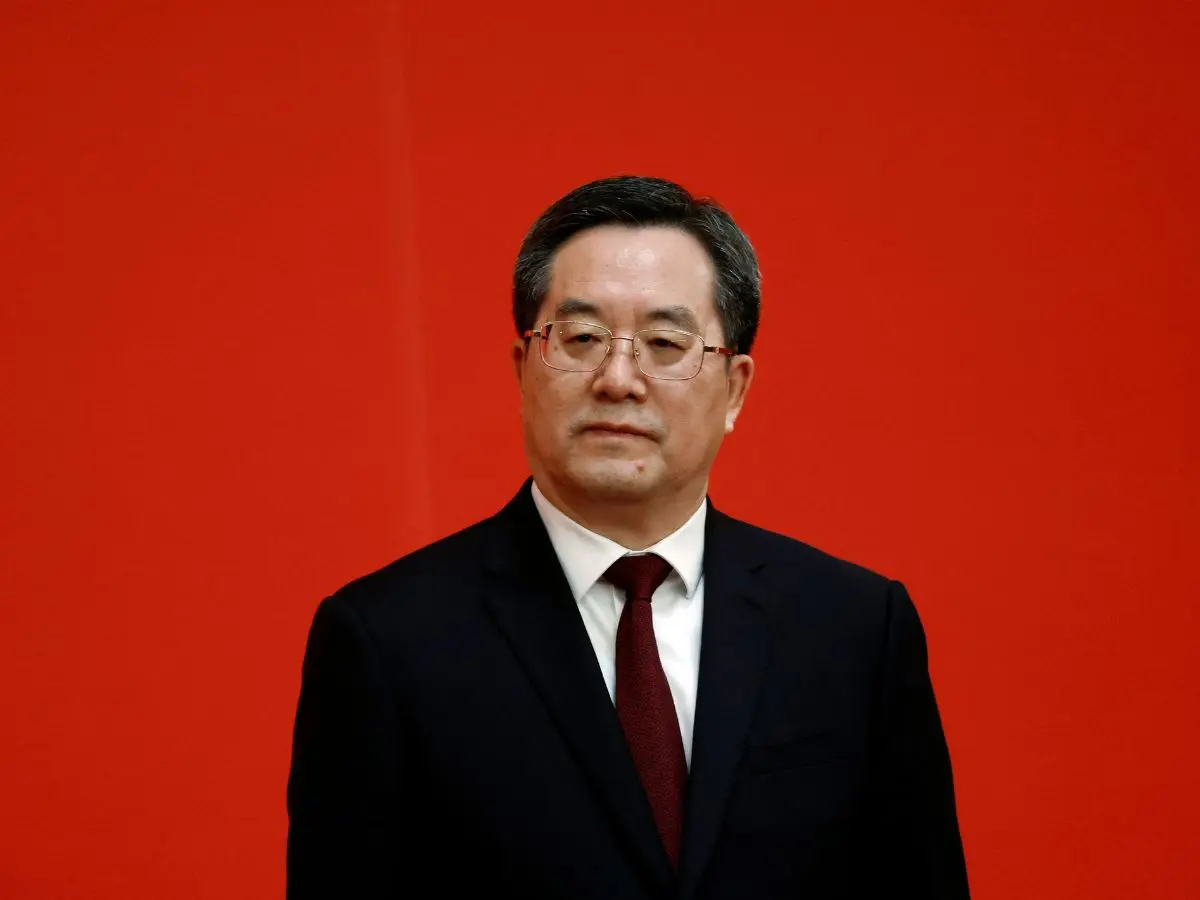
Ding Xuexiang – First Vice Premier and Politburo Standing Committee Member
Ding has served as Xi Jinping’s chief of staff and is often seen as his closest aide. He rose rapidly without holding provincial leadership roles—a sign of direct trust from Xi. He now manages key areas of policy coordination, and his proximity to power makes him a central player.
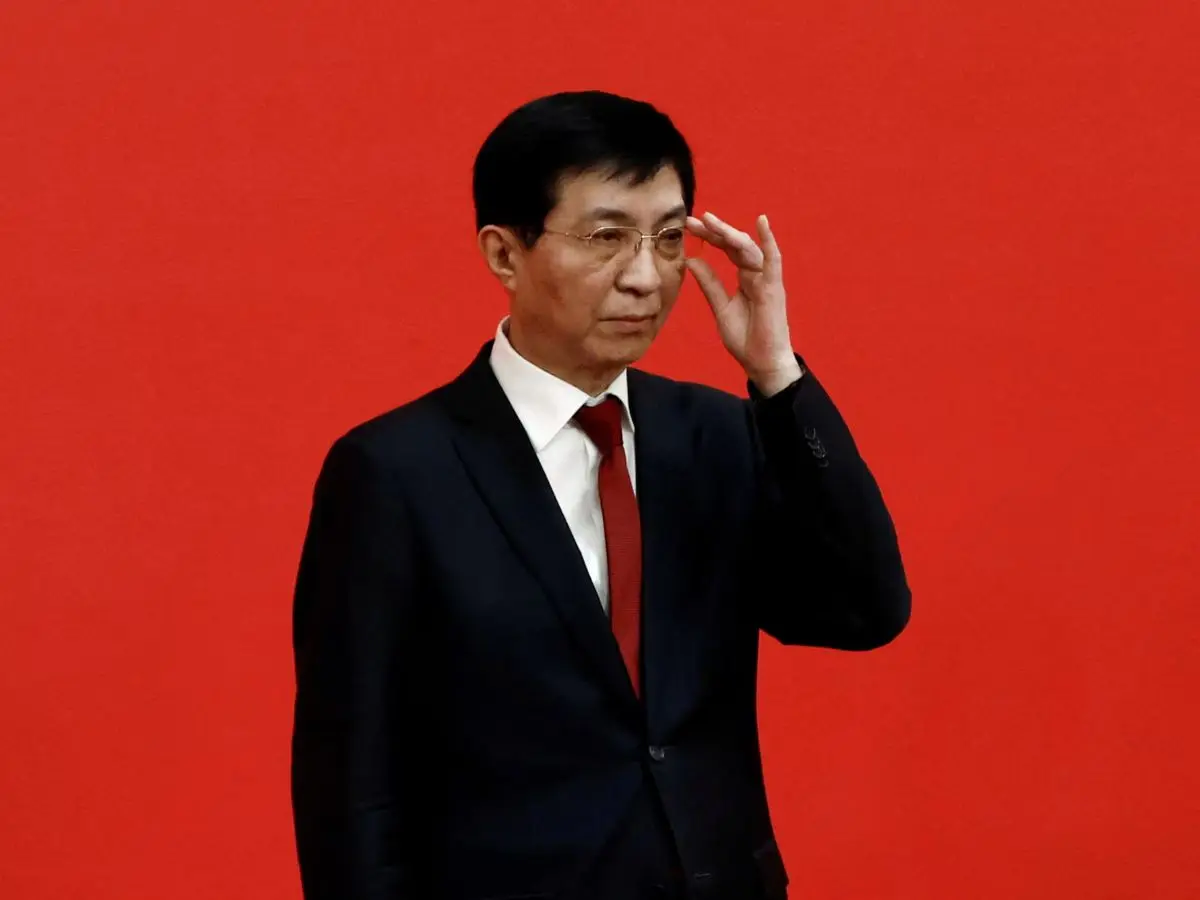
Wang Huning- Chairman, Chinese People’s Political Consultative Conference
Known as the party’s chief theorist, Wang has served three presidents. His influence over ideology, including shaping 'Xi Jinping Thought', gives him long-term strategic importance. However, he lacks administrative experience, making him a likely kingmaker rather than a front-runner.
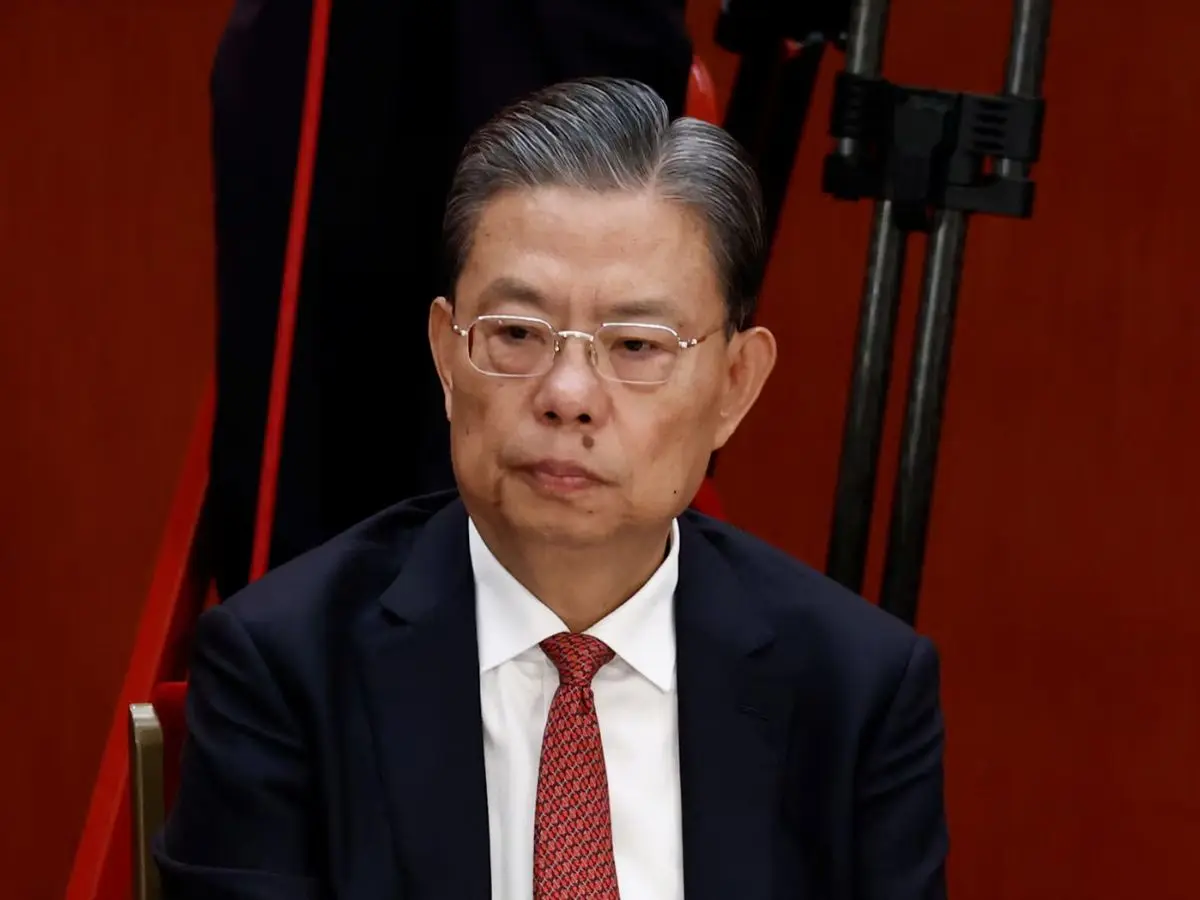
Zhao Leji – Chairman of the National People’s Congress
Former anti-corruption tsar, Zhao is a senior member of the Politburo Standing Committee. His current role in the national legislature grants him visibility and authority, especially over constitutional and legal matters. He remains a key institutional figure.
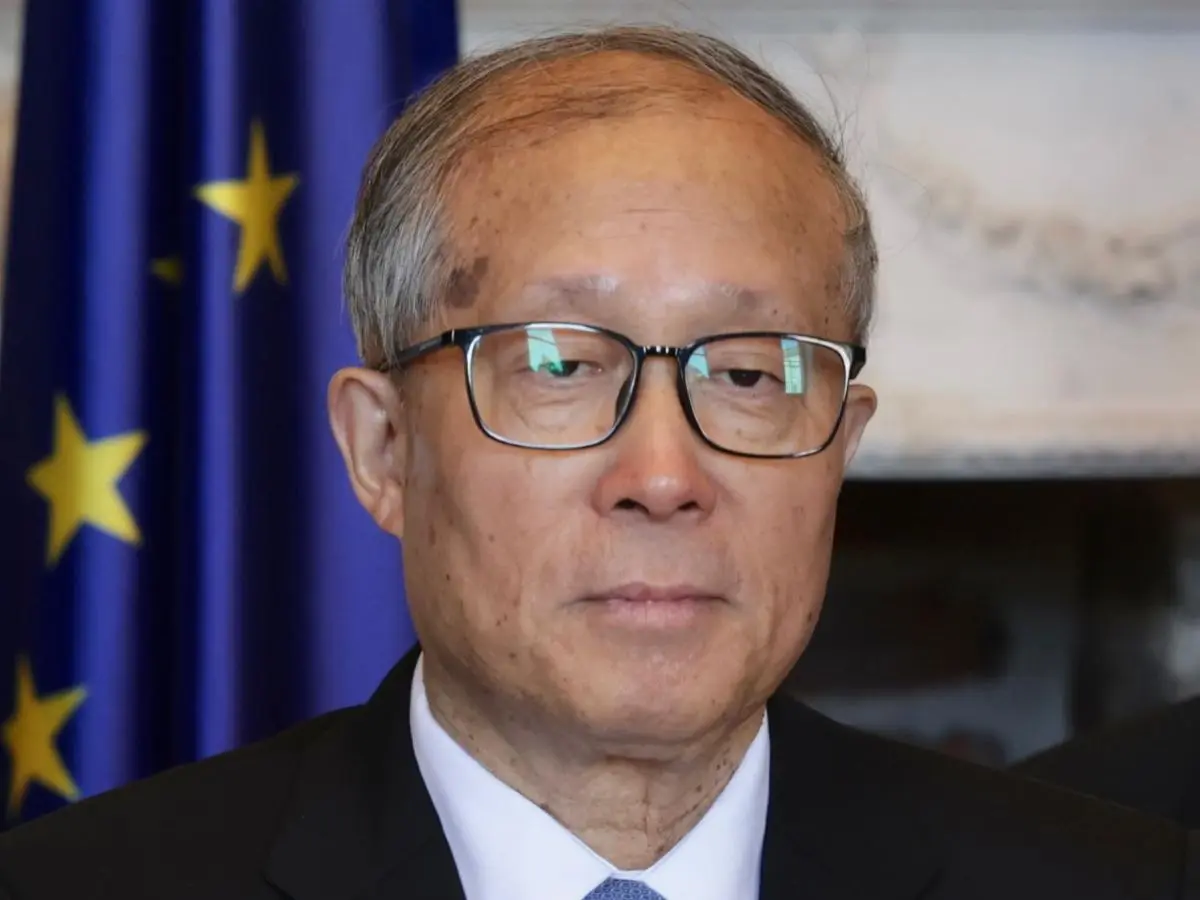
Li Hongzhong – Vice Chairman, National People’s Congress
A senior party figure and loyalist, Li is known for rising through regional ranks. While not as visible internationally, his growing influence within party structures and loyal support to Xi places him among the influential contenders.
Closing Note
In China’s tightly controlled political system, power transitions are opaque and often unexpected. While Xi Jinping retains full authority, these five figures are shaping the party’s future direction—and potentially positioning themselves for leadership in a post-Xi era.
)
)
)
)
)