Who controls the sky? 5 most advanced military satellites in orbit

Five top military satellites From GPS to Beidou, military satellites power navigation, communication, and precision strikes for nations like the US, Russia, China, India, and the UK play vital roles in navigation, communication, and intelligence.
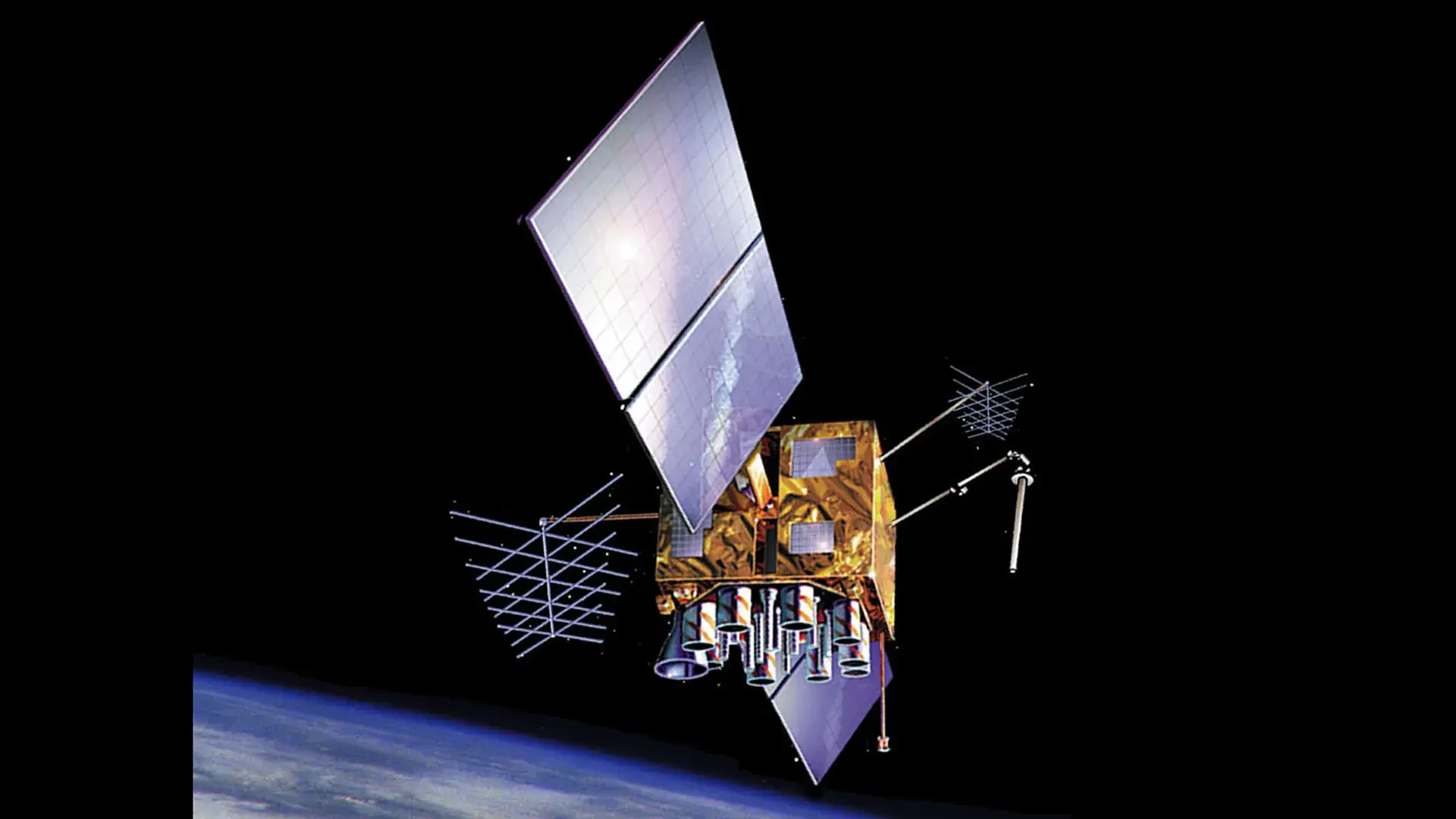
Navstar GPS - American satellite
The Navstar Global Positioning System, or GPS, is the United States military’s main navigation satellite network. It provides precise location and time data worldwide for both military and civilian use. According to Lockheed Martin, GPS supports critical operations from precision strikes to troop movement.
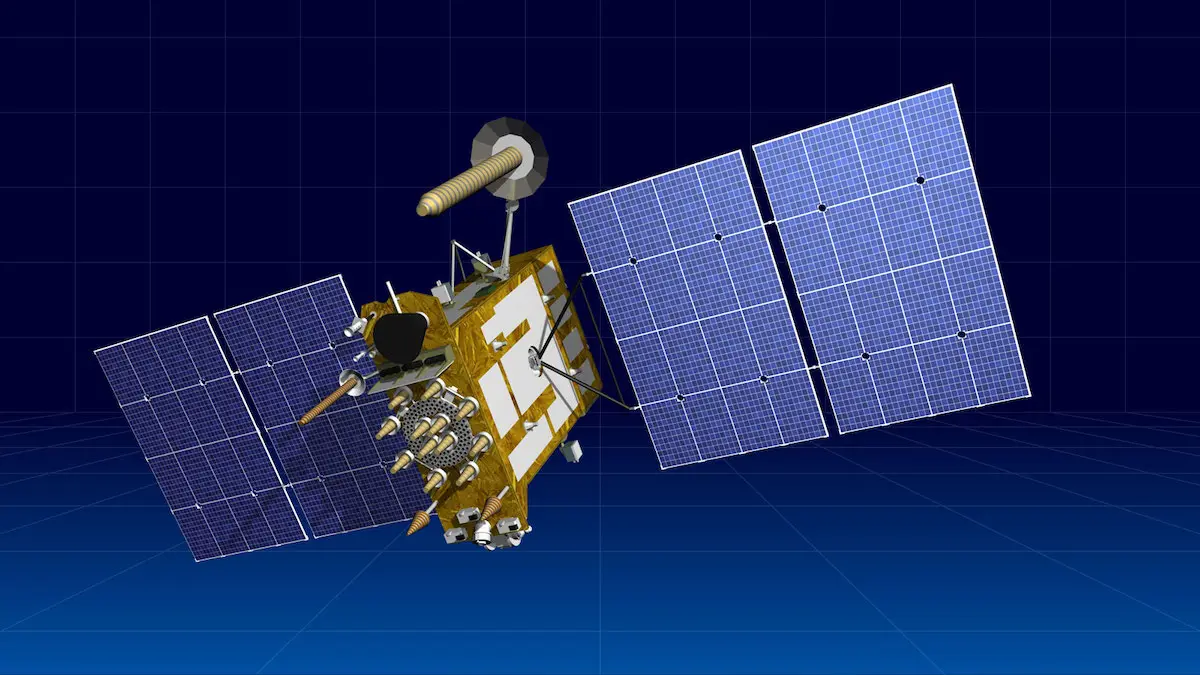
GLONASS Russia’s positioning power
GLONASS is Russia’s alternative to GPS. Its satellites provide reliable positioning and timing for the Russian military and allied forces. Defence reports say the system strengthens operational effectiveness and supports missile guidance in all conditions and terrains.
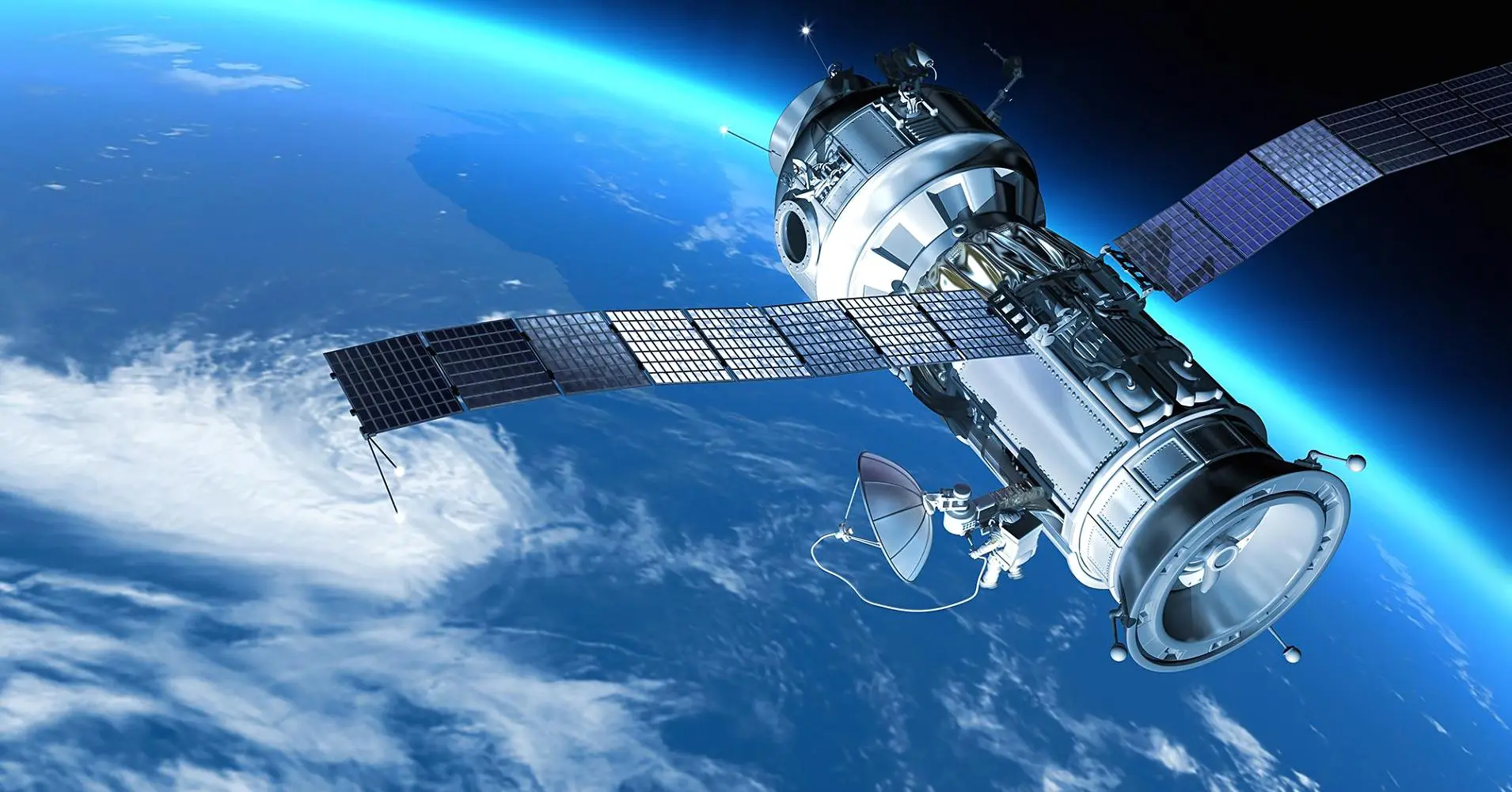
Beidou - China’s satellite system
China’s Beidou network delivers global navigation and timing services and is central to its military strategies. China Aerospace Corp notes that Beidou boosts missile accuracy, battlefield communication and troop coordination worldwide, making it a strong rival to GPS and GLONASS.
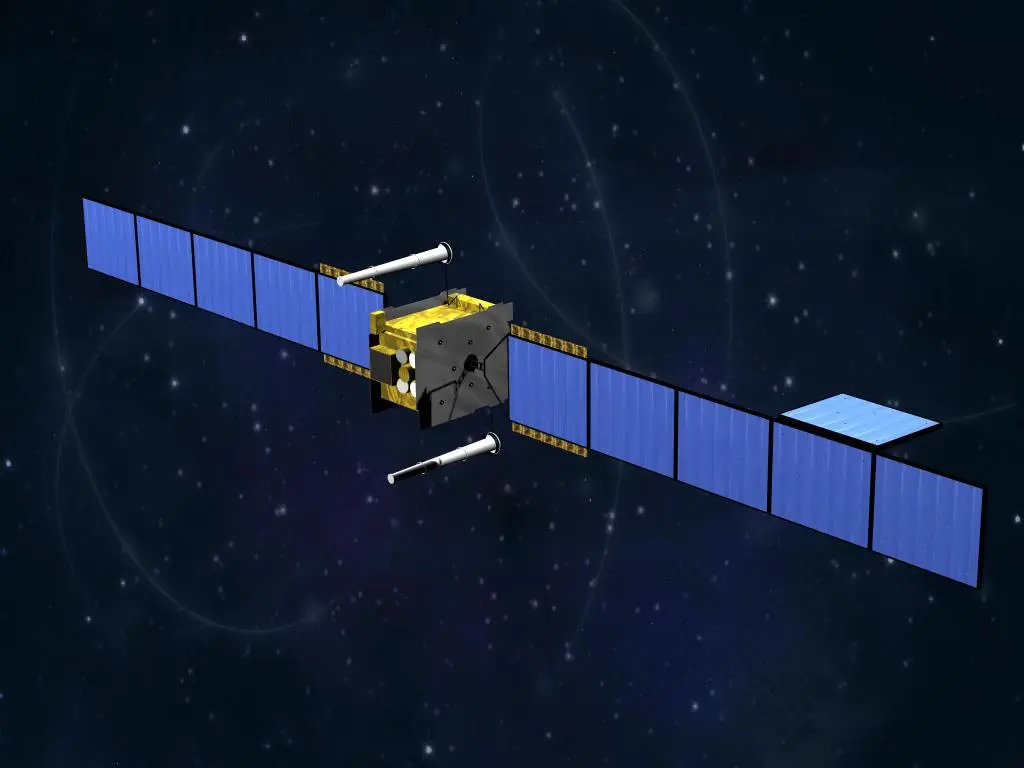
Skynet Britain’s military communication hub
Skynet is a series of British military communication satellites. The UK Ministry of Defence says they ensure secure and reliable communications for the Royal Armed Forces and allied partners, both in combat zones and peacekeeping missions.
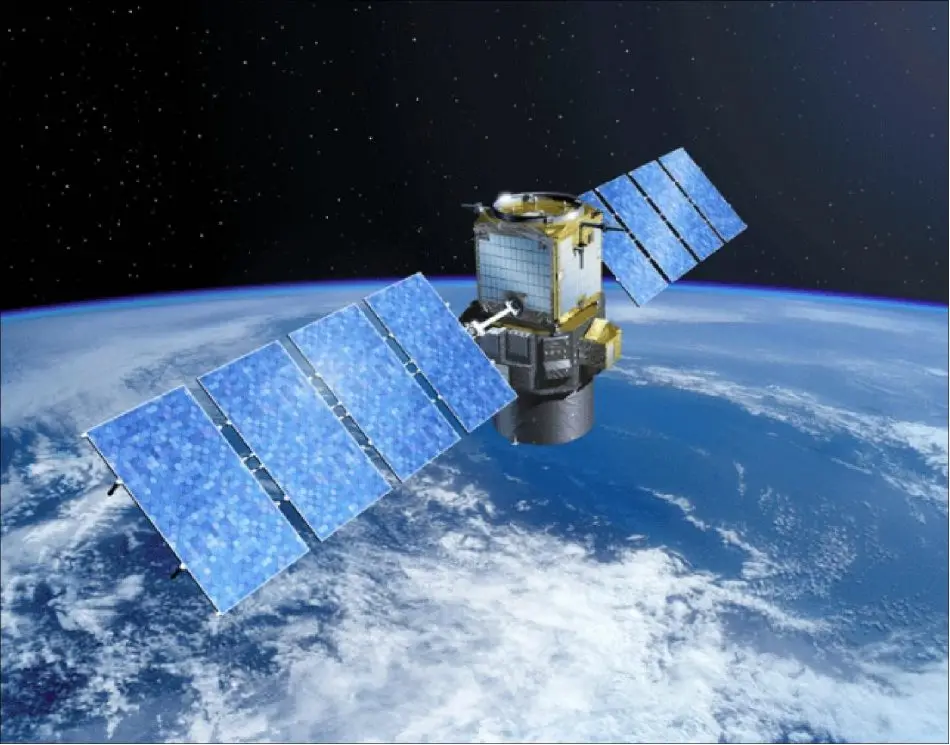
GSAT - India’s satellite
India’s GSAT satellites, including GSAT 7, known as Rukmini, and GSAT 7A, often called Angry Bird. It focuses on defence communication and surveillance. Reports from ISRO and Indian defence sources highlight how these satellites strengthen naval and air force operations. Upcoming RISAT satellites will further enhance radar imaging capabilities.
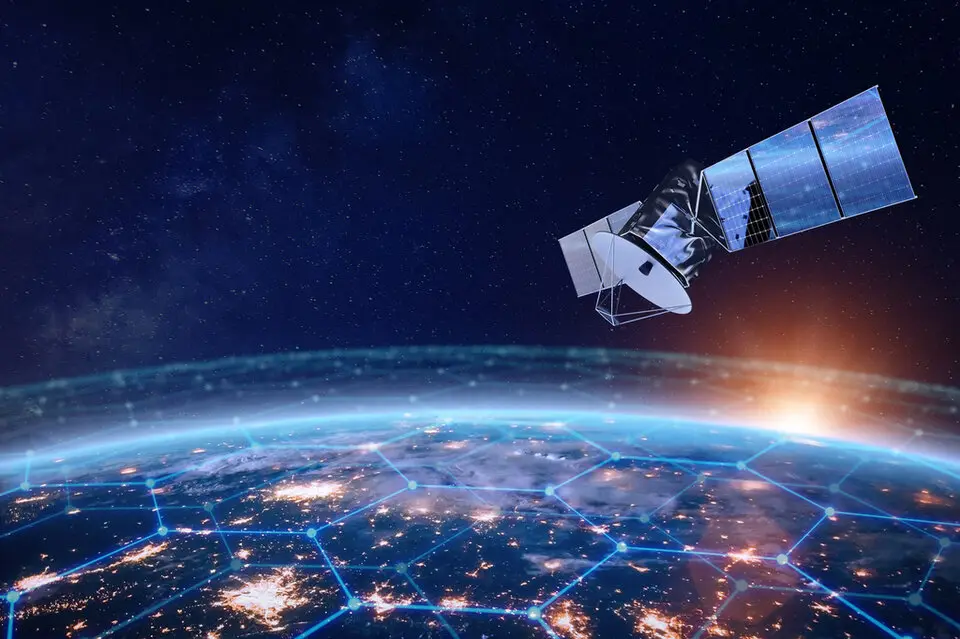
The future of military satellites
Nations are investing in next-generation satellites that offer stealth features, sharper imaging and faster data transfer. Defence experts believe space is becoming the new battlefield, with satellites holding a central role in security and future conflict.
)
)
)
)
)