Who are the 5 Nobel Peace Prize judges behind María Corina Machado’s 2025 win over Trump?

The announcement came amid intense speculation that former US President Donald Trump might be in contention. This year, the prize attracted 338 nominations, comprising 244 individuals and 94 organisations.
Introduction: A Historic Decision Amid Global Attention
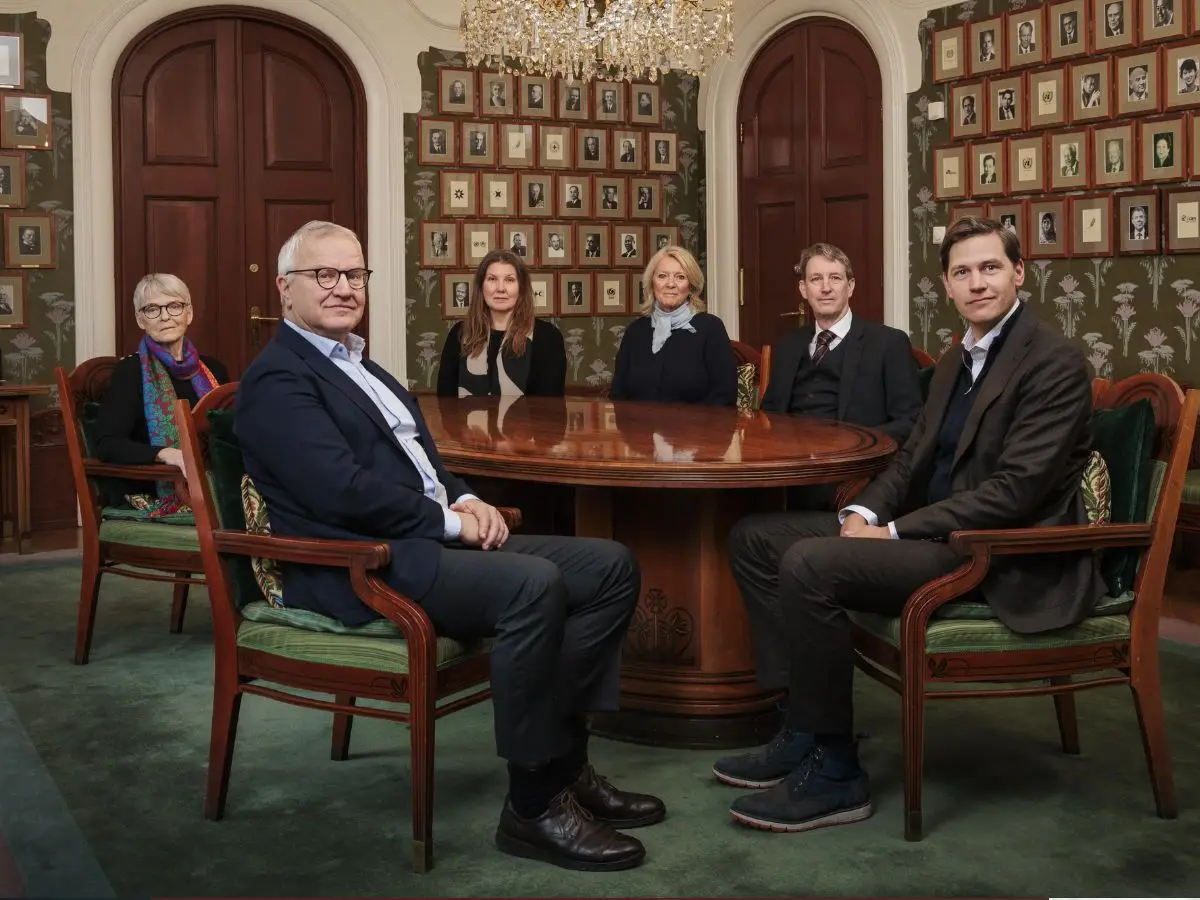
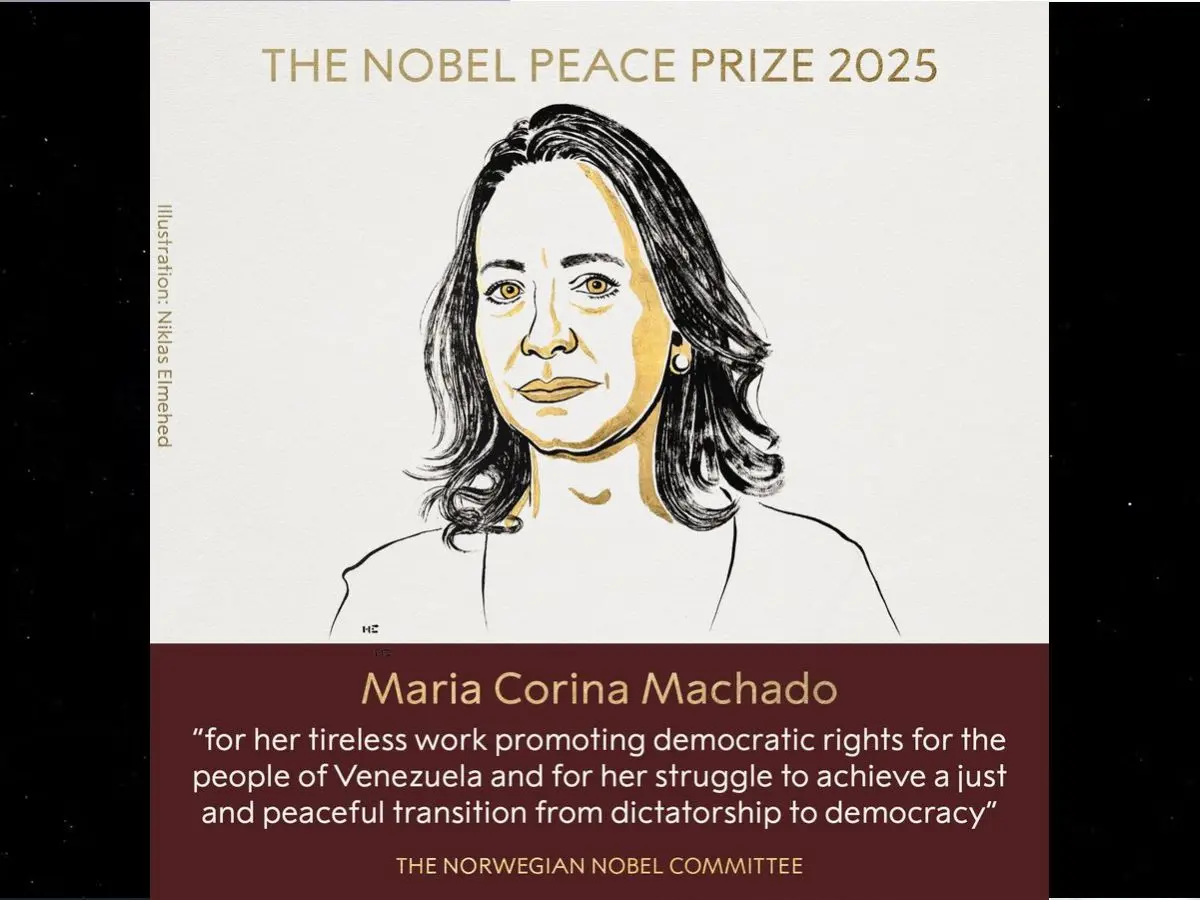
In 2025, the Norwegian Nobel Committee awarded the Nobel Peace Prize to Venezuelan opposition leader María Corina Machado in recognition of her relentless efforts to advance democracy and human rights in Venezuela. The announcement came amid intense speculation that former US President Donald Trump might be in contention. This year, the prize attracted 338 nominations, comprising 244 individuals and 94 organisations. Trump had openly expressed his ambition to receive the award, citing his role in mediating or helping ease tensions in conflicts across the globe, including Armenia and Azerbaijan, Cambodia and Thailand, Israel and the Palestinian territories, Rwanda and the Democratic Republic of Congo, Egypt and Ethiopia, and Serbia and Kosovo, though experts consider his chances slim.
The Nobel Committee's Rationale
In its announcement, the Norwegian Nobel Committee praised Machado as a "brave and committed champion of peace," recognising her efforts to uphold democracy amid escalating political repression in Venezuela. The committee emphasised that "democracy depends on people who refuse to stay silent," underscoring Machado's role in advocating for free and fair elections in the face of authoritarianism.
Jørgen Watne Frydnes – Chair of the Committee
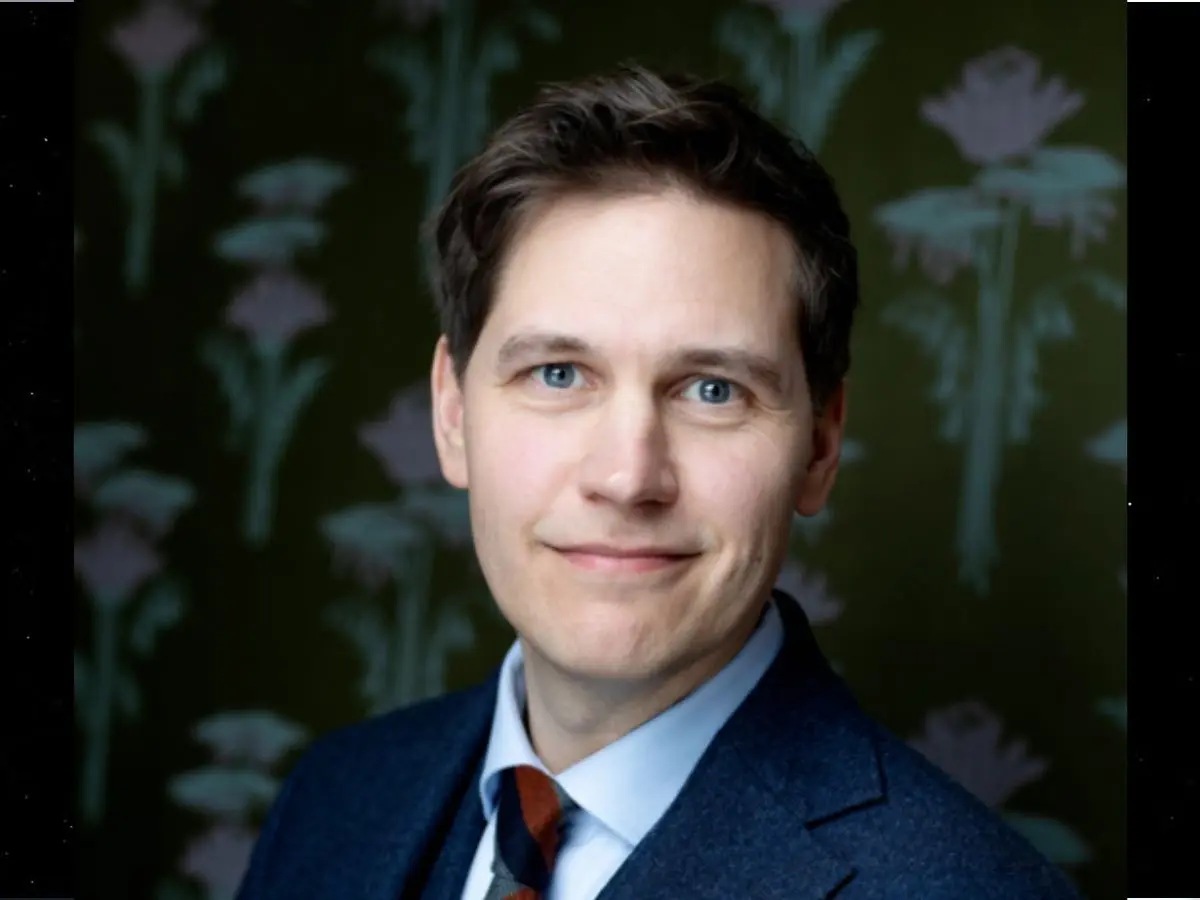
Jørgen Watne Frydnes serves as the chair of the Norwegian Nobel Committee. A seasoned human rights advocate, he previously led the Norwegian Refugee Council and has extensive experience in humanitarian work. As chair, Frydnes guides the committee’s deliberations, ensuring adherence to Alfred Nobel’s principles when selecting laureates.
Asle Toje – Vice Chair
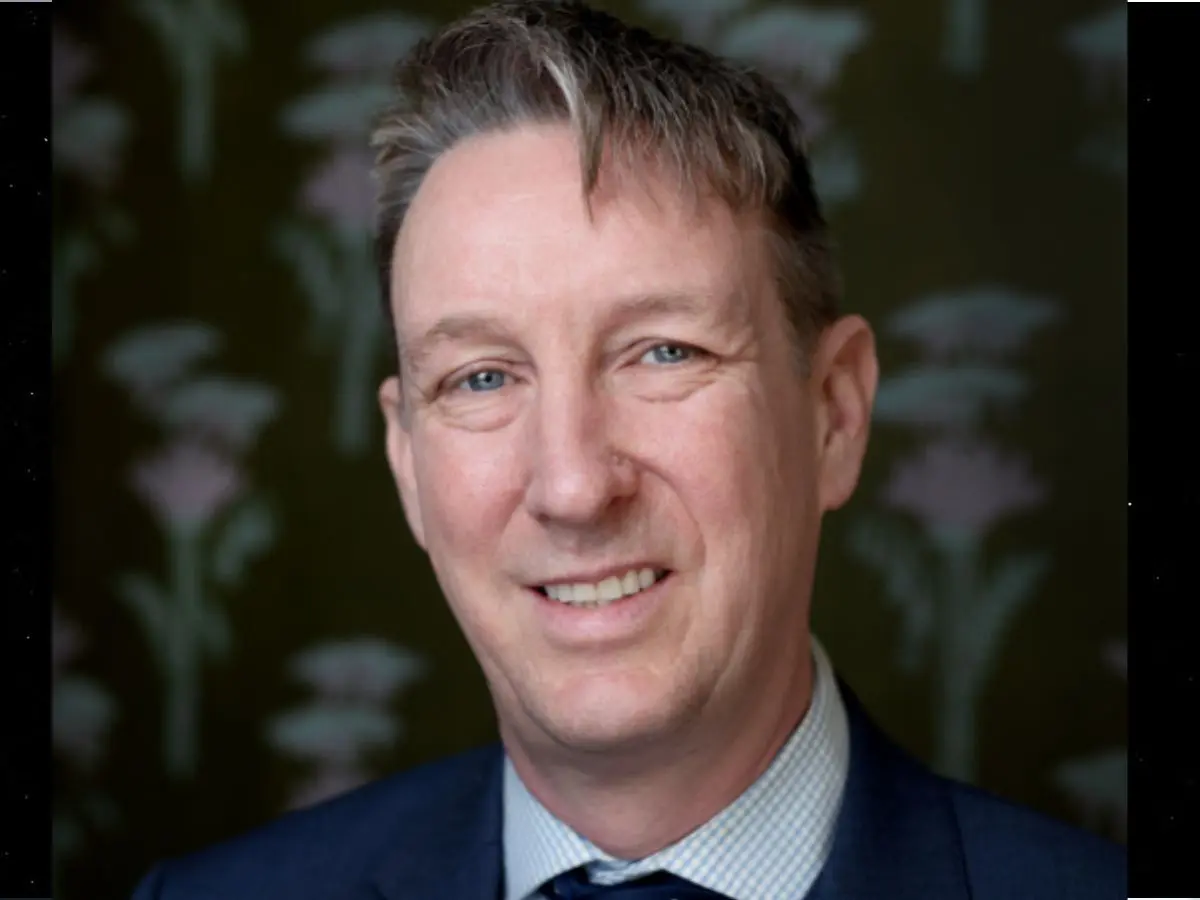
Asle Toje is the vice chair of the committee and a respected foreign policy scholar. Known for his writings on international relations, security, and democracy, Toje brings a strong analytical perspective to the selection process. His expertise in global politics helps the committee assess the broader implications of potential laureates’ contributions to peace.
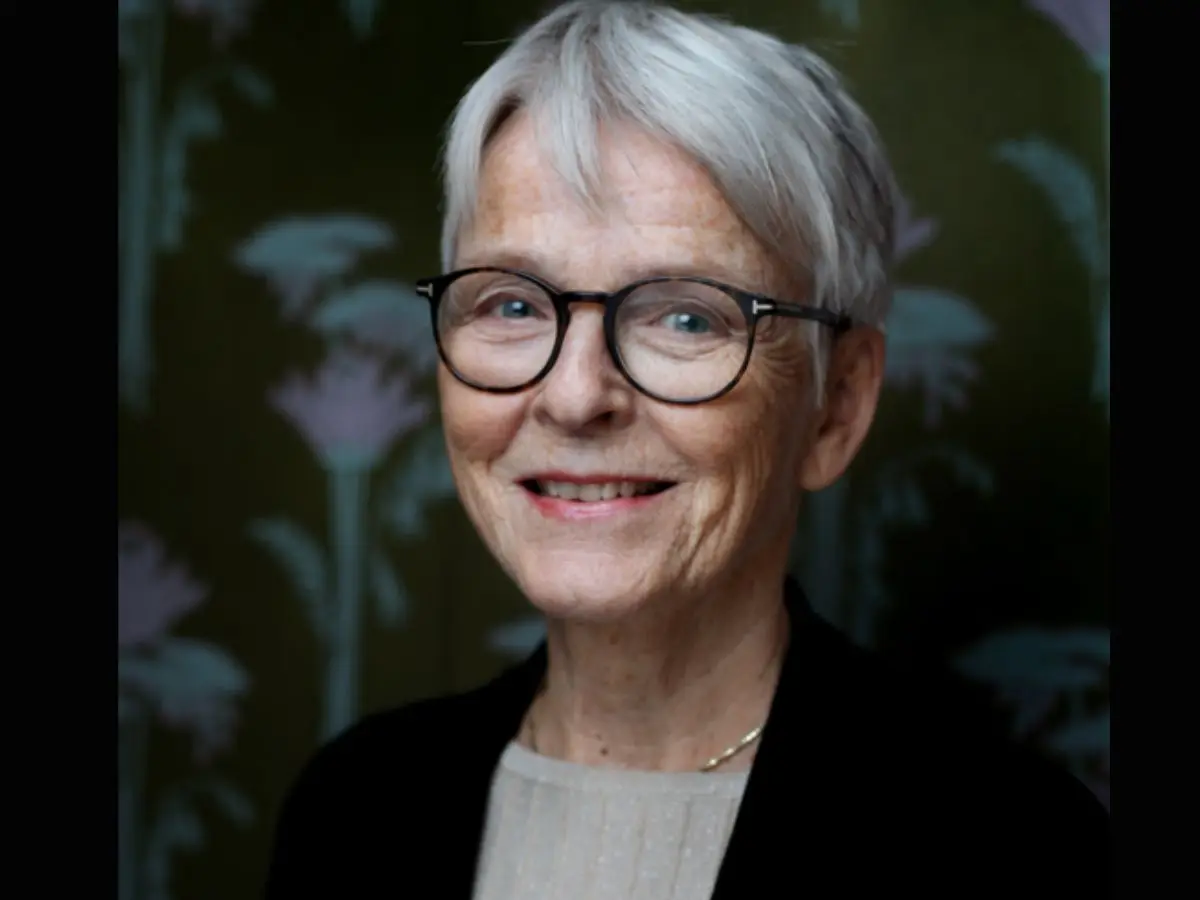
Anne Enger– Committee Member
Anne Enger, a former leader of Norway’s Centre Party and former Minister of Culture, is a committee member. Her background in politics and governance allows her to evaluate candidates not only on moral and humanitarian grounds but also on their political impact. Enger’s experience ensures a nuanced understanding of how laureates influence society and democratic structures.
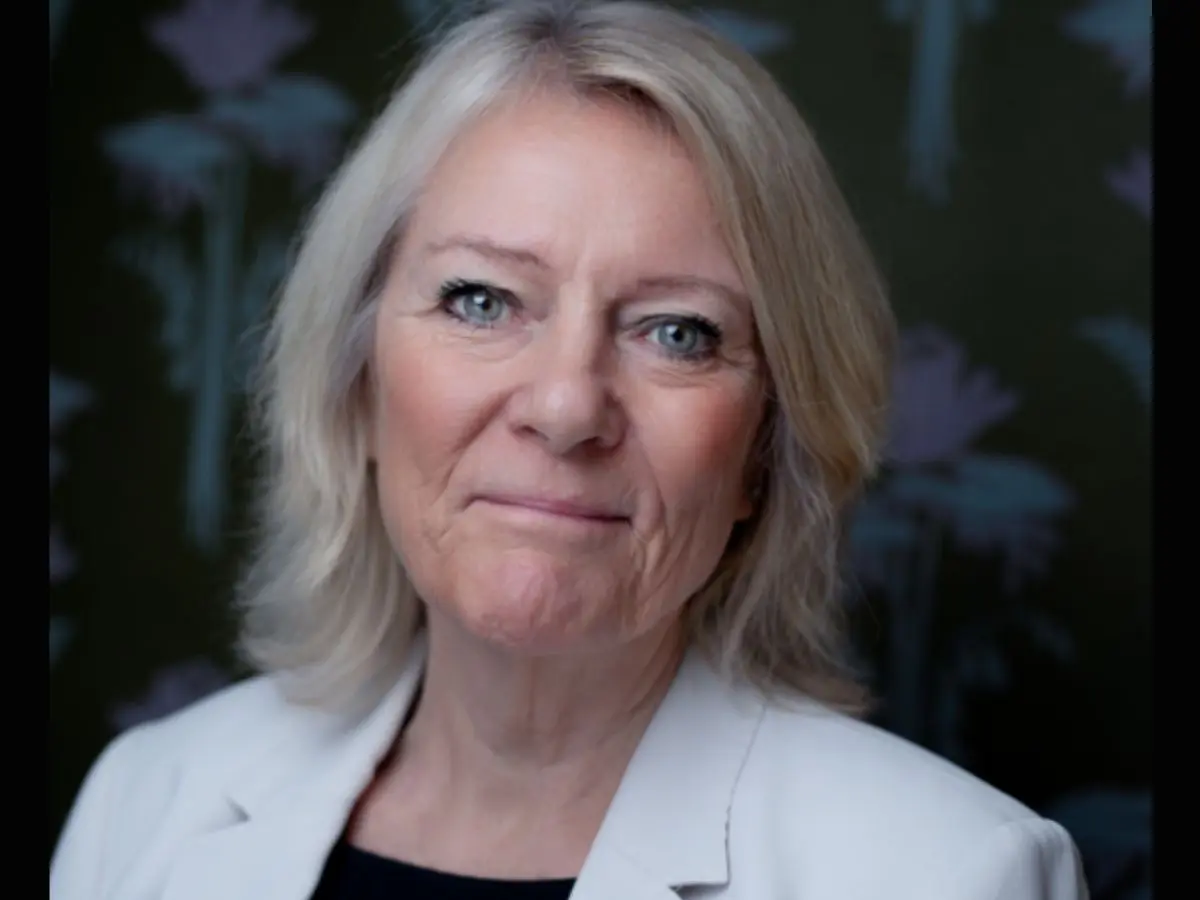
Kristin Clemet– Committee Member
Kristin Clemet, also a committee member, has served as a cabinet minister and parliamentarian for Norway’s Conservative Party. With a career spanning policy, education, and governance, Clemet contributes insights into leadership, reform, and civic engagement. Her expertise strengthens the committee’s ability to judge candidates’ practical influence on peace and democracy.
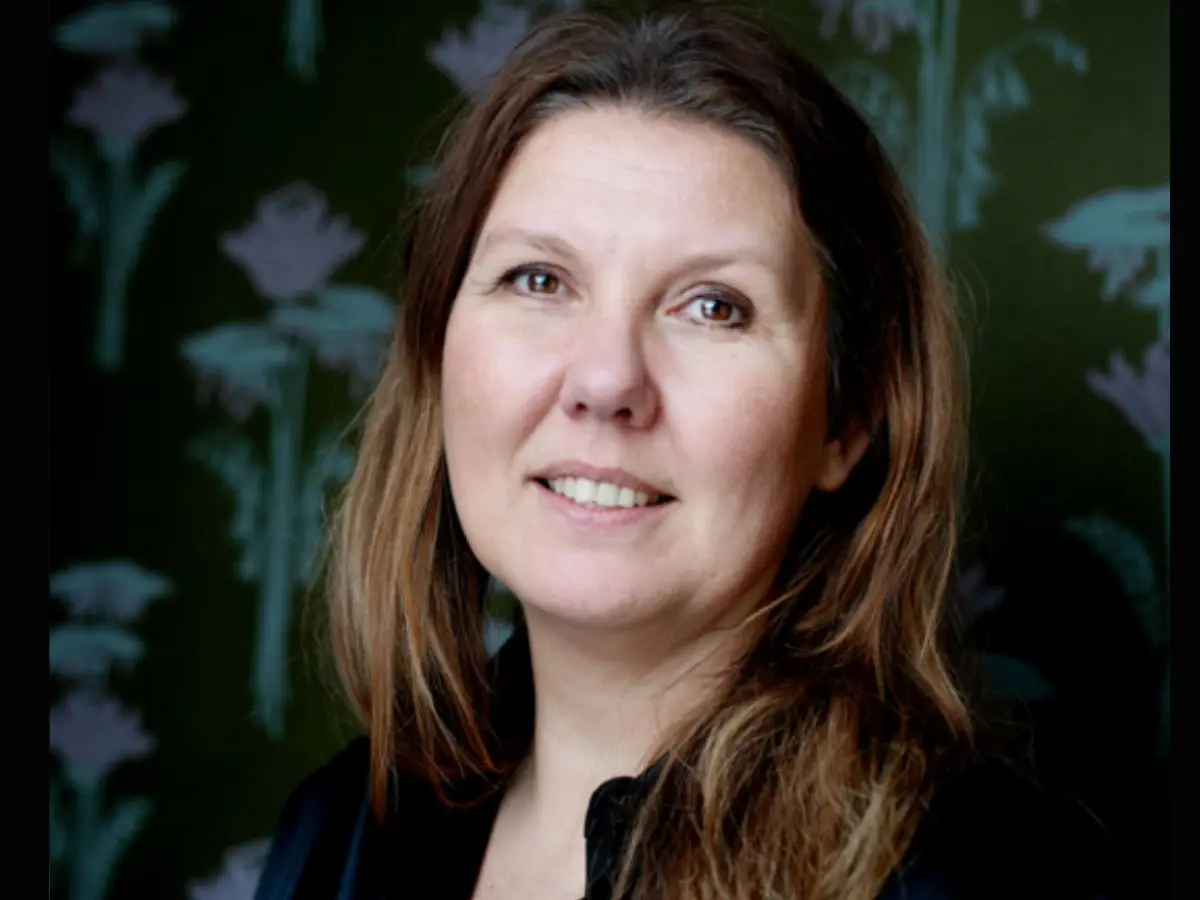
Gry Larsen – Committee Member
Gry Larsen is the fifth member of the Norwegian Nobel Committee. She previously served as Secretary of State for Foreign Affairs and has significant experience in diplomacy and international cooperation. Larsen’s perspective is crucial in evaluating nominees’ roles on the global stage and their capacity to foster meaningful, lasting peace.
)
)
)
)
)