Which weather conditions affect train speeds more?

Extreme heat, fog, snow, wind and flooding all slow trains or stop them entirely. From buckling tracks to frozen switches, weather quietly disrupts rail networks far more than most people realise and the worst delays happen when multiple conditions strike together.
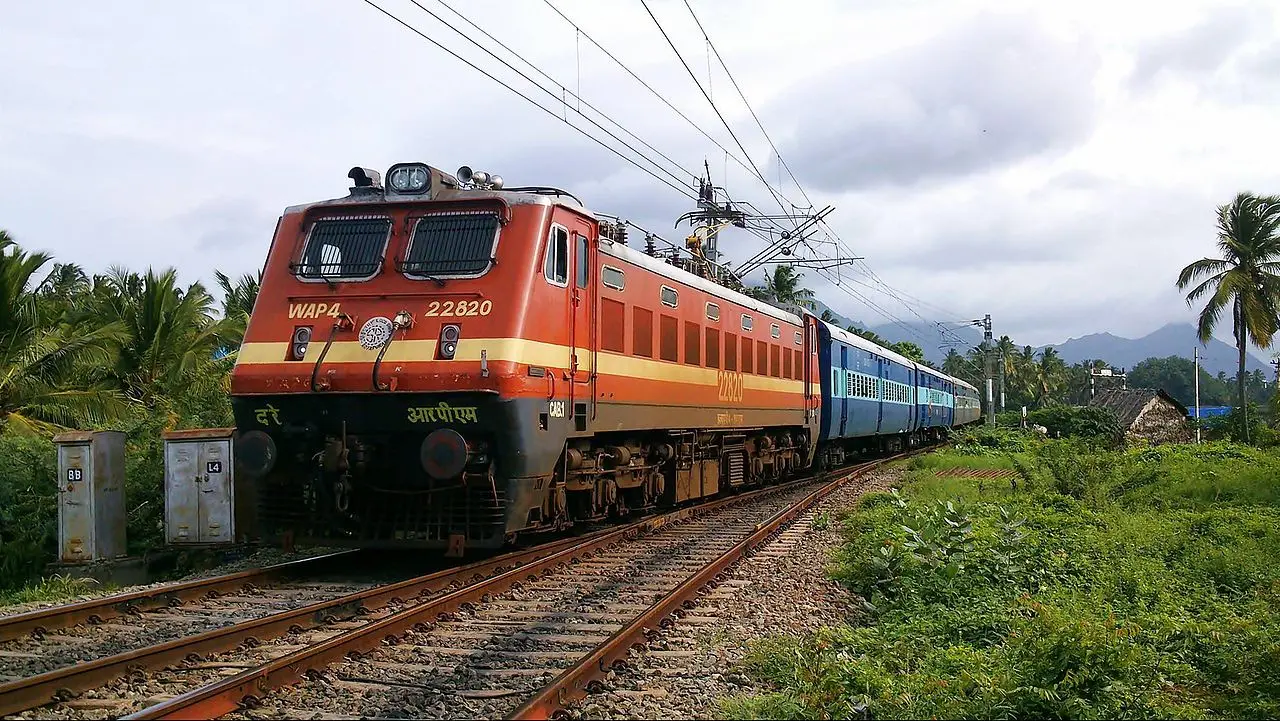
Extreme Heat Causes Delays
When temperatures exceed 30°C, train tracks expand and can buckle into "sun kinks." Amtrak reduces speeds to 80 mph when rail temperatures reach 140°F (60°C). This can cause delays during peak afternoon hours.
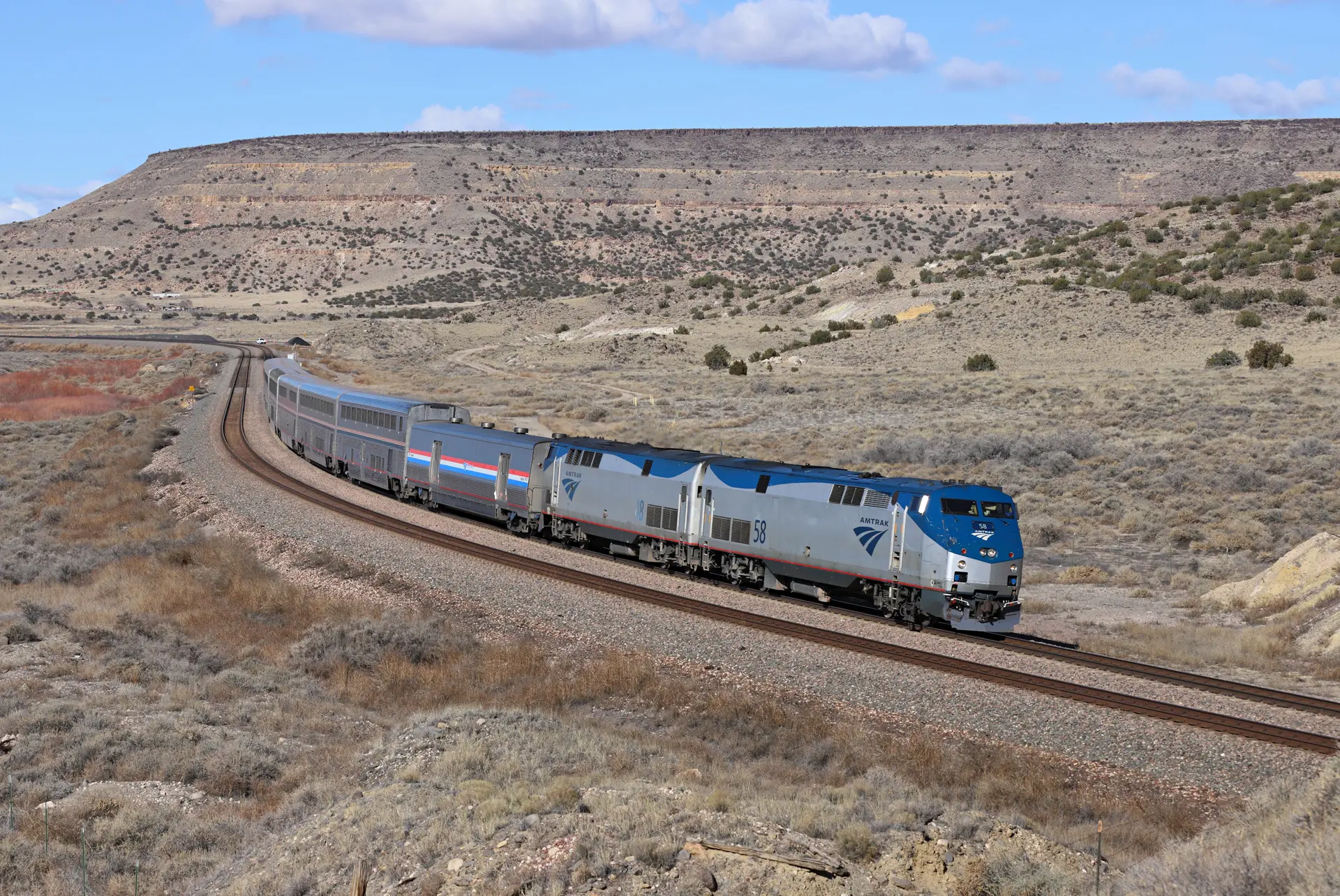
Track Expansion and Buckling Physics
Steel rails become 20°C hotter than air temperature in direct sunlight. Even small expansions create dangerous curves. When temperature rises 30°C, a one-kilometre track expands 36 centimetres, enough to derail trains.
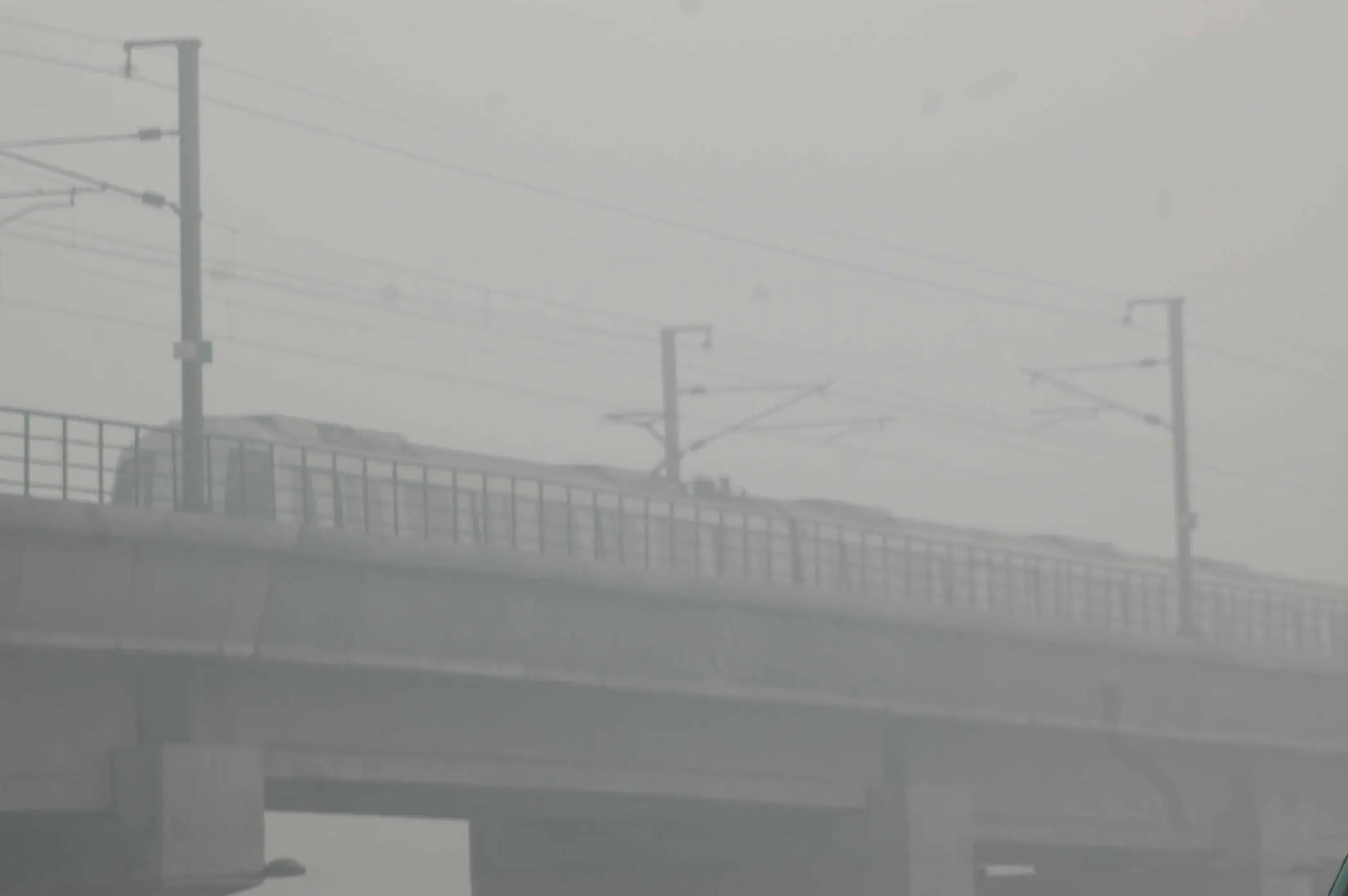
Fog Reduces Train Speed to 60 kmph
During dense fog, visibility drops below 200 metres, forcing speed reductions to just 60 kmph. Low-visibility conditions are among the most severe weather impacts on train operations across railways.
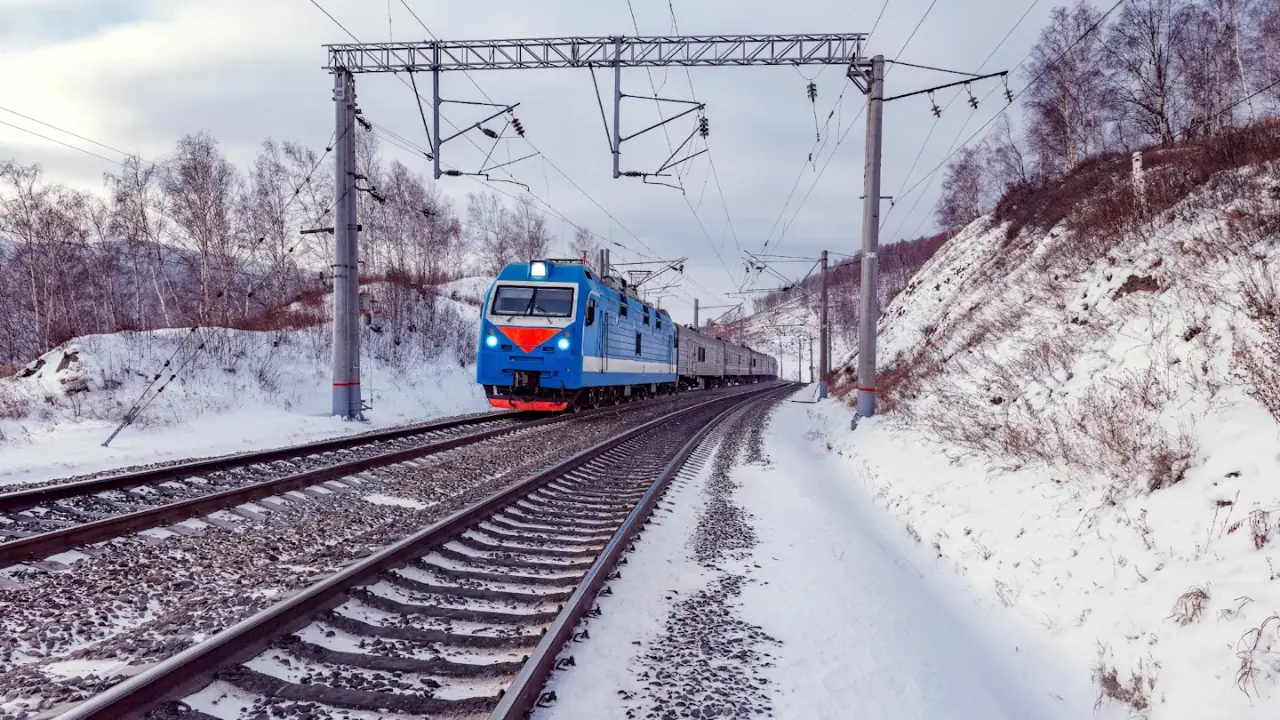
Snow and Ice Eliminate Traction
Ice on tracks reduces wheel-rail friction dramatically, increasing braking distance by up to 50%. Snow blocks tracks completely and freezes moving points (junction switches), making trains unable to change direction.
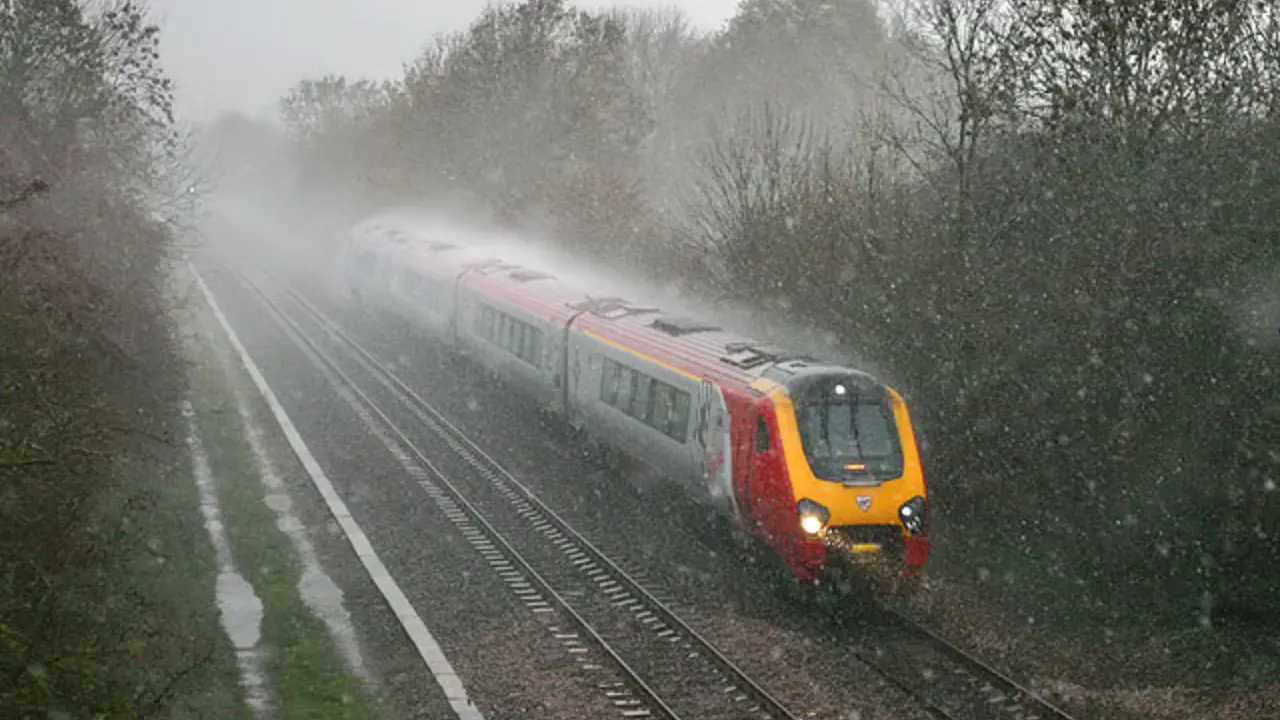
Heavy Rain Floods Tracks and Weakens Ballast
Rainfall exceeding 64.5 millimetres in 24 hours triggers weather warnings. Floodwater destabilises the stone foundation under tracks, causing track displacement and derailment risk. Severe cases close entire sections for repairs.
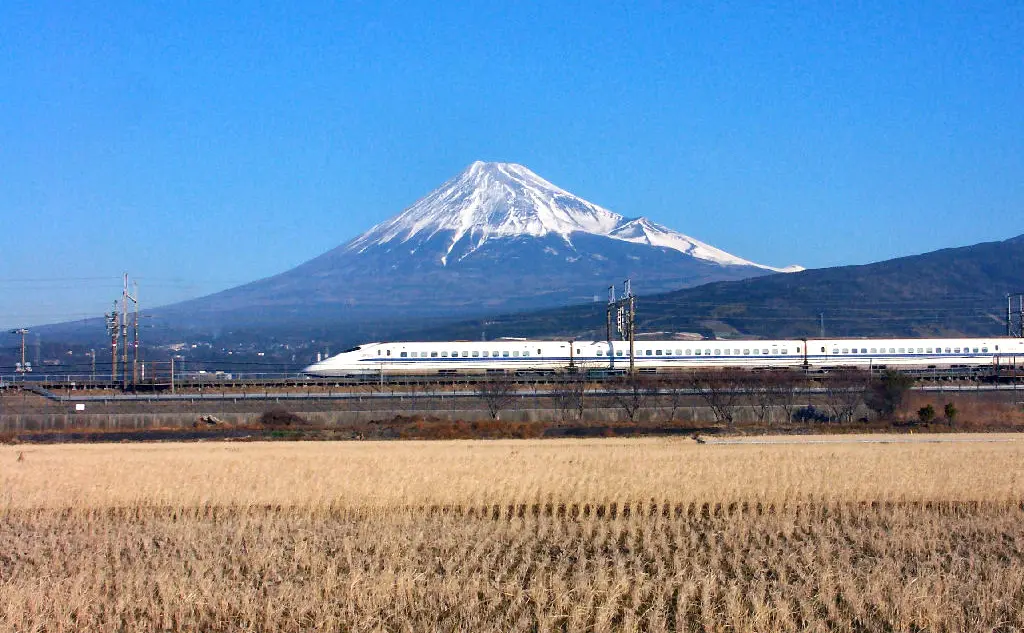
Wind Speeds of 65 kmph Make Trains Unsafe
Wind velocity exceeding 65 kmph destabilises trains and damages overhead power lines. Strong gusts push lighter trains sideways, requiring emergency stops. Freight trains experience reduced traction in crosswind conditions.
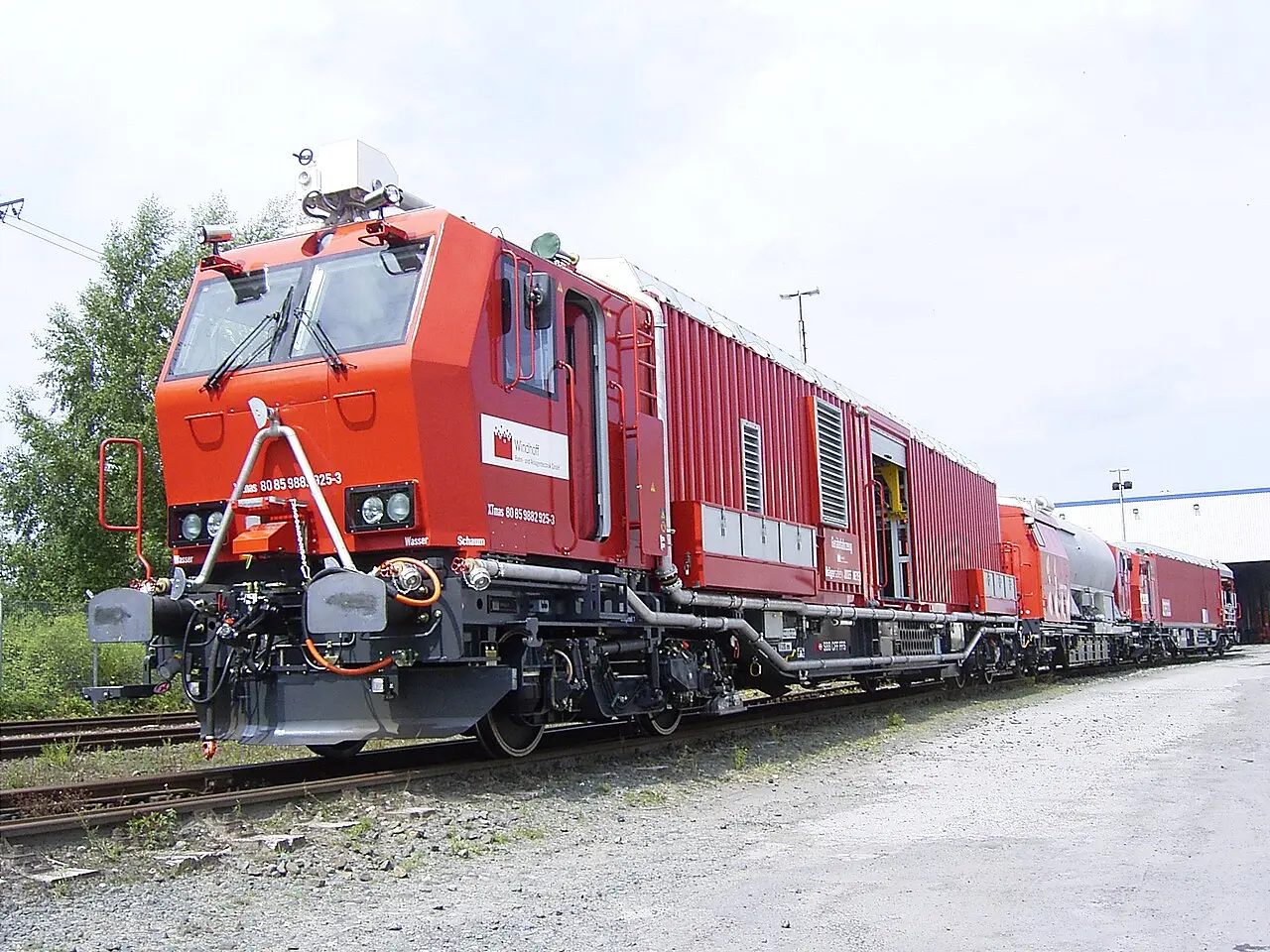
Frozen Track Points Prevent Route Changes
Freezing temperatures lock junction switches solid, preventing trains from accessing platforms or changing routes. Network Rail operates heating systems on vulnerable points, but freezing still occurs in extreme cold below -5°C.
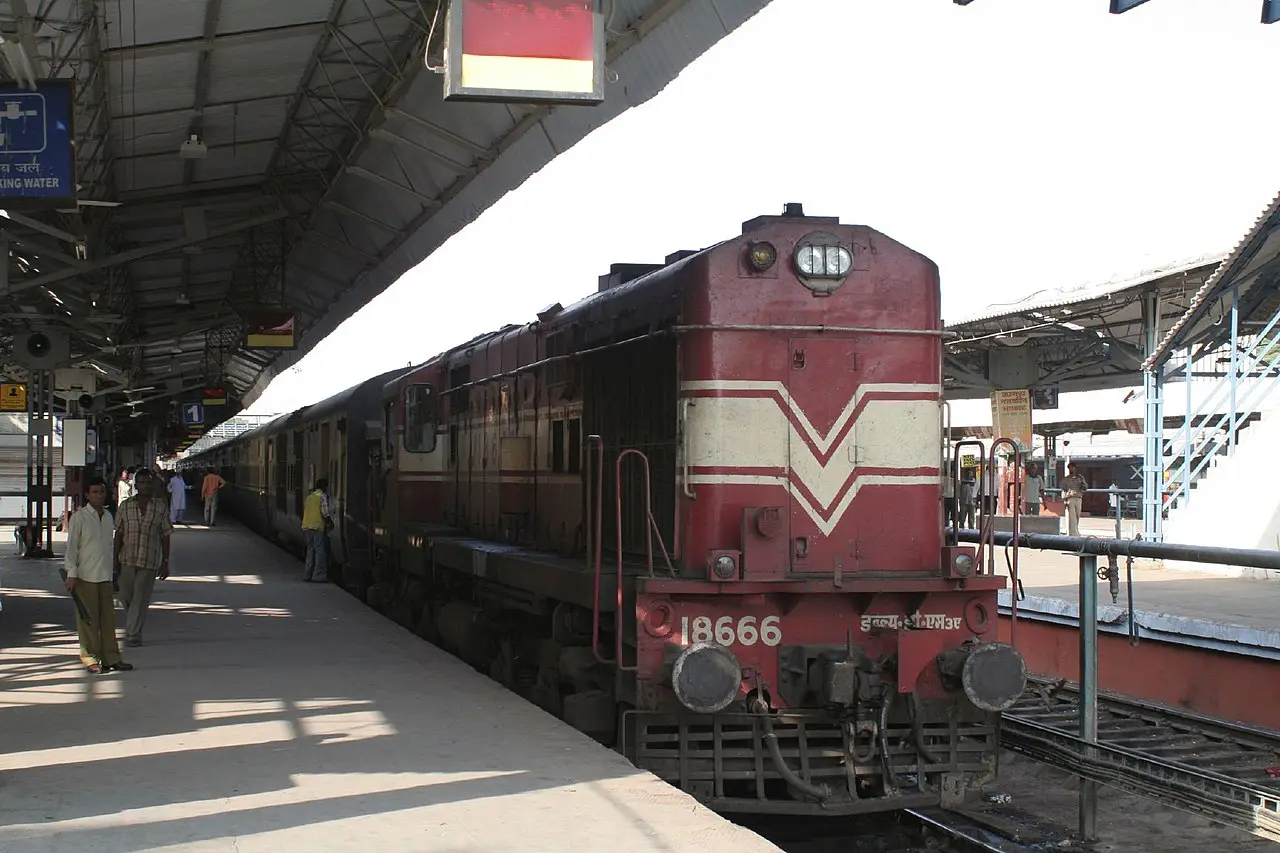
Operating Temperature Range Limits
Trains function within -25°C to +45°C but experience performance degradation at extremes. Some specialised trains operate down to -40°C and up to +58°C through winterisation and tropicalisation.
Freeze-Thaw Cycles Displace Track Alignment
Repeated freezing and thawing cause track-bed stone to heave and settle unevenly. This misalignment accumulates throughout winter, increasing derailment risk and requiring extensive maintenance during thaw periods.
Worst-Case Scenario - Multiple Weather Factors
The most dangerous conditions combine heavy snow, ice, fog, and extreme cold. Track buckling from cold, ice on rails, frozen points, and zero visibility create a perfect storm for delays exceeding 2 hours.
)
)
)
)
)