Which train is faster: Double-decker or Vande Bharat?

Vande Bharat trains can reach far higher speeds than double-deckers, yet most of this power remains unused on today’s tracks. From acceleration to real-world averages, the real difference between these trains is shaped more by infrastructure than design.
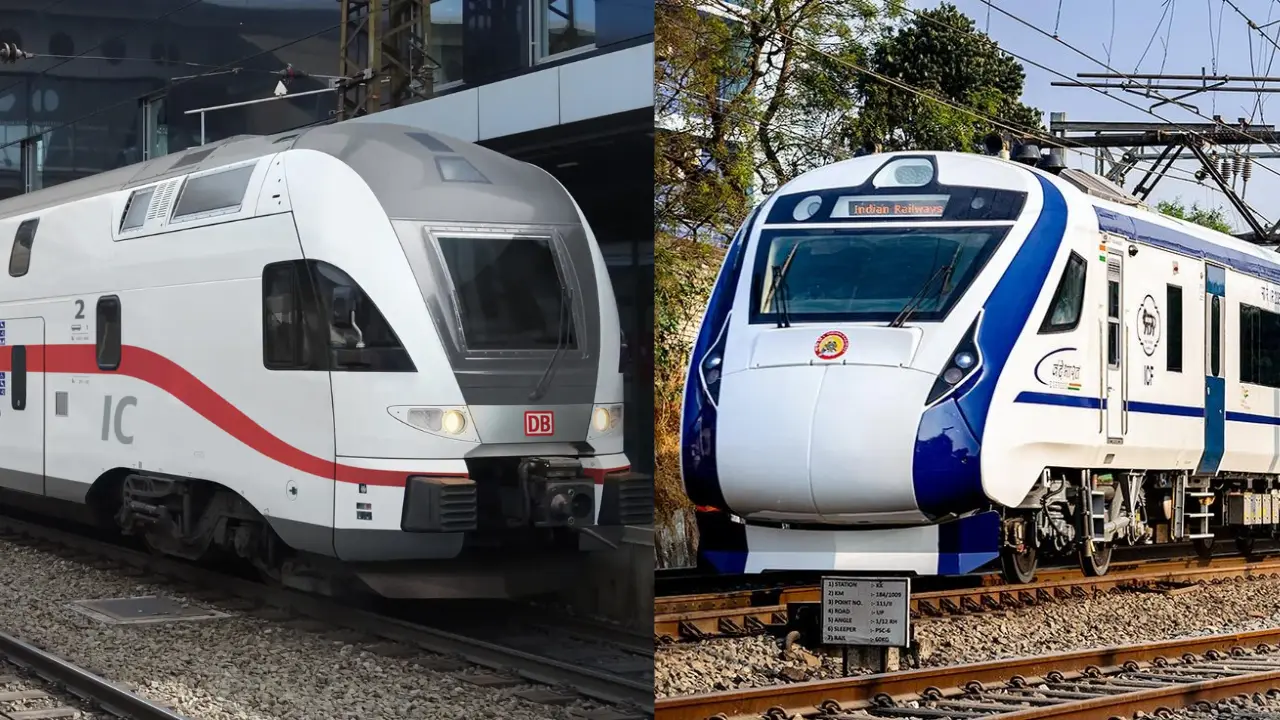
Vande Bharat Designed for 180 kmph Maximum
The Vande Bharat Express was built to run at 180 kmph, making it significantly faster on paper than double-decker trains. However, track conditions limit its operational use to between 130 and 160 kmph depending on the route.
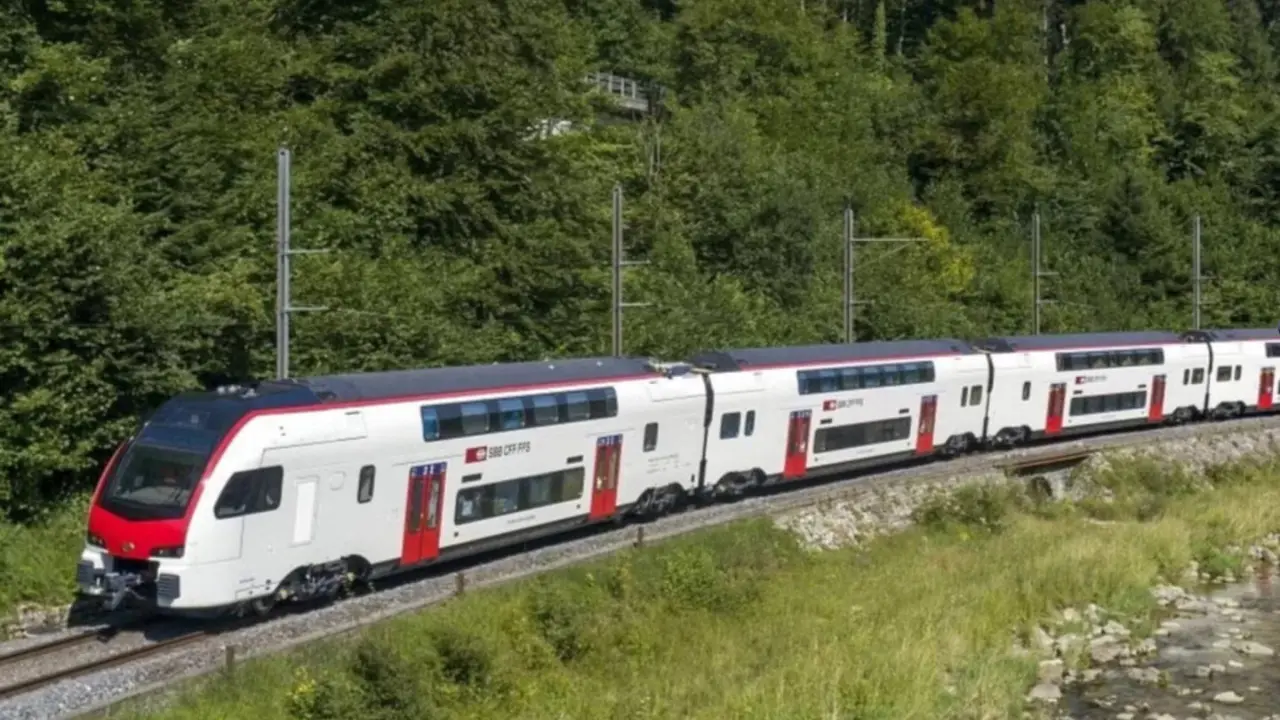
Double-Decker Limited to 130 kmph
The AC Double-Decker Express operates at a maximum of 130 kmph, with actual section speeds between 105 and 110 kmph on routes like Chennai-Bangalore. This is the upper limit for double-decker operations across Indian Railways.
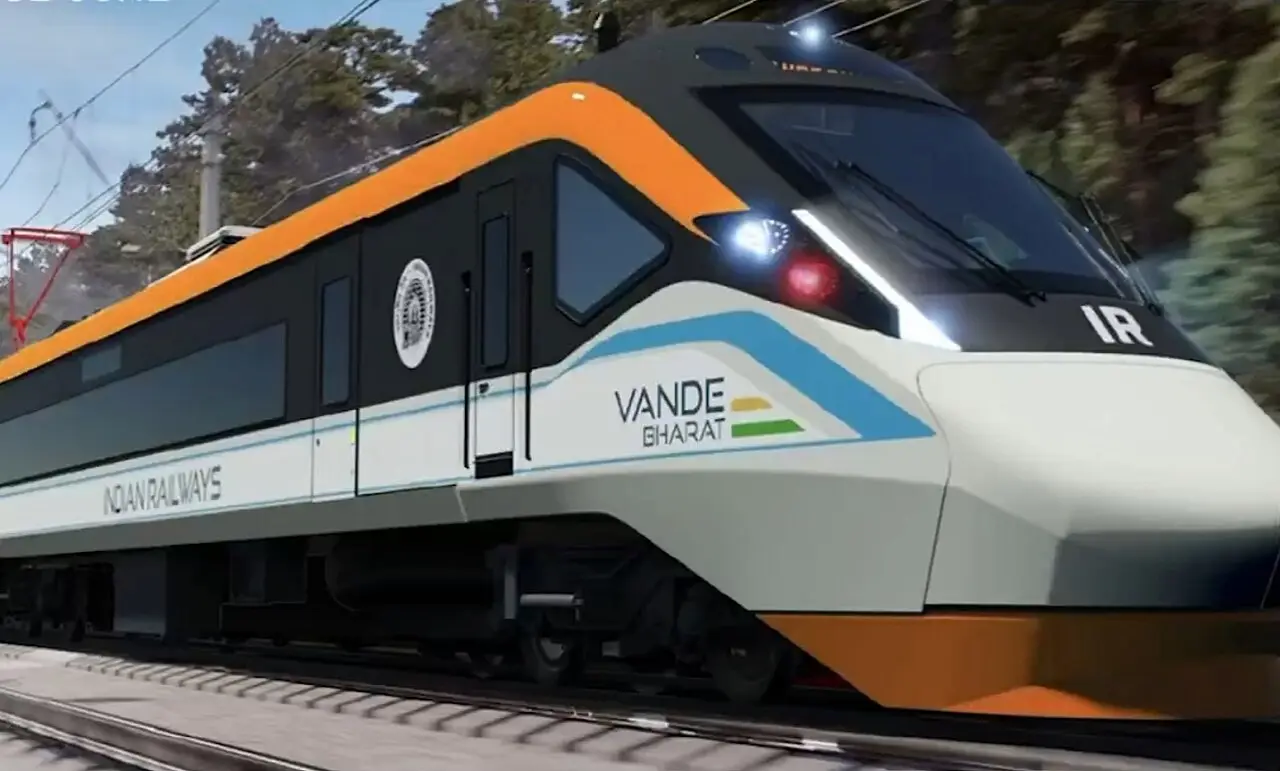
Actual Average Speeds Tell Different Story
Despite its 180 kmph design, Vande Bharat averaged just 83 kmph over recent years due to poor track conditions and infrastructure limitations. The gap between design capacity and real-world performance is substantial across most routes.
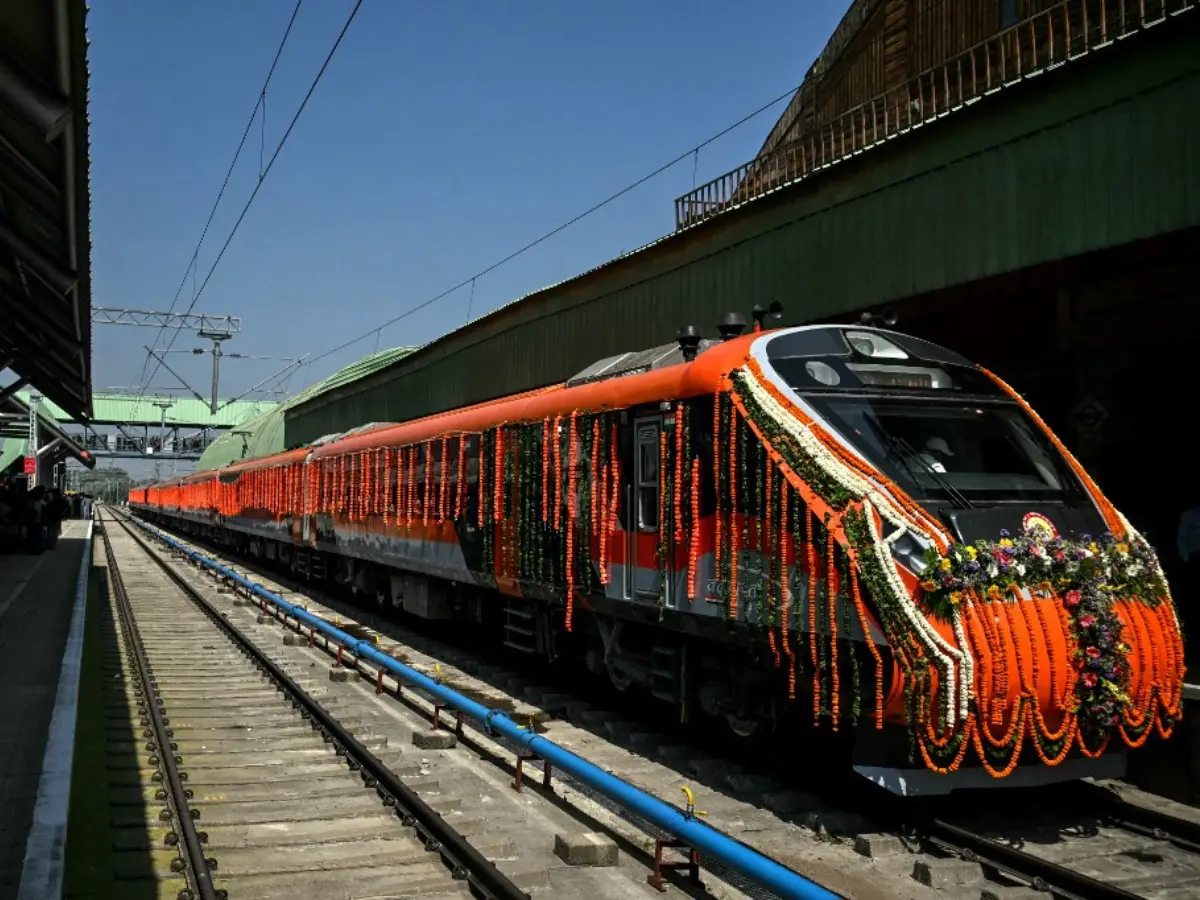
Best Vande Bharat Route - Agra Section at 160 kmph
The Rani Kamalapati-Hazrat Nizamuddin Vande Bharat achieves the highest operational speed of 160 kmph on the Tughlakabad-Agra section. This represents Vande Bharat's absolute maximum on Indian Railways today.
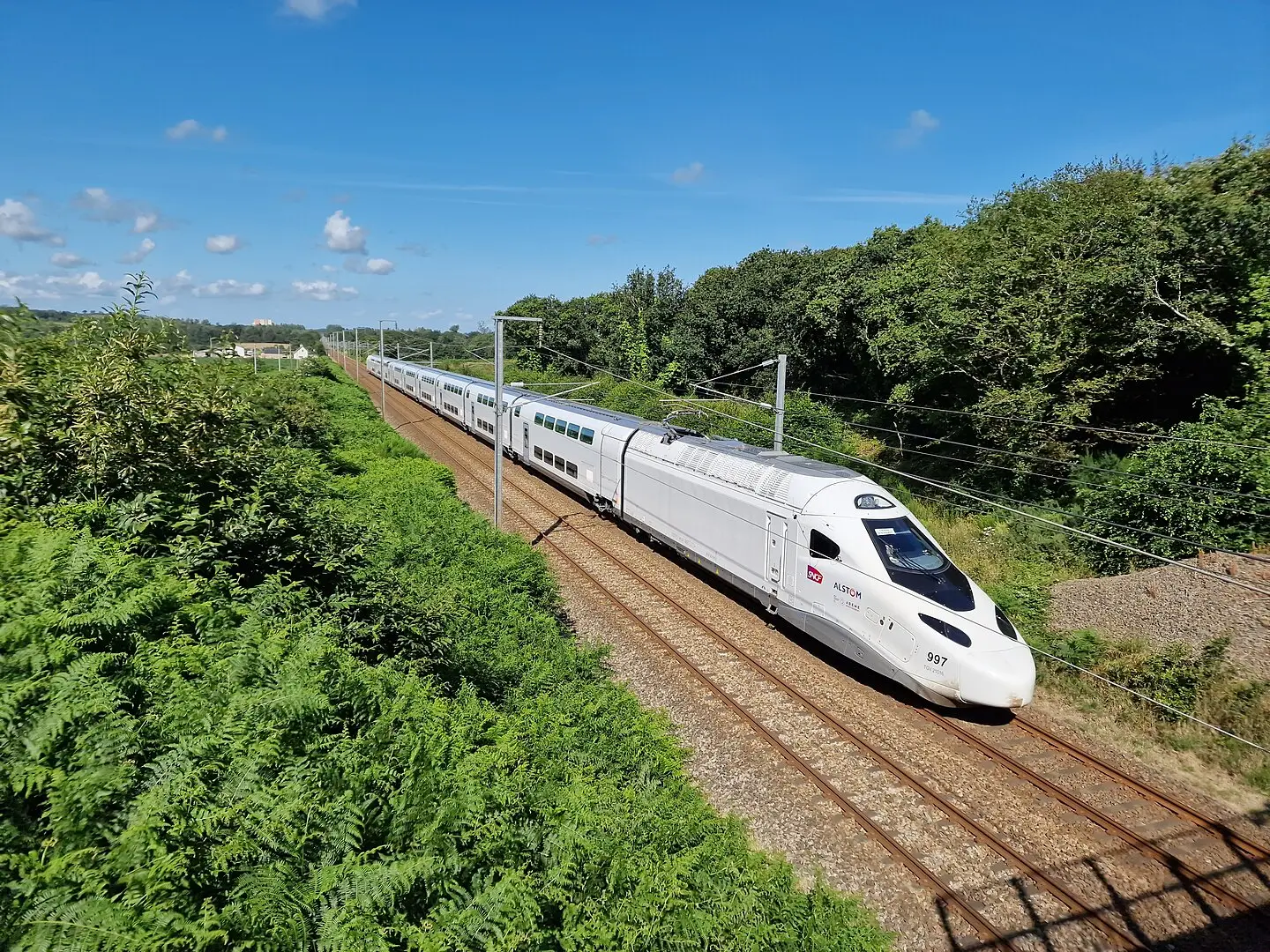
Double-Decker's Advantage - Simpler Operations
Double-decker trains achieve their maximum 130 kmph more consistently because they have simpler technical requirements. They experience fewer speed restrictions and operate more reliably across various track conditions.
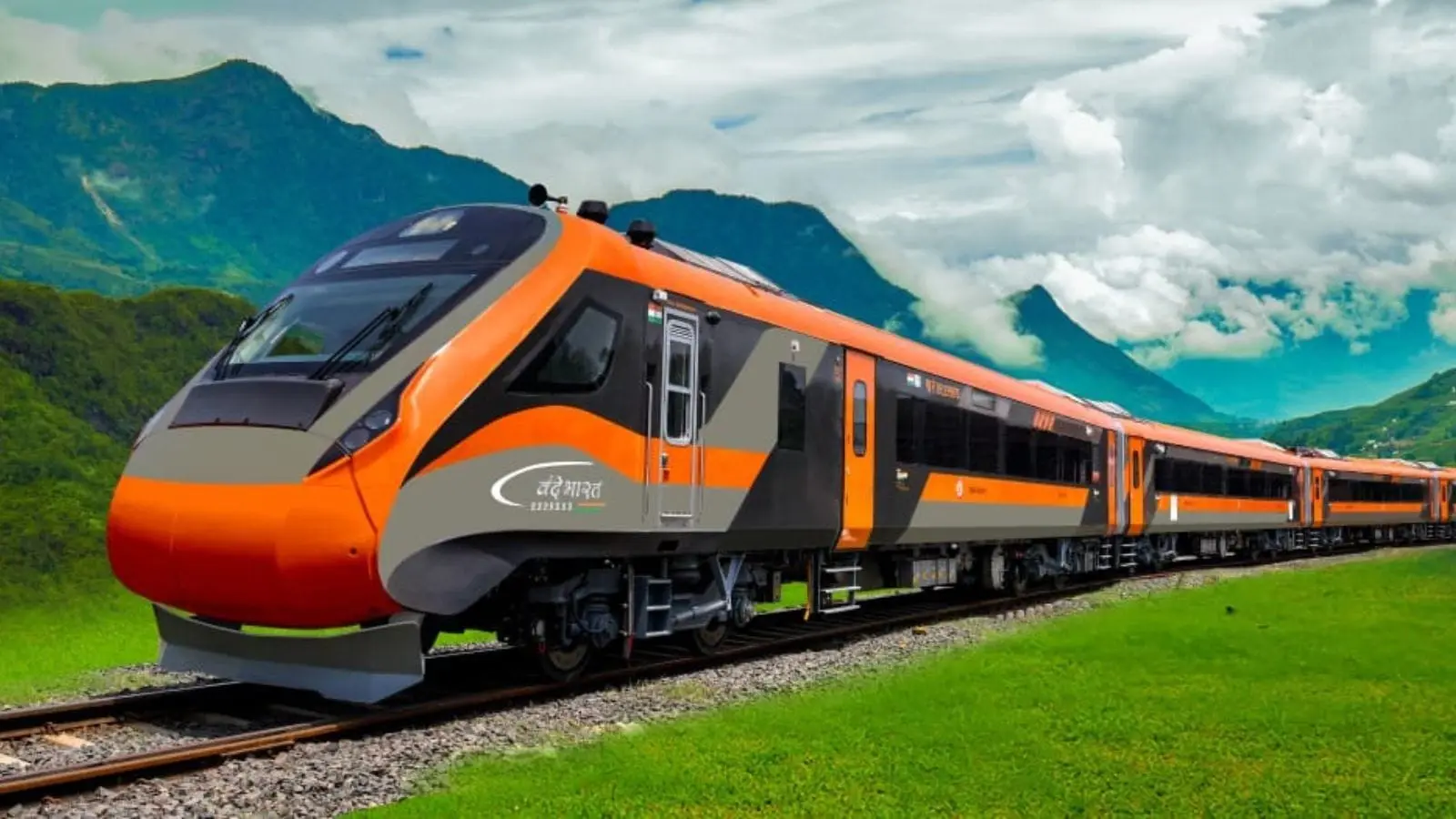
Vande Bharat Accelerates Faster - 0 to 100 kmph in 52 Seconds
Vande Bharat reaches 100 kmph in just 52 seconds due to distributed traction motors under each coach. Double-decker trains require longer acceleration periods, losing time on shorter routes.
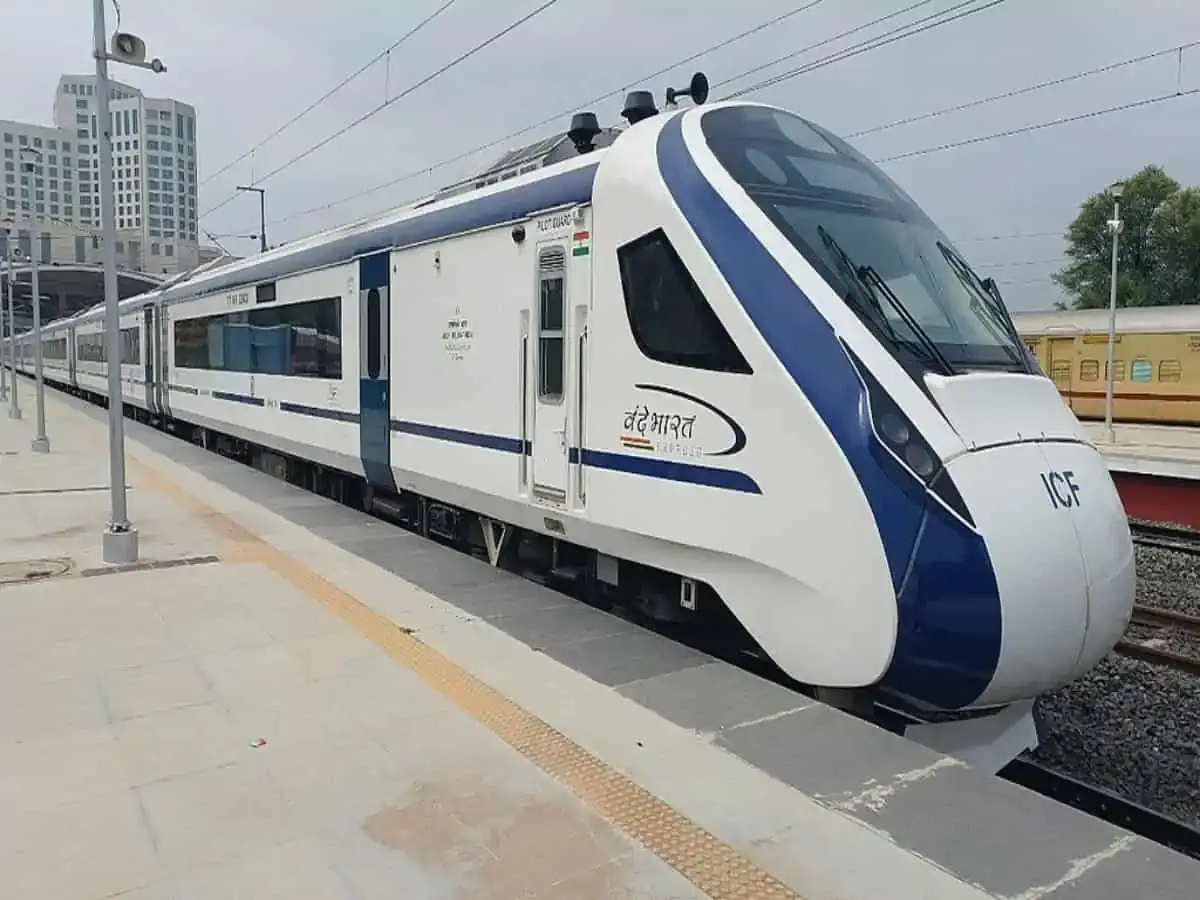
Journey Time Advantage - Vande Bharat Faster by 40 to 50%
Between New Delhi and Varanasi, Vande Bharat reduces journey time from 15 hours to approximately 8 hours. Double-decker trains would take significantly longer over the same route.
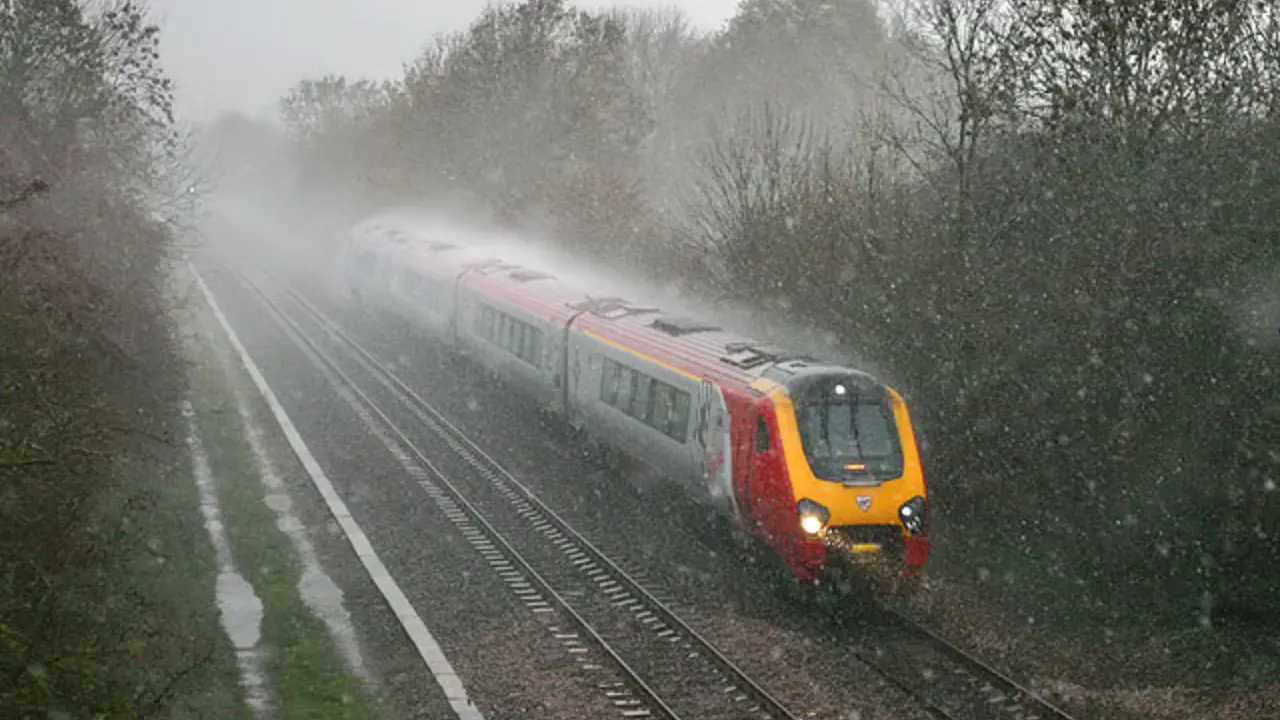
Track Quality Determines Speed Limits
Most Indian rail sections restrict both trains to 130 kmph or lower. Vande Bharat's superior capability remains unused across 70 per cent of the network due to track quality issues.
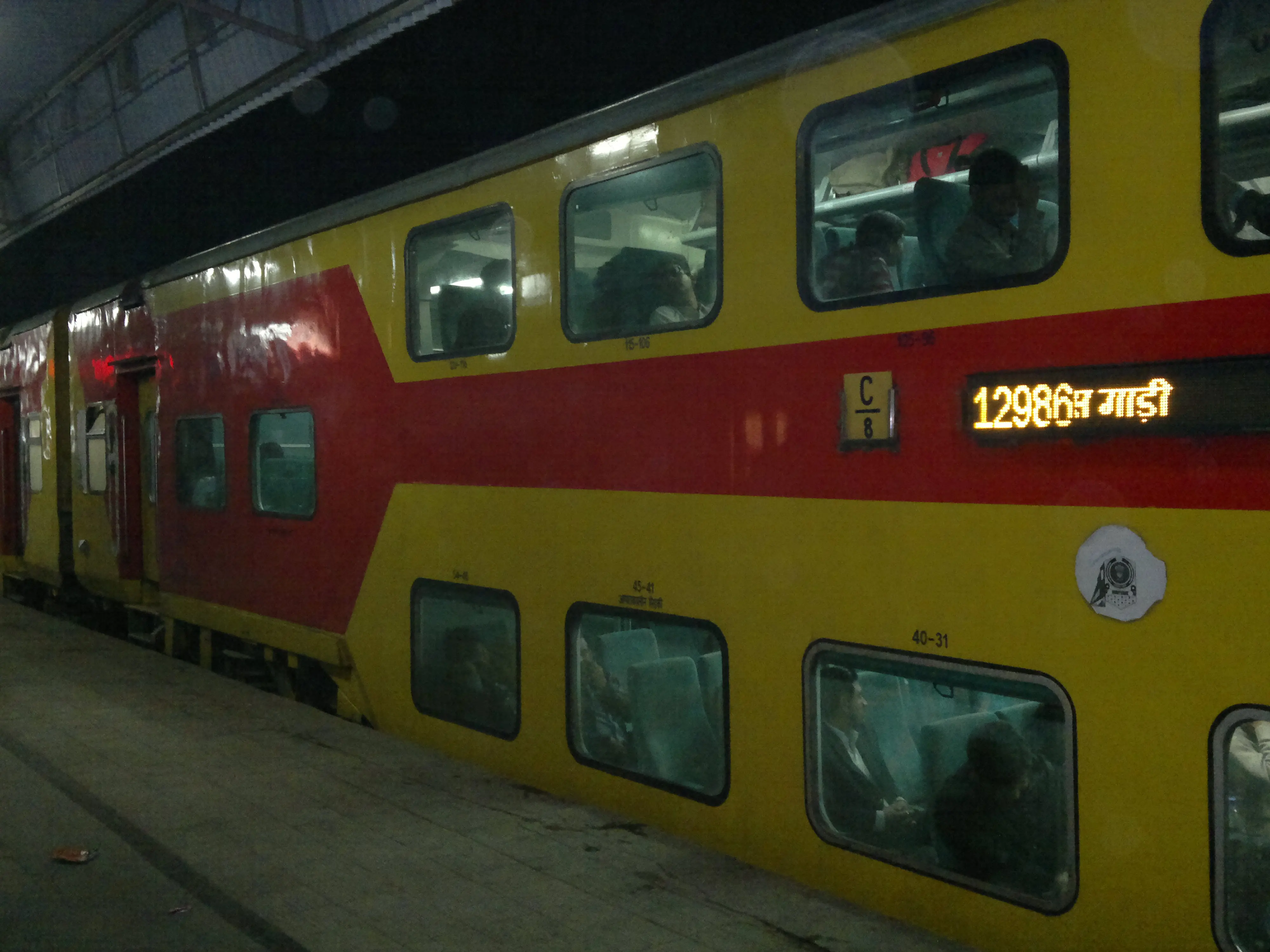
Double-Decker - Higher Capacity, Lower Speed Trade-Off
Double-decker trains carry more passengers than Vande Bharat, accepting lower speed as a trade-off. They maintain fuller capacity more consistently than Vande Bharat on popular routes.
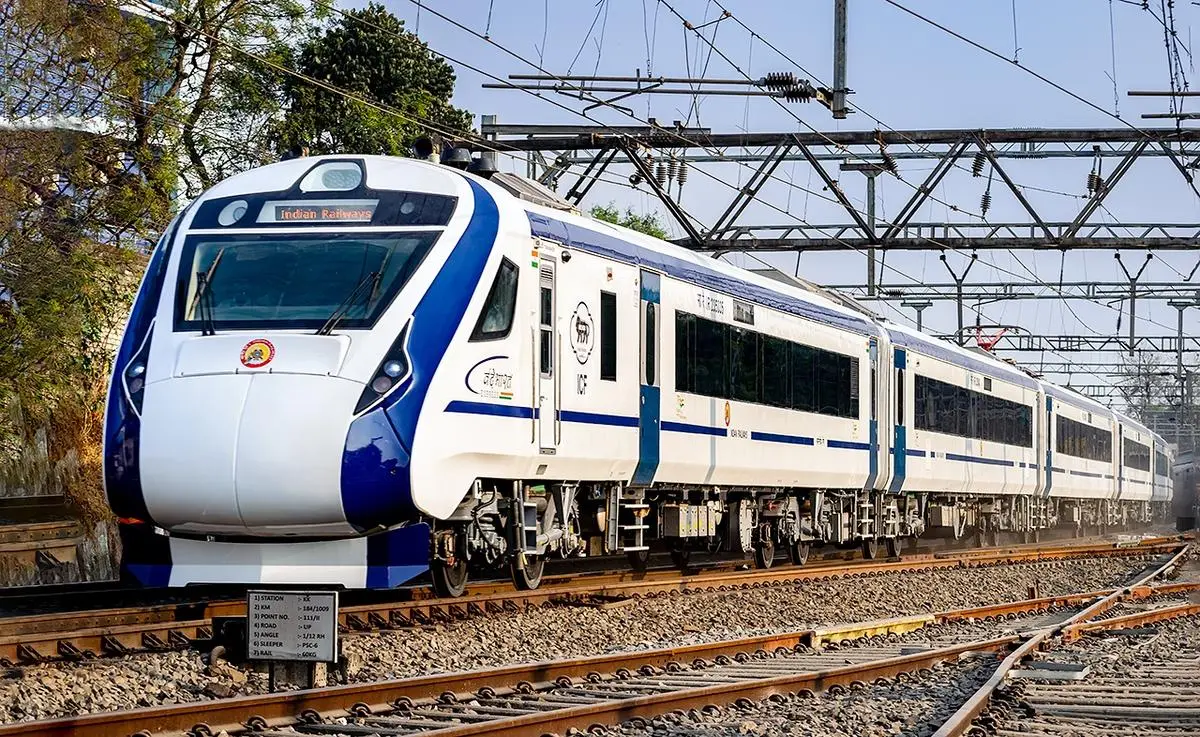
Future Plans - Vande Bharat Mk2 at 200 kmph
The next generation Vande Bharat Mk2 will be designed for 200 kmph, widening the speed gap with double-decker trains. New dedicated high-speed corridors between Mumbai and Ahmedabad at 320 kmph will debut by 2028.
)
)
)
)
)