Which satellites helped Ted Turner launch CNN in 1980

Ted Turner launched CNN in 1980 using SATCOM-1 satellite technology to bypass traditional landlines. By reaching local cable systems nationwide via space, he ended the monopoly of major networks and created the 24-hour news cycle.
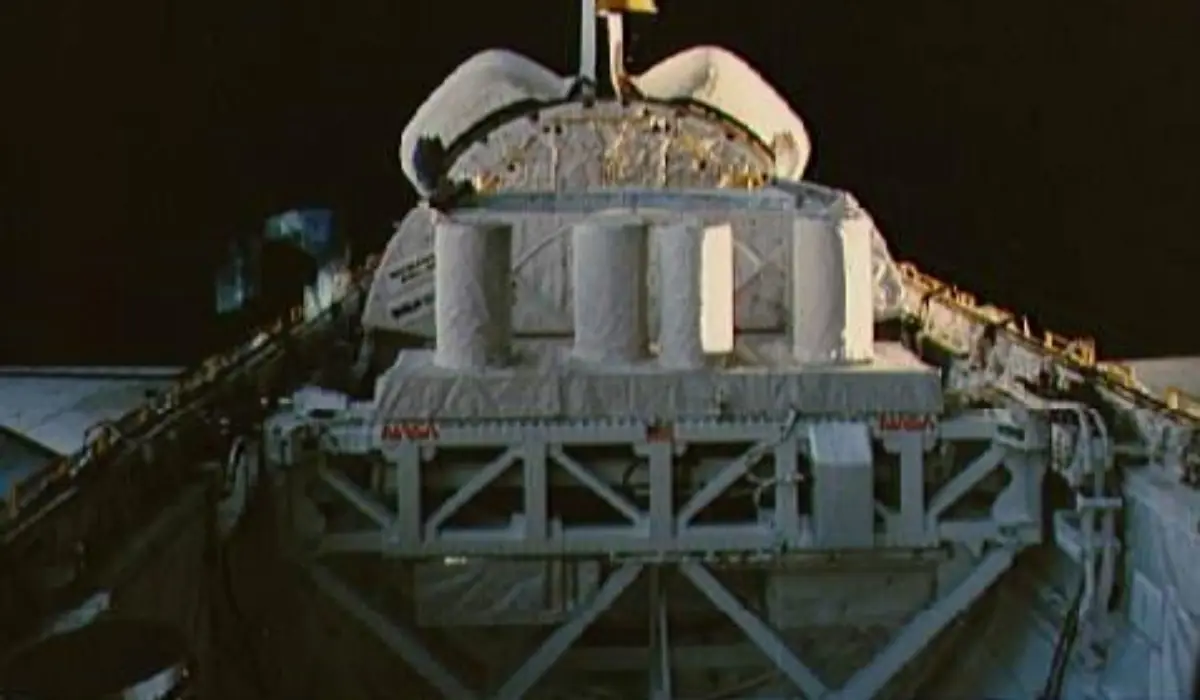
SATCOM-1: The Space Hub
Ted Turner launched CNN on 1 June 1980 using the SATCOM-1 satellite, operated by RCA American Communications. This orbiting relay was the first to provide a cost-effective way to distribute high-quality content to cable systems across North America.
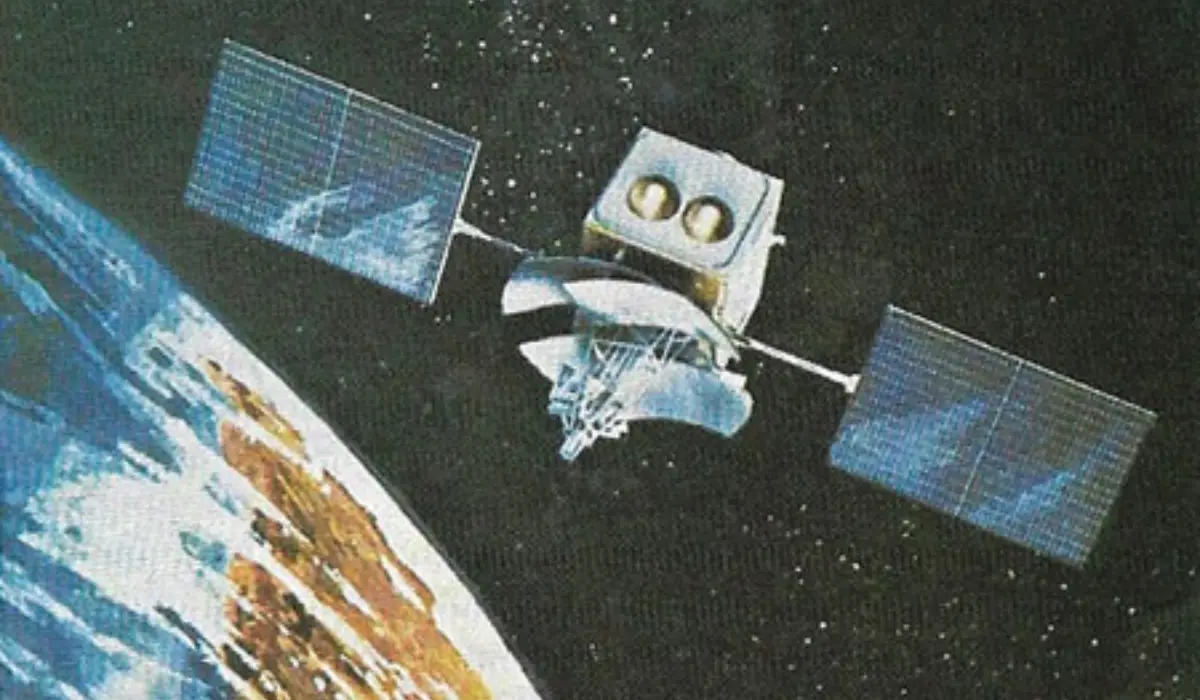
Bypassing the Landlines
Before the satellite revolution, networks like ABC and CBS relied on expensive AT&T landlines and microwave towers to relay signals. Turner’s decision to move to space allowed him to broadcast nationwide for a fraction of the cost required for terrestrial relays.
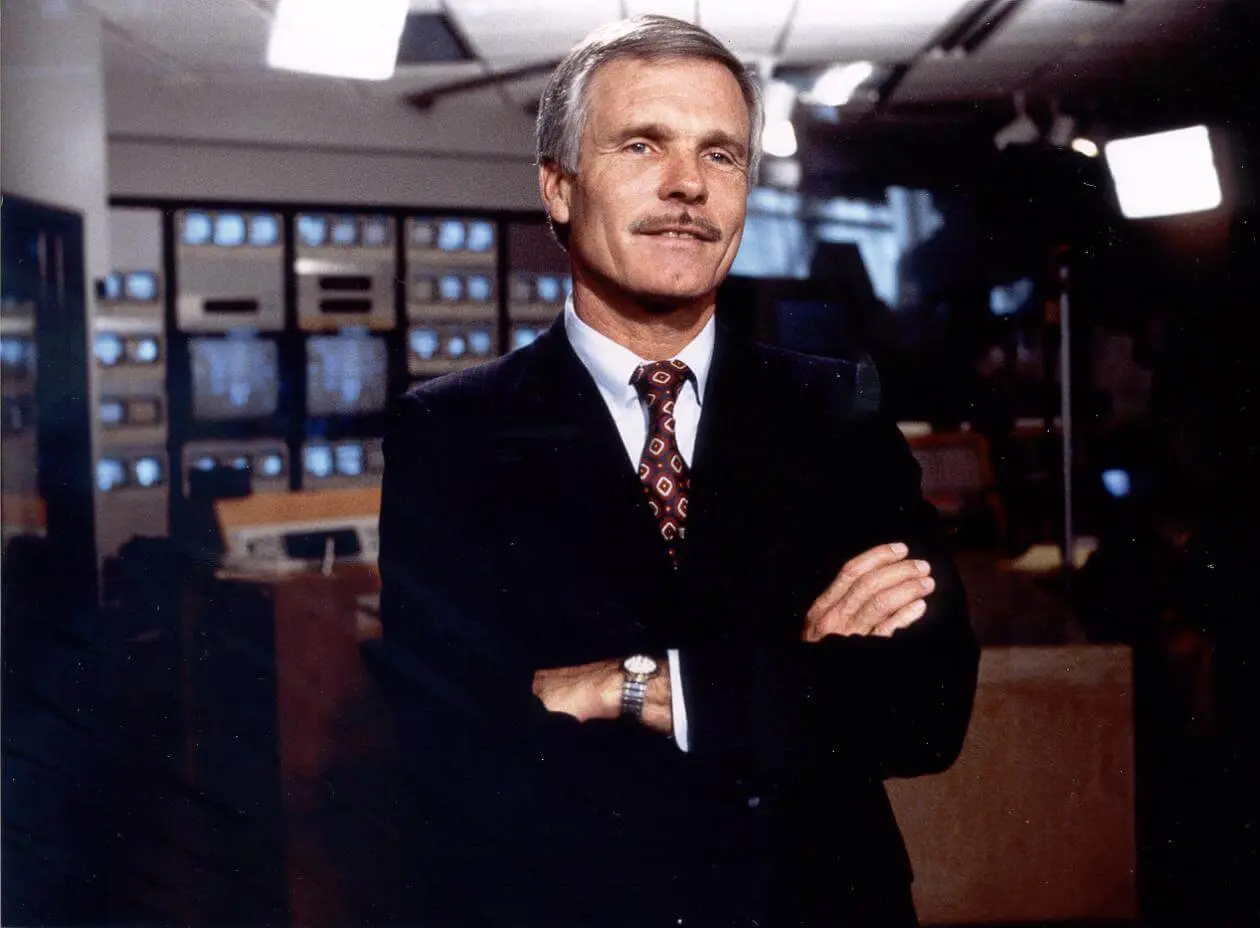
The SATCOM-3 Disaster
In 1979, the SATCOM-3 satellite intended for CNN was lost in space shortly after launch, causing a massive financial and technical setback. Turner was forced to scramble and sue RCA for a transponder on the older SATCOM-1 to meet his 1980 deadline.
The Battle for Transponder 14
CNN eventually secured Transponder 14 on SATCOM-1, a specific channel that allowed 24-hour delivery of breaking news. This dedicated space ensured that local cable operators with a single dish could receive the signal continuously from the geostationary orbit.
Ending the Network Monopoly
By leveraging orbital technology, Turner ended the 'Big Three' monopoly of NBC, CBS, and ABC over national news. The satellite link allowed CNN to broadcast live events in real-time, bypassing the need for scheduled evening news broadcasts.

Scaling the Cable Grid
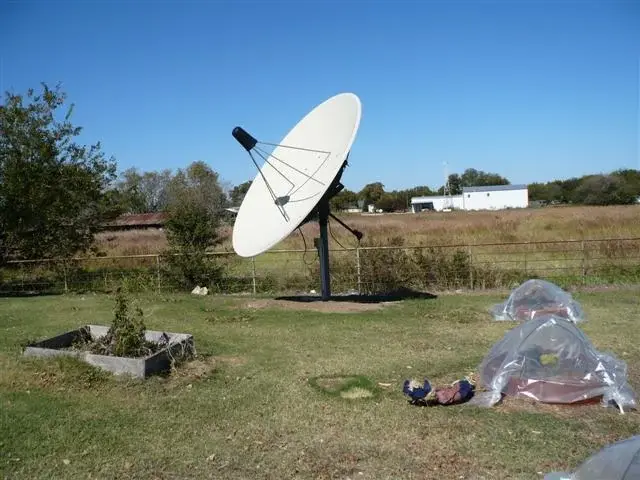
Local cable companies installed massive USD 100,000 satellite dishes to pull the CNN signal directly from the high ground of space. This bypassed local affiliate stations, creating a direct technological link between Turner's Atlanta headquarters and millions of homes.

A Global News Legacy
Turner invested roughly USD 100 million into the launch, with a significant portion dedicated to orbital infrastructure and news bureaus. This space-based gamble birthed the modern 24-hour news cycle that defines global communication and journalism today.
)
)
)
)
)