Which radar system does the US Air Force's B-52 bomber use?

The US Air Force is equipping the B-52 bomber with the advanced AN/APQ-188 AESA radar. Derived from fighter jets, this Raytheon system replaces the Cold War-era APQ-166, granting high-resolution ground mapping to keep the B-52 flying until 2050.
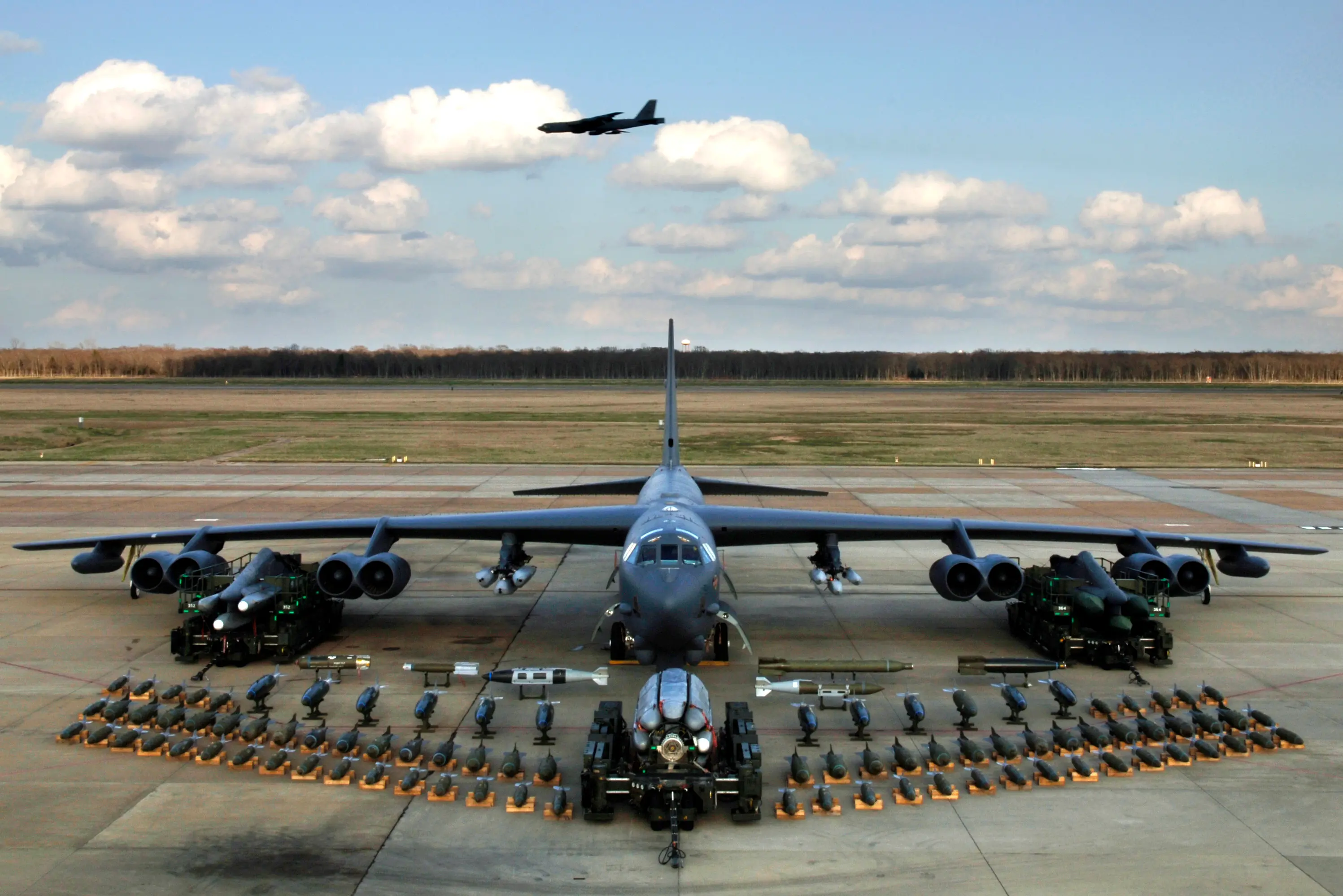
A Cold War Relic Reborn
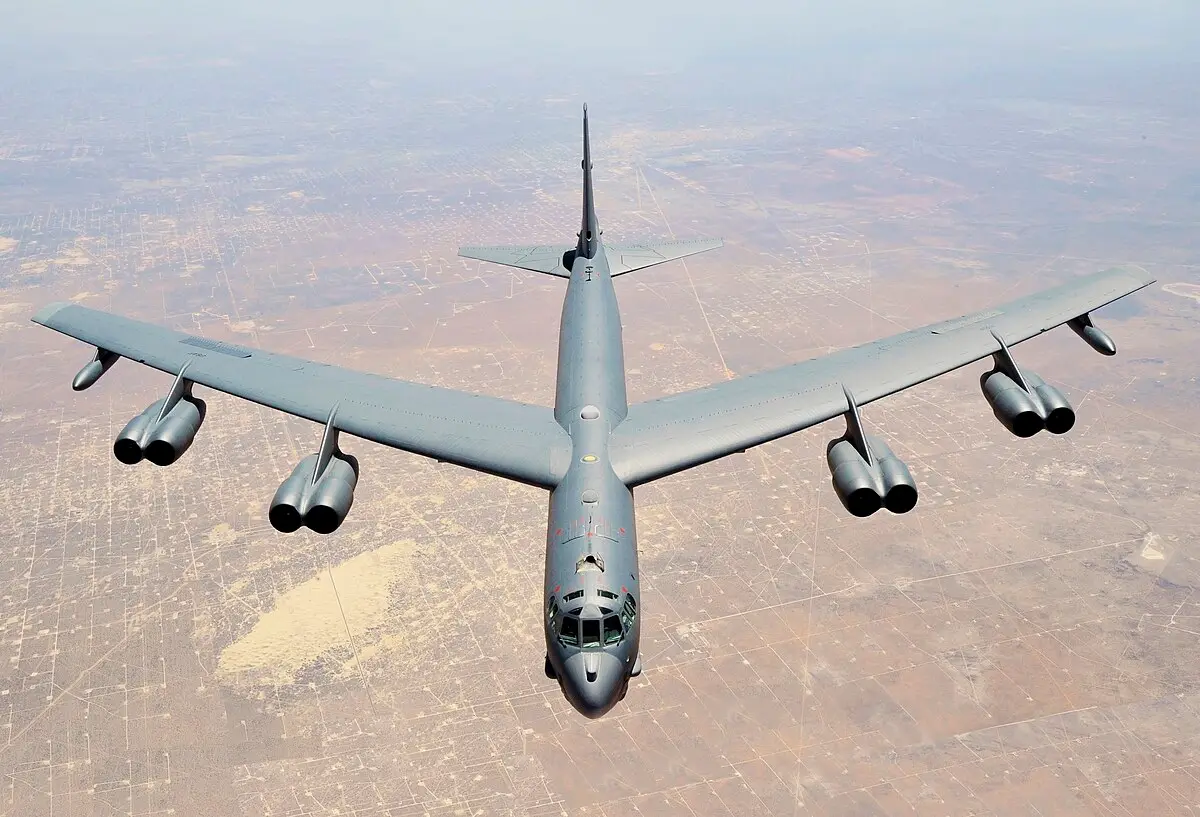
The Boeing B-52 Stratofortress is undergoing a massive modernisation to ensure its viability through the 2050s. Central to this overhaul is the B-52 Radar Modernization Program, which replaces the bomber’s antiquated Cold War-era radar with advanced technology.
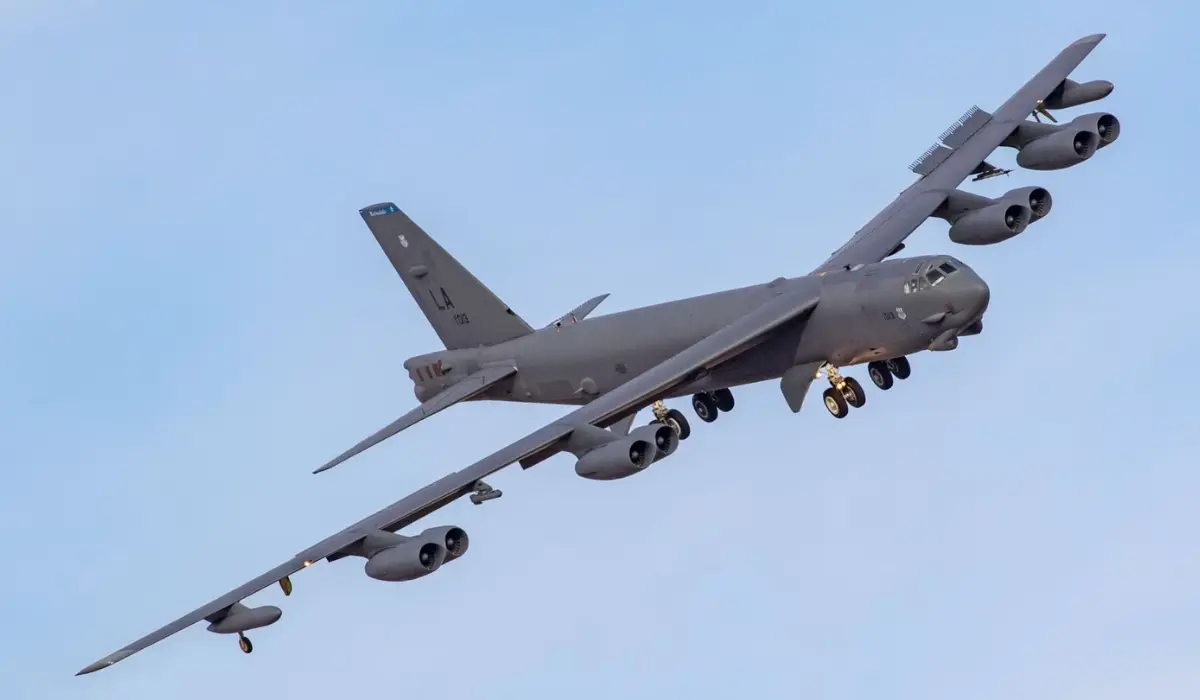
Introducing the AN/APQ-188
The US Air Force has officially selected the AN/APQ-188 Active Electronically Scanned Array (AESA) radar for the B-52. Developed by Raytheon Technologies, this modern system completely replaces the failing, mechanically scanned AN/APQ-166 radar.
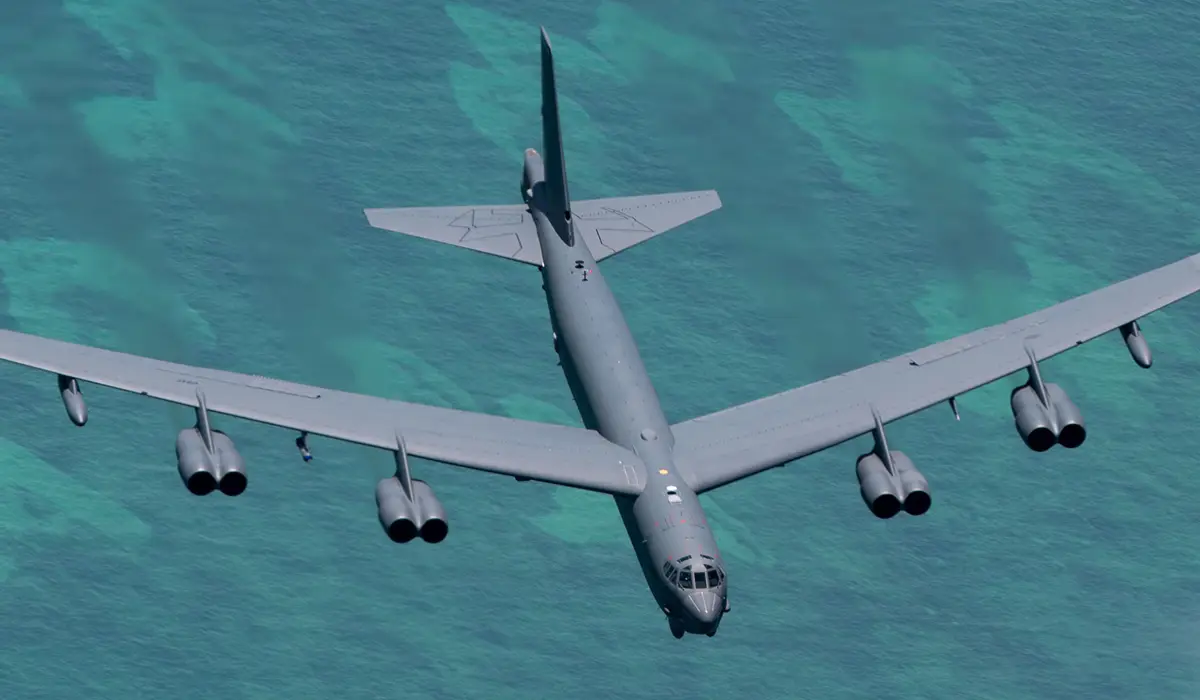
Fighter-Jet DNA
The AN/APQ-188 is heavily derived from the highly capable AN/APG-79 radar used on the US Navy's F/A-18E/F Super Hornet. It also incorporates advanced electronic elements from the AN/APG-82 system found on the Air Force's F-15E and F-15EX fighters.

Enhanced Targeting Precision
This advanced AESA radar will grant the massive bomber high-resolution ground mapping capabilities. It vastly improves the B-52's ability to accurately locate and track targets across the surface or through the air in contested environments.
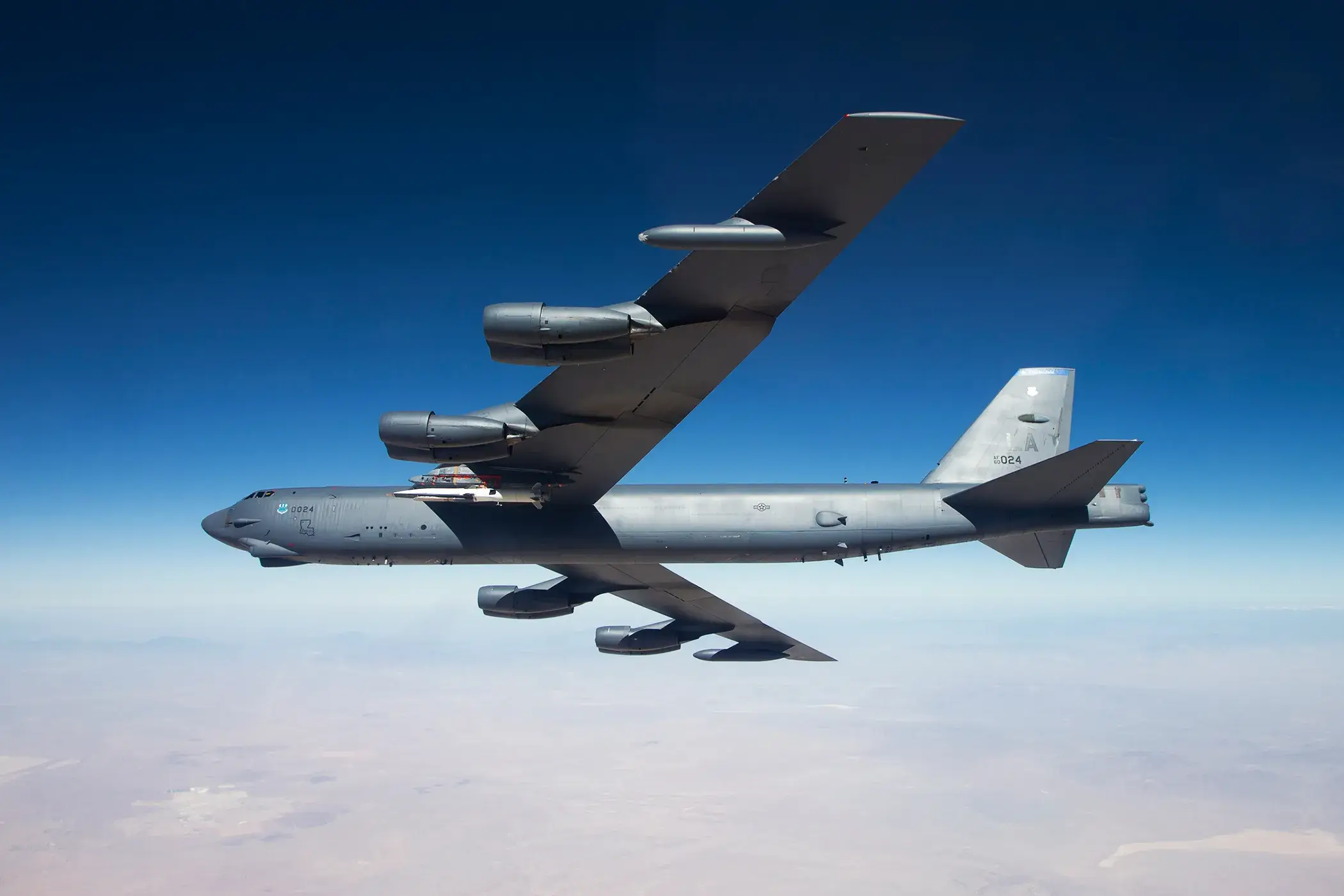
Advanced Navigation and Displays
Beyond targeting, the upgrade provides robust all-weather navigation to support the aircraft's global strike mission. The bomber's crew stations are also being fitted with two large 8x20-inch high-definition touchscreens to manage radar imagery and legacy displays.
Ground and Flight Testing
The first B-52H modified with the new radar arrived at Edwards Air Force Base in December 2025. A dedicated test team will conduct rigorous ground and flight tests throughout 2026 to ensure the complex system operates properly before moving into full production.

A 100-Year Legacy
The radar upgrade is a cornerstone of the broader B-52J configuration, which also includes new Rolls-Royce F130 engines. These comprehensive modifications ensure the Stratofortress will seamlessly operate alongside the new B-21 Raider, potentially reaching an unprecedented 100 years of active service.
)
)
)
)
)