Which missiles is the US military using most in the war against Iran?

The US military is utilising Tomahawk cruise missiles for deep strikes against Iranian targets, while relying heavily on SM-6, Patriot PAC-3, and THAAD interceptors to defend against retaliatory ballistic missile and drone attacks.
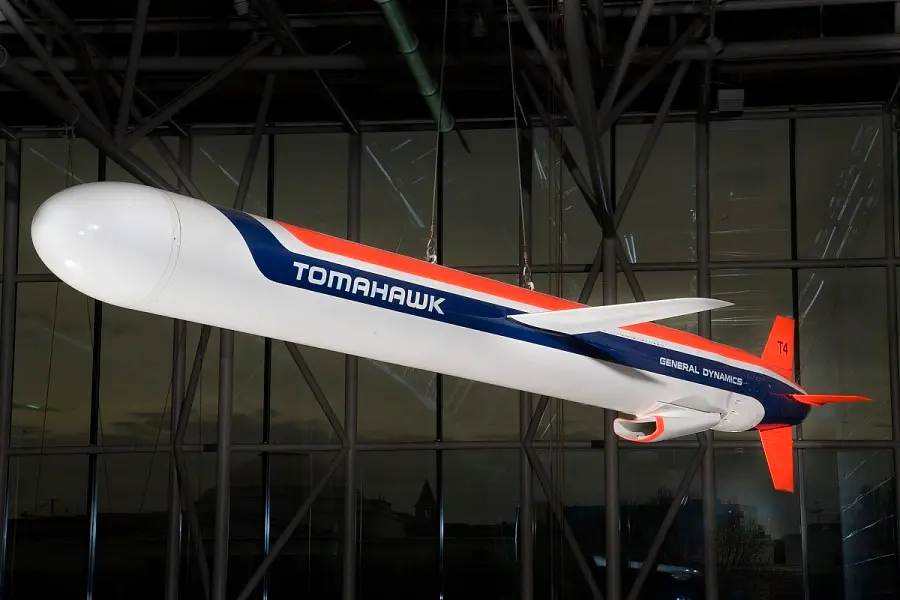
Tomahawk Land Attack Missiles (TLAM)
The US Navy heavily relies on Tomahawk cruise missiles fired from destroyers to conduct deep precision strikes. These low-flying weapons safely dismantle Iranian radar and military bases from hundreds of miles away.
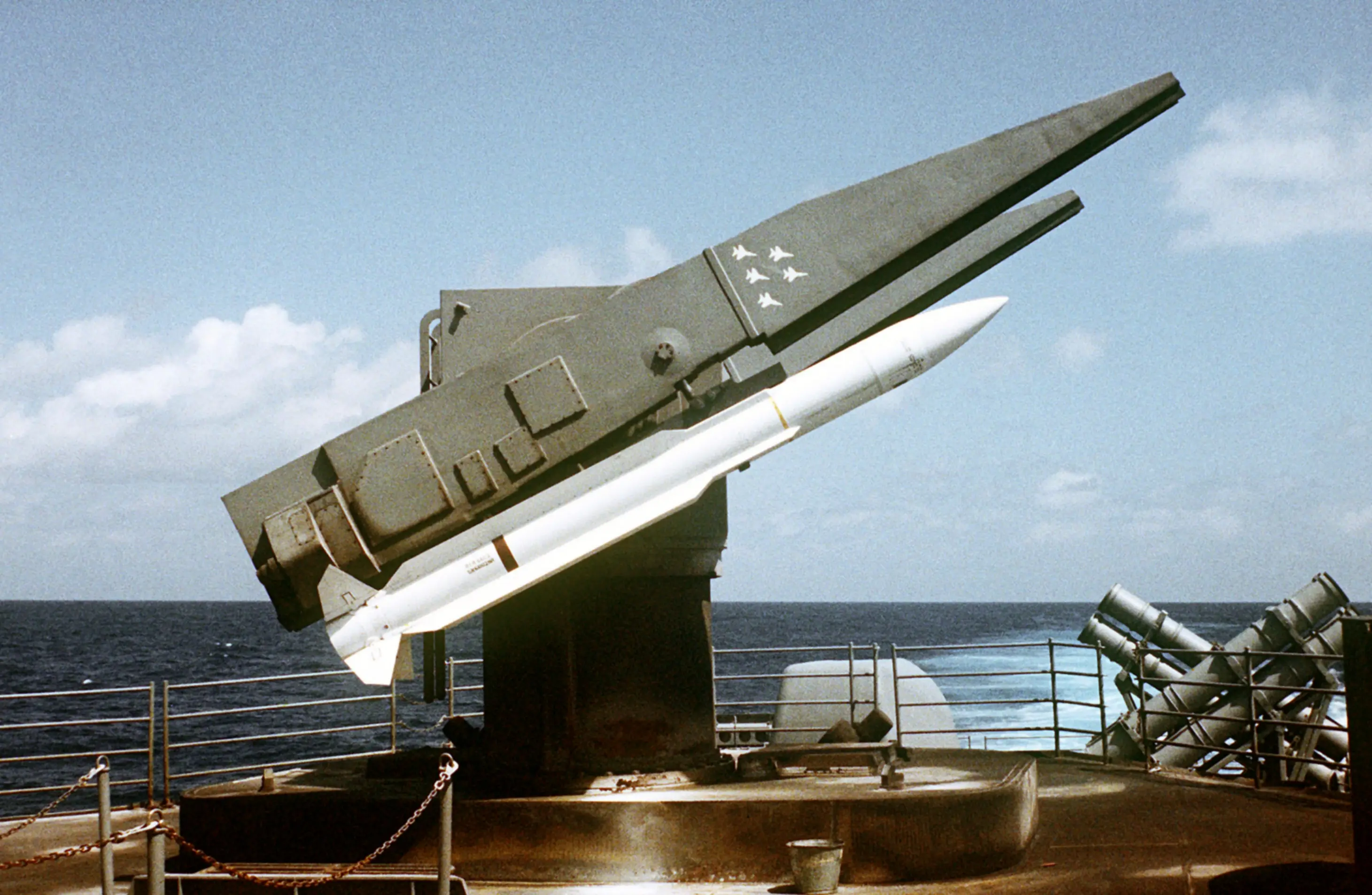
Standard Missile-6 (SM-6)
To protect its Carrier Strike Groups from advanced ballistic threats, the US deploys the highly versatile SM-6. Costing over $4 million each, this cutting-edge interceptor can shoot down incoming missiles and hostile aircraft.
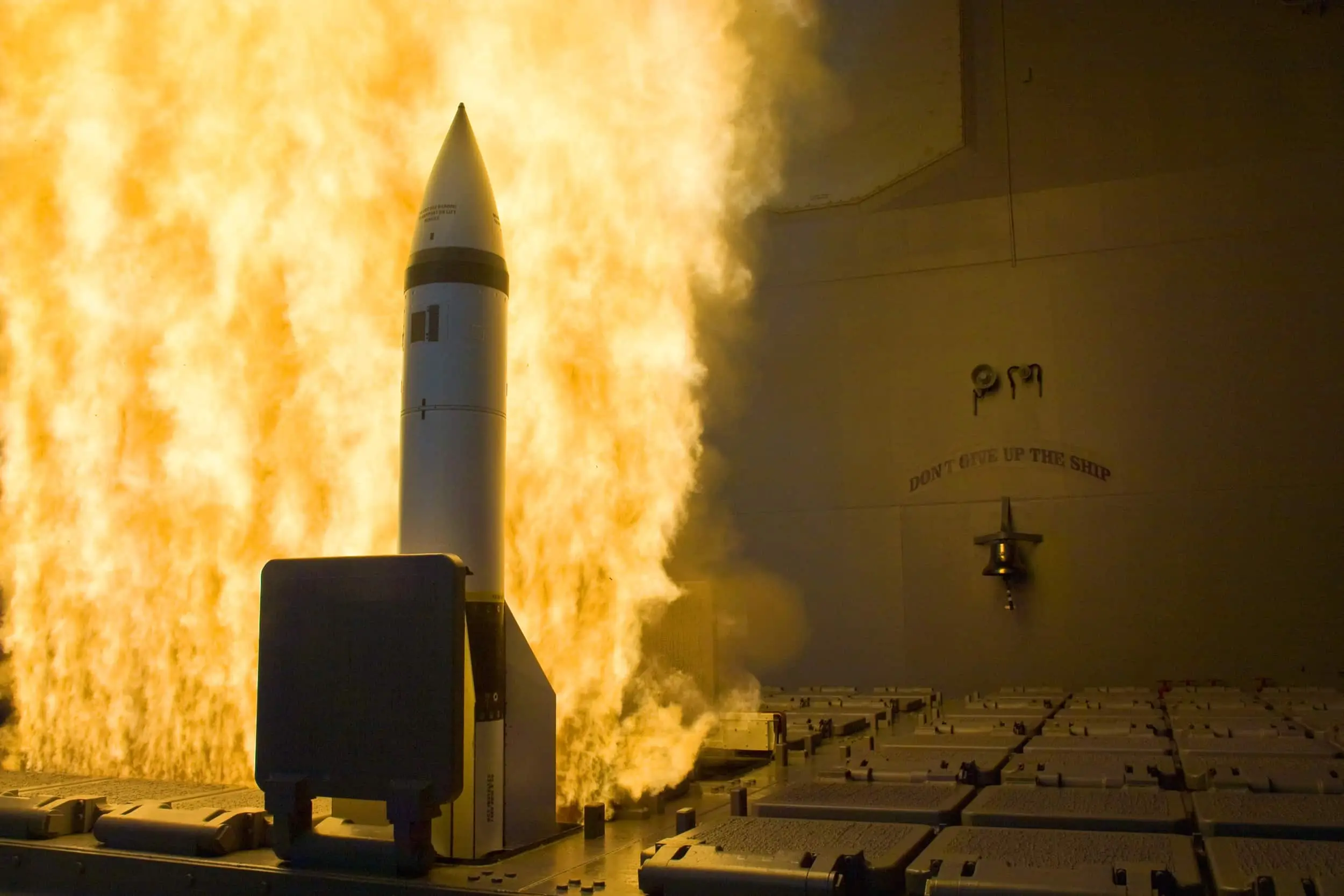
Standard Missile-2 (SM-2)
For the bulk of its naval air defence against Iranian drone swarms and cruise missiles, the Navy uses the combat-proven SM-2. This surface-to-air missile provides a reliable, medium-range defensive shield for American warships.
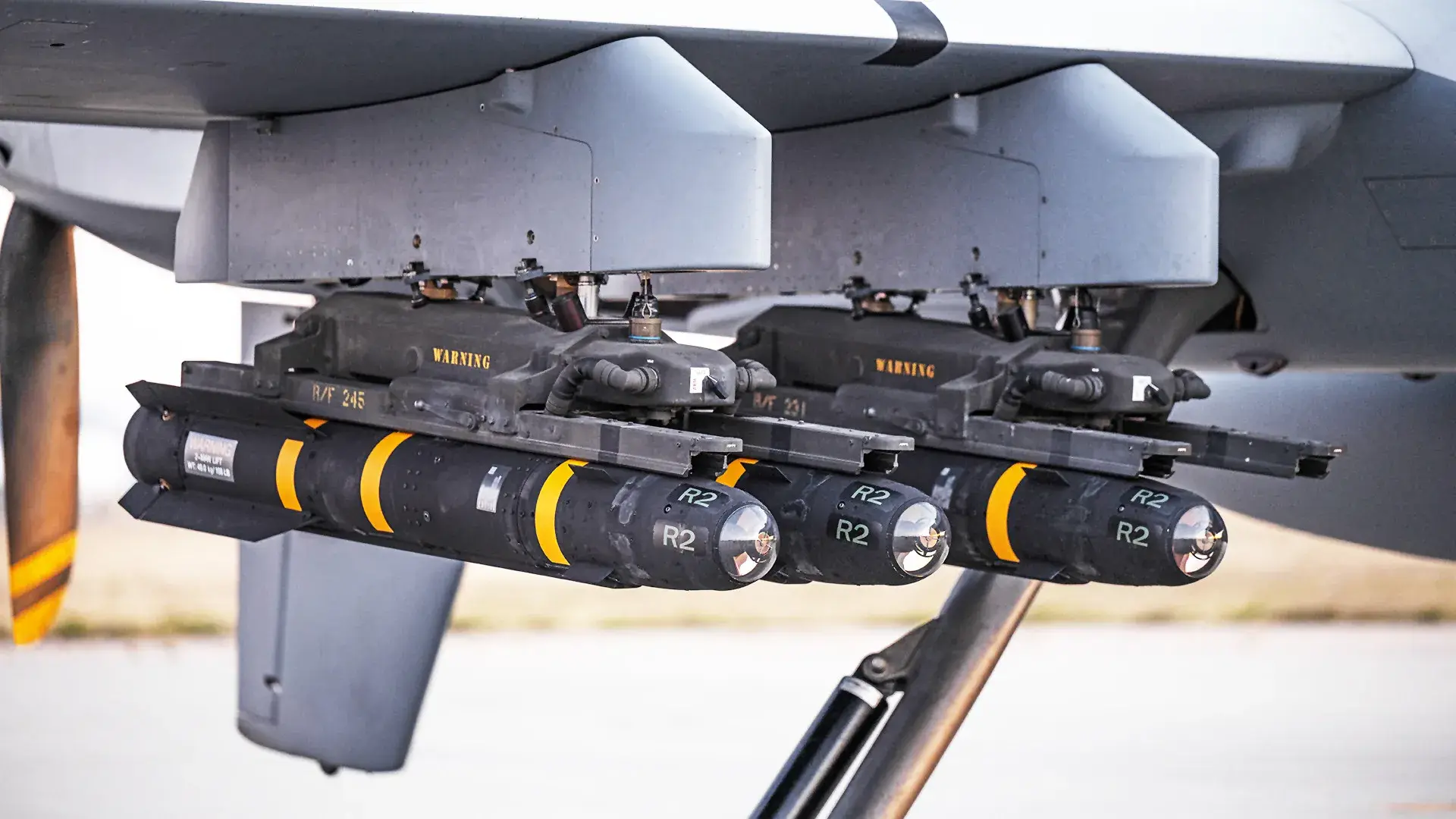
AGM-114 Hellfire Missiles
US forces and their allies use laser-guided Hellfire missiles for pinpoint, air-to-ground tactical strikes. The US recently rushed hundreds of these precision weapons to the region to target specific military infrastructure and leadership.
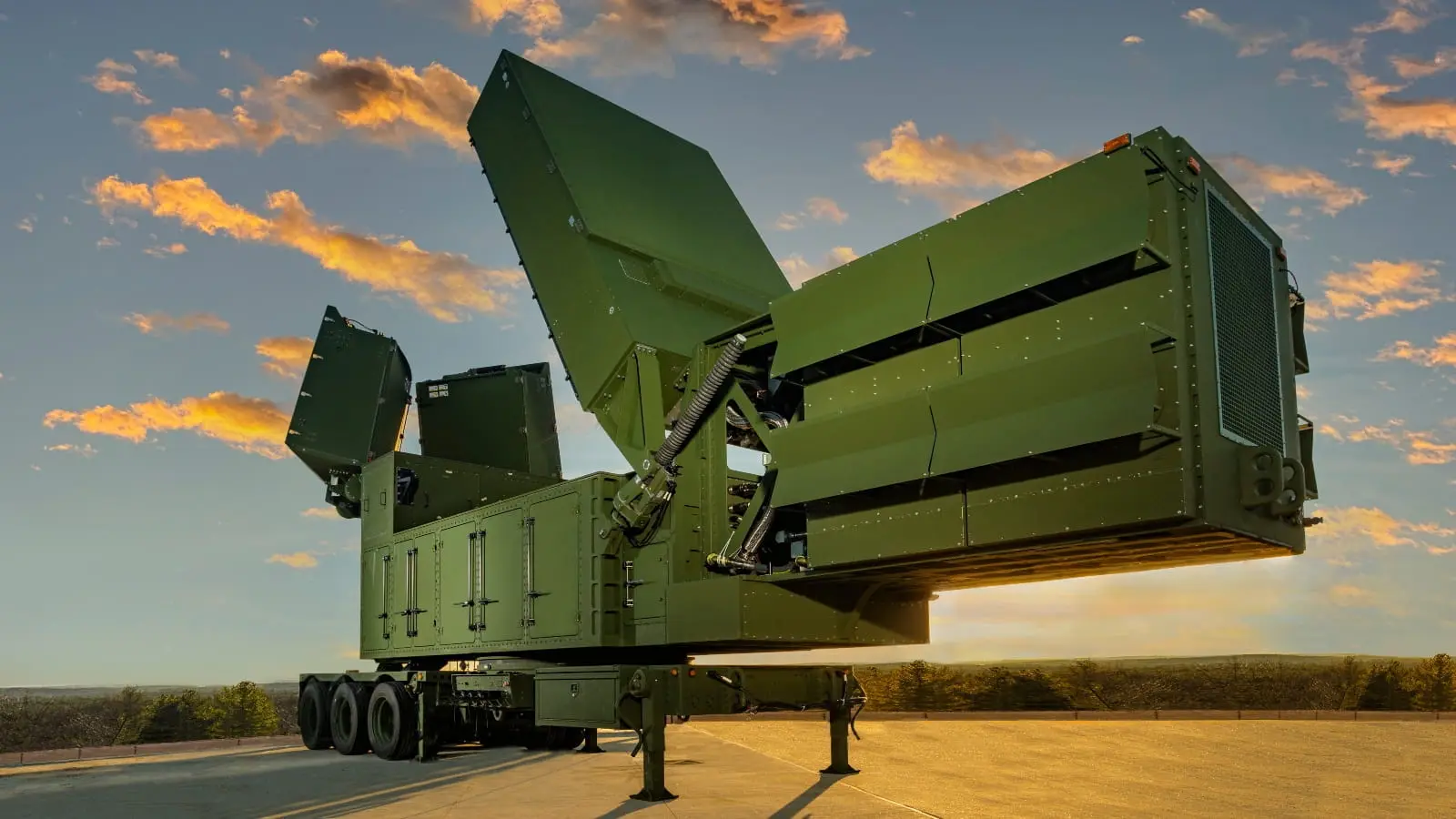
Patriot PAC-3 Interceptors
To protect critical land bases across the Gulf, the US military relies on Patriot PAC-3 batteries. These hit-to-kill interceptors are essential for shooting down short- and medium-range Iranian ballistic missiles before they reach allied territory.
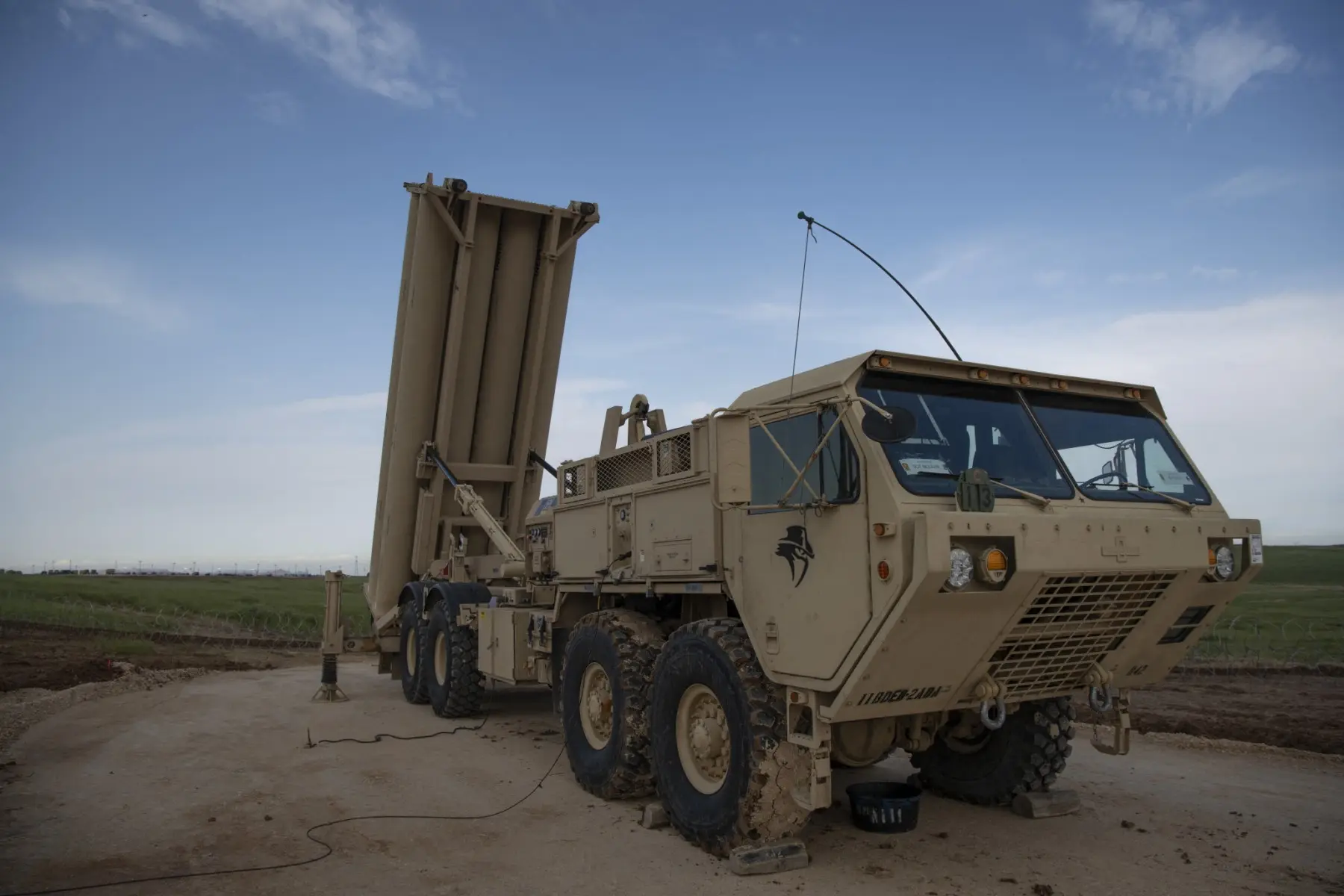
THAAD Anti-Ballistic Missiles
For high-altitude, exo-atmospheric defence, the military activates the Terminal High Altitude Area Defense (THAAD) system. These massive interceptors form the upper tier of the US shield against Iran's longest-range ballistic threats.
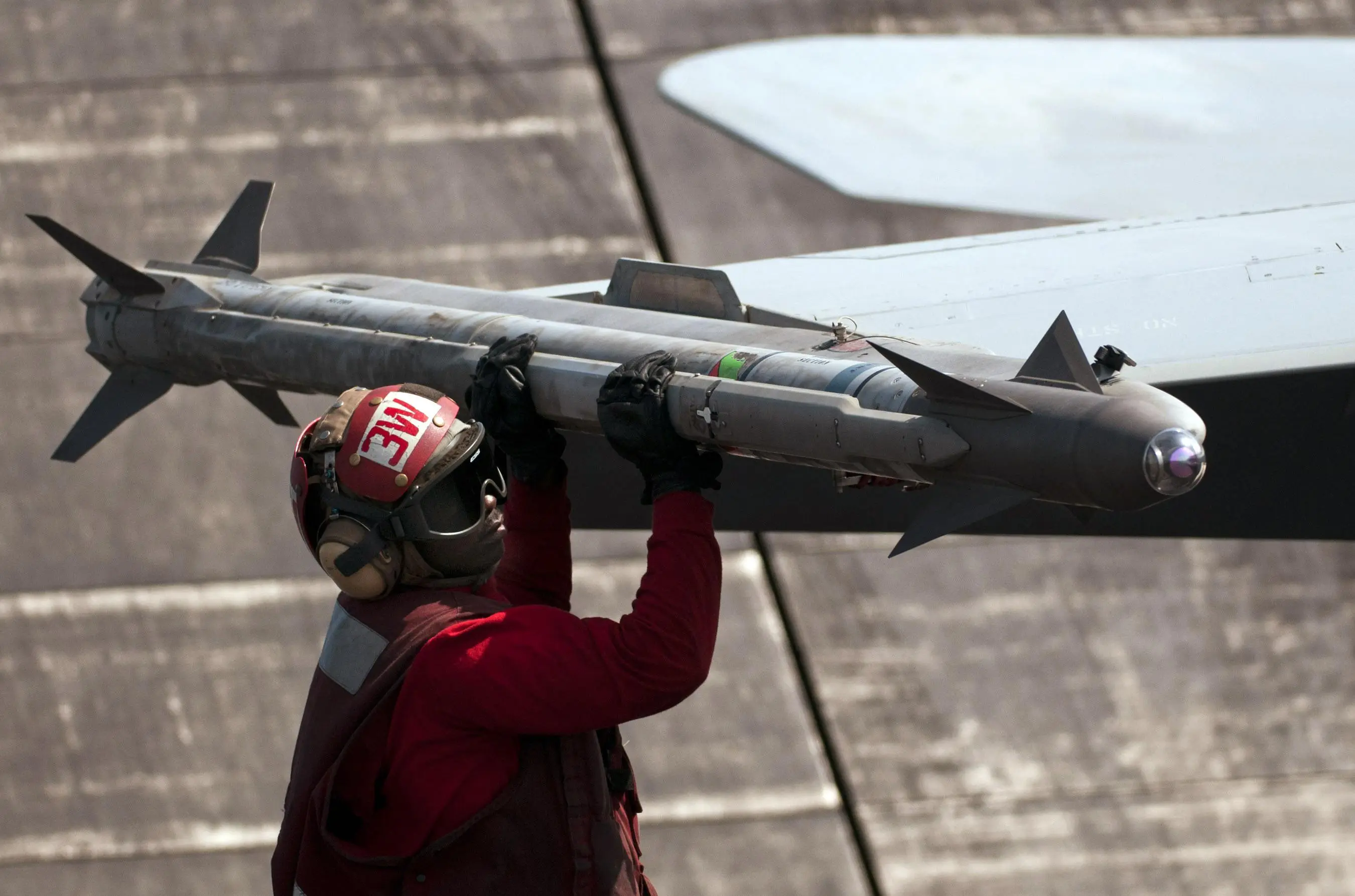
AIM-9X Sidewinder Missiles
US Air Force and Navy fighter jets regularly deploy AIM-9X Sidewinder air-to-air missiles during combat patrols. These infrared-tracking weapons are frequently used by American pilots to safely eliminate Iranian suicide drones mid-air.
)

)
)
)