Which Mexican cartels operate near Venezuela and the Caribbean

The Sinaloa Cartel and CJNG are the primary Mexican groups operating around Venezuela and the Caribbean. They forge alliances with local officials and guerrilla groups to use the region as a strategic launchpad for global cocaine shipments, rather than holding territory directly.

The Primary Players Sinaloa and CJNG dominate the region
The Sinaloa Cartel and the Jalisco New Generation Cartel (CJNG) are the main Mexican criminal organizations active in this area. InSight Crime reports they rely on strategic alliances rather than direct territorial control to move shipments through Venezuela.
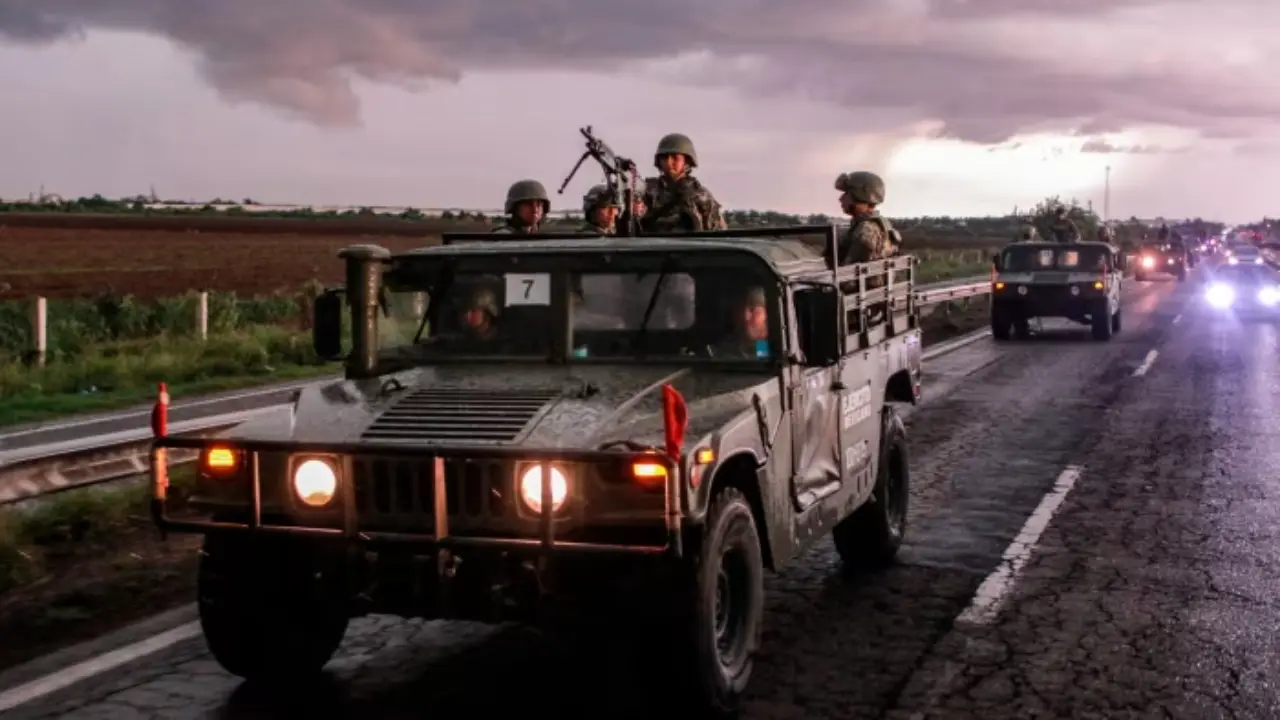
The Sinaloa Cartel's Deep Networks Established emissaries in place
The Sinaloa Cartel has the longest-standing presence in Venezuela. According to the US State Department, they station permanent emissaries in the country to coordinate cocaine flights headed towards the Caribbean and Central America.
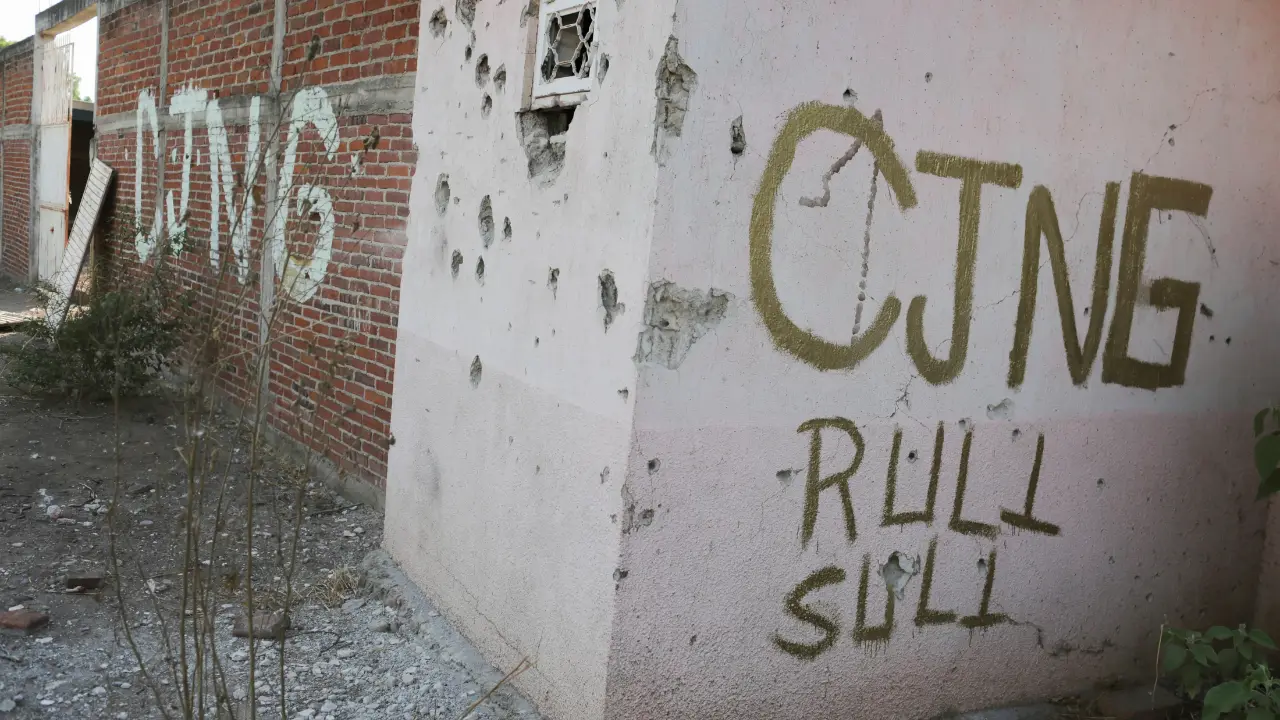
CJNG's Aggressive Expansion Rivaling for maritime routes
The CJNG has aggressively expanded its footprint to challenge Sinaloa's dominance. Reuters investigative reports indicate they are increasingly active in securing maritime routes through the Caribbean to transport cocaine towards Europe.

Alliances with the 'Cartel of the Suns' Buying state protection
Mexican cartels partner with local power structures rather than operating alone. US authorities state that they pay high-ranking Venezuelan military officials, known as the 'Cartel of the Suns', for safe passage and logistical support.

Guerrillas as Brokers Partnering with FARC and ELN
In border regions like Zulia and Apure, cartels rely on Colombian guerrilla groups. Human Rights Watch notes that FARC dissidents and the ELN act as armed brokers and enforcers, securing transit corridors for Mexican buyers.

The Caribbean Transit Zone Moving shipments north and east
The Caribbean serves as a critical transit corridor for these cartels. The UNODC explains that shipments move via fast boats, fishing vessels, and small planes through island nations towards lucrative US and European markets.
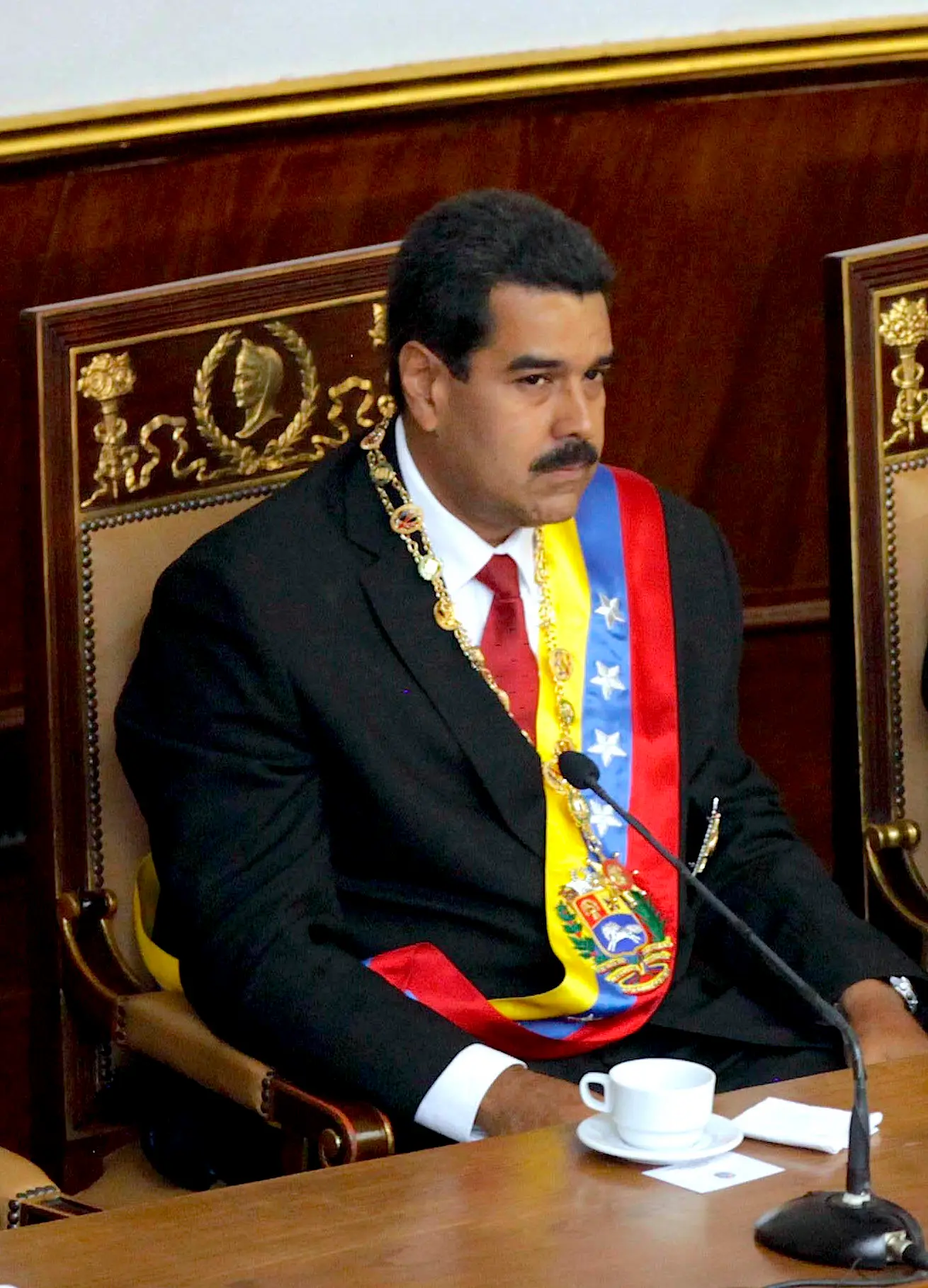
Venezuela as a Strategic Hub A low-risk warehouse
Venezuela acts as a strategic warehouse and launchpad for Mexican transnational organisations. Experts at The Brookings Institution observe that it offers a low-risk environment for consolidating large volumes of drugs before they cross the Caribbean.
)
)
)
)
)