Which is India’s highest gallantry award? All you need to know about the different gallantry medals

The design, bearing the Vajra (thunderbolt) of Lord Indra, was created by Savitribai Khanolkar. The PVC is rarely awarded, only a handful of soldiers have received it since independence, the majority posthumously.
Introduction
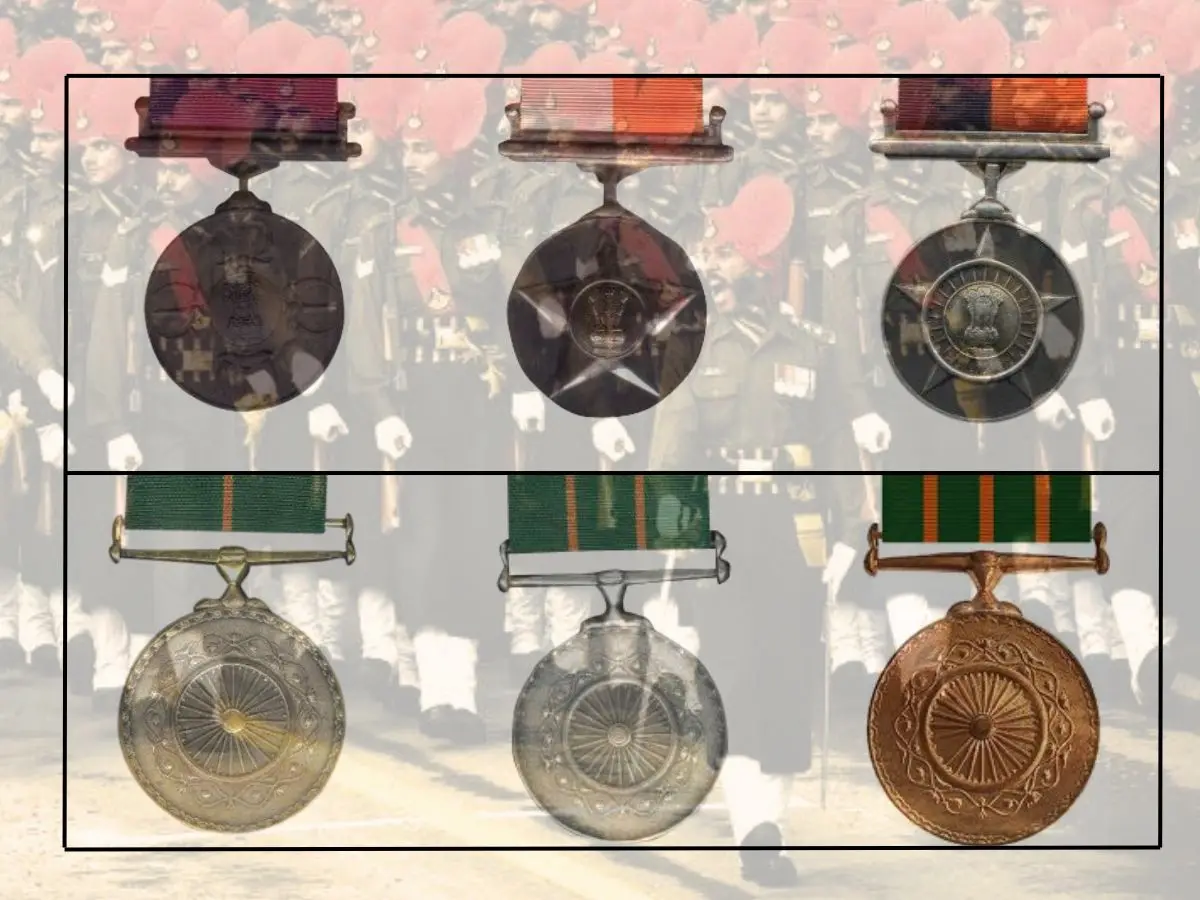
Gallantry awards are the formal recognition of courage under threat, the moments when ordinary men and women act beyond the call of duty. They record not just acts of bravery, but also the moral resolve that defines the armed forces. Understanding how India classifies these awards, and what each represents, offers insight into how the nation honours its defenders in both war and peace.
The Highest Award: Param Vir Chakra
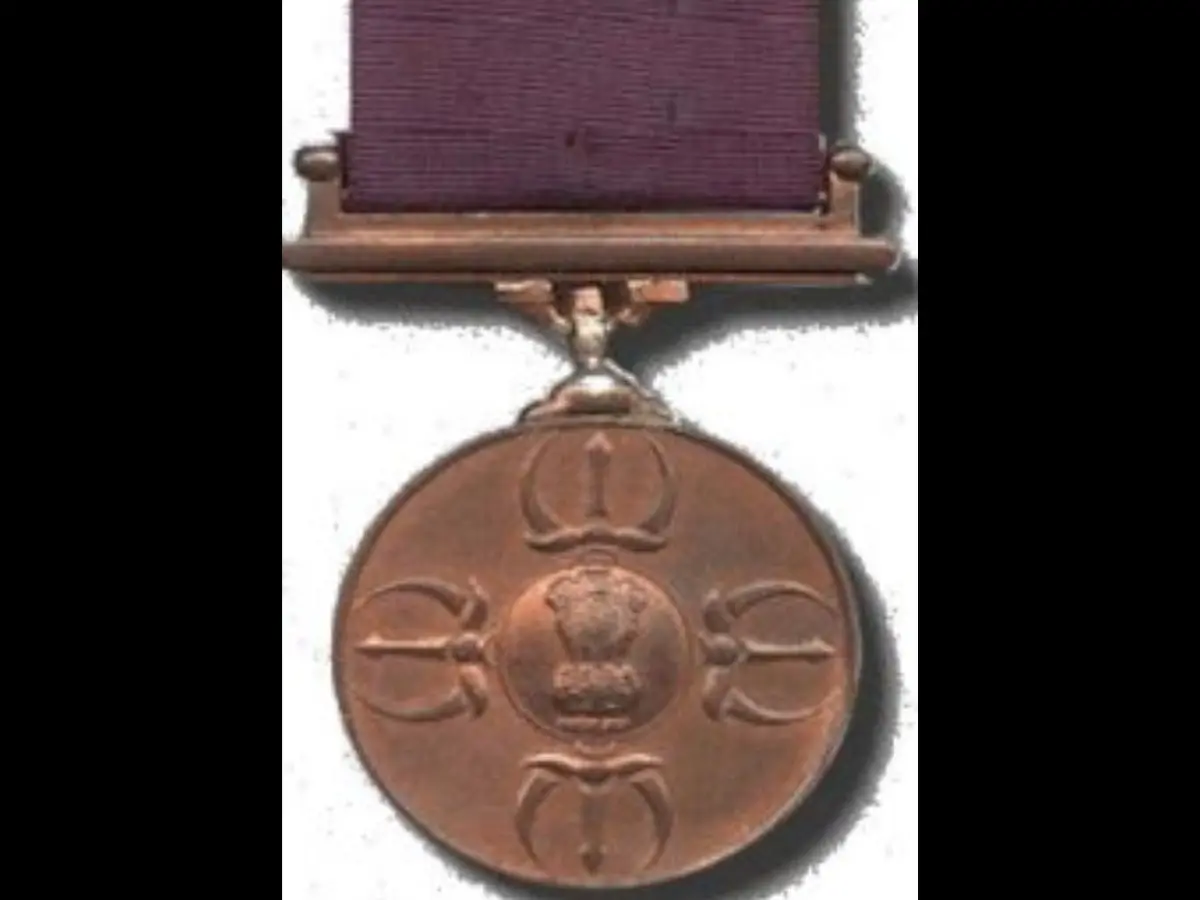
The Param Vir Chakra (PVC) is India’s highest military decoration for valour 'in the presence of the enemy.' It was instituted on August 15, 1947 and formally established on January 26, 1950. The medal is awarded for the most conspicuous bravery or daring act of valour on the battlefield, whether on land, at sea, or in the air. The design, bearing the Vajra (thunderbolt) of Lord Indra, was created by Savitribai Khanolkar. The PVC is rarely awarded, only a handful of soldiers have received it since independence, the majority posthumously.
The First Param Vir Chakra Recipient
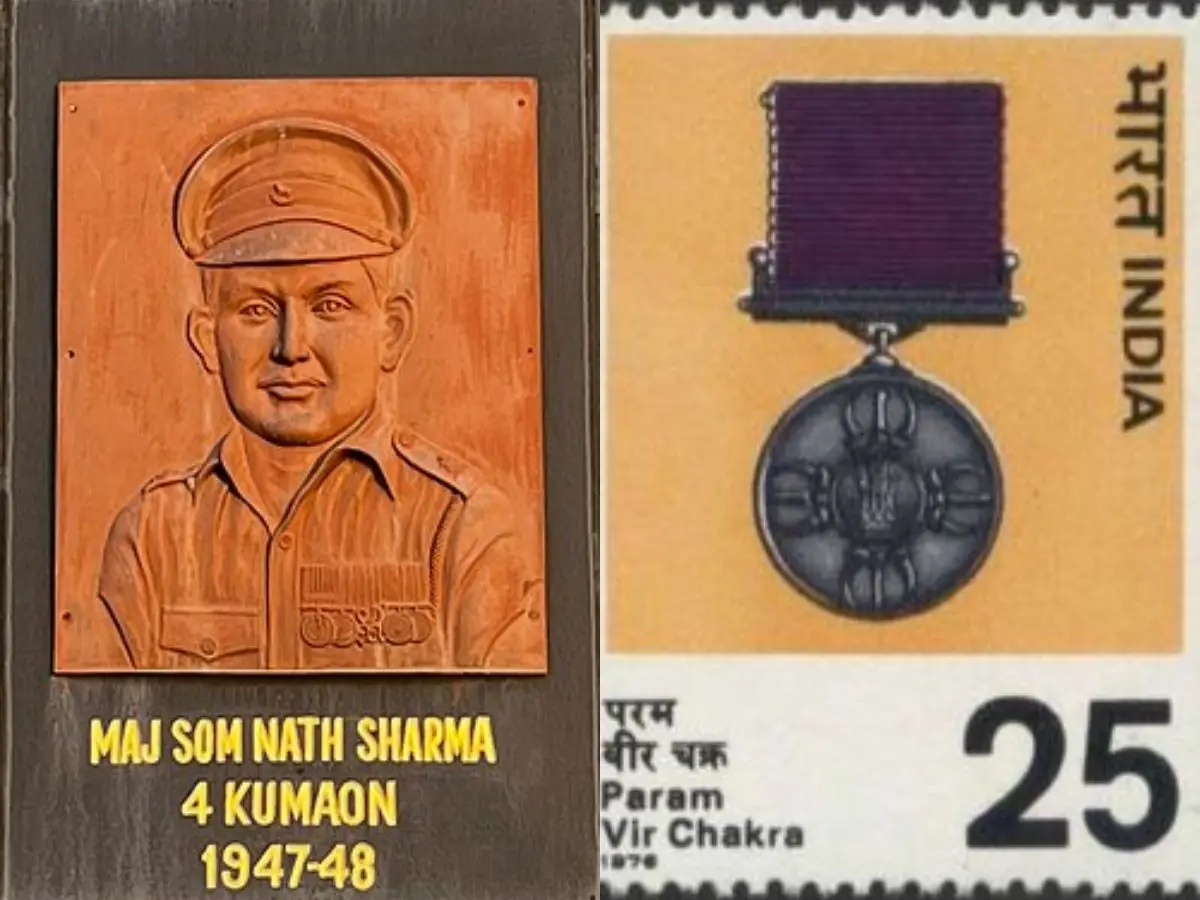
Major Somnath Sharma of the 4th Battalion, Kumaon Regiment, was the first soldier to receive the Param Vir Chakra. During the 1947–48 Kashmir conflict, despite a fractured arm, he led his company in the defence of Badgam airfield against overwhelming enemy numbers. His last recorded message, vowing to hold his ground 'to the last man and the last round', has since become emblematic of the award’s spirit. Major Sharma was honoured posthumously for his leadership and sacrifice.
Second in Wartime Precedence: Maha Vir Chakra
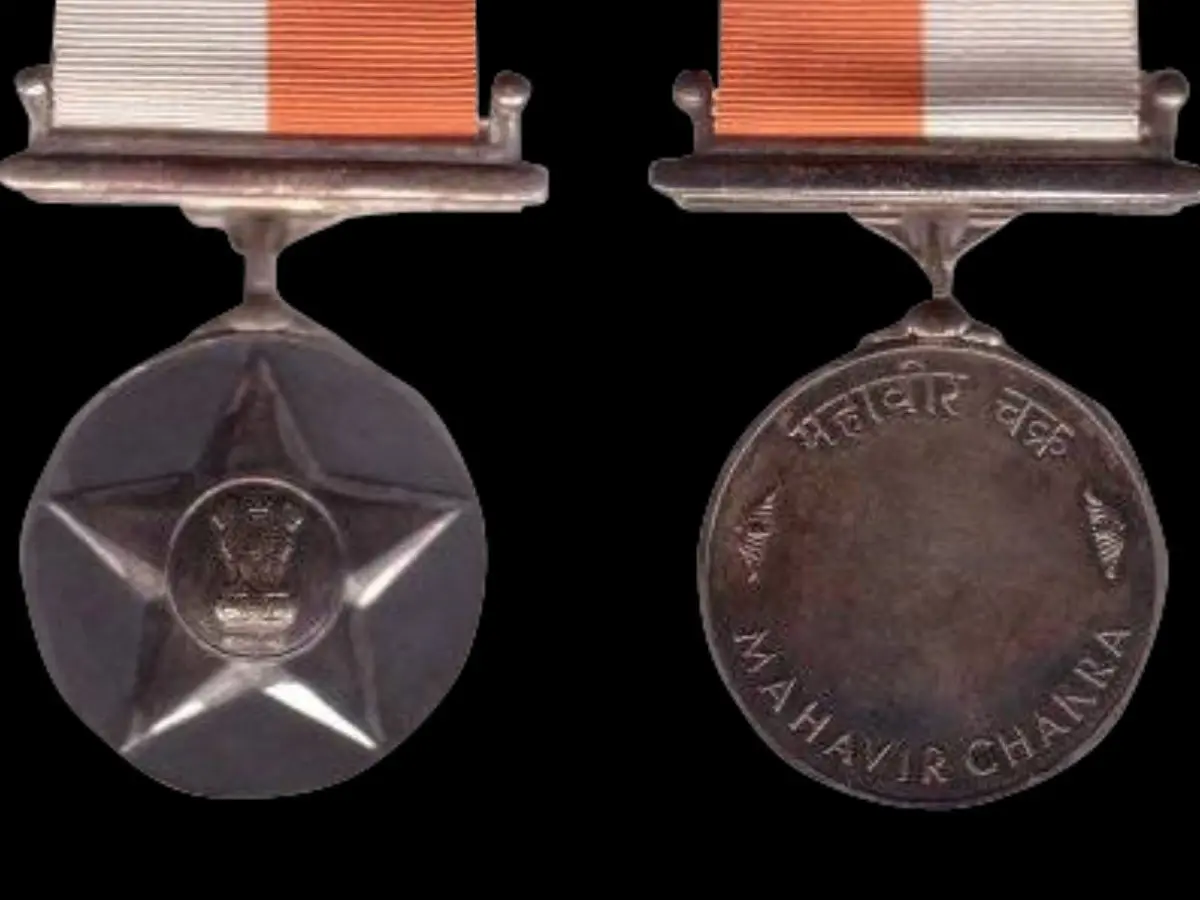
The Maha Vir Chakra (MVC) ranks immediately below the PVC. It is awarded for acts of outstanding gallantry in the presence of the enemy, whether during war, border skirmishes, or active operations. The MVC can be conferred posthumously and reflects a level of courage just short of the highest distinction. It is the wartime equivalent of the Kirti Chakra in peacetime.
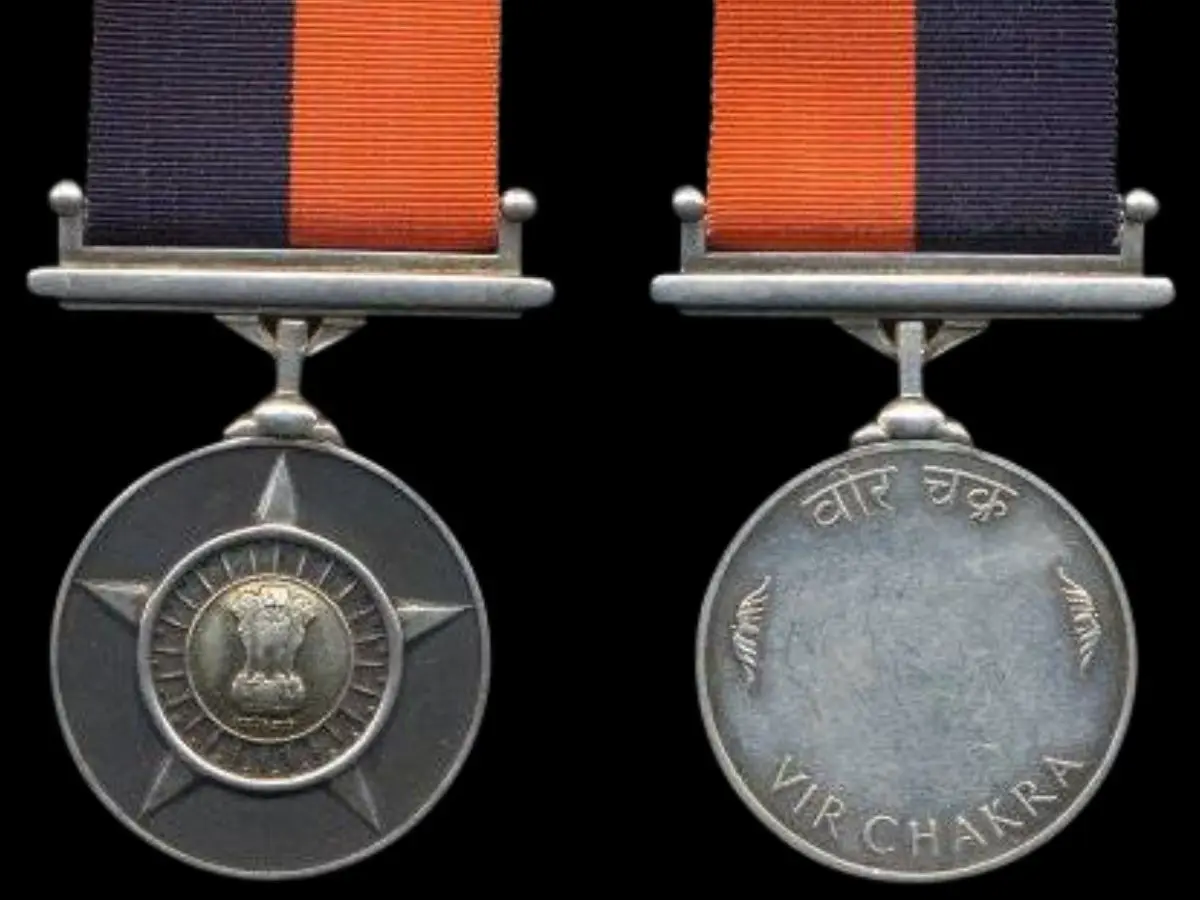
Third in Wartime Precedence: Vir Chakra
The Vir Chakra (VrC) is the third-highest wartime gallantry decoration. Instituted in 1950, it recognises acts of courage and devotion to duty in the face of the enemy. The Vir Chakra has been awarded more frequently than the higher two, often to soldiers whose bravery turned the course of battle or inspired their comrades.
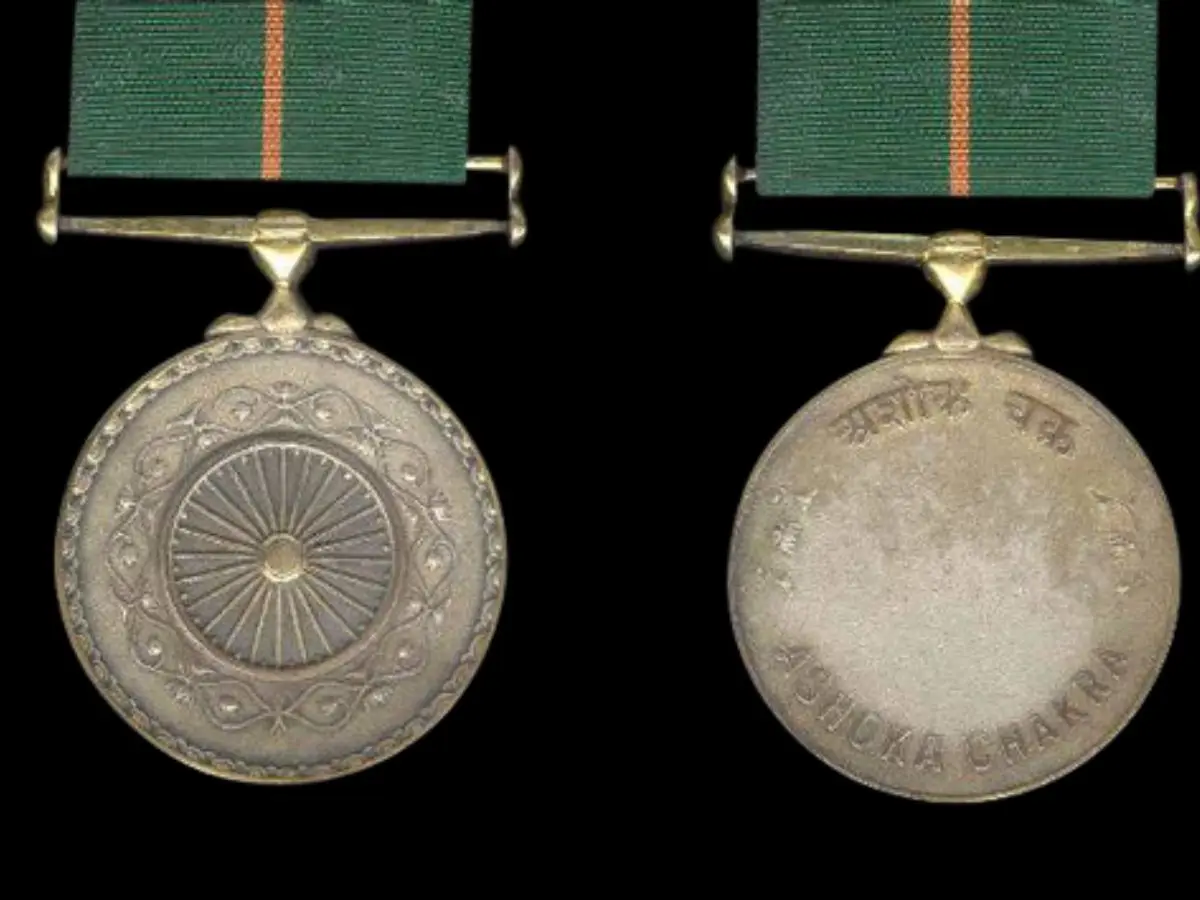
Peacetime Highest: Ashoka Chakra
The Ashoka Chakra is India’s highest decoration for valour away from the battlefield. Established in 1952, it honours acts of the greatest courage or self-sacrifice while not engaged in direct combat, including counter-insurgency operations, disaster rescue, and internal security duties. The medal is open to both military and civilian recipients, making it a rare bridge between the armed forces and civil society in the recognition of heroism.
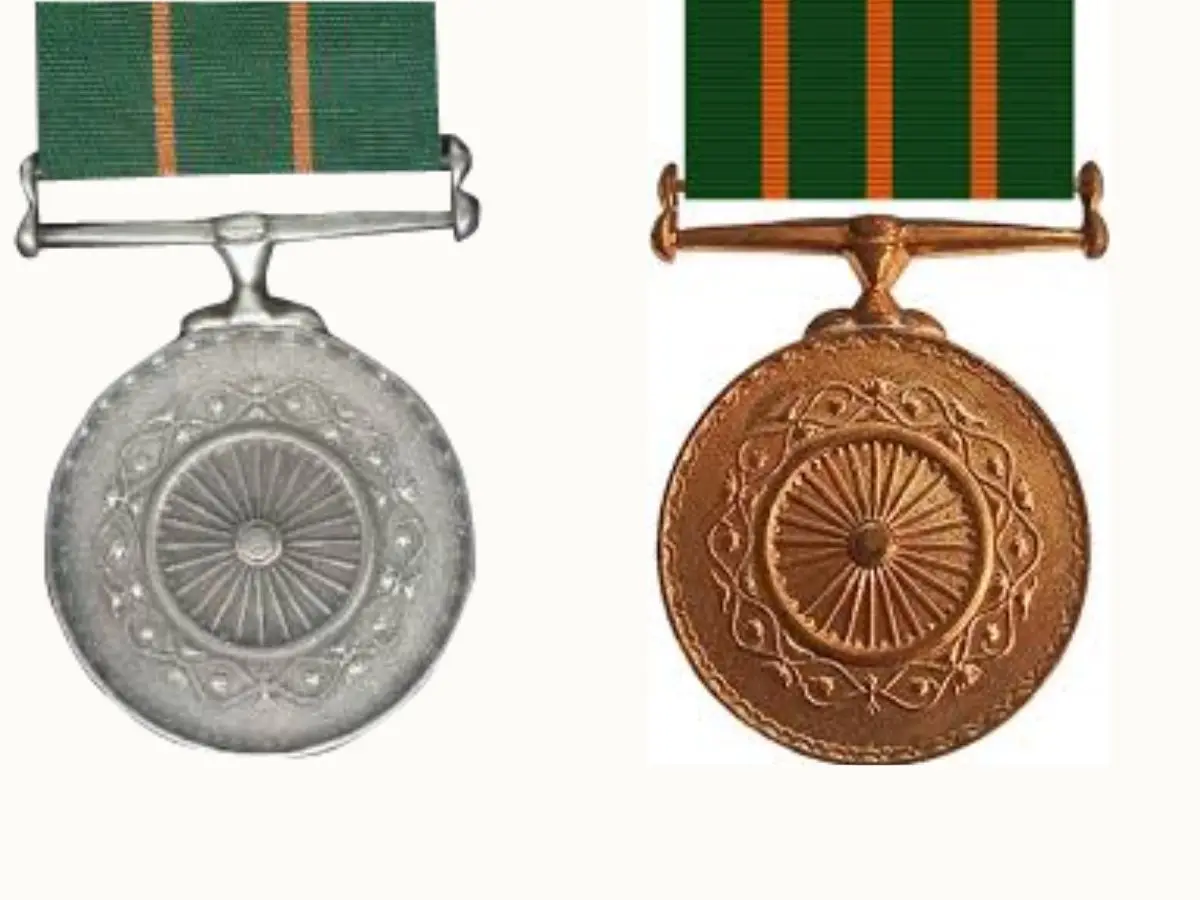
Peacetime Equivalents: Kirti Chakra and Shaurya Chakra
The Kirti Chakra and Shaurya Chakra form the second and third tiers of peacetime gallantry awards. The Kirti Chakra parallels the Maha Vir Chakra, while the Shaurya Chakra aligns with the Vir Chakra in precedence. These decorations recognise acts of courage and presence of mind that prevent loss of life or property, often in hostile or life-threatening circumstances outside declared wars.
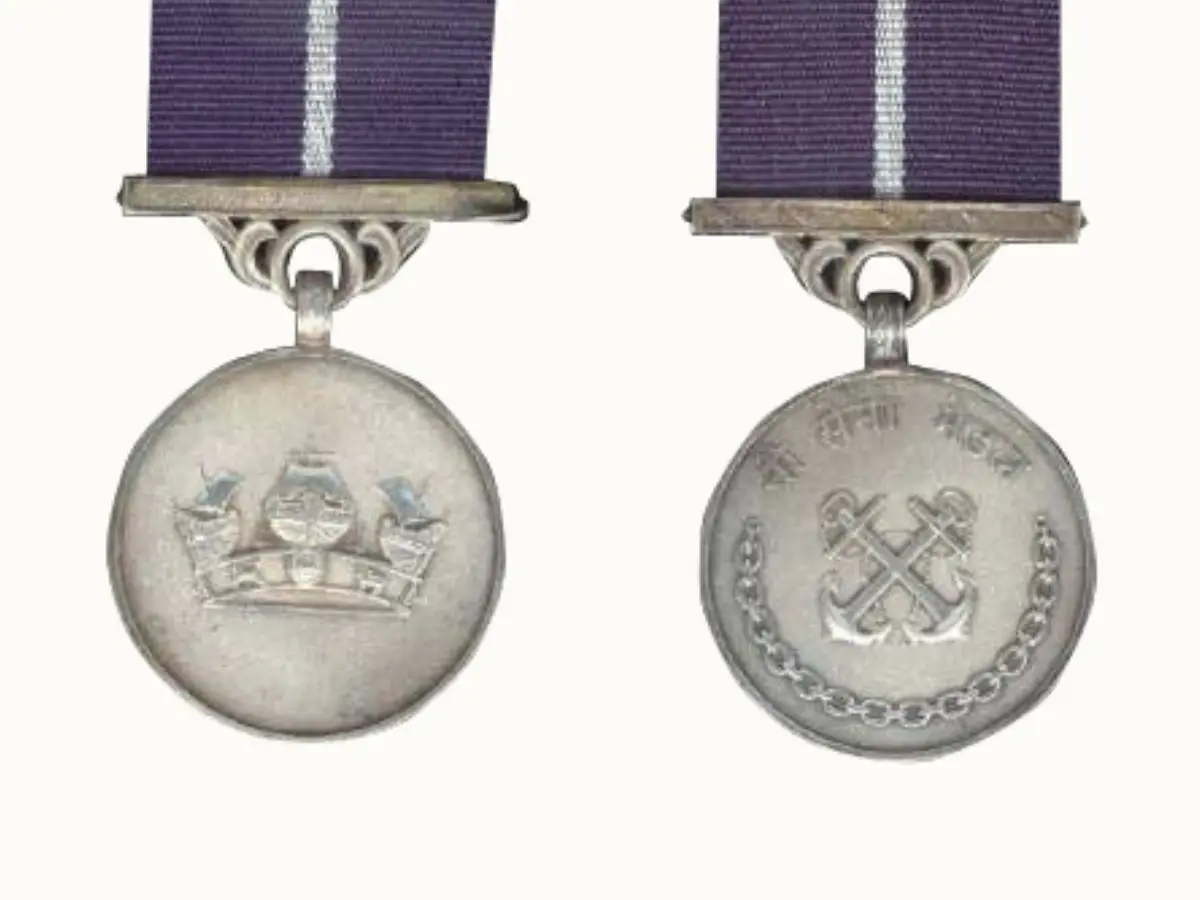
Other Recognitions and How They Are Conferred
In addition to national gallantry awards, the armed services confer Sena Medal, Nao Sena Medal, and Vayu Sena Medal for bravery within the Army, Navy, and Air Force respectively. There are also distinctions for distinguished service and leadership. All gallantry awards are announced by the President of India, typically on Republic Day and Independence Day, and carry with them pensionary and ceremonial privileges.
)
)
)
)
)