Which is easier for Iran to track and target: USS Abraham Lincoln or USS Gerald R. Ford?

While both are massive 100,000-tonne warships, the USS Abraham Lincoln is easier for Iran to track due to its larger radar cross-section. The USS Gerald R. Ford uses advanced stealth shaping to evade Iranian over-the-horizon radars and anti-ship missiles like the Khalij Fars.
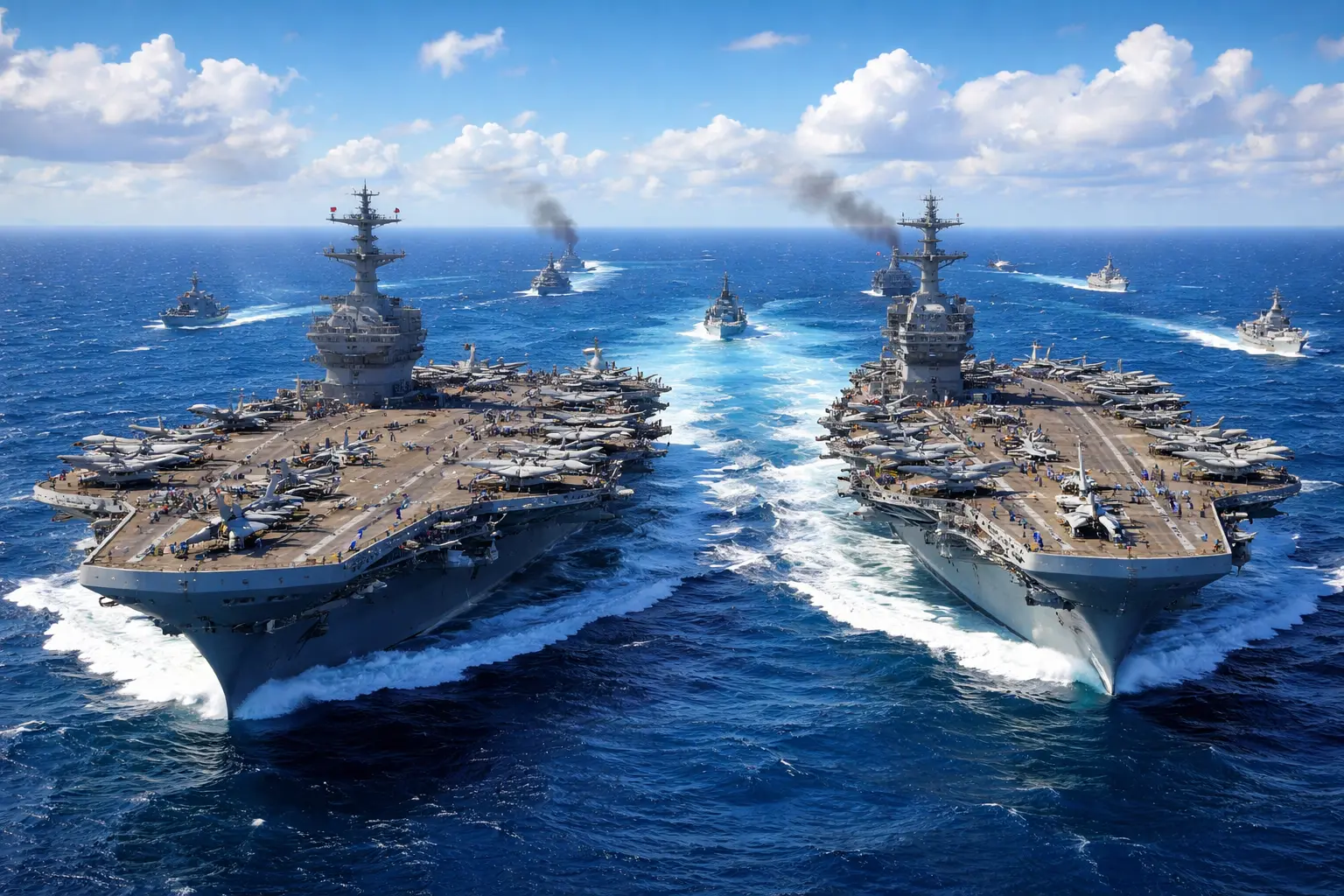
The Nimitz-class radar signature
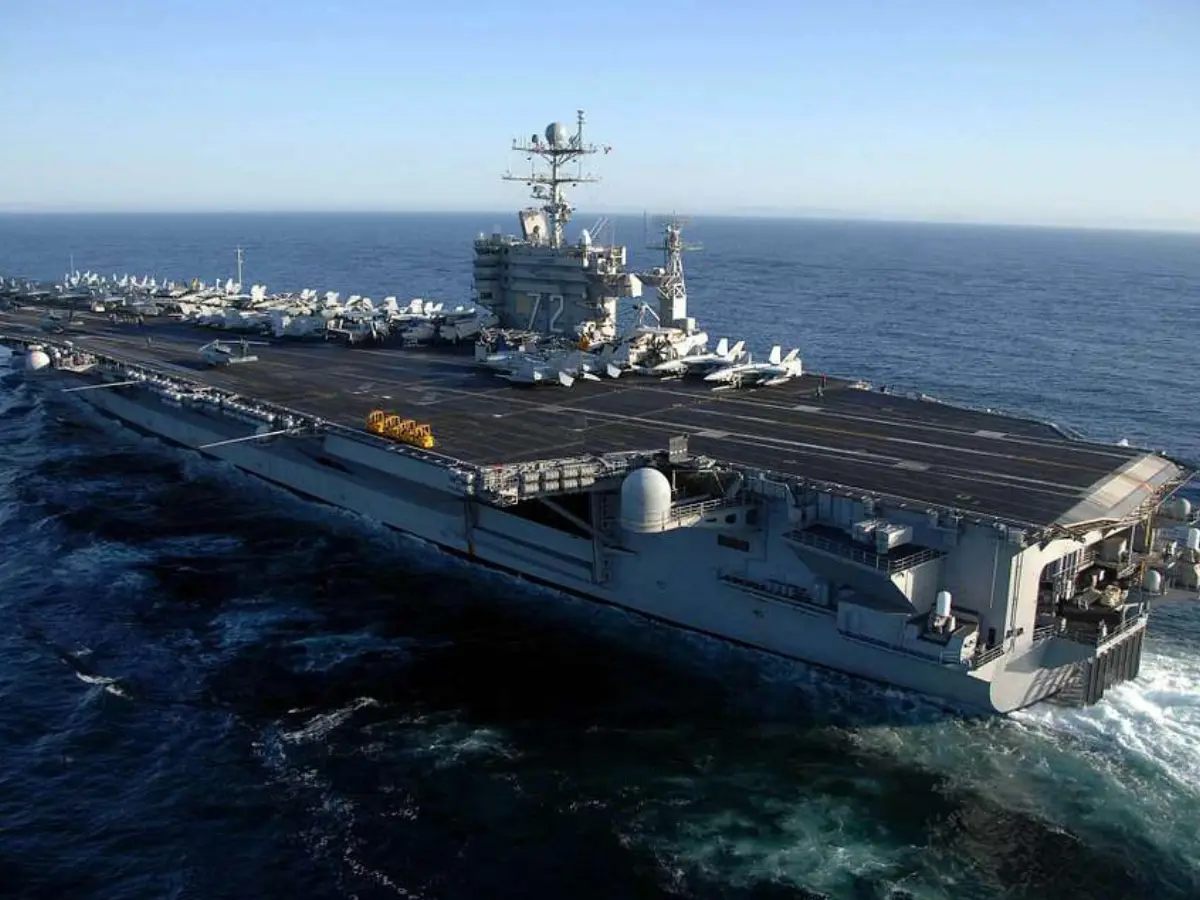
The USS Abraham Lincoln features a traditional, bulky island and mast structure that naturally reflects a larger radar cross-section. If compared with the USS Gerald R. Ford. This makes the Nimitz-class carrier significantly easier for enemy sensors to detect at long distances.
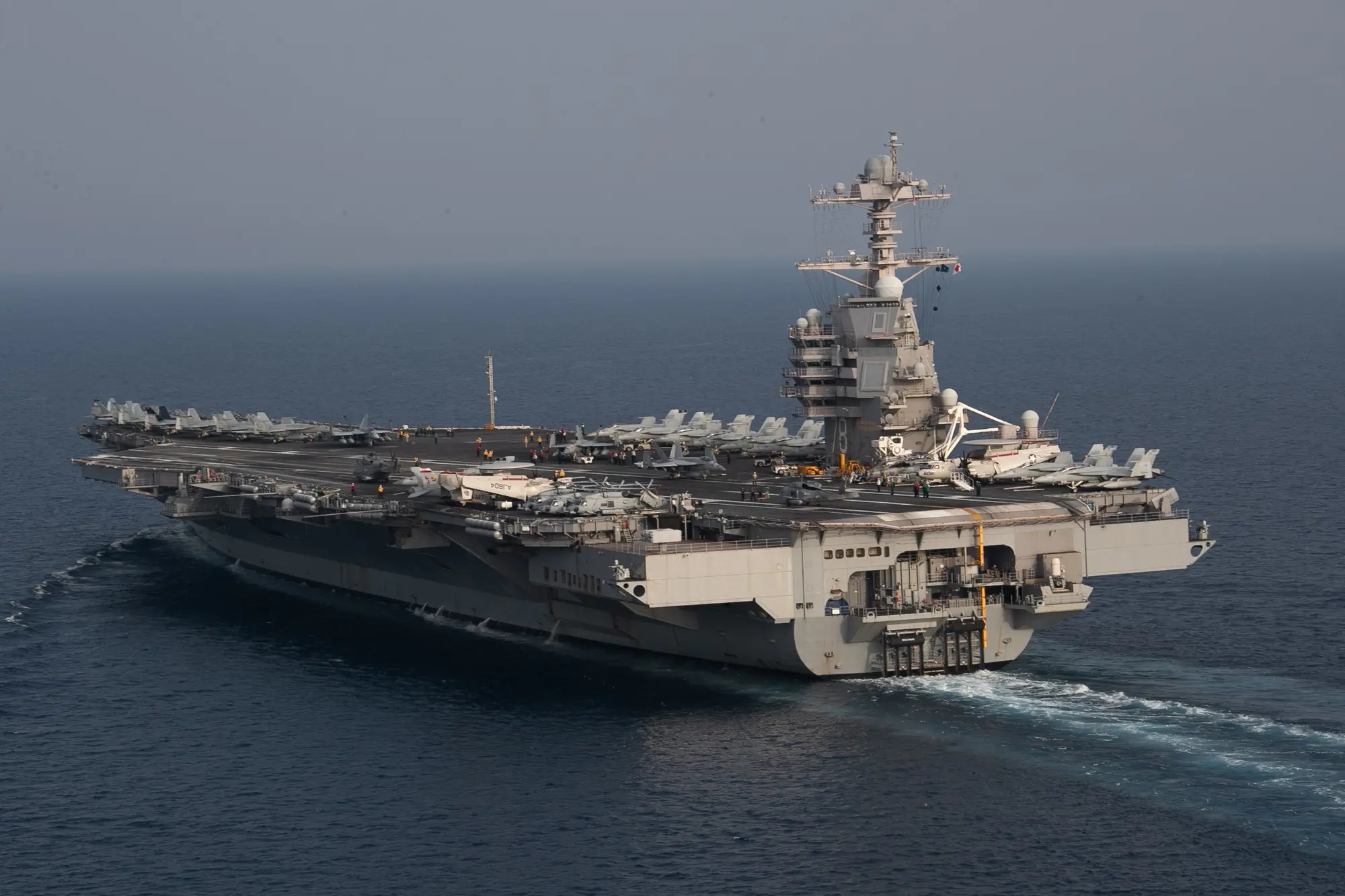
The Ford's stealth advantages
The USS Gerald R. Ford was built with a redesigned, smaller island pushed further back on the deck to scatter incoming radar waves. This advanced shaping reduces its digital footprint, making it harder for Iran to track than the Lincoln.
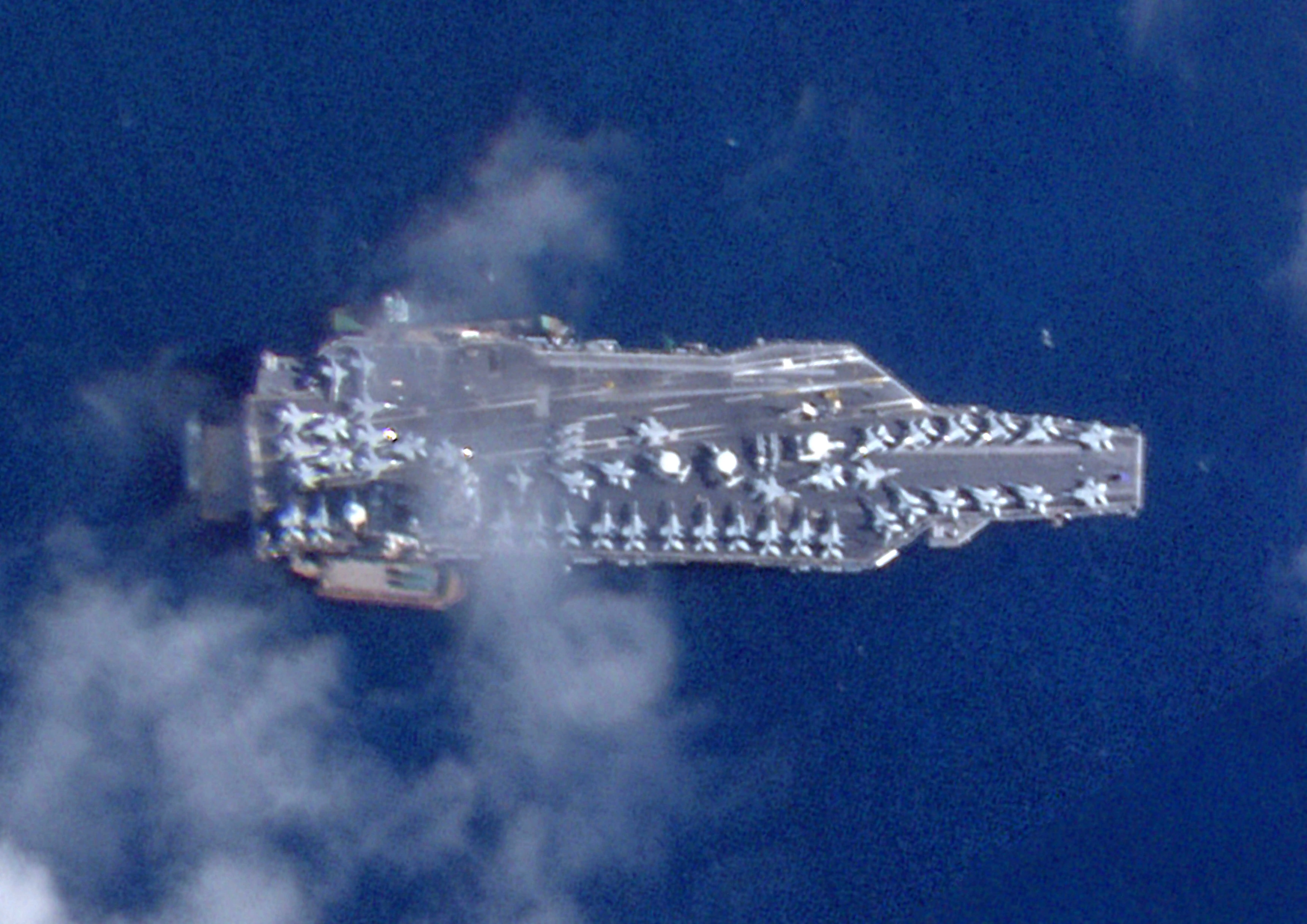
Iran's over-the-horizon radars
To locate American warships, Iran relies on massive Over-The-Horizon (OTH) radar networks like the Sepehr and Ghadir systems. These land-based arrays can reportedly detect large surface vessels up to 1,100 kilometres away.
Tracking via reconnaissance drones
Beyond radar, the Islamic Revolutionary Guard Corps (IRGC) deploys long-range surveillance drones like the Mohajer-6 to visually track carriers. The Lincoln's older electronic warfare suites may take longer to blind these drones compared to the Ford.
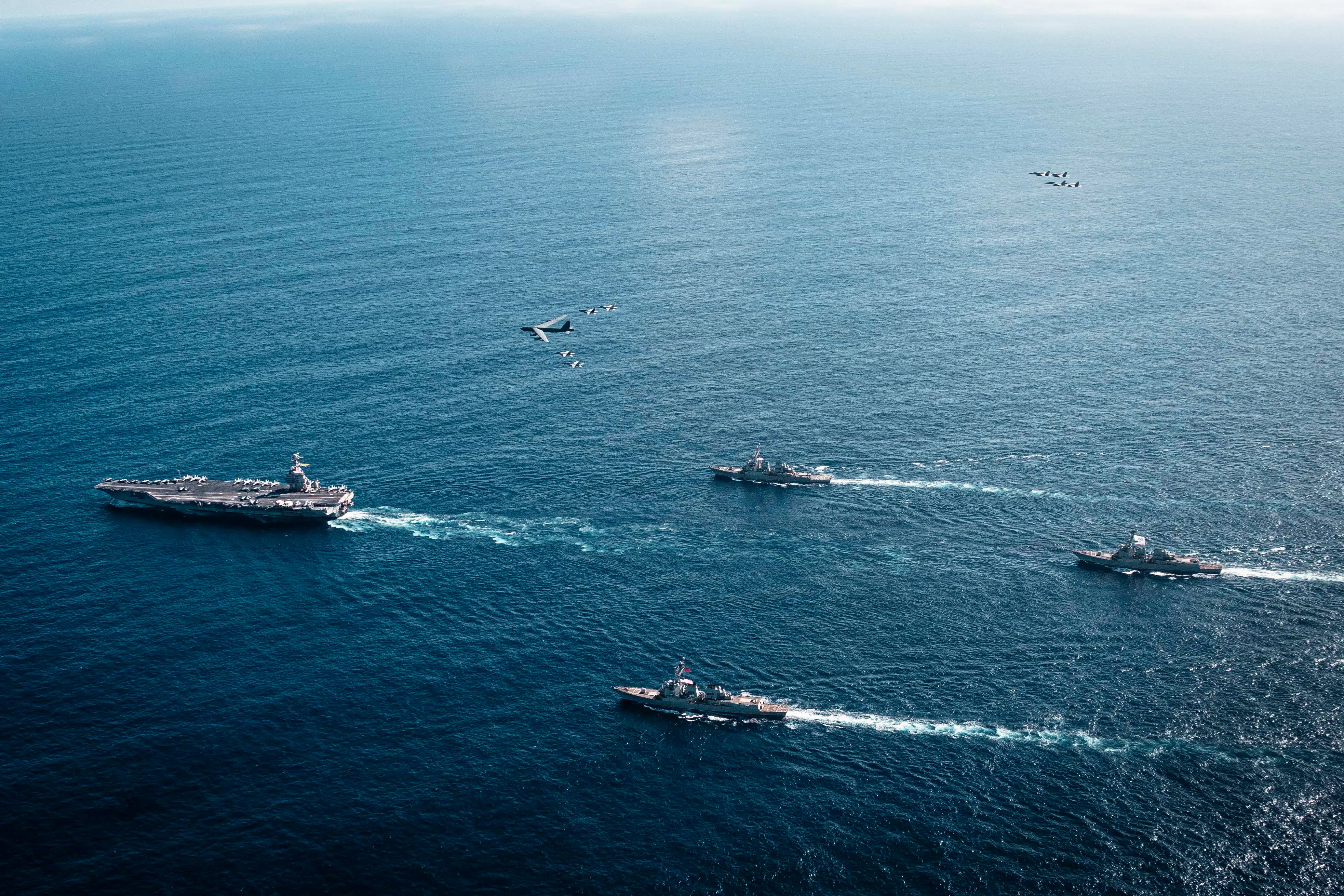
The Khalij Fars ballistic threat
If a carrier is successfully tracked, Iran can launch the Khalij Fars, an anti-ship ballistic missile equipped with an electro-optical seeker. This Mach 3 weapon has a stated range of 300 kilometres and targets large naval vessels.
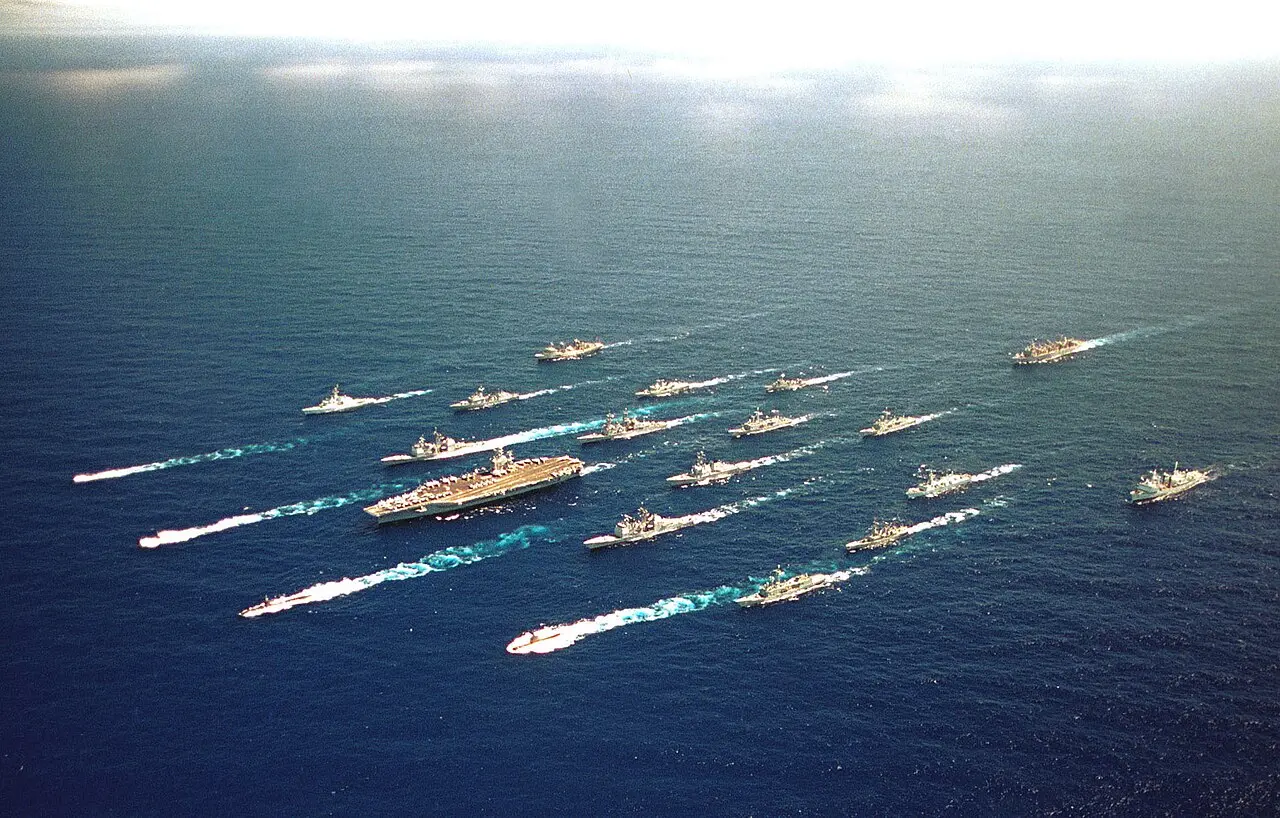
Long-range cruise missiles
For targets further out, Tehran possesses the Abu Mahdi anti-ship cruise missile, which boasts a range of over 1,000 kilometres. It flies at low altitudes to evade shipborne radars before striking its designated target.
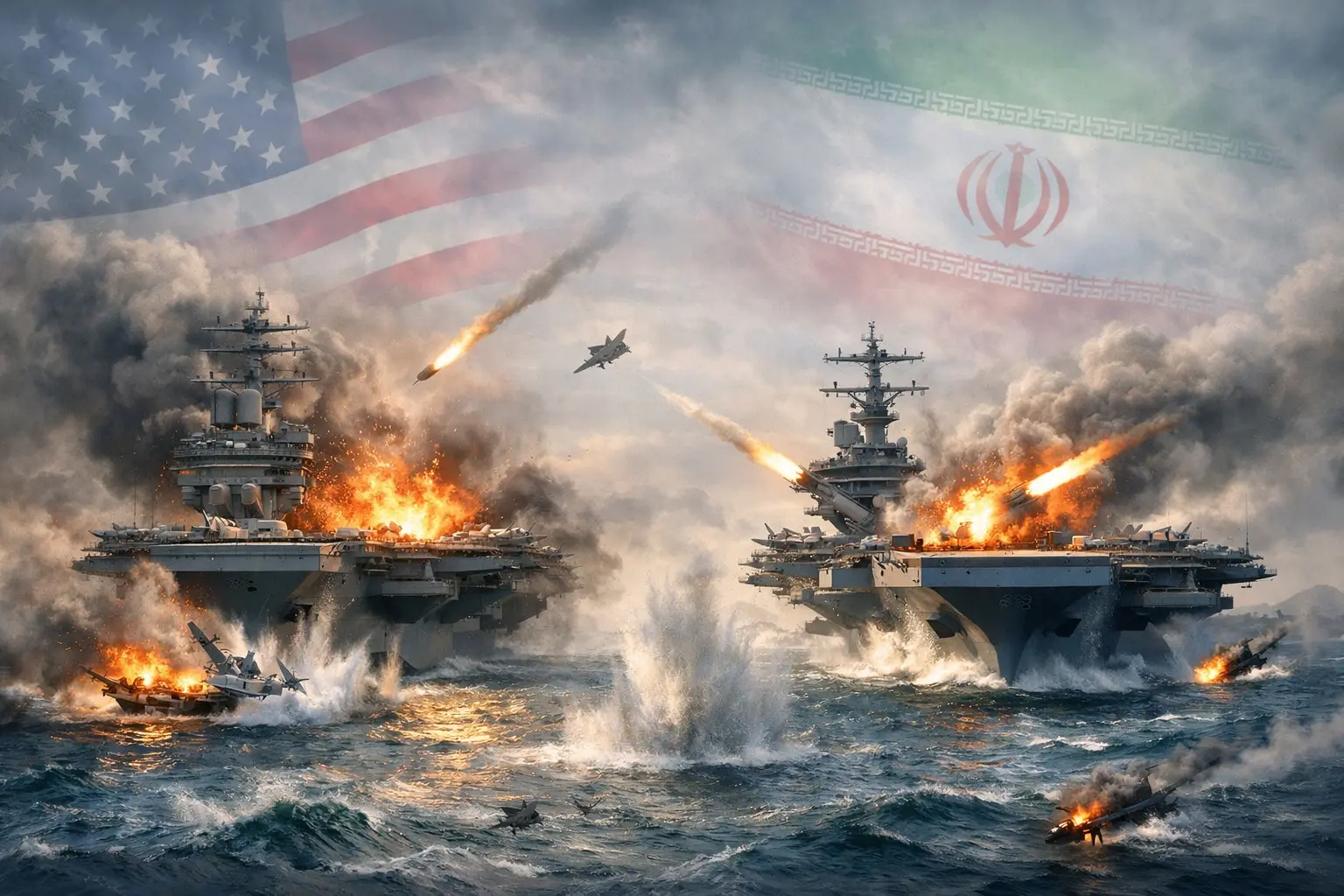
Electronic silence is key
Despite the Ford's stealthy shape, neither ship is 100 per cent invisible without strict Emission Control (EMCON). If either carrier broadcasts active radar signals, Iranian electronic intelligence will instantly pinpoint their exact location.
)
)
)
)
)