Which forgotten probes explored the outer solar system before Voyager? The untold Pioneer story

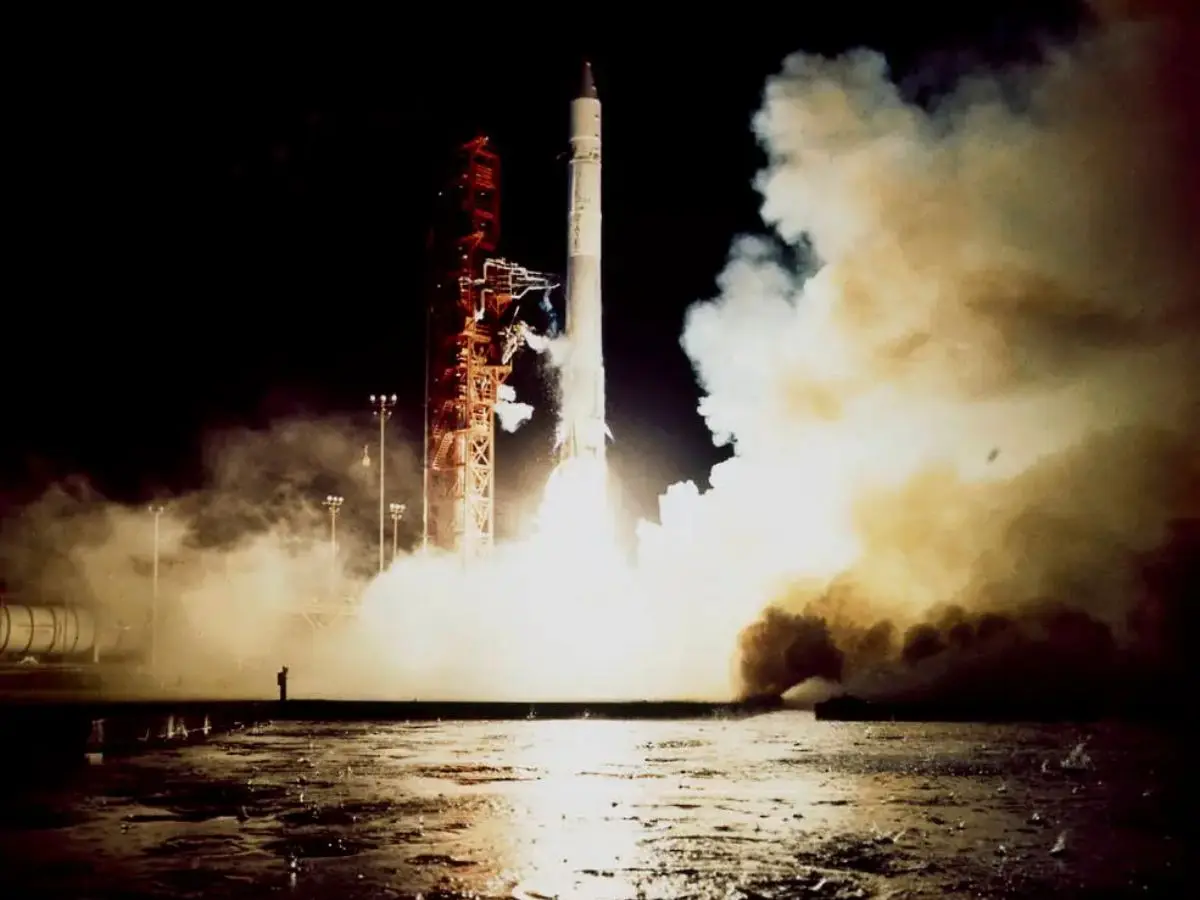
Launched in March 1972, Pioneer 10 became the first spacecraft to pass through the asteroid belt and journey beyond Mars.
Pioneer probes
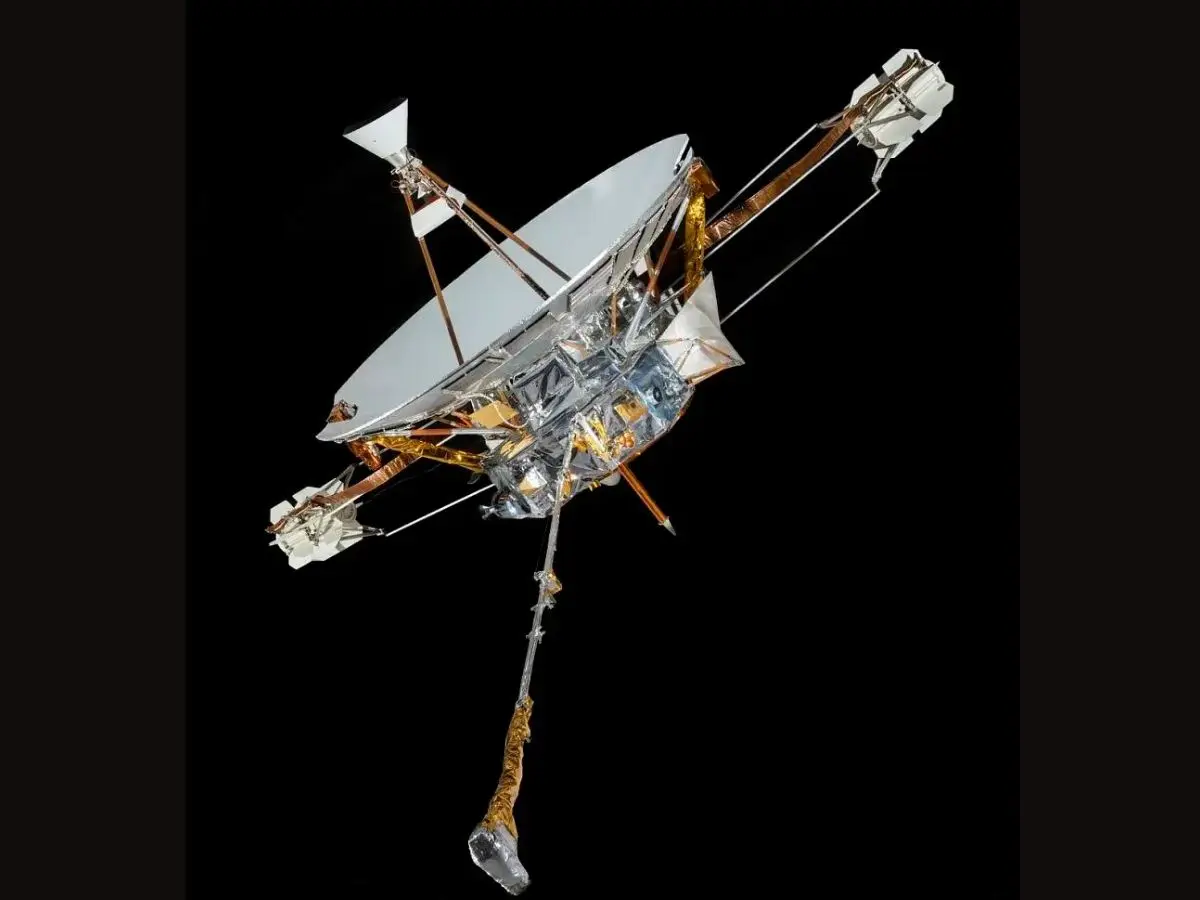
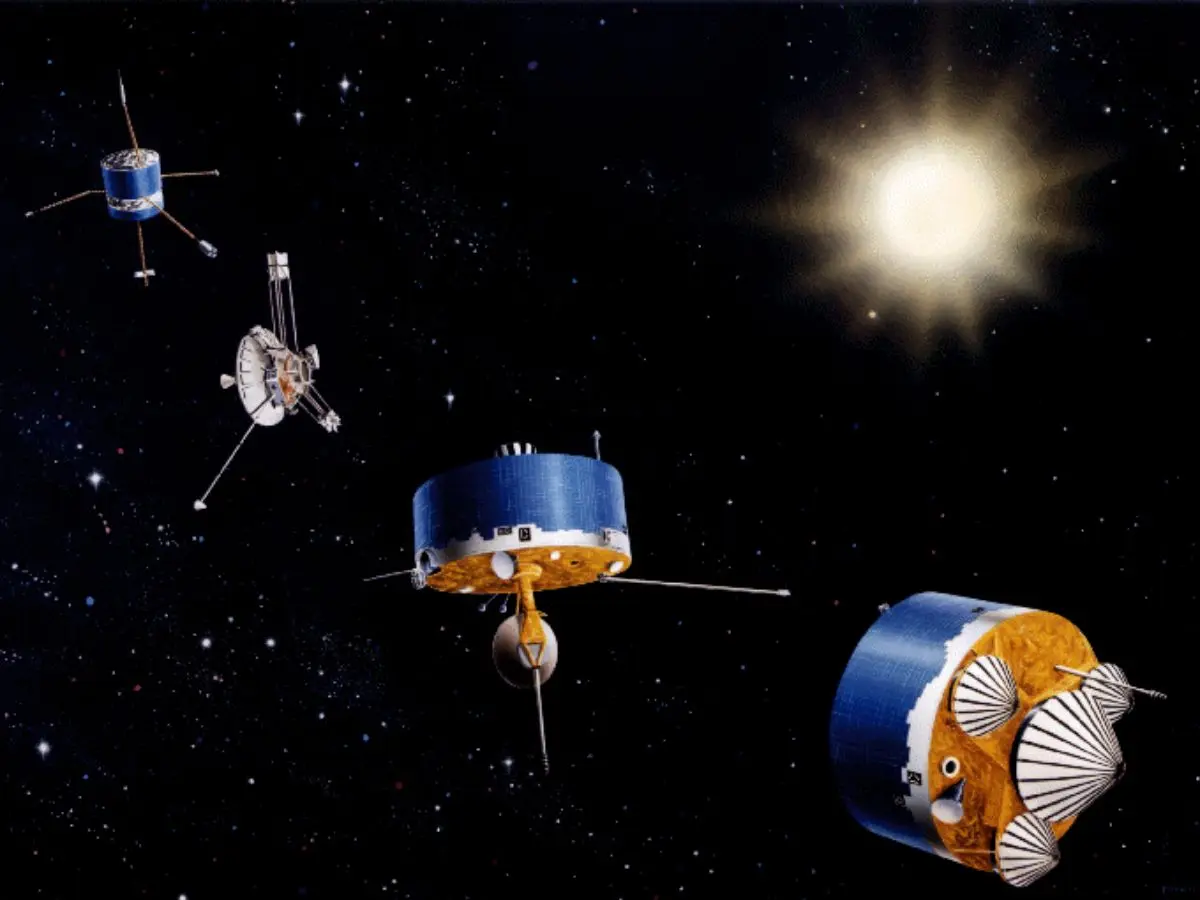
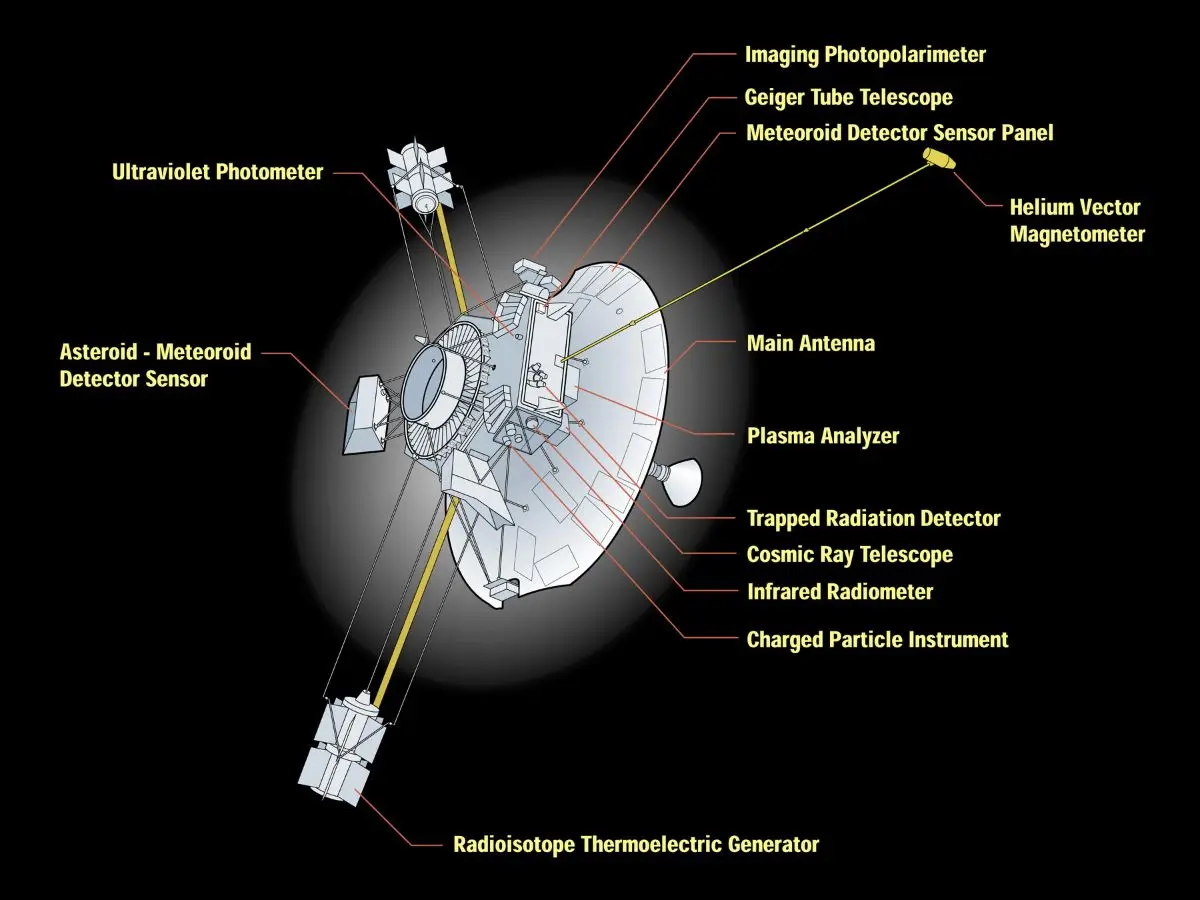
In the era before the exploits of Voyager, two modest spacecraft dared where no mission had gone before. Pioneer 10 and 11 carried humanity’s first mechanical footsteps into the outer solar system. Their story may be overshadowed by their more famous successors, but their pioneering path, through treacherous asteroid belts and past the gas giants, set the stage for the golden era of planetary exploration.
Crossing the unknown
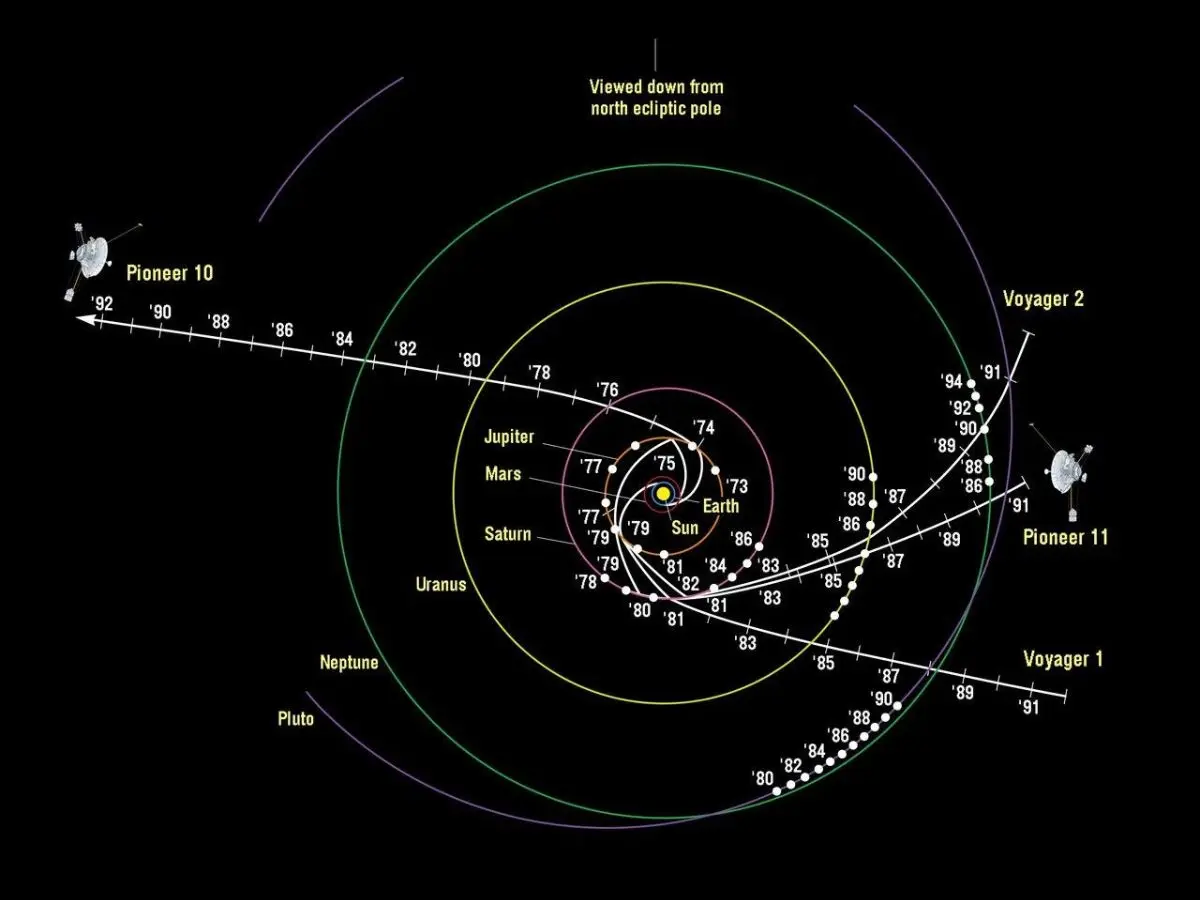
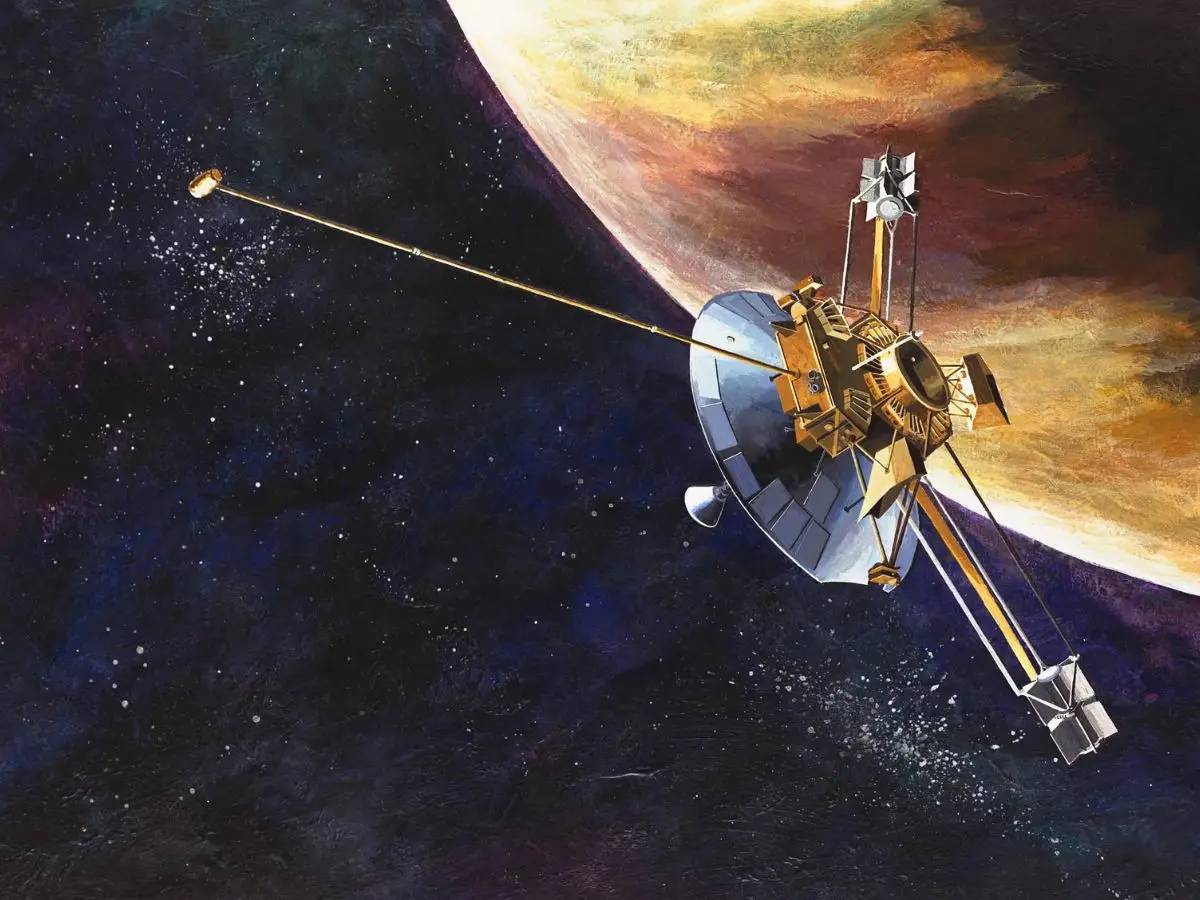
Launched in March 1972, Pioneer 10 became the first spacecraft to pass through the asteroid belt and journey beyond Mars. It safely navigated that perilous region and, in December 1973, delivered the first up-close views of Jupiter. The images revealed the planet’s swirling atmosphere, immense radiation belts, and powerful magnetosphere, transforming our understanding of the largest planet in the solar system.
On to Saturn and beyond
Its sister craft, Pioneer 11, followed in April 1973. Initially designed as a backup, it soon established its own legacy. After a flyby of Jupiter in 1974, it used the planet’s gravity to slingshot toward Saturn. In September 1979, Pioneer 11 became the first spacecraft to encounter the ringed planet directly, discovering Saturn’s faint F ring, a previously unknown moon, and mapping the planet’s magnetic field.
Carrying a message for the unknown
Long before Voyager carried its golden record, the Pioneer probes each bore a plaque: a simple, universal message intended for any extraterrestrial civilisation that might one day discover them. Designed by Carl Sagan and his team, the plaques depicted a man and a woman, along with a map showing Earth’s location relative to pulsars, an attempt at sending a timeless greeting into the cosmos.
Ghost ships of the galaxy
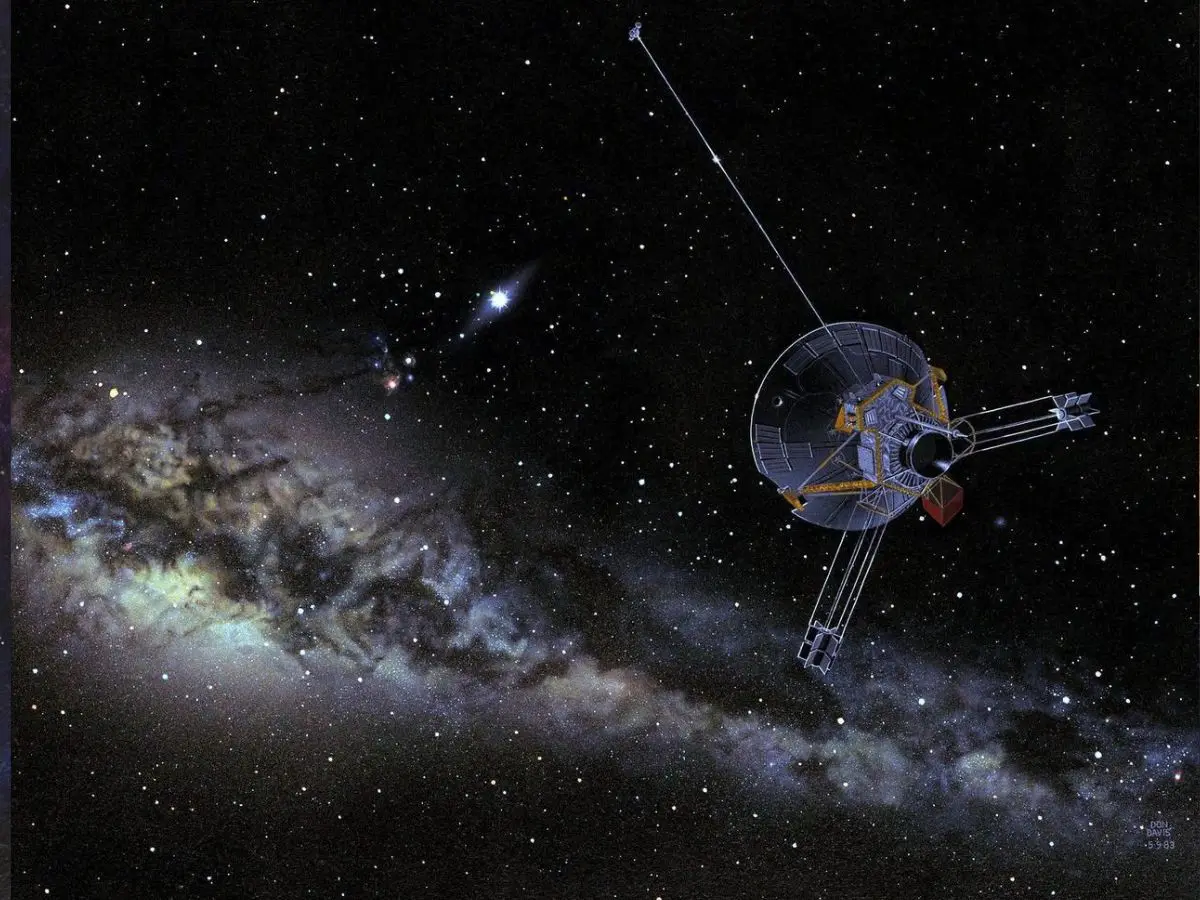
Both spacecraft exceeded their expected lifespans. Pioneer 10 continued transmitting data until 2003, while Pioneer 11 fell silent in 1995. Today, they drift silently through interstellar space: Pioneer 10 on a trajectory toward the star Aldebaran, a journey that will take about two million years, and Pioneer 11 heading in the direction of the constellation Aquila.
The true trailblazers
Without the success of Pioneer 10 and 11, Voyager’s ambitious ‘Grand Tour’ of the outer planets might never have been attempted. By proving spacecraft could survive the asteroid belt, endure Jupiter’s radiation, and transmit invaluable data, the Pioneers laid the foundation for future exploration. They were the forgotten trailblazers, opening a path through the unknown so that Voyager could travel even further.
A puzzling anomaly
In the decades following their launches, scientists detected a strange phenomenon: both probes were experiencing a tiny, unexplained deceleration. Dubbed the ‘Pioneer anomaly,’ this effect puzzled researchers for years. Eventually, the cause was traced to uneven heat radiation emitted by the spacecraft themselves, an answer that closed one mystery, yet sparked broader interest in the physics of deep space travel.
)
)
)
)
)