Which foreign drug cartels are linked to trafficking routes near Cuba?

Foreign cartels use Cuba’s waters as a critical transit zone for drugs heading to the US. Key players include Mexico’s Sinaloa and CJNG cartels, Venezuela’s state-embedded 'Cartel of the Suns', and Colombia’s Clan del Golfo.
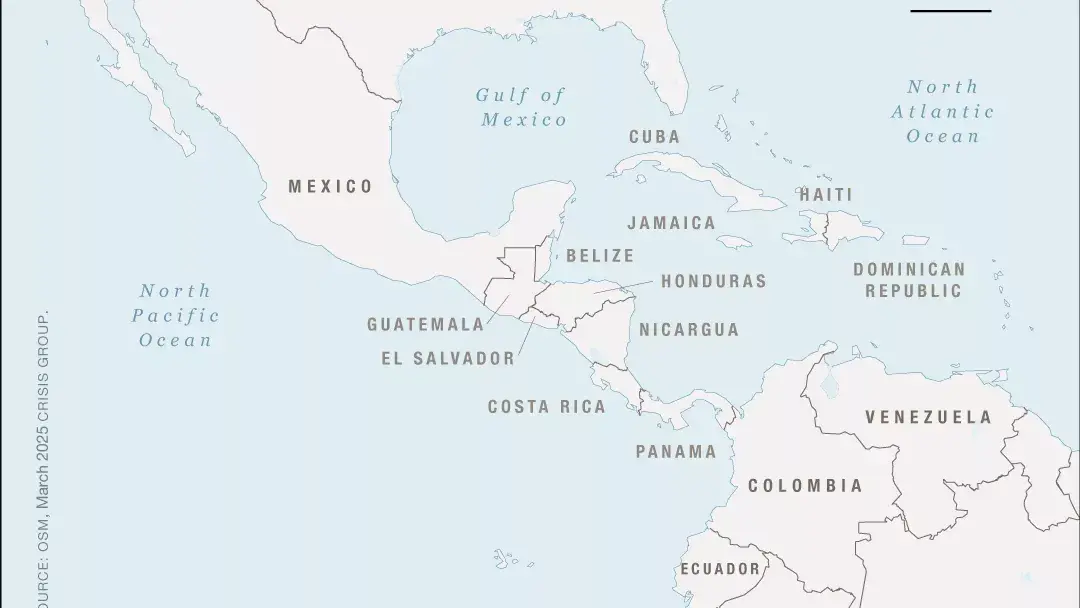
The Caribbean Transit Corridor
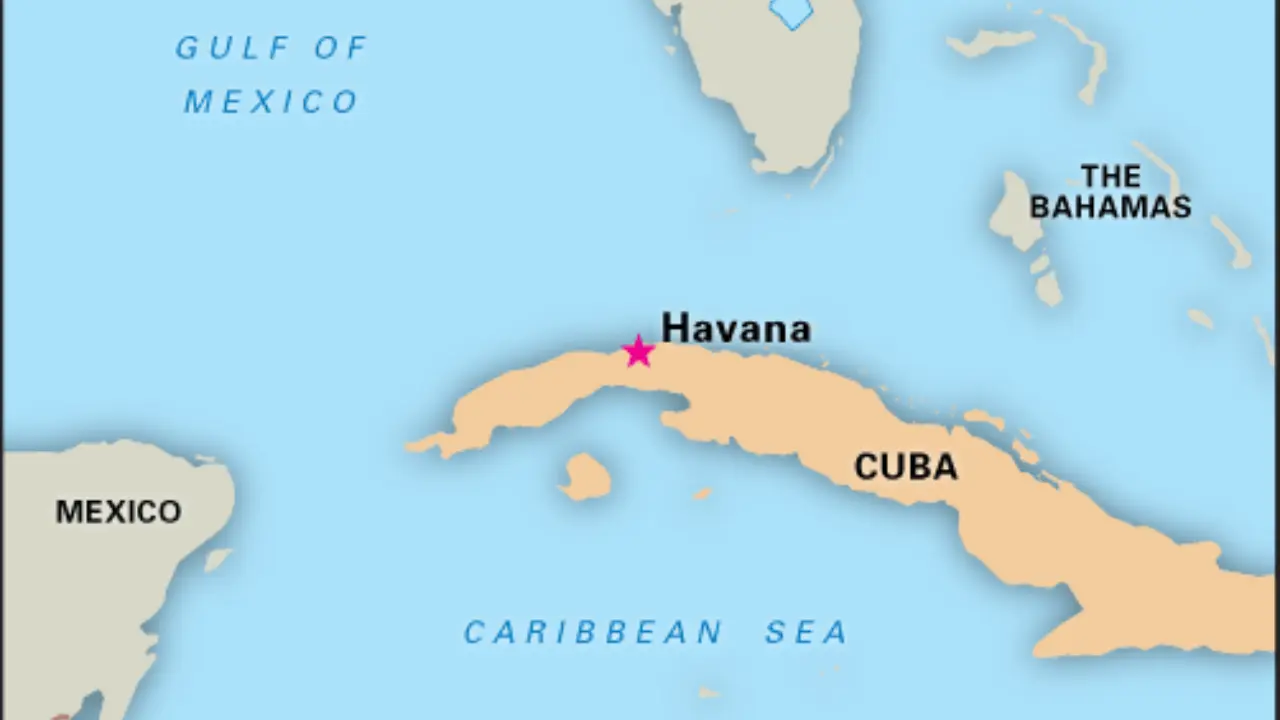
A strategic bridge to the US, Cuba’s geographic position makes its waters a prime transit zone for illicit cargo moving from South America to the United States. According to the US State Department, foreign cartels increasingly use the Caribbean corridor to bypass stricter land enforcement on the US-Mexico border.
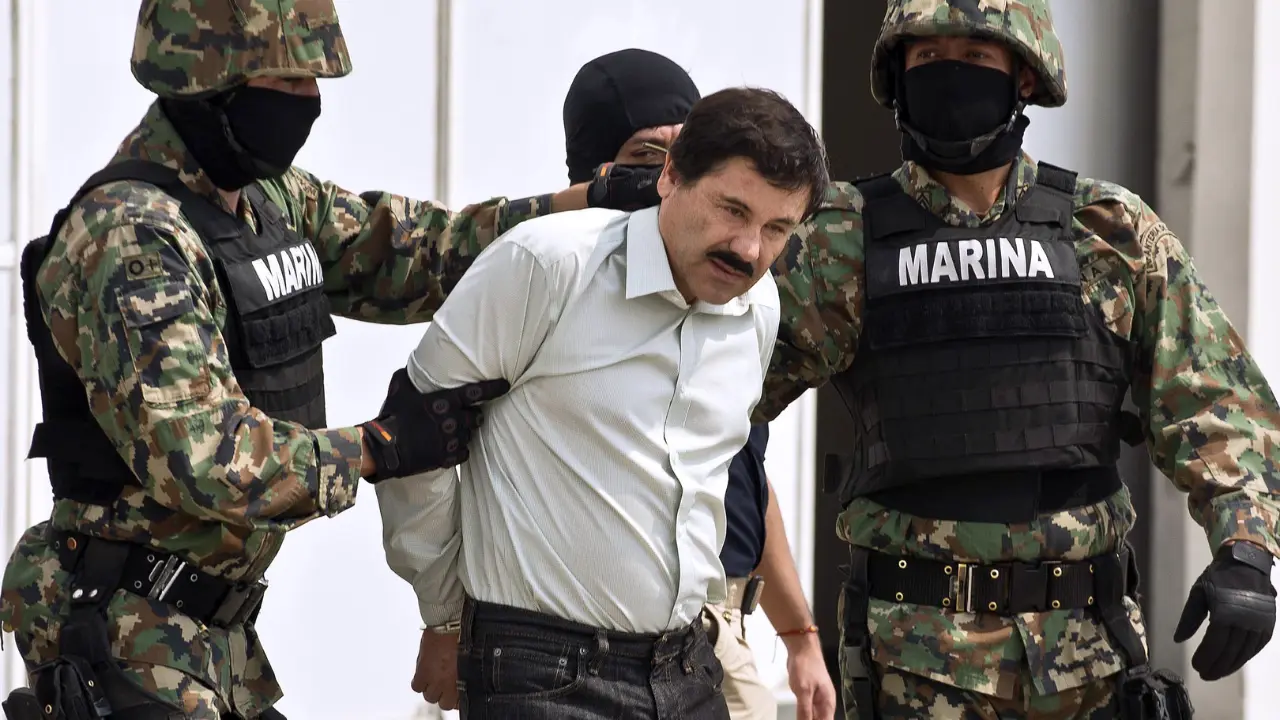
The Mexican Giants
Sinaloa and CJNG expansion The Sinaloa Cartel and Jalisco New Generation Cartel (CJNG) are the primary Mexican groups operating in the region. Insight Crime reports they use the Caribbean as a 'strategic rearguard', coordinating shipments via speedboats and light aircraft that skirt Cuban territorial waters to reach the US.
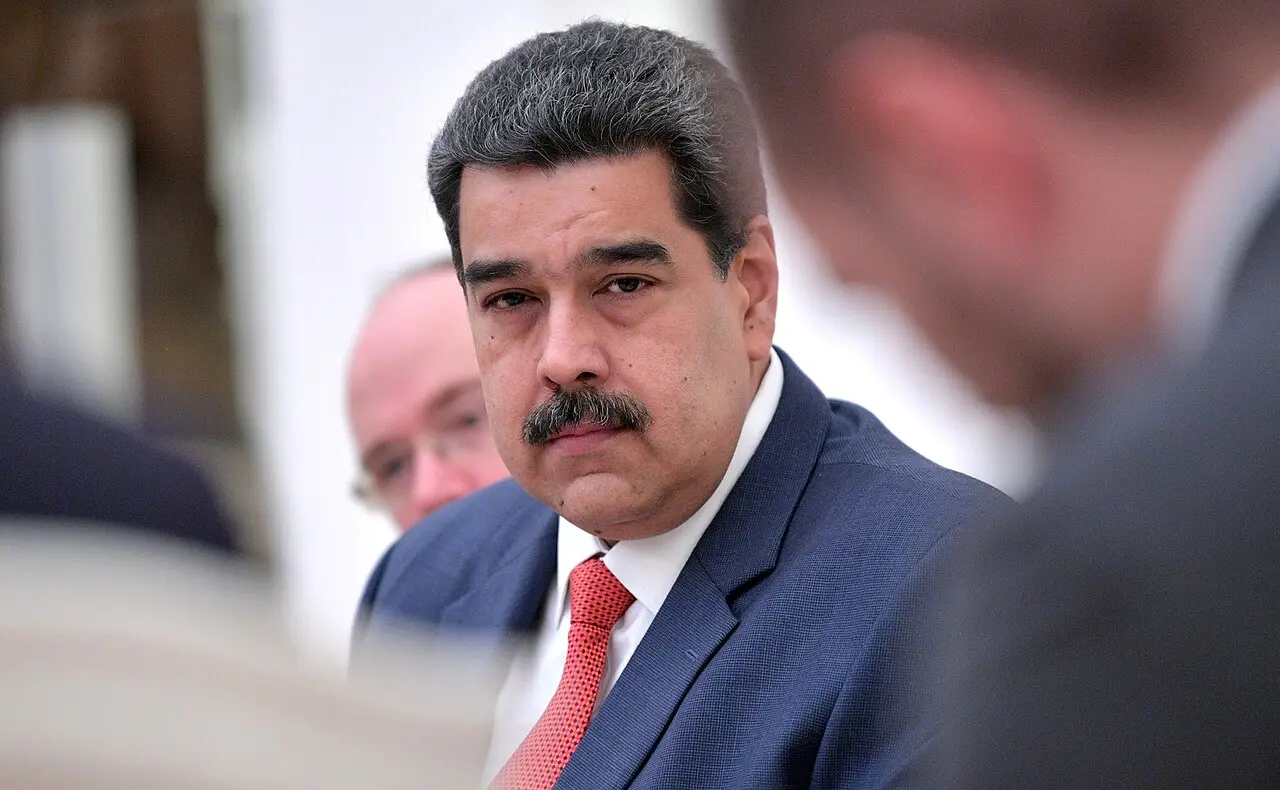
Venezuela’s ‘Cartel of the Suns’
State-backed trafficking. The 'Cartel of the Suns', comprising high-ranking Venezuelan military officials, is a key operator in the region. The US Department of Justice alleges this network facilitates the movement of cocaine through the Caribbean, often utilising safe passage agreements that reportedly involve Cuban intelligence monitoring.
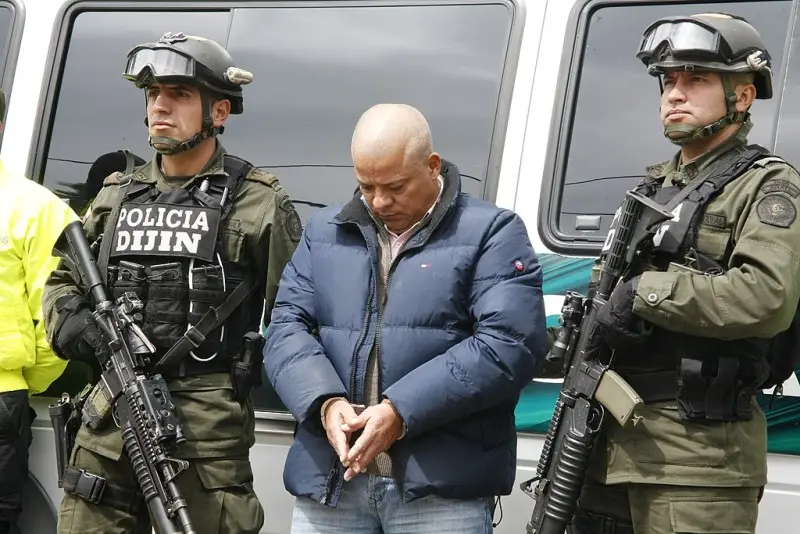
Colombia’s Clan del Golfo
The main cocaine suppliers, Colombia’s largest criminal group, the Clan del Golfo, controls the initial dispatch of drug shipments into the Caribbean. InSight Crime notes that they partner with Mexican cartels to transport multi-ton loads, using routes that pass perilously close to Cuban shores to avoid international patrols.
The Guerrilla Connection
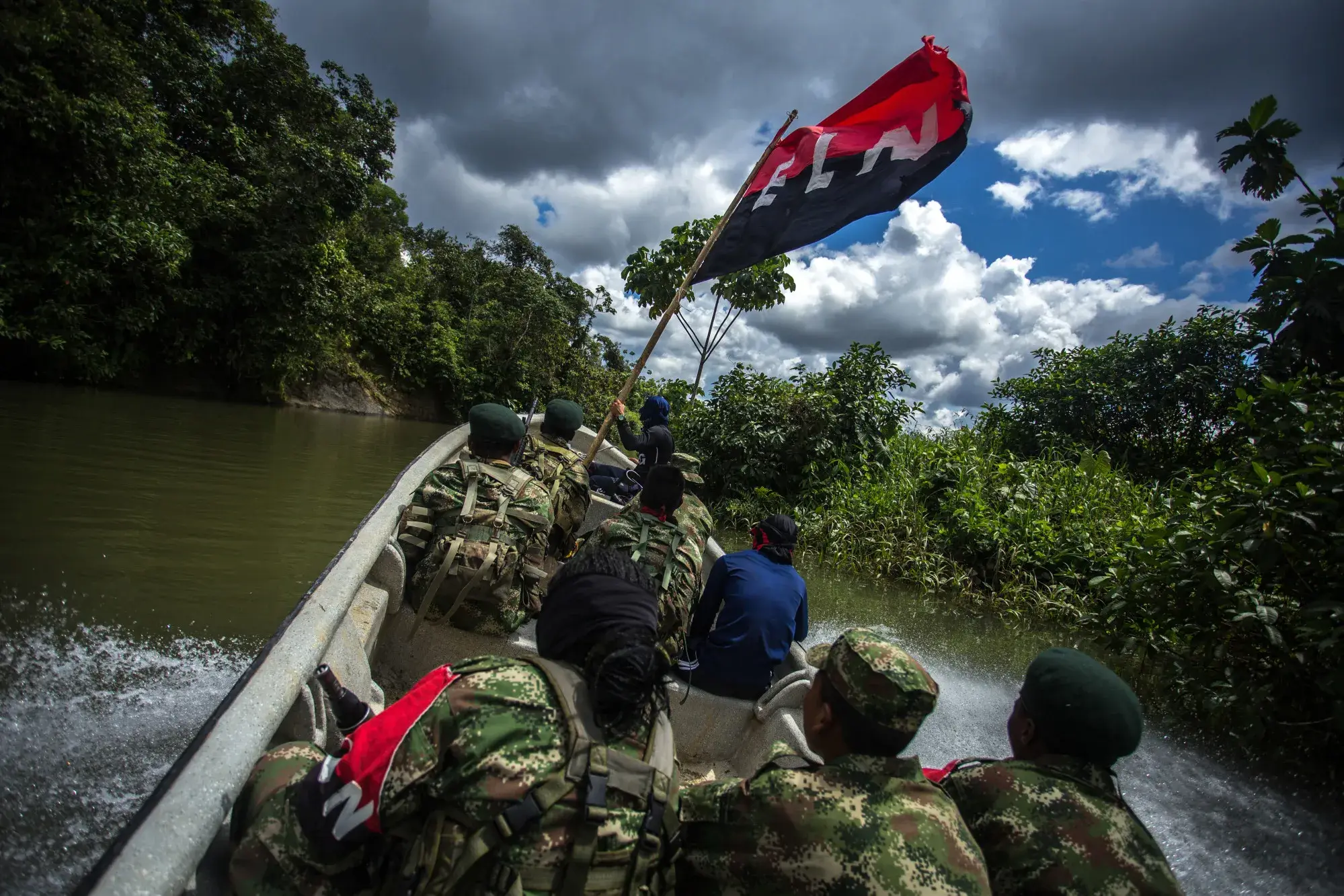
ELN and FARC dissidents Colombian rebel groups like the ELN and FARC dissidents operate along the Venezuelan coast, securing launch points for drug boats. Human Rights Watch states that these groups, which historically have ideological ties to Havana, act as armed brokers for the cocaine moving through the Caribbean corridor.
Brother Wang
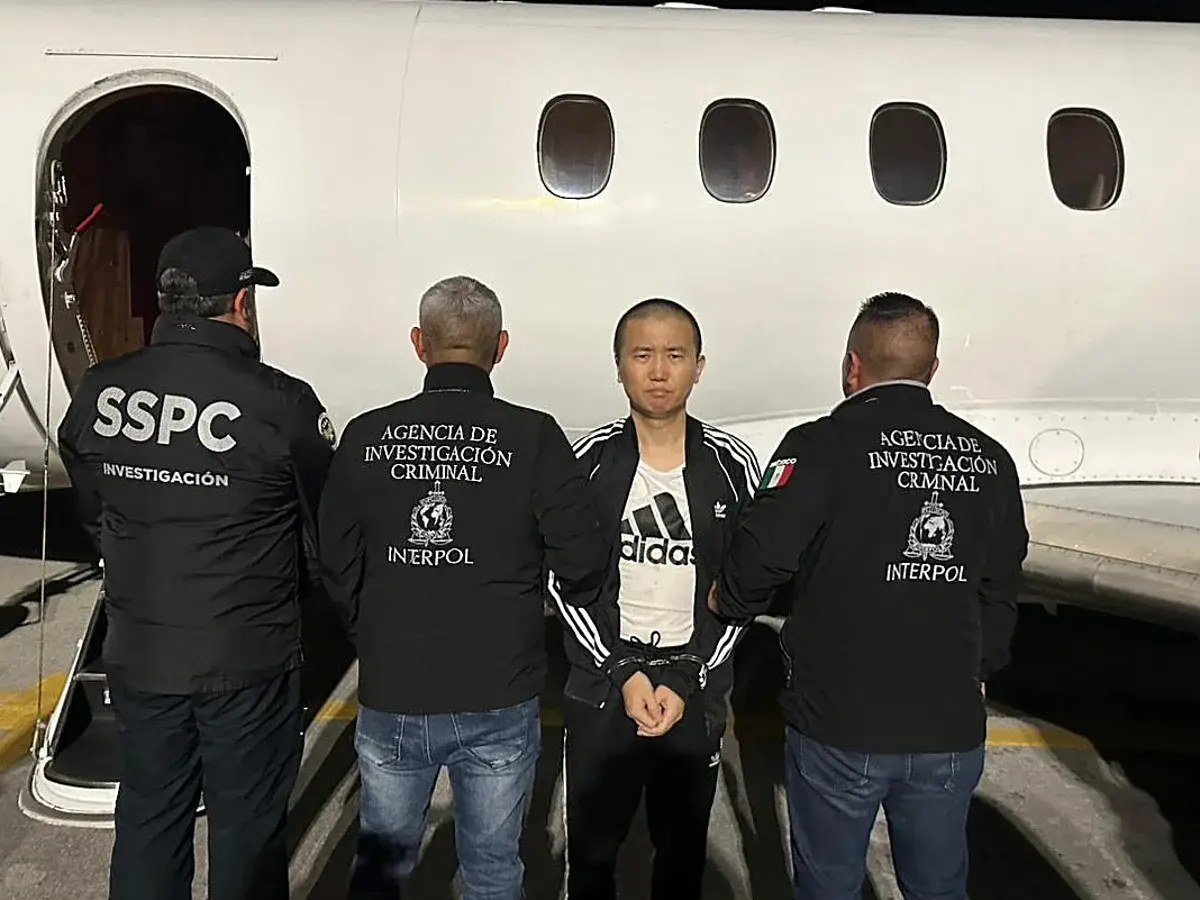
Arrest of ‘Brother Wang’ In a rare move, Cuban authorities recently arrested Zhi Dong Zhang, alias 'Brother Wang', linked to Mexican cartels. The Guardian reports this alleged fentanyl kingpin was coordinating money laundering and chemical supplies, highlighting a new Asian connection to the Caribbean trade.
Cuba’s Ambiguous Role
Transit point or safe harbour? While Havana maintains a strict 'zero tolerance' policy, seizing tonnes of drugs annually, critics allege complicity. Cuba Siglo 21 argues that the regime provides intelligence on US Coast Guard patrols to allied cartels, turning the island’s waters into a selective safe zone for high-value shipments.
)
)

)
)