Which country has the most underwater gold?

Billions of dollars in gold lie hidden beneath the oceans. China leads with the largest undersea gold mine discovered near Sanshan Island, but deep-sea gold is spread thin and hard to extract. Find out which country is leading in underwater gold finds. Know more below.
Gold beneath the waves
The ocean holds a vast amount of gold scientists estimate nearly 20 million tons dissolved in seawater. Some is locked in solid deposits under the seabed, driving a global search for underwater riches.
China’s lead in underwater gold mining
China is currently at the forefront. The largest undersea gold deposit is near Sanshan Island, found by Ruihai Mining Ltd, holding an estimated 470 to 1,500 tonnes of gold just 2 km below the sea. This puts China at the top for discovered underwater gold reserves.
How was the deposit found?
Chinese geologists used 67 drilling platforms and over 1,000 staff to search an area of 120 kilometres. After years of prospecting, the undersea motherlode was pinpointed near Laizhou, an area already known for gold mining.
Norway’s underwater gold ambitions
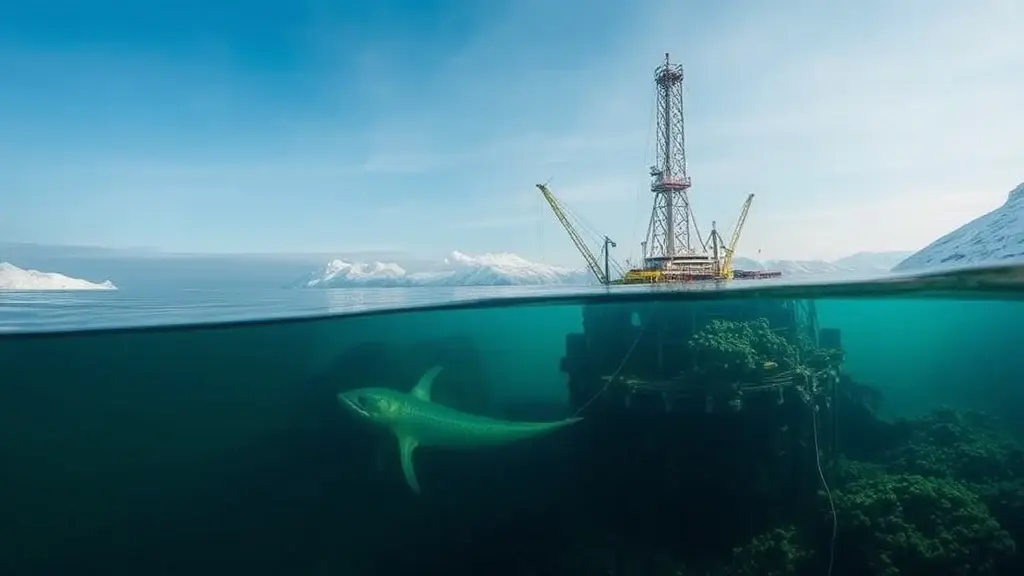
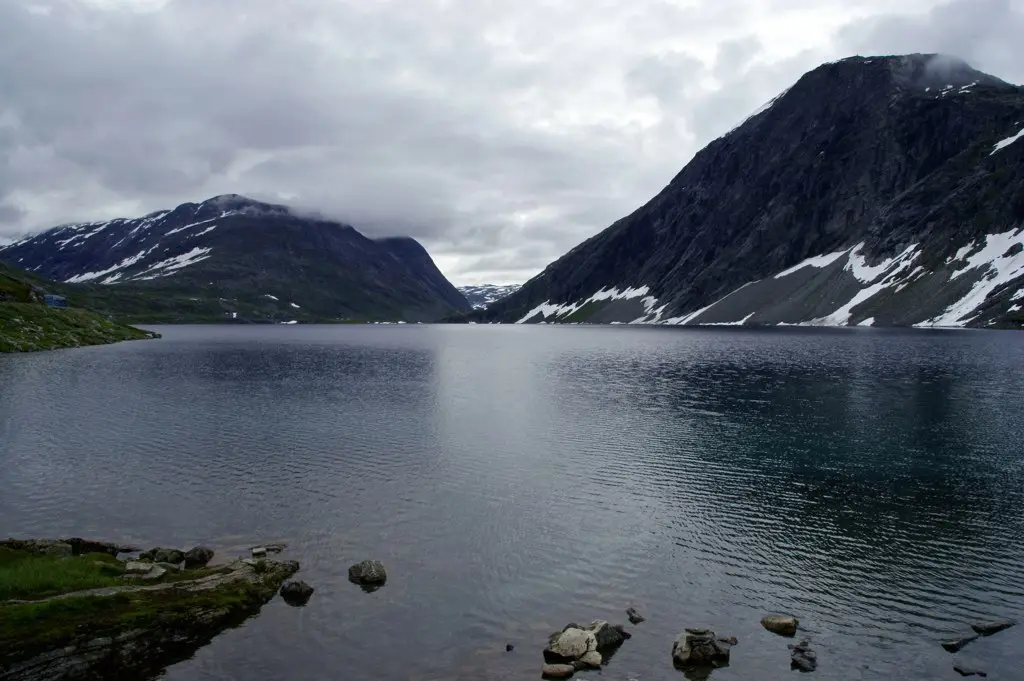
Norway is another leader, racing to tap valuable minerals in zones between Norway and Greenland. Surveys show large amounts of gold, copper, zinc, and rare earths at deep-sea sites, but gold extraction is still mostly theoretical.
The challenge of ocean gold extraction
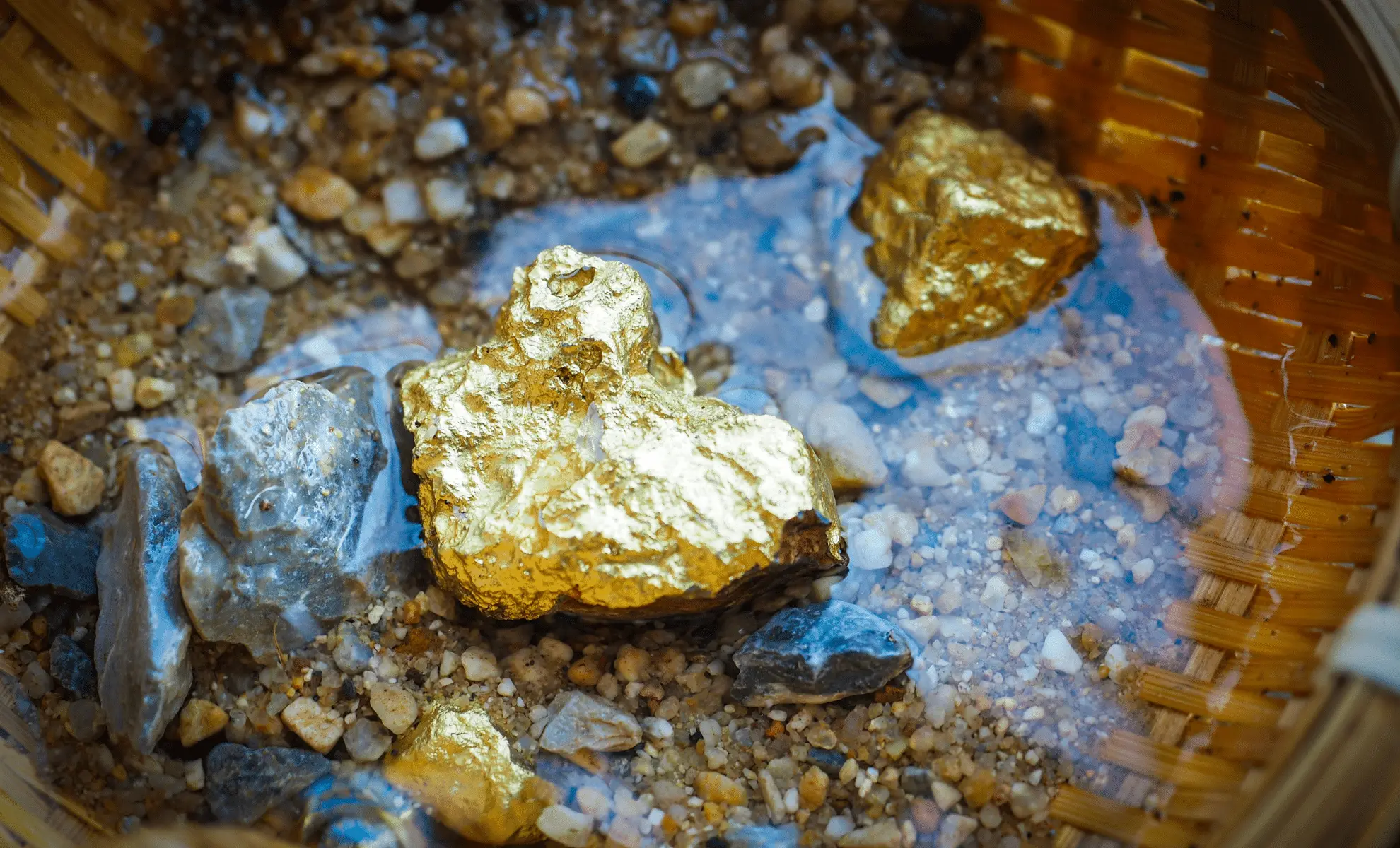
Despite huge reserves, most underwater gold is too diluted or hard to mine profitably. The average is just one gram per 100 million metric tons of seawater. Mining technology is advancing, but costs remain a barrier for extracting dissolved gold.
Japan, Chile, Brazil and the US
Countries like Japan, Chile, Brazil and the US explore subsea resources within their zones. China is the most active globally, holding five international licenses for exploring subsea minerals, including gold.

Is ocean gold a future reality?
With new robots and deep-sea mining tech, more nations may join China in underwater gold extraction. For now, China leads in discovered underwater gold, but most ocean gold remains out of reach with technology holding the key to future fortunes.
)
)
)
)
)