Which countries produce most scientists every year? Is India in top 3?

The next wave of scientists will likely emerge in fields such as artificial intelligence, biotechnology, and clean energy. Nations investing in higher education and R&D today are expected to see long-term advantages in scientific output.
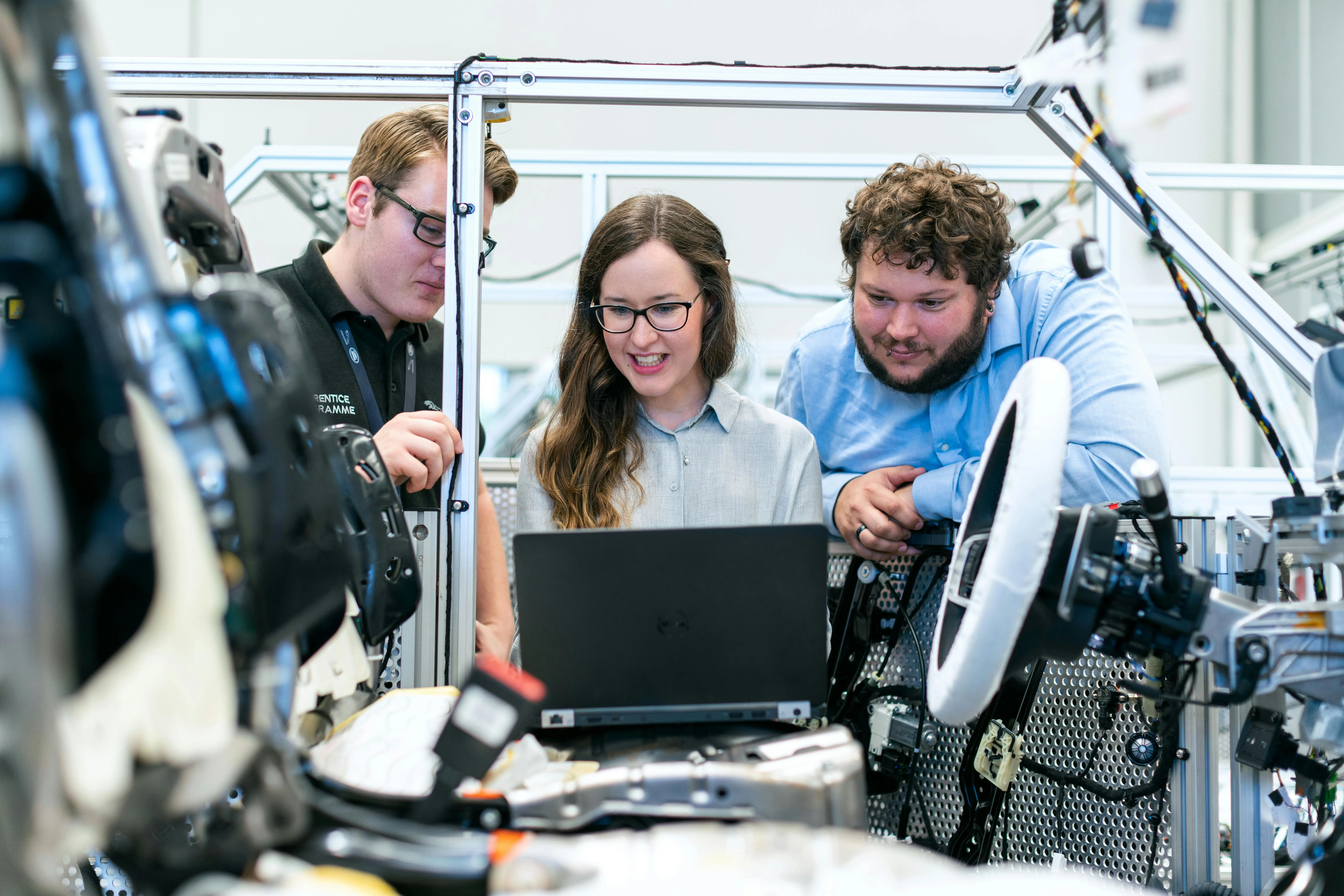
Global Leaders in Research Output
The United States, China, and India produce the largest numbers of scientists annually. This is measured by STEM (science, technology, engineering, mathematics) graduates, PhD holders, and researchers in national laboratories. Together, these three account for over half of the global scientific workforce.

China’s Expanding Scientific Workforce
China’s government has prioritised science and technology in its Five-Year Plans, leading to significant growth in research institutes and universities. Between 2000 and 2020, the number of researchers in China more than tripled, making it a top contributor to global research publications.

United States’ Role in Innovation
The United States remains a global leader due to its strong university system, research funding from agencies such as NASA and the NIH, and innovation hubs like Silicon Valley. It also attracts tens of thousands of foreign PhD students every year, strengthening its scientific workforce.

India’s Contribution
India produces one of the largest numbers of STEM graduates globally, with the IITs, IISc, and AIIMS playing a central role. Although funding per researcher is lower than in the US or Europe, India contributes heavily to global research in IT, pharmaceuticals, and space science.

European Union’s Collective Strength
The EU collectively produces large numbers of scientists, especially in Germany, France, and the UK. European universities contribute strongly to physics, chemistry, and climate research. The EU’s Horizon programme funds research collaboration across borders.

Smaller High-Impact Nations
Countries such as Israel, South Korea, and Japan have smaller populations but high numbers of scientists relative to size. Israel invests over 4 per cent of its GDP in R&D, one of the highest rates in the world.

Future Trends
The next wave of scientists will likely emerge in fields such as artificial intelligence, biotechnology, and clean energy. Nations investing in higher education and R&D today are expected to see long-term advantages in scientific output.
)
)
)
)
)