Which countries have the tallest people? Is India among them?

The Netherlands leads in average height worldwide, followed by Montenegro and Estonia. India’s average height is significantly lower, reflecting different genetic and environmental factors. Height differences highlight the impact of nutrition, health, and living standards globally.

Netherlands Tops the Average Height Chart
The Netherlands has the tallest average male height at about 184 cm. This is attributed to genetics, excellent nutrition, and healthcare systems.

Montenegro and Estonia Are Close Behind
Montenegro and Estonia follow, with average male heights slightly below the Netherlands. Both countries benefit from similar European health and nutrition patterns.

Bosnia and Herzegovina and Iceland in the Top Five
Bosnia and Herzegovina and Iceland round out the top five tallest countries. Average male height in these nations is over 182 cm, supported by good living conditions.

Other Notable European Tall States
Denmark and Czechia follow the top five closely, with an average height just under those countries, showing a European concentration of tall populations.

Global Height Influences
Countries with taller populations often have strong healthcare, good nutrition, and favourable genetics. These factors combine to influence average height increases over generations.
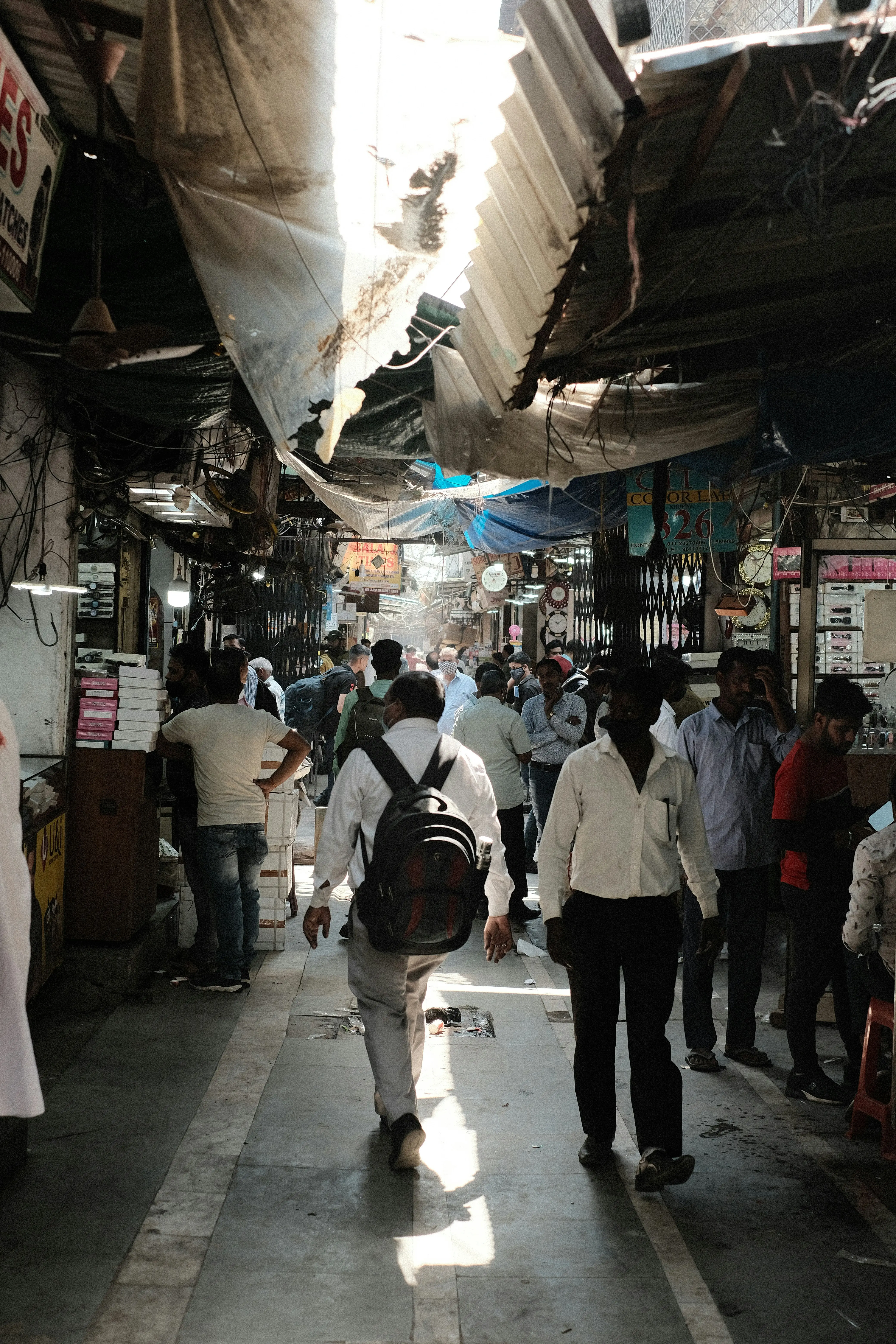
India’s Average Height Position
India ranks lower globally, with an average male height around 167 cm. Environmental, nutritional, and socioeconomic factors play large roles. Despite improvements, India’s average height remains below the global average, largely due to disparities in childhood nutrition and healthcare access.
)
)
)
)
)