Which countries generate most plastic waste? Top 7 ranked: Full details inside

The world generates nearly 353 to 357 million tonnes of plastic waste every year. Out of which, nearly 46 per cent is landfilled, 22 per cent becomes unmanaged litter or is openly burned, 17 per cent is incinerated, and less than 9 per cent is actually recycled.
7. Egypt
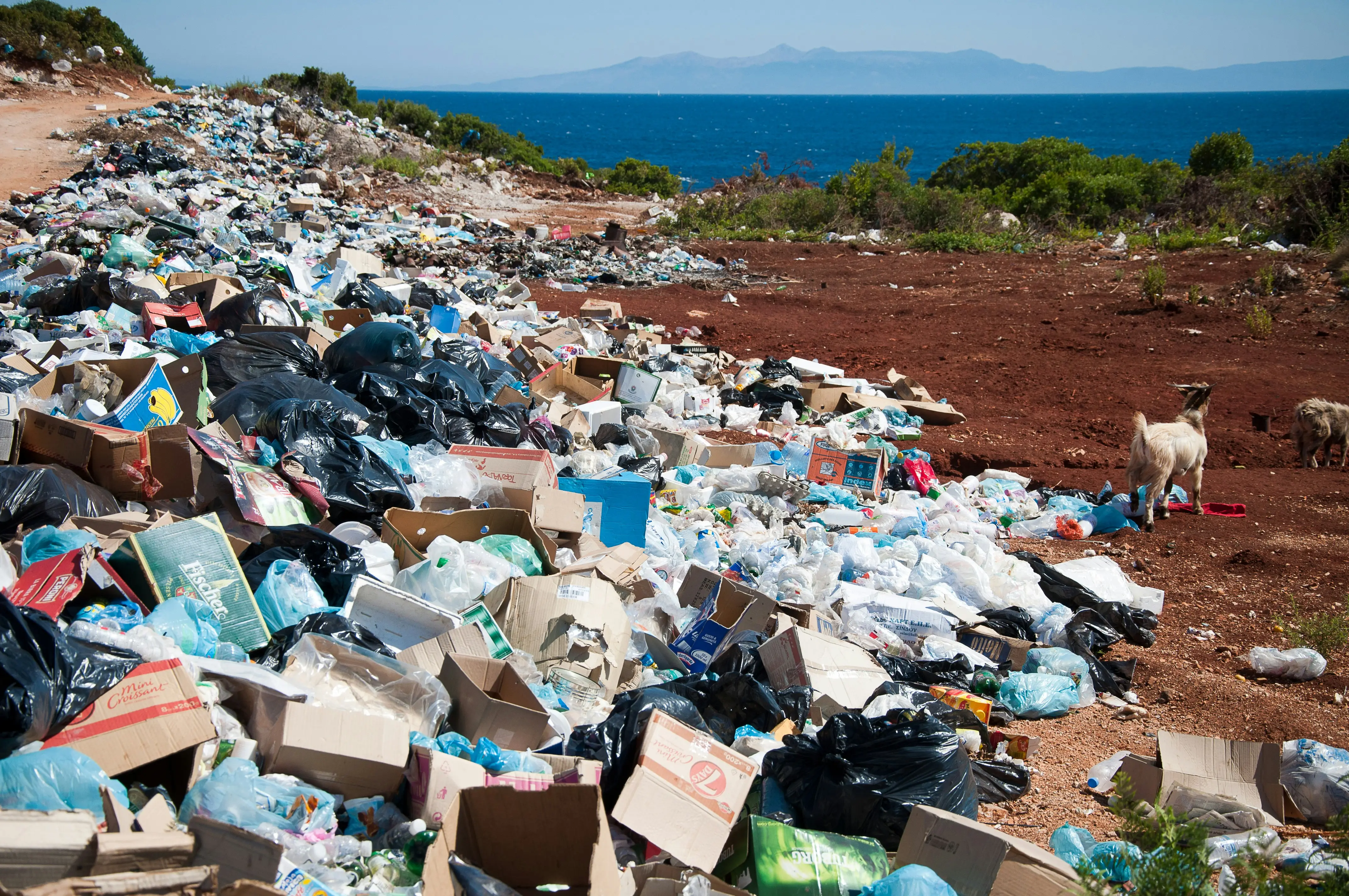
Egypt rounds out the list with a "Very High" MWI score of 86.86 per cent. As the largest plastic polluter in the Mediterranean region, the country generates around 5.4 million tons of solid waste annually, of which plastic is a major component. This severely impacts coastal tourism and sensitive marine biodiversity across the Red and Mediterranean seas.
6. Ethiopia
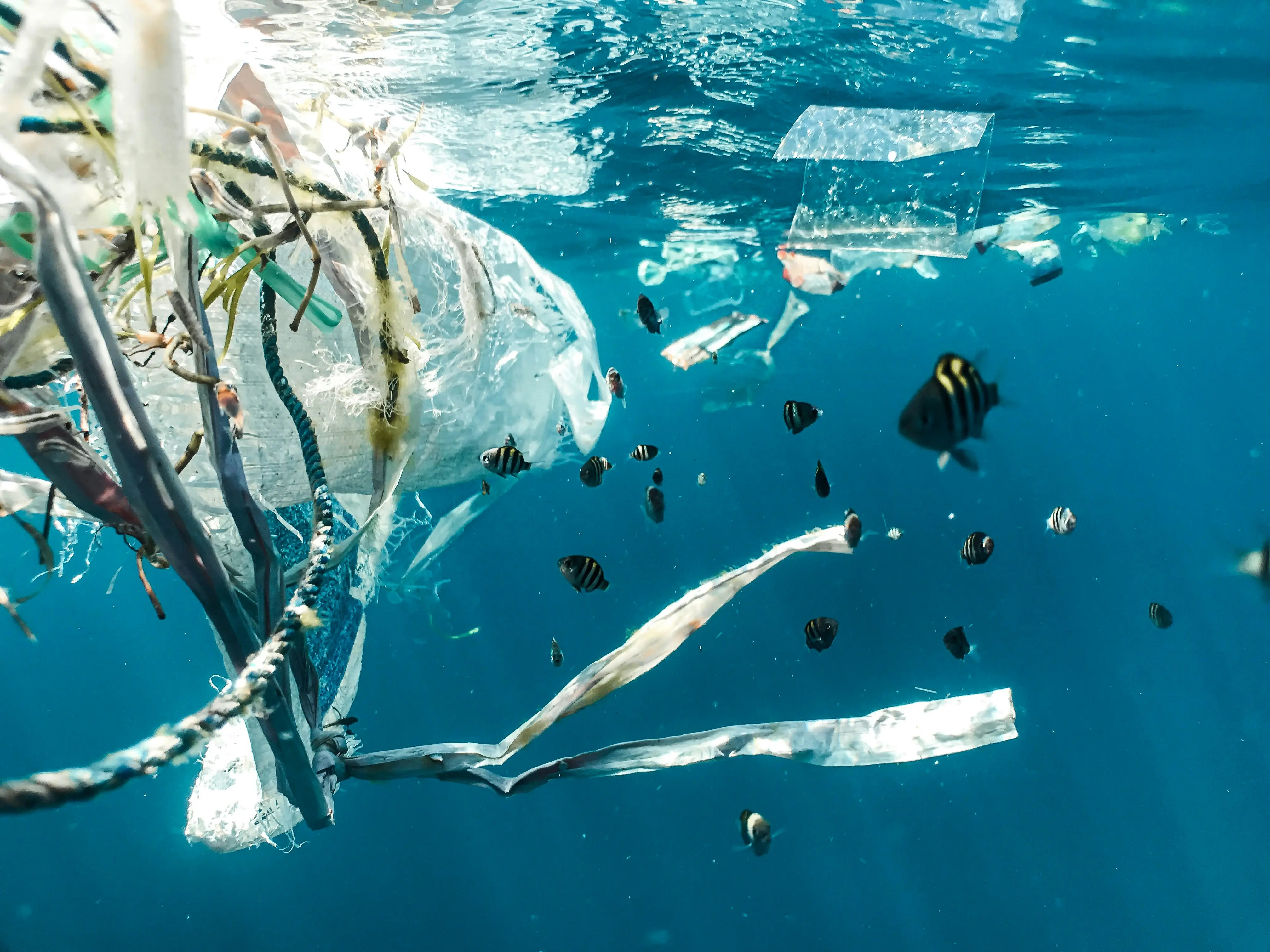
Ethiopia registers the highest percentage on this list with a "Very High" MWI of 94.19 per cent. Rapid urbanisation in cities like Addis Ababa has completely outpaced municipal waste management capabilities. The vast majority of its plastic waste remains uncollected or mismanaged, leading to severe soil degradation and widespread environmental contamination.
5. Russia
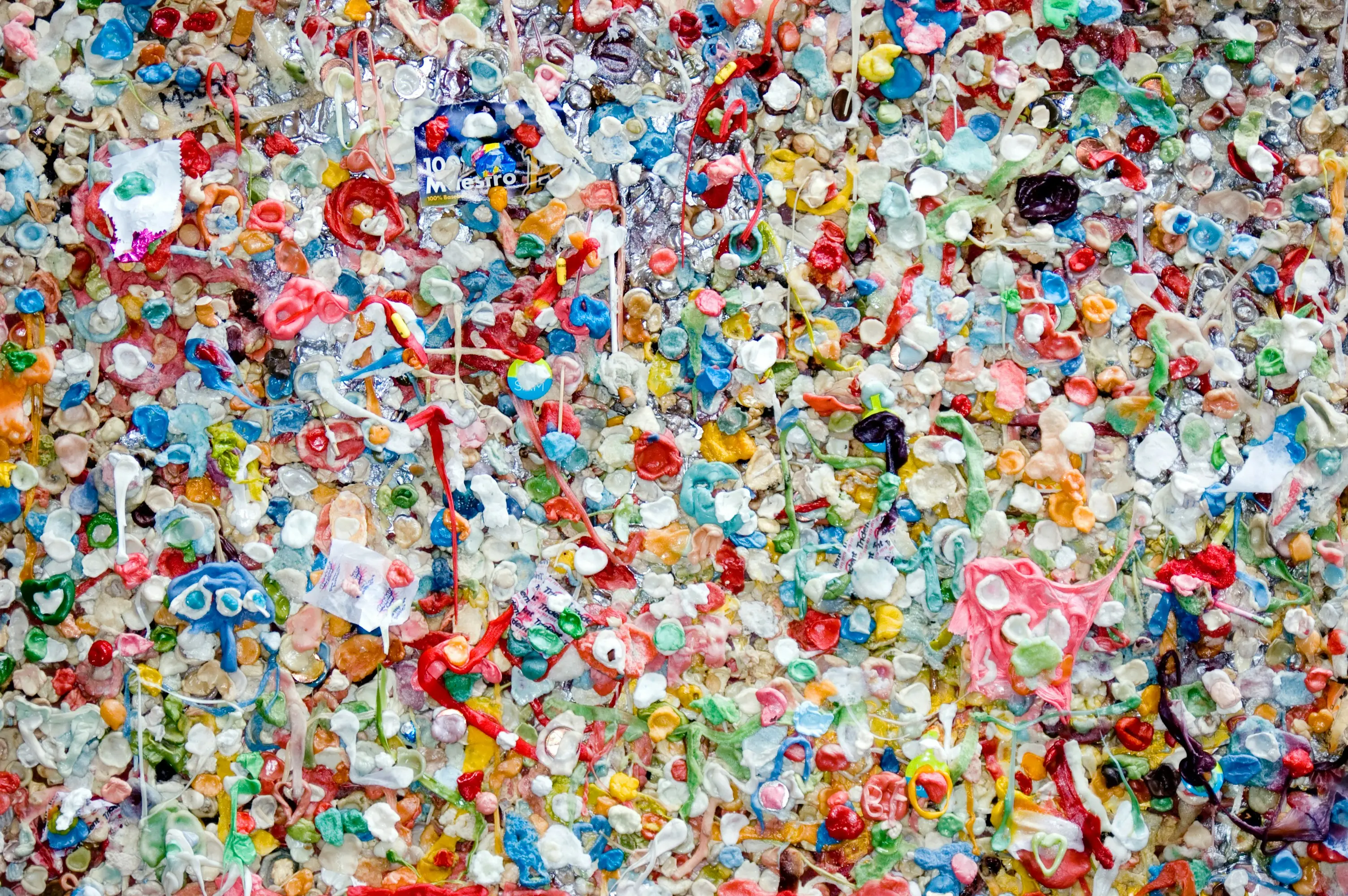
Russia maintains a "Very High" MWI level of 67.45 per cent. The country generates several million tons of plastic waste annually, yet historical reliance on sprawling landfills rather than modern recycling facilities slows down mitigation. Low public participation in waste segregation further complicates its transition toward a sustainable, circular economic model.
4. Bangladesh
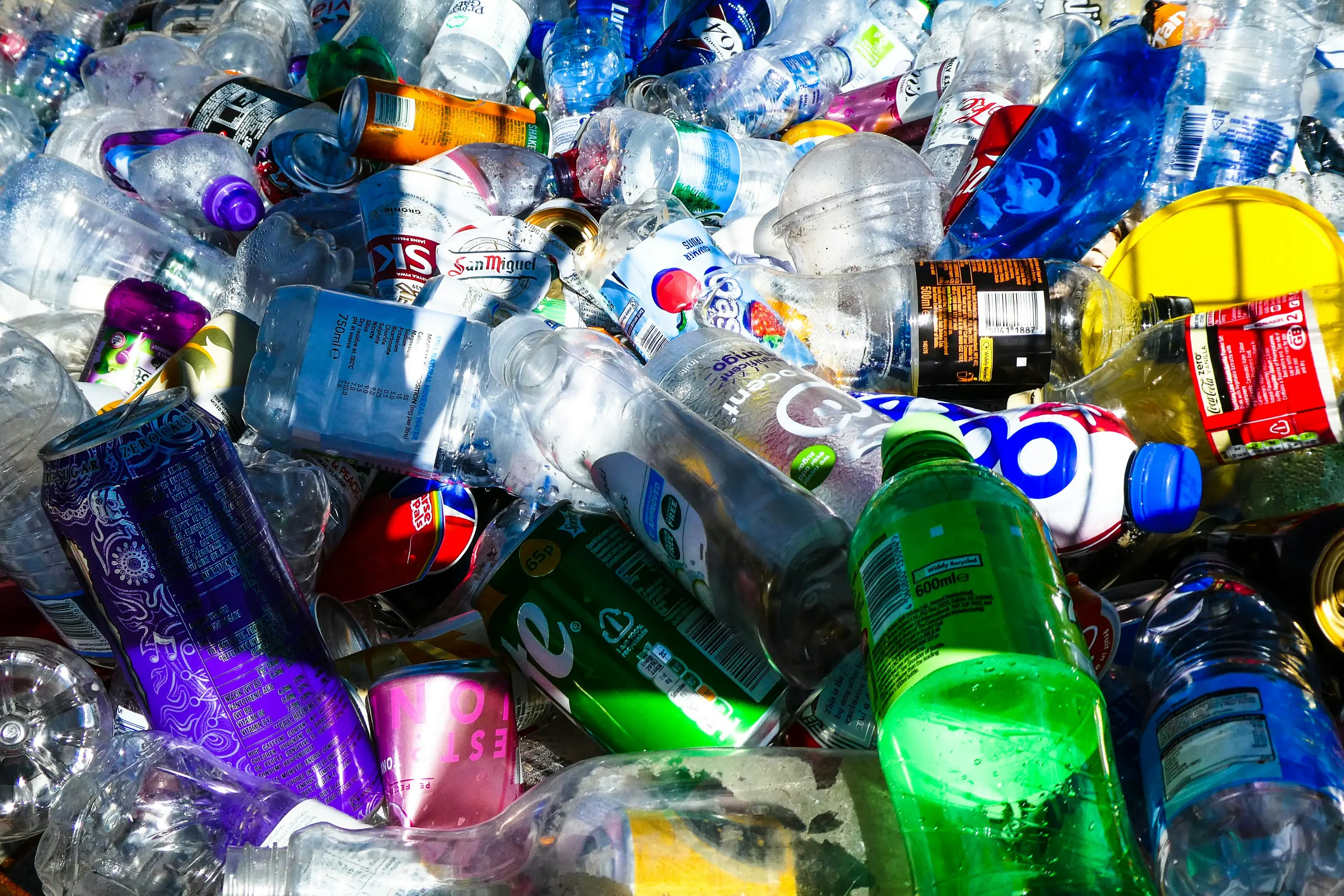
Bangladesh is categorised at a "Very High" MWI level with a score of 83.48 per cent. Despite being the first country to ban thin plastic bags in 2002, enforcement challenges mean the country still produces massive amounts of daily plastic waste. Much of this clogs complex river deltas, severely threatening marine life and localised ecosystems.
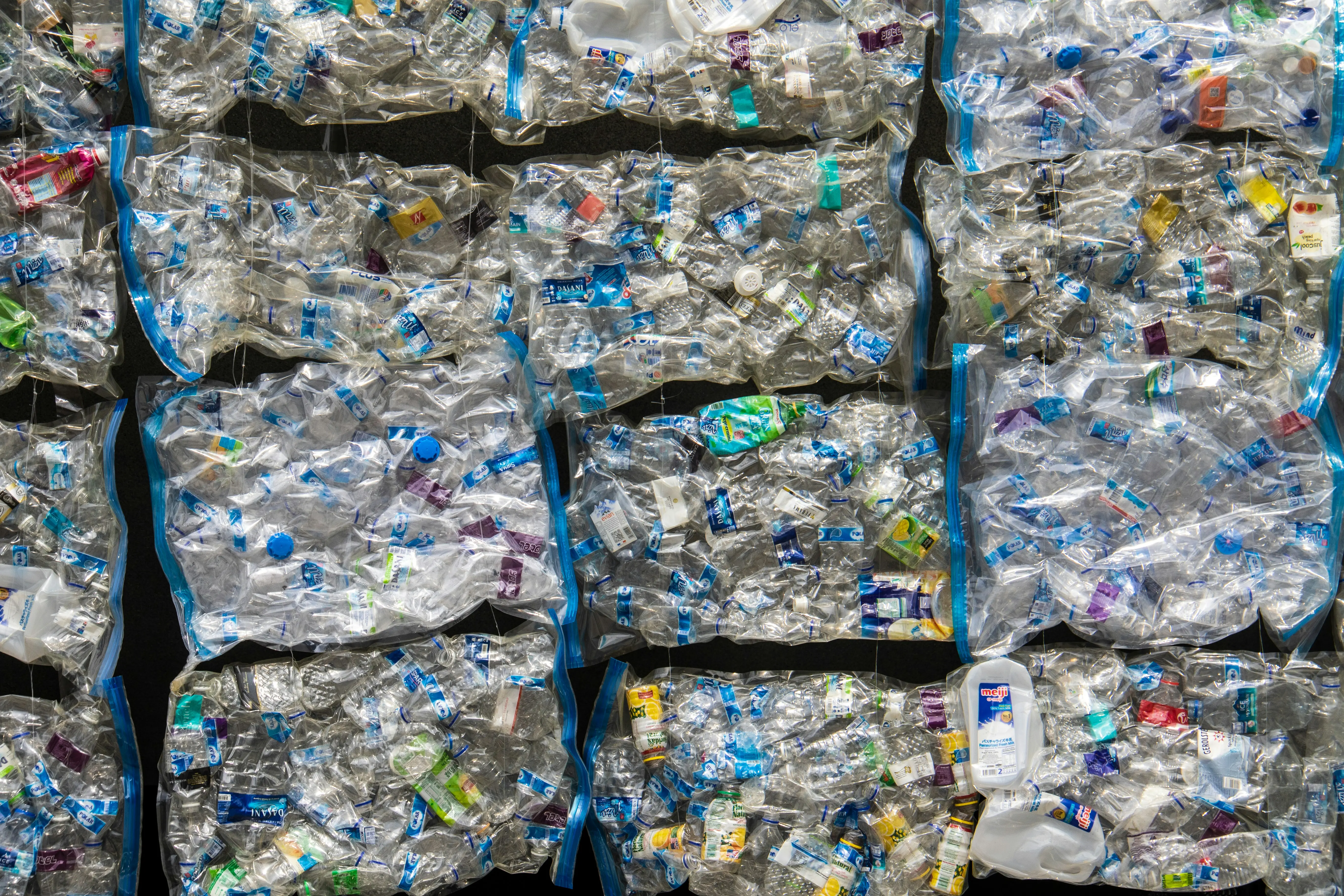
3. Nigeria
With an alarming MWI of 89.09 per cent, Nigeria sits at a "Very High" risk level. Africa's most populous nation generates roughly 2.5 million tons of plastic waste annually. Urban centres like Lagos face severe drainage blockages and urban flooding due to discarded plastic bottles, aggravated by a lack of formalised, state-backed recycling programs.
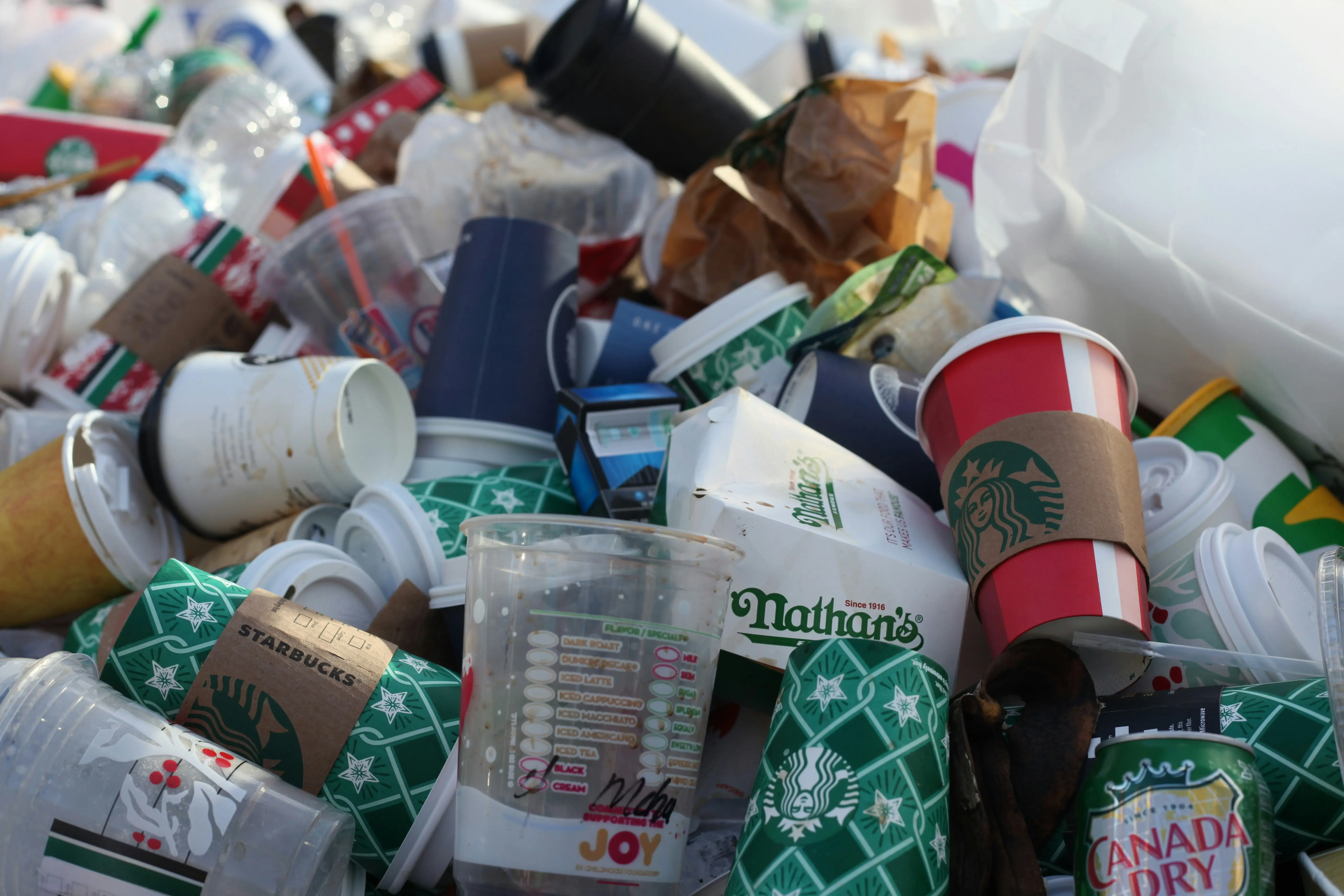
2. Pakistan
Pakistan exhibits a critical "Very High" MWI level at 87.81 per cent, generating over 3.3 million tons of plastic waste each year, with a staggering amount ending up in landfills or open water bodies. Weak enforcement of single-use plastic bans and a lack of integrated waste collection systems fuel this environmental crisis.
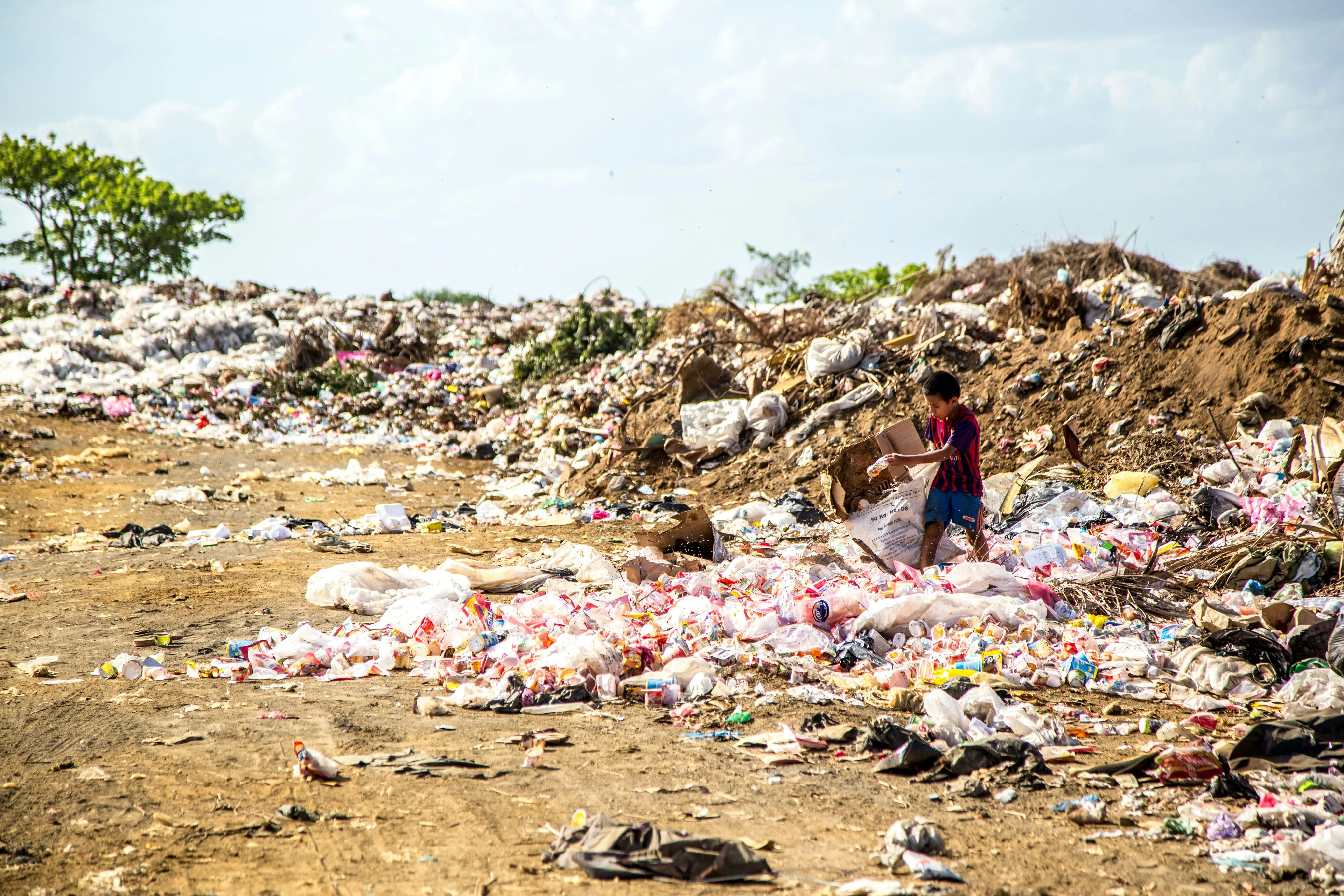
1. India
India holds a 'Very High' MWI level with an index score of 69.61 per cent. As one of the world's largest absolute producers of plastic waste, generating over 3.4 million metric tons annually, the country struggles heavily with microplastic pollution in major river systems like the Ganges and inadequate municipal recycling infrastructure to match its massive population, according to data released by Statista in 2026.
)
)
)
)
)