Which countries are producing more AI Researchers? Where does India stand?

AI research is split between academia (universities producing theoretical breakthroughs) and industry (companies applying AI to real-world products). Both streams contribute significantly.

United States’ Research Leadership
The US leads in AI research, with top universities (MIT, Stanford) and firms (OpenAI, Google DeepMind US, Microsoft) driving innovation. It publishes the highest number of influential AI papers.
The US leads in AI research, with top universities (MIT, Stanford) and firms (OpenAI, Google DeepMind US, Microsoft) driving innovation. It publishes the highest number of influential AI papers.

China’s Expanding AI Workforce
China produces the largest number of AI-related graduates. The government has invested billions into AI research, with institutions in Beijing and Shanghai leading global projects.

Europe’s Contribution
Germany, France, and the UK are Europe’s AI leaders. The EU supports AI development through Horizon Europe, funding robotics, automation, and ethical AI studies.

India’s Role in AI Talent
India is producing a growing number of AI engineers and researchers, mainly through IT firms and startups. Bangalore has emerged as a hub for AI development.

Other Regional Hubs
Canada is home to leading AI institutes in Toronto and Montreal, while South Korea and Japan focus on robotics and automation AI.
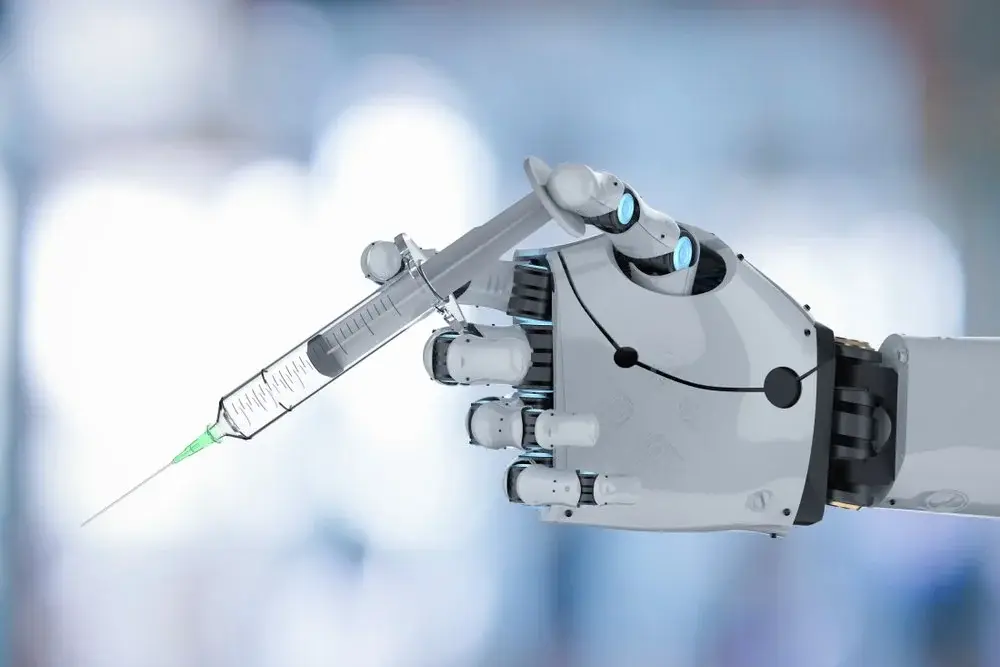
Academic vs Industry Research
AI research is split between academia (universities producing theoretical breakthroughs) and industry (companies applying AI to real-world products). Both streams contribute significantly.

Global Collaboration
AI research is highly international, with joint projects and shared datasets. Conferences such as NeurIPS and ICML showcase global cooperation.
)
)
)
)
)