Where will you find the cleanest air in the world? Is India on the list?

Do you know which countries have the best air quality in 2025? Explore 10 countries where air is cleanest and know why these nations lead in keeping the environment fresh and safe.
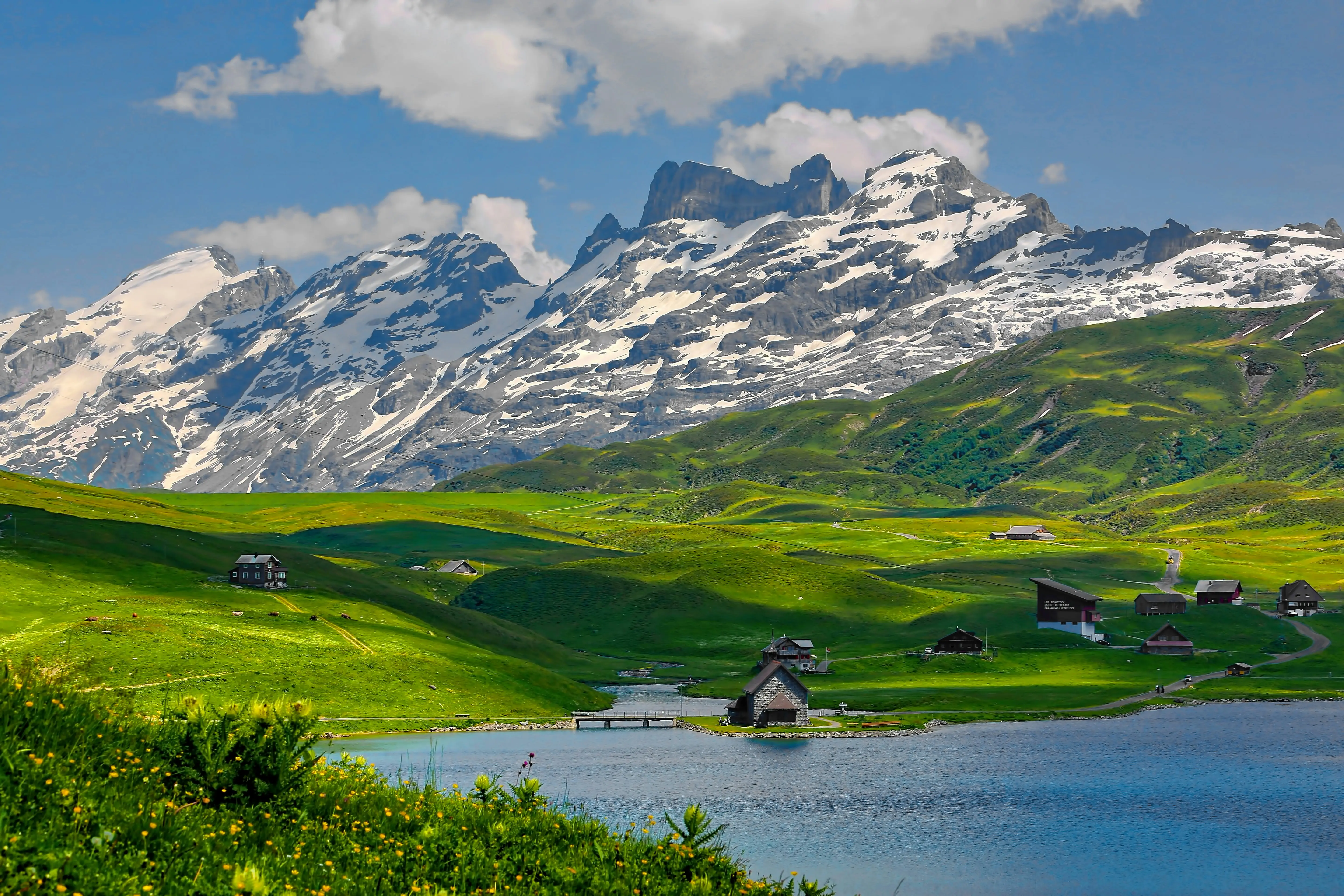
10. Switzerland
Switzerland has a PM2.5 average of 7.2 µg/m³ and 60% of energy from clean sources. Though more densely populated at 219 people per km², it maintains clean air with strict controls and green transport.
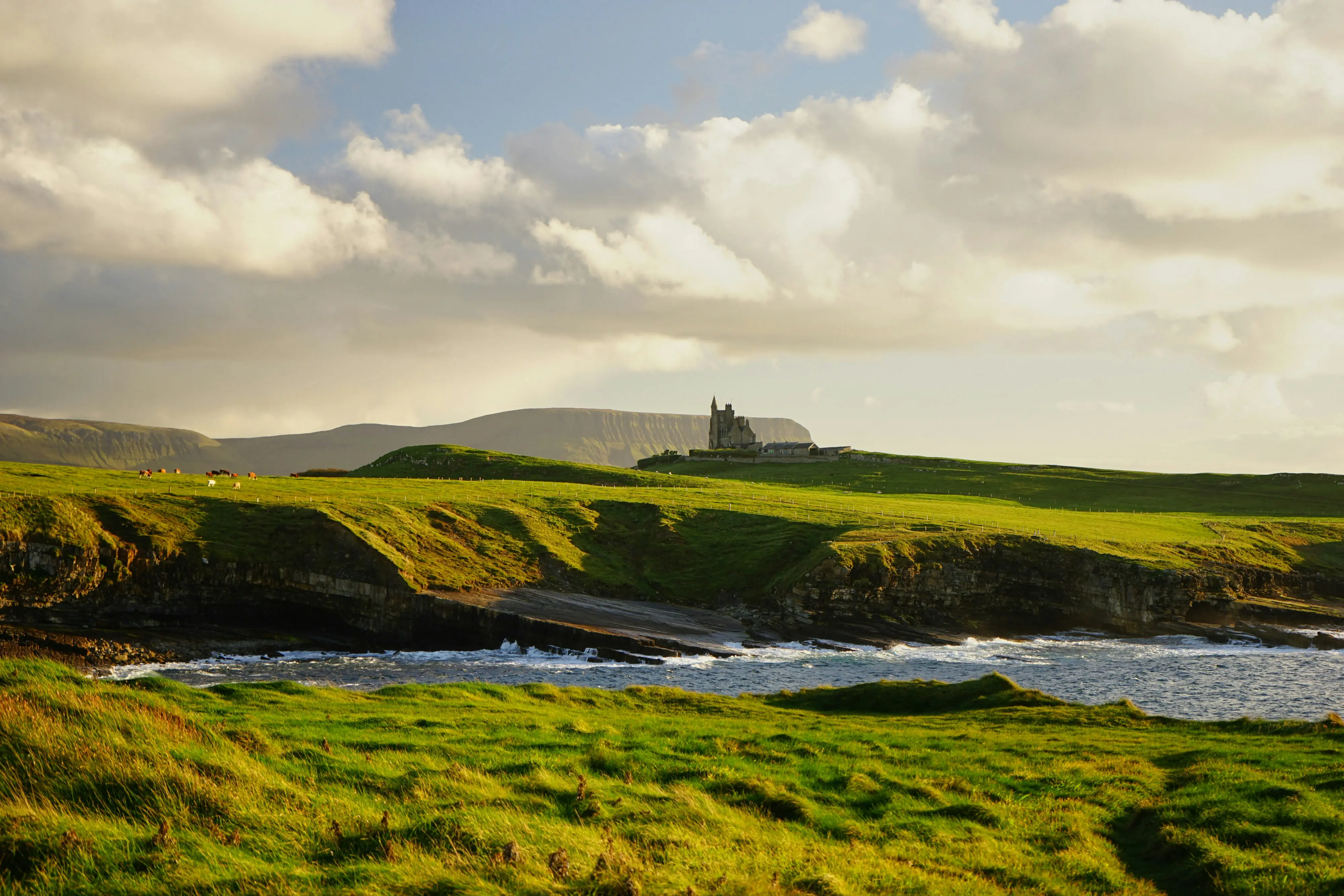
9. Ireland
Ireland uses around 37% clean energy with a PM2.5 average of 7.0 µg/m³. Its population density is higher than some others, but clean fuels and environmental laws help.

8. Australia
Australia’s air quality averages 6.9 µg/m³ in PM2.5. Although only 24% of energy is clean, its vast open spaces and natural parks help keep air fresh.
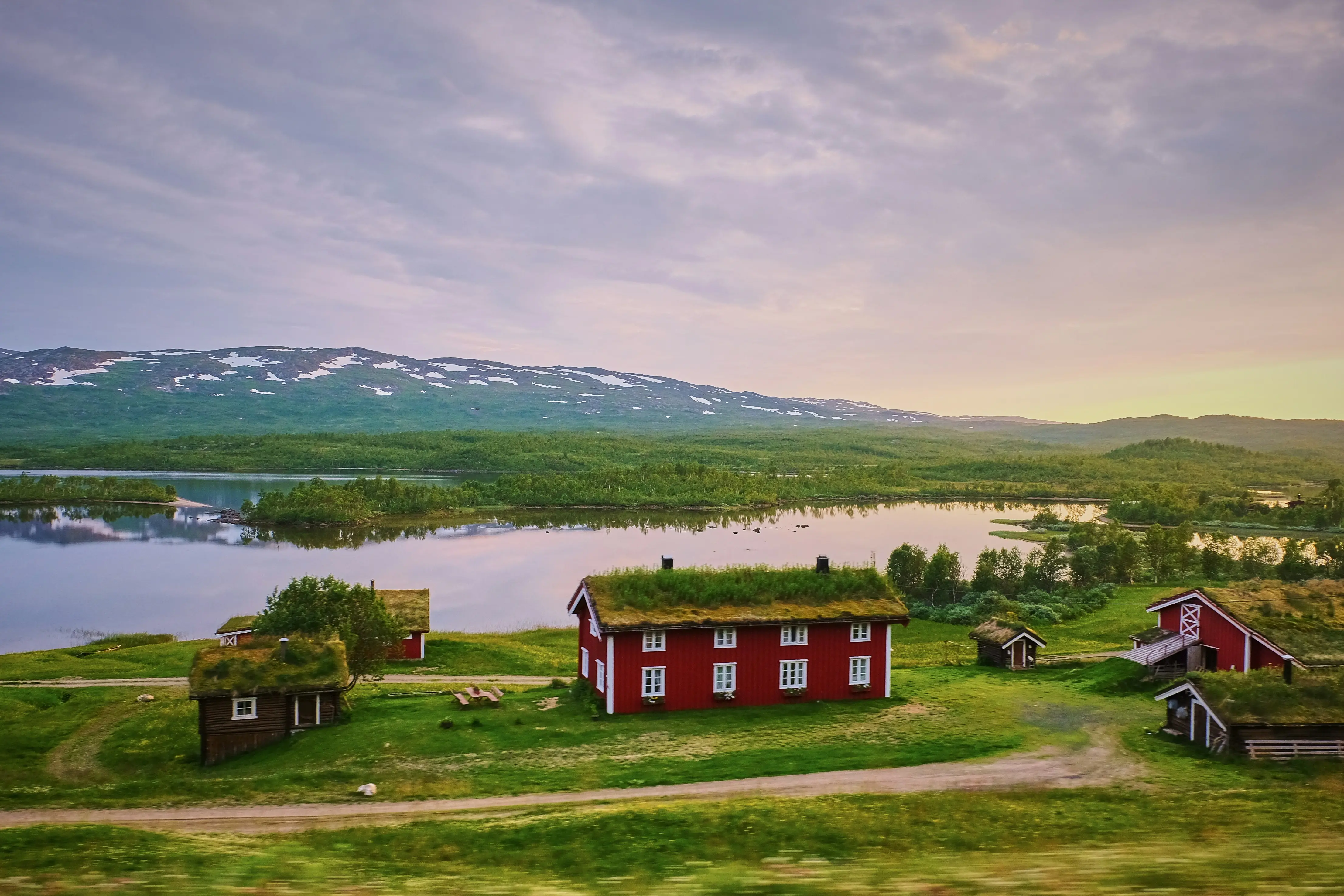
7. Sweden
Sweden’s clean energy use is 84%, with a PM2.5 average of 6.5 µg/m³. It has strong environmental policies and many green areas to maintain air quality.
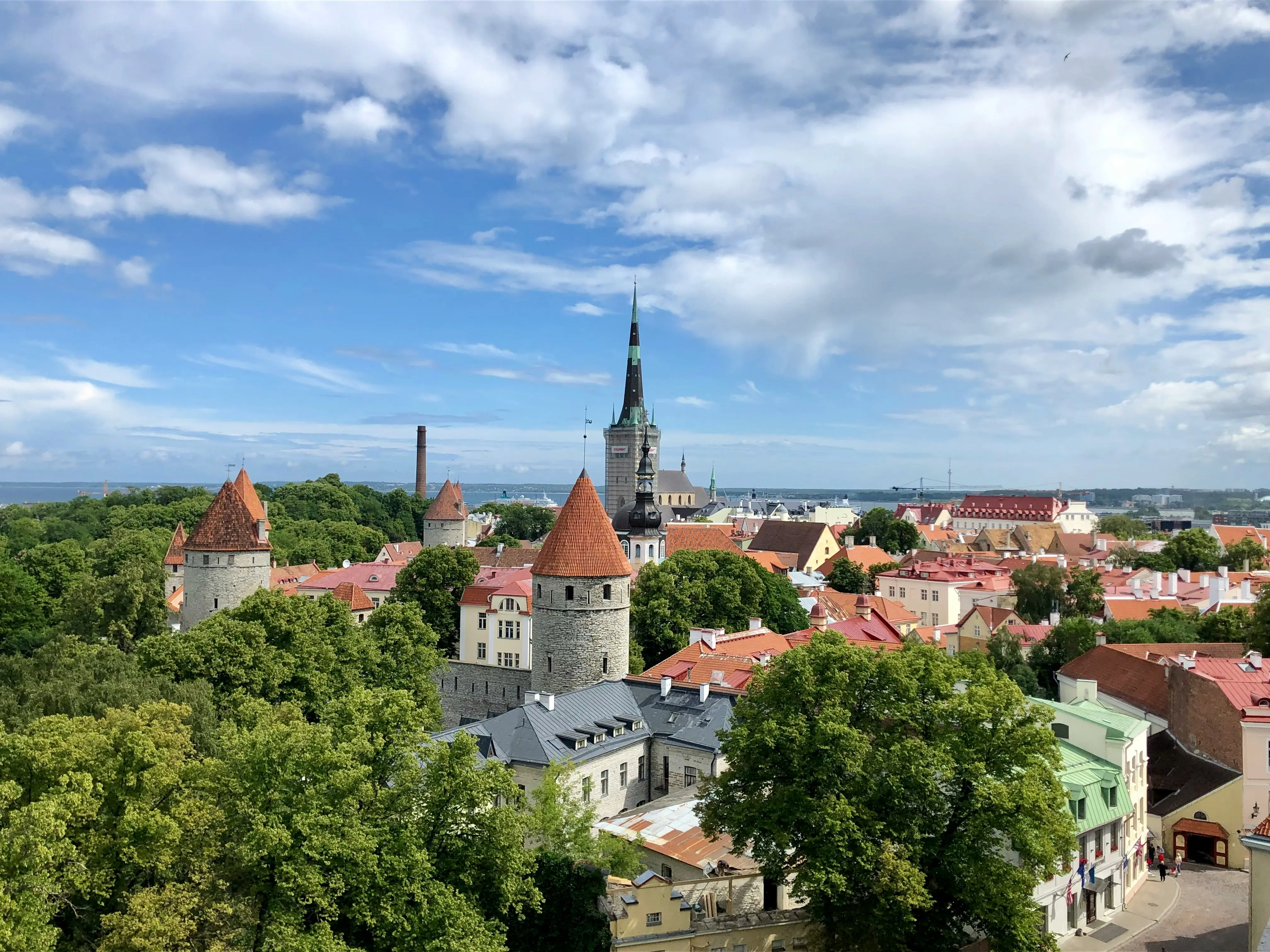
6. Estonia
Estonia uses 65% clean energy with a PM2.5 average of 6.3 µg/m³. Its forests and small cities help keep pollution levels down.
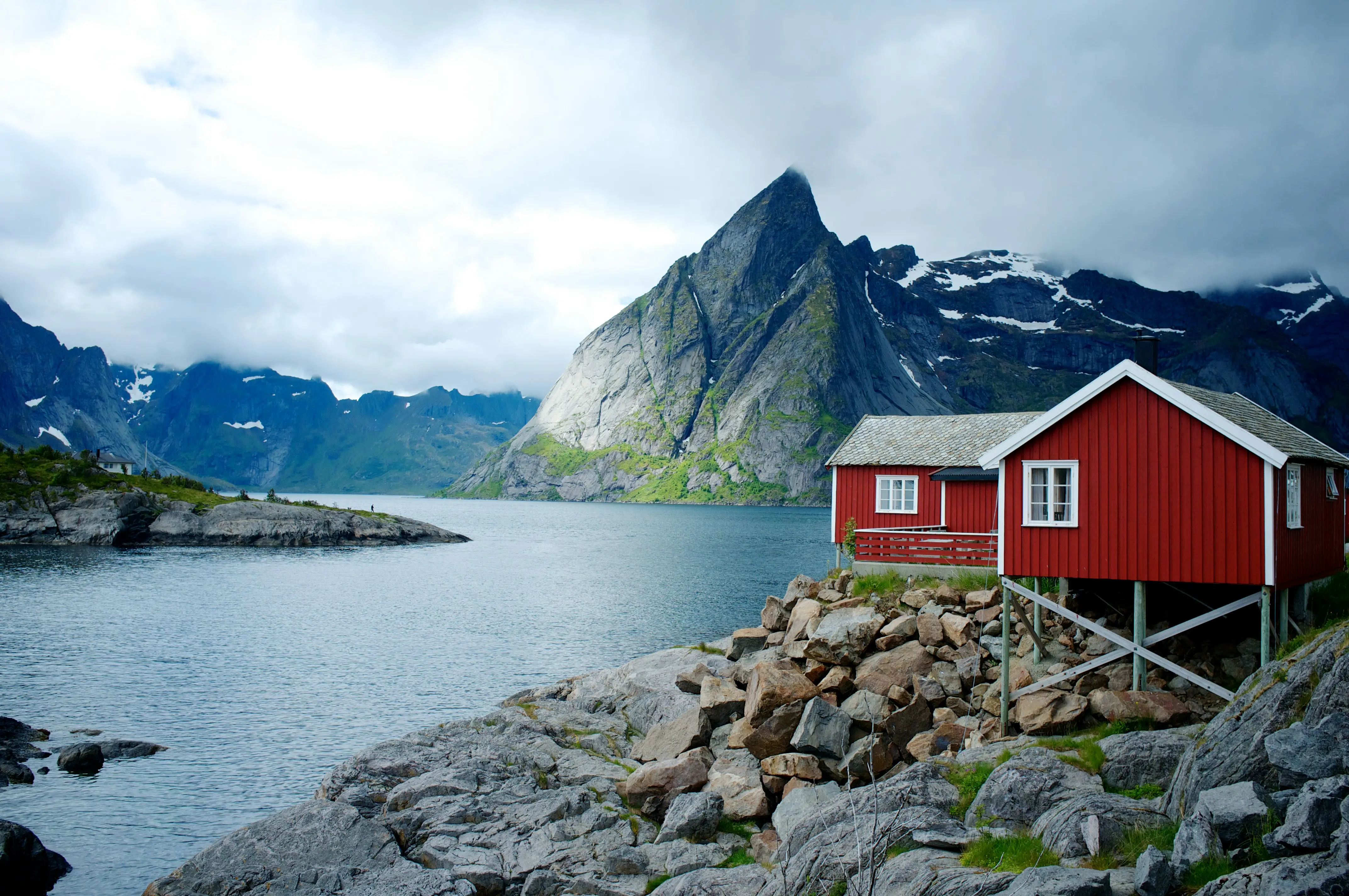
5. Norway
Norway scores well, with 98% clean energy use and an average PM2.5 level of 6.1 µg/m³. Its population density is low, around 15 people per km², contributing to clean air.
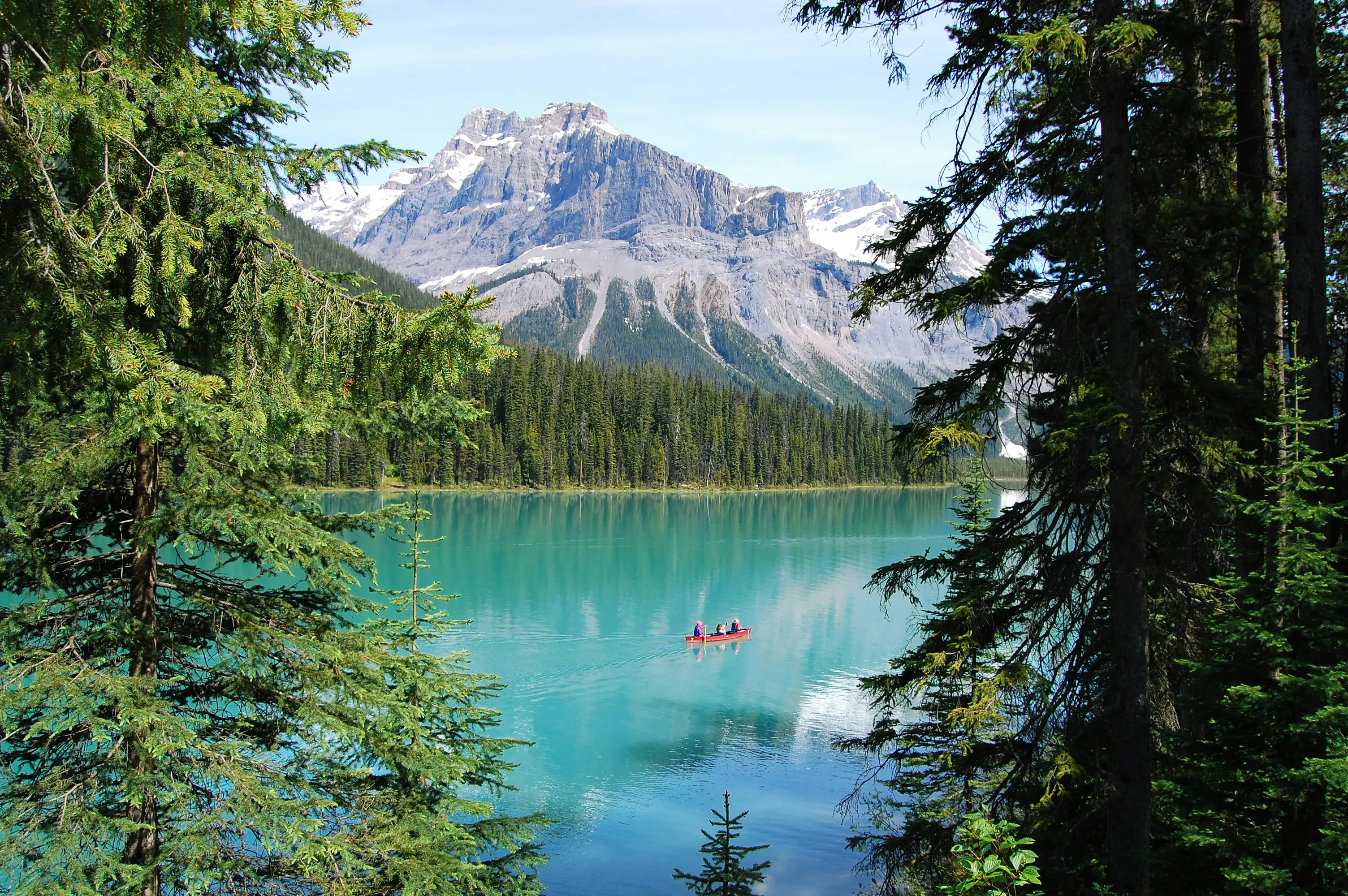
4. Canada
Canada's air quality is excellent with a PM2.5 average of 5.8 µg/m³. About 66% of its energy comes from clean sources and vast wilderness areas help keep pollution low.
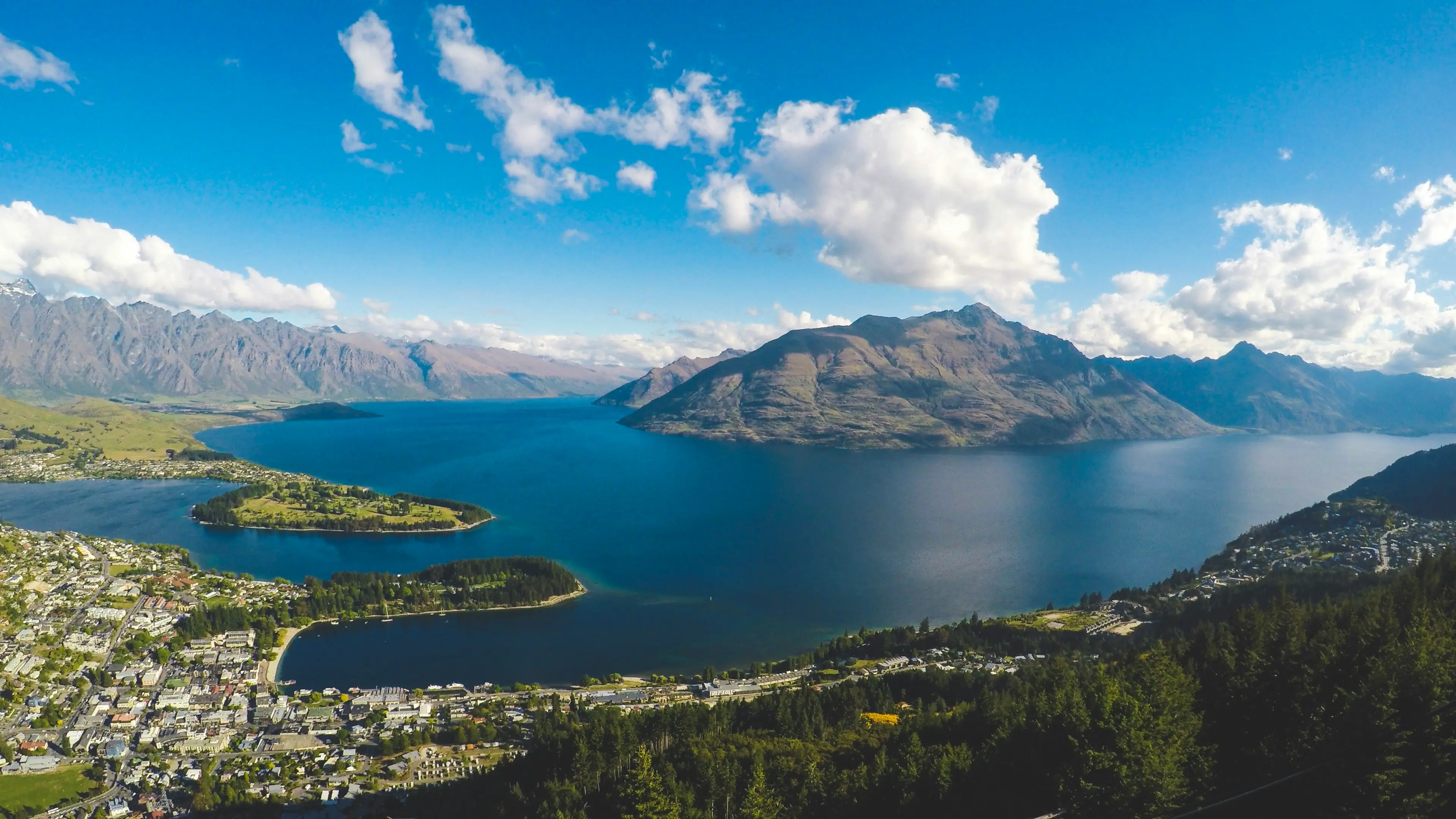
3. New Zealand
With an average PM2.5 of 5.4 µg/m³, New Zealand enjoys fresh air thanks to 82% clean energy use and low population density. Strong environmental rules also protect its natural landscapes.
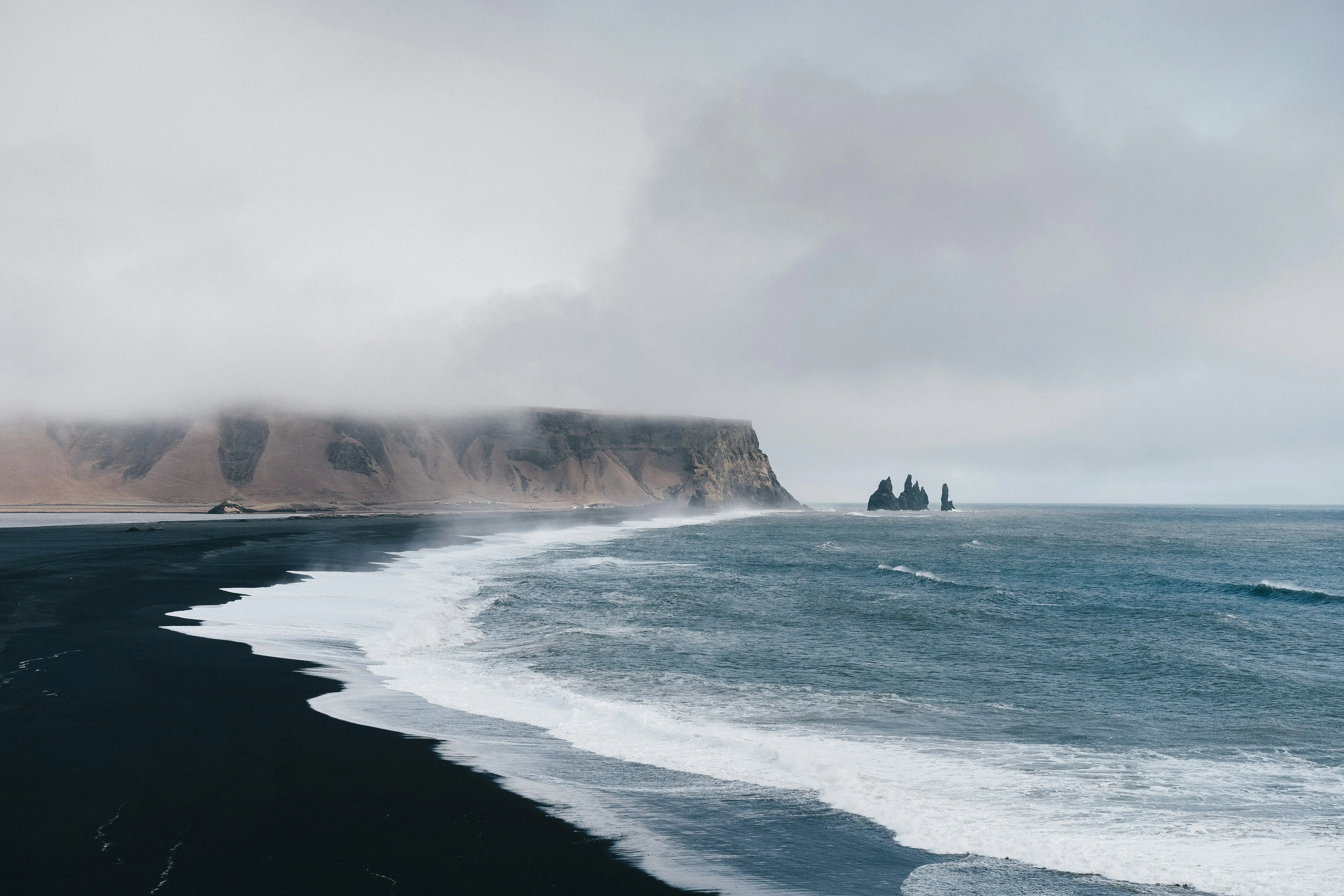
2. Iceland
Iceland uses nearly 100% clean energy, mostly geothermal and hydro power. Its very low population density of just 3 people per km² contributes to exceptionally clean air, even in cities.
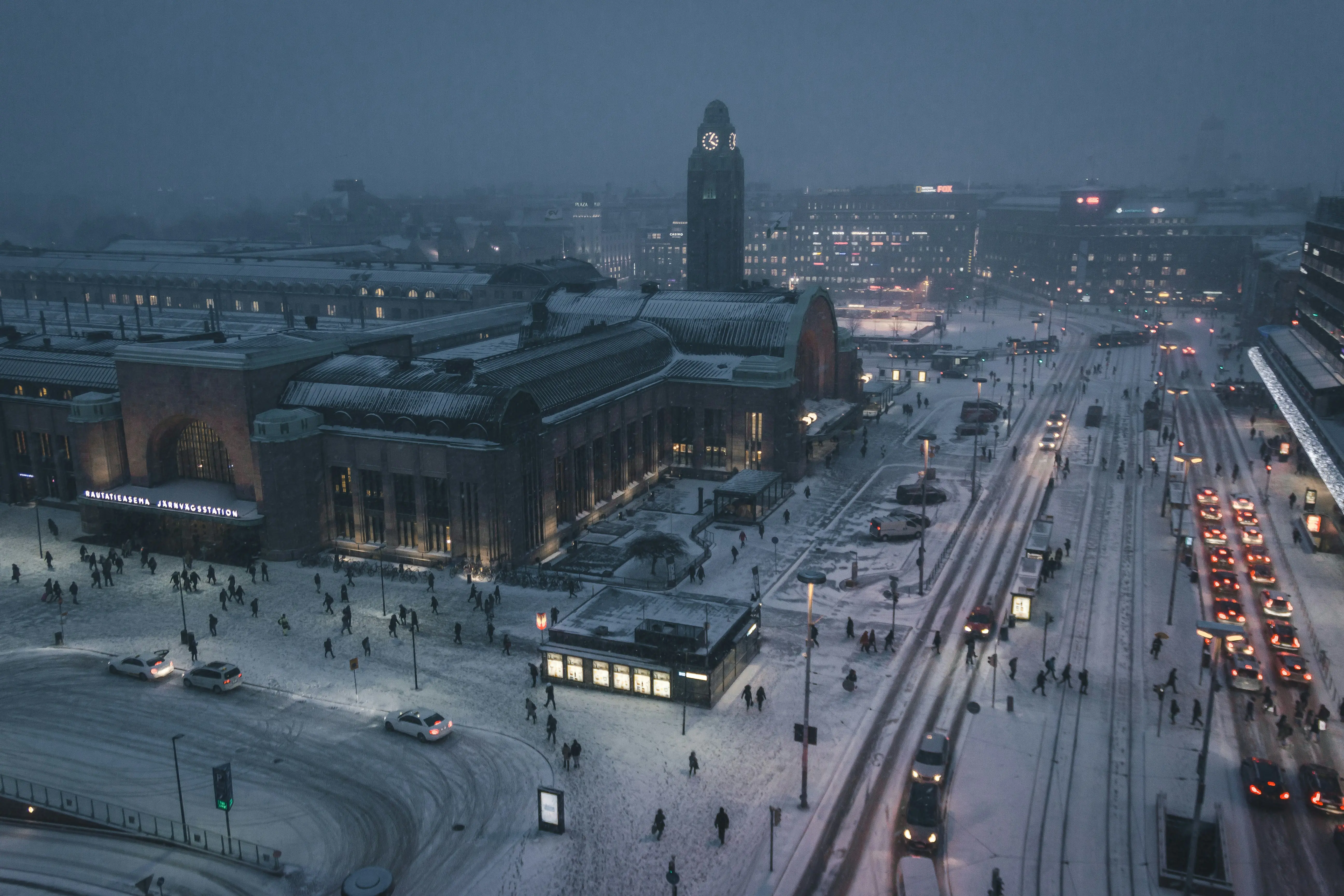
1. Finland
Finland leads with an average PM2.5 level of just 4.9 µg/m³. About 75% of its energy comes from clean sources like wind and solar. Its low population density and many forests also help maintain fresh air everywhere.

)
)

)