Where was B-2 Bomber’s 'Batwing' design inspired from?

During the late 1940s and 1950s, some test flights of the YB-49 “flying wing” sparked UFO reports in America. Its strange silhouette, no tail, just a smooth bat-like wing, confused many observers.
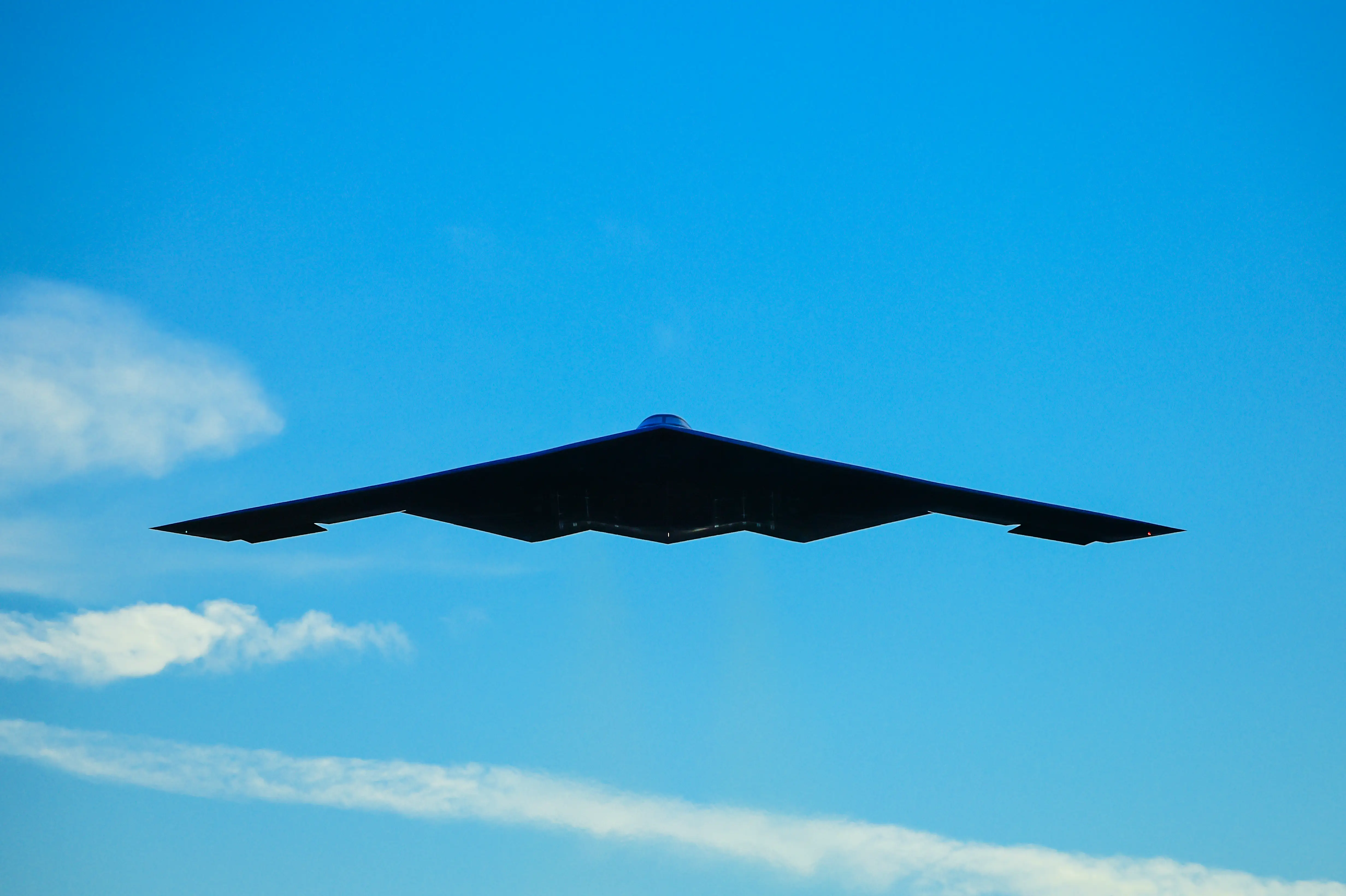
The Flying Wing Dream
The B-2’s unique “batwing” look didn’t come out of nowhere. Its roots go back to the 1940s, when aviation pioneer Jack Northrop experimented with “flying wing” aircraft, designs without a conventional fuselage or tail. Northrop believed a flying wing would be more aerodynamic, more fuel-efficient, and harder to detect.
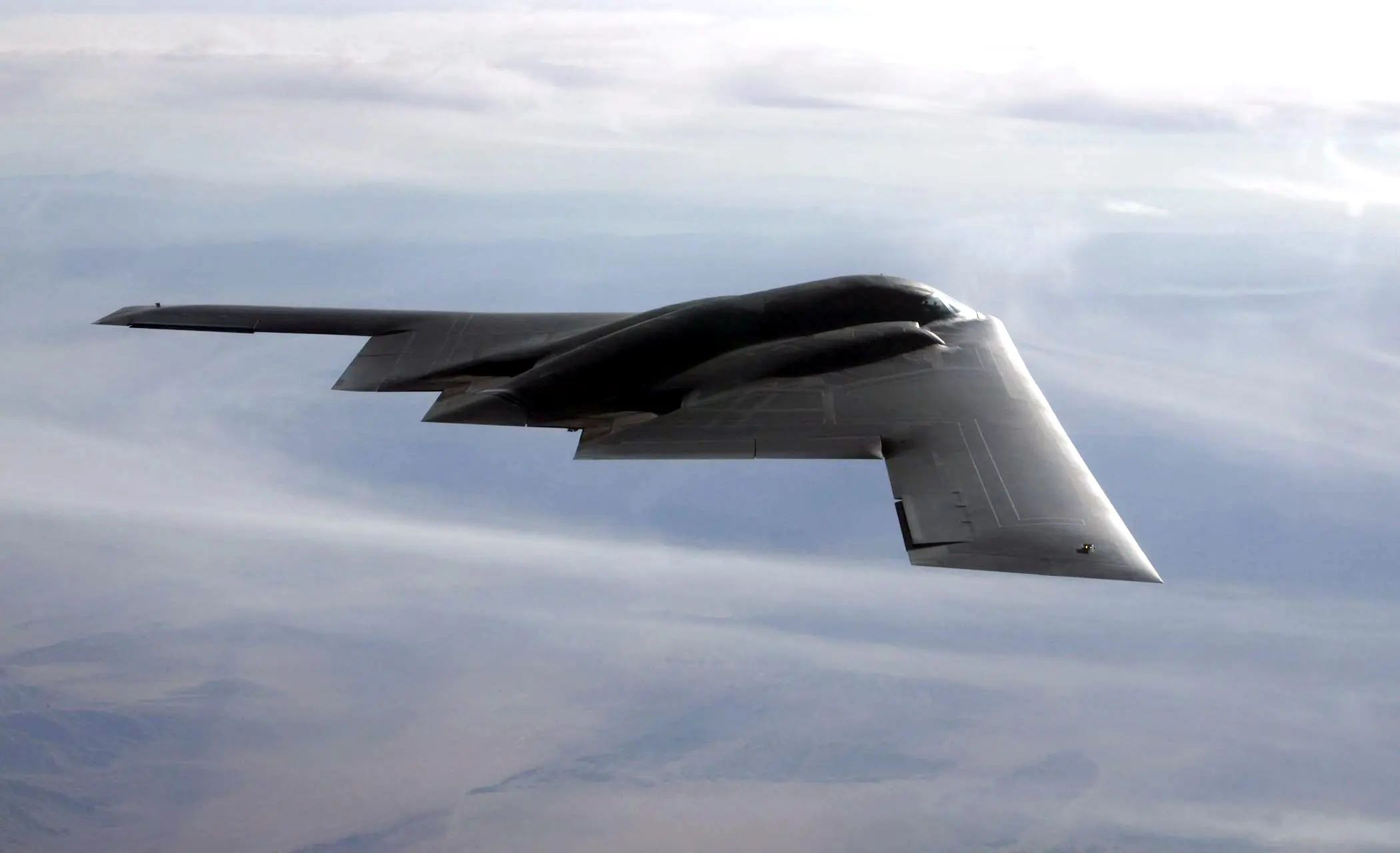
Jack Northrop’s Vision
Northrop built prototypes like the YB-35 and YB-49, which looked eerily similar to the modern B-2. While those early bombers were ahead of their time, they faced stability issues and were eventually scrapped. But decades later, stealth technology and computers made Jack Northrop’s old dream possible.
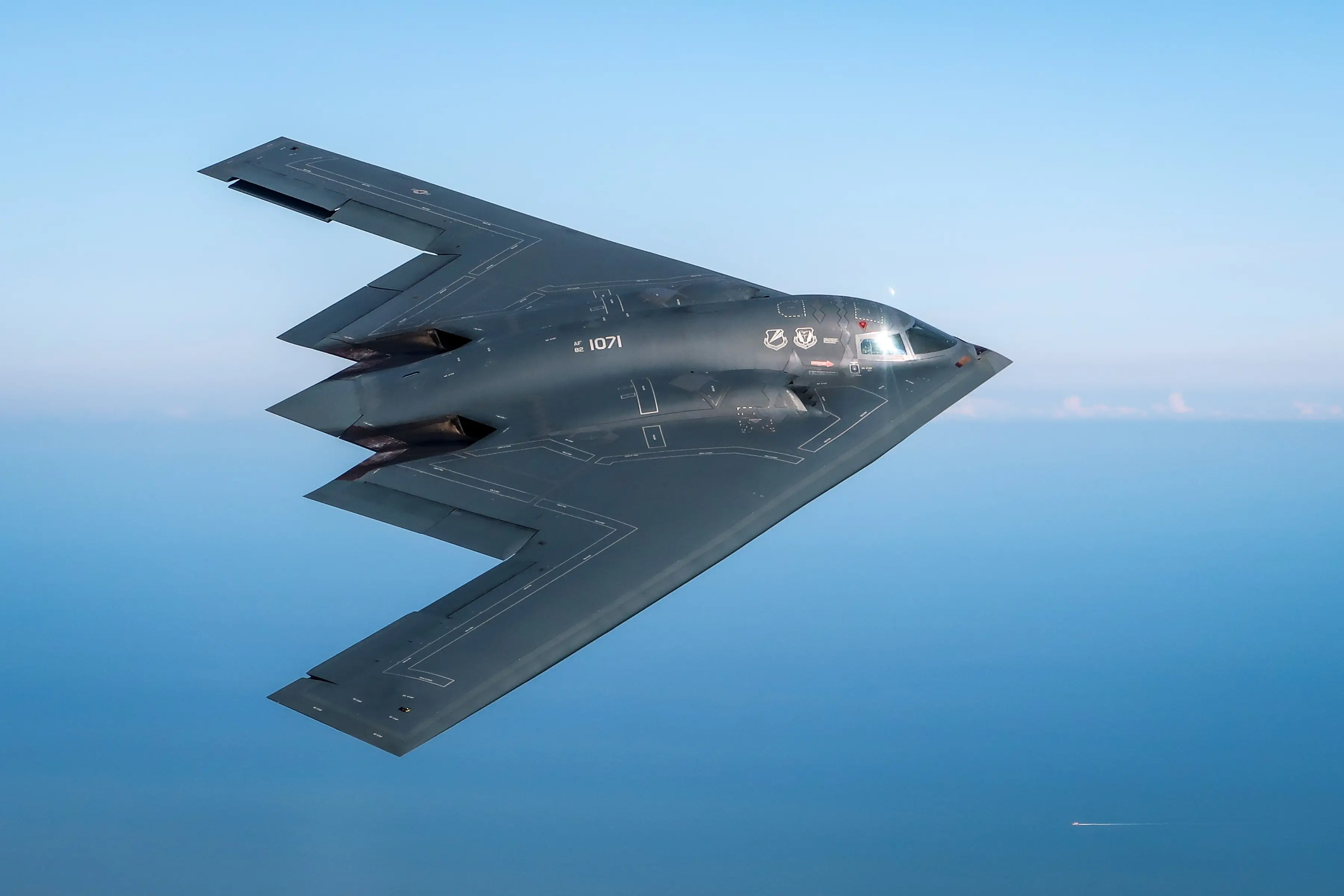
The UFO Connection
During the late 1940s and 1950s, some test flights of the YB-49 “flying wing” sparked UFO reports in America. Its strange silhouette, no tail, just a smooth bat-like wing, confused many observers. The B-2 inherited this same UFO-like appearance, cementing its reputation as one of the most mysterious aircraft ever built.
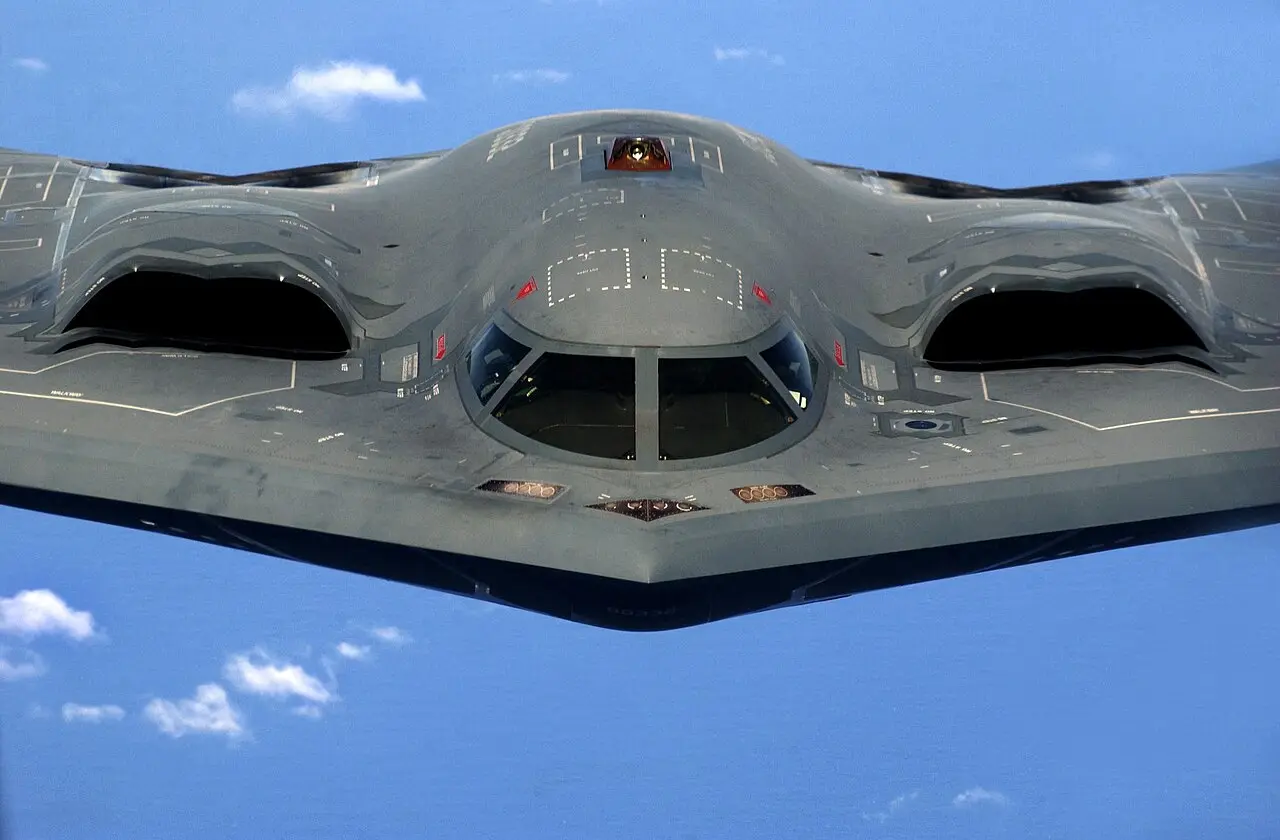
Nature’s Blueprint
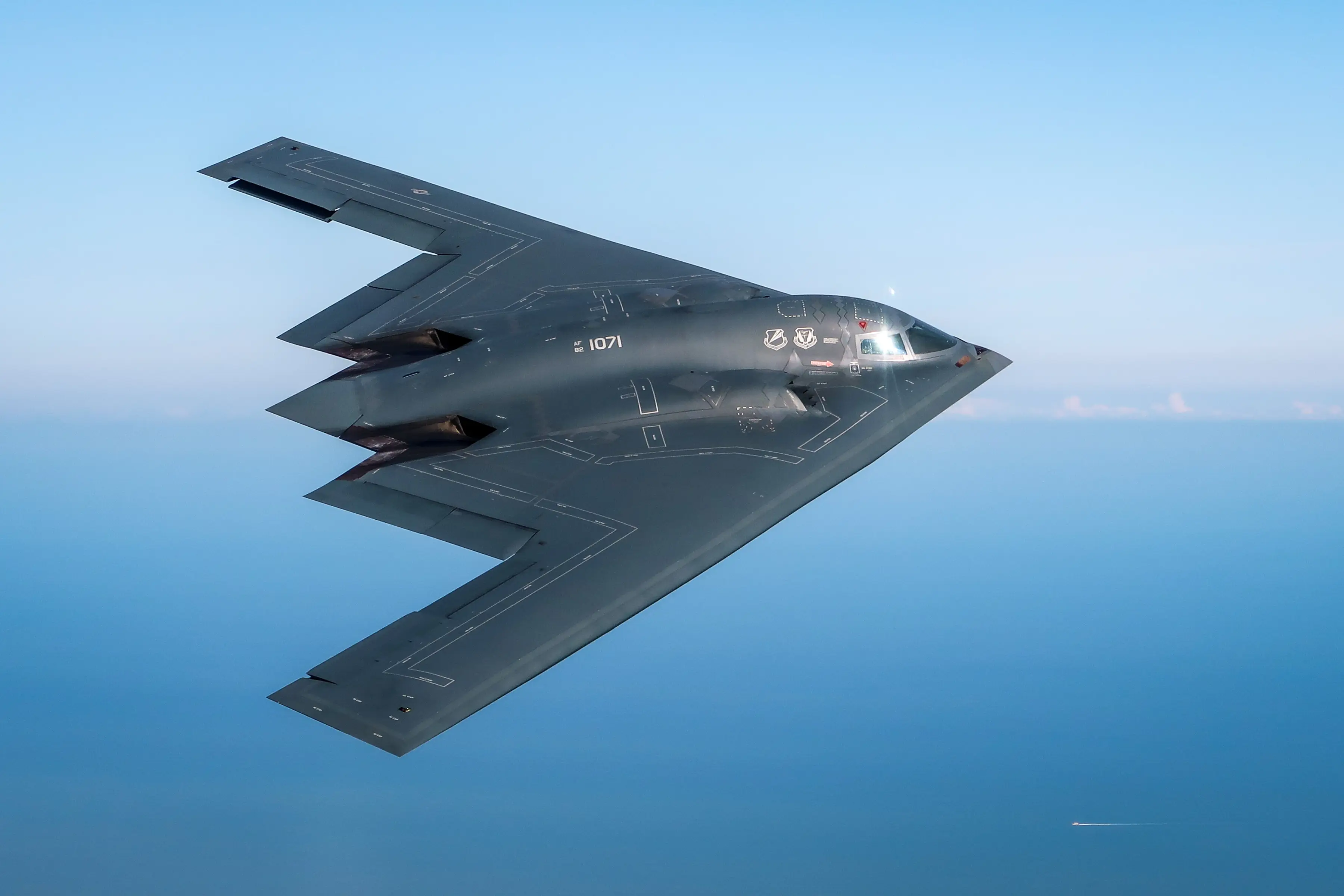
The batwing design also takes inspiration from nature. Engineers studied the aerodynamics of birds and bats, noticing how broad wings allow for long, silent glides. The B-2’s curved edges mimic those shapes, making it more stable in flight and nearly invisible to radar.
The Stealth Factor
A traditional bomber with sharp edges and a vertical tail reflects radar waves easily. The flying wing avoids this problem. The smooth batwing shape of the B-2 helps scatter radar signals in multiple directions, making the aircraft nearly invisible to detection systems.
The Computer Revolution
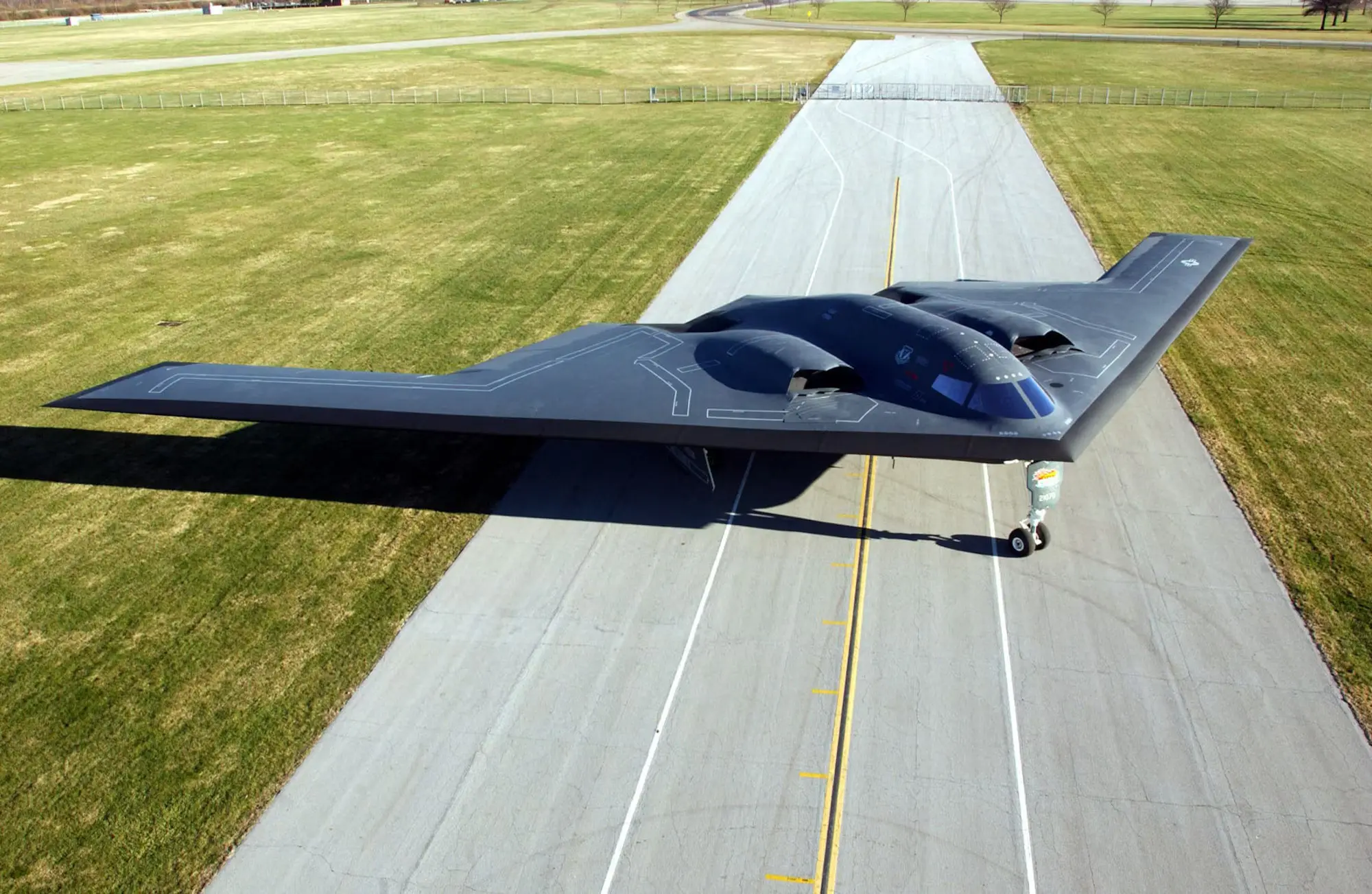
One reason Northrop’s earlier flying wings failed was control. Pilots struggled to keep the tailless aircraft stable. By the 1980s, fly-by-wire computer systems solved this issue. Computers continuously adjust the B-2’s control surfaces, letting the “batwing” stay perfectly balanced in the sky.
A Design Decades Ahead
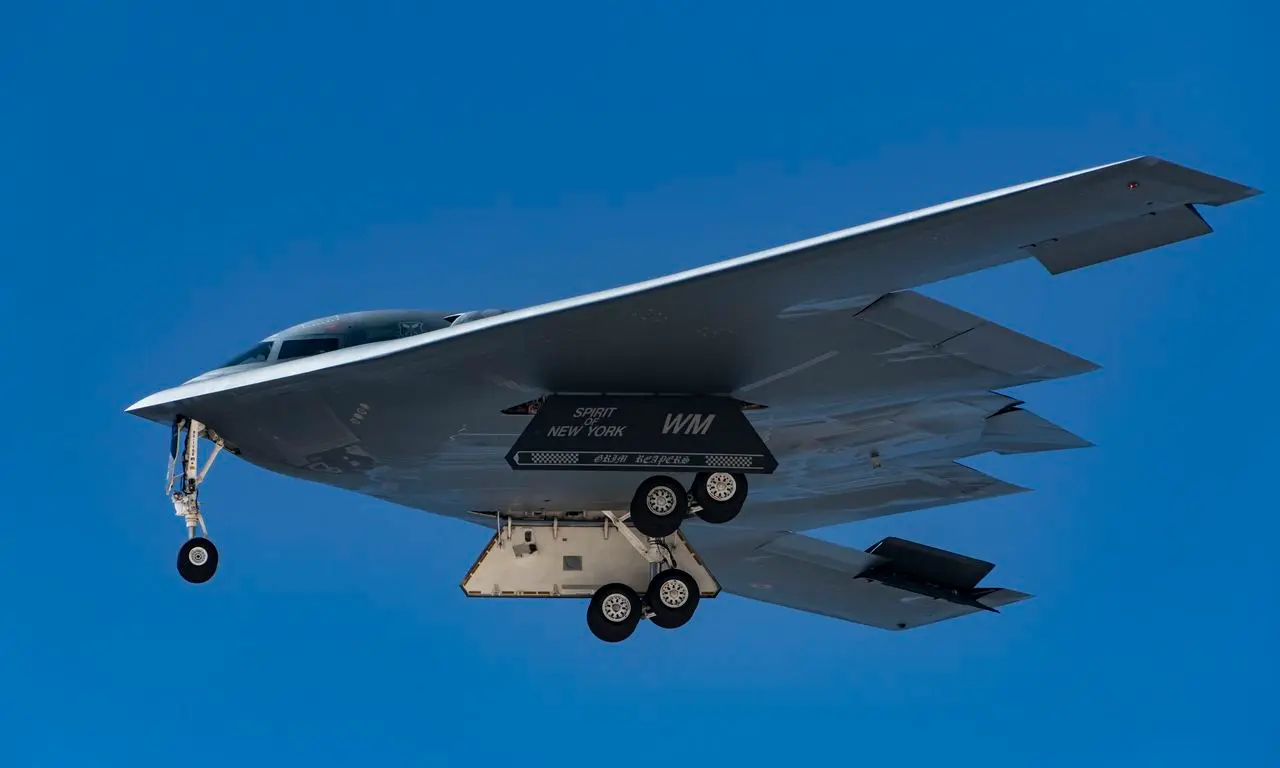
So, the B-2’s batwing look wasn’t just an artistic choice. It’s a mix of Jack Northrop’s 1940s dream, stealth science, and lessons from nature. What once looked like science fiction became the most advanced stealth bomber in history.
)
)
)
)
)