Where on Earth you’ll be safest when the magnetic poles reverse

If Earth’s magnetic poles reverse one day, some regions will remain safer than others. This story shows where risks may be lower, how technology like iPhones may be affected, and what you can do to prepare. Know more below.
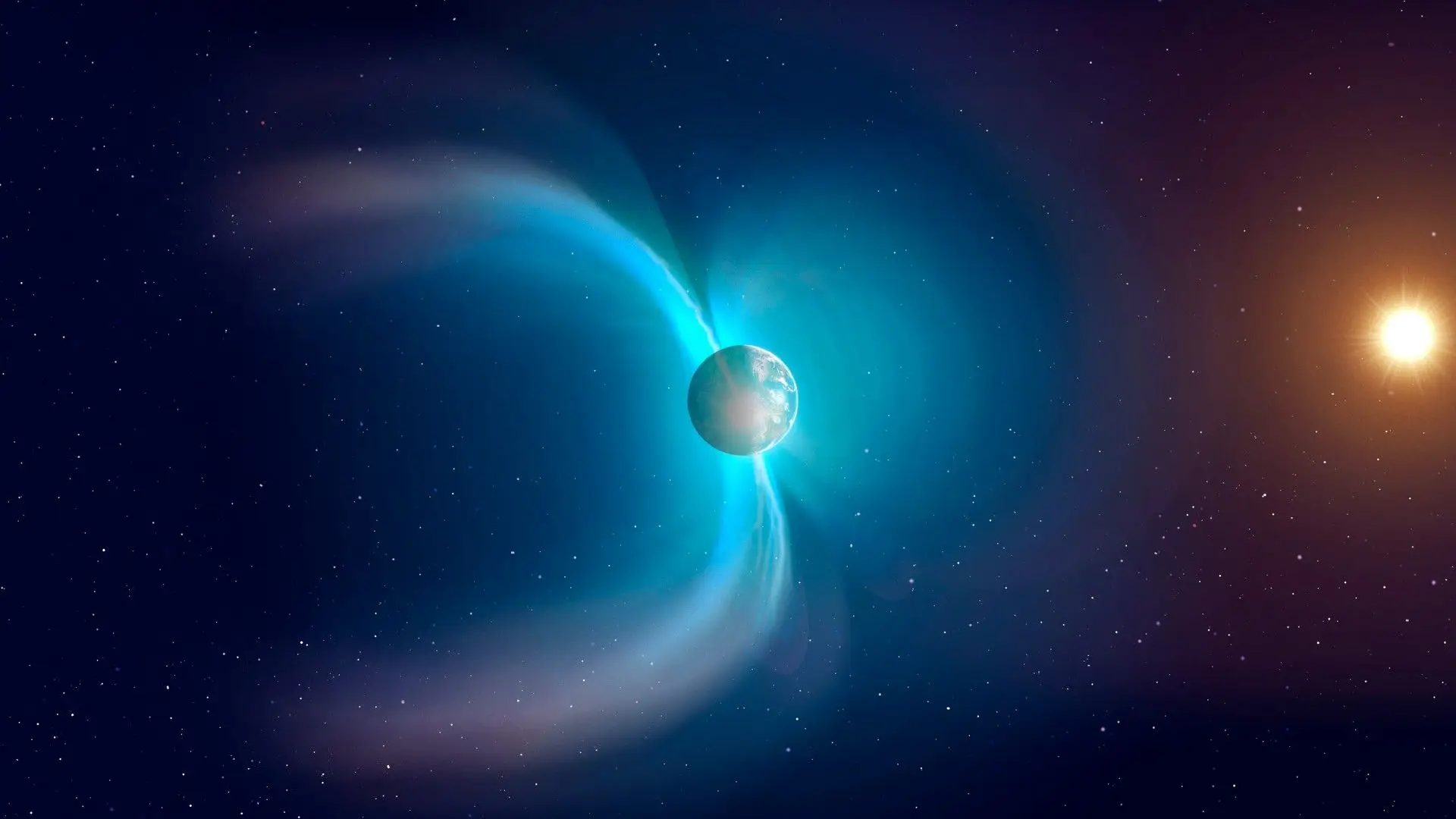
Earth’s magnetic poles
What if Earth’s magnetic poles may one day reverse meaning north becomes south, and vice versa. But if that happens, some places on Earth may be safer than others. Let us explore which regions might fare better and what you should know.
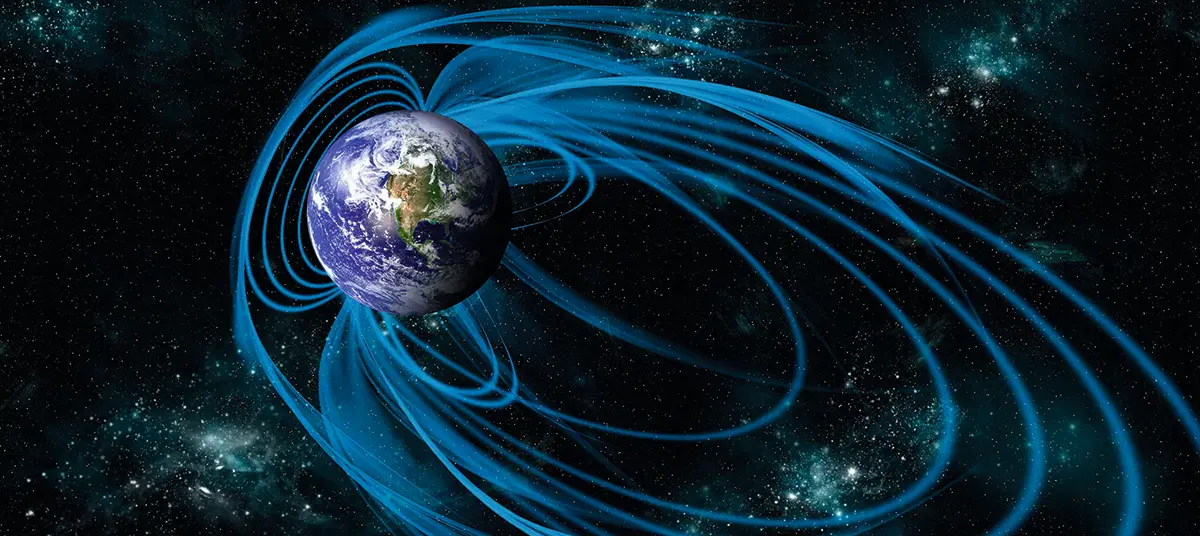
What is a magnetic pole reversal?
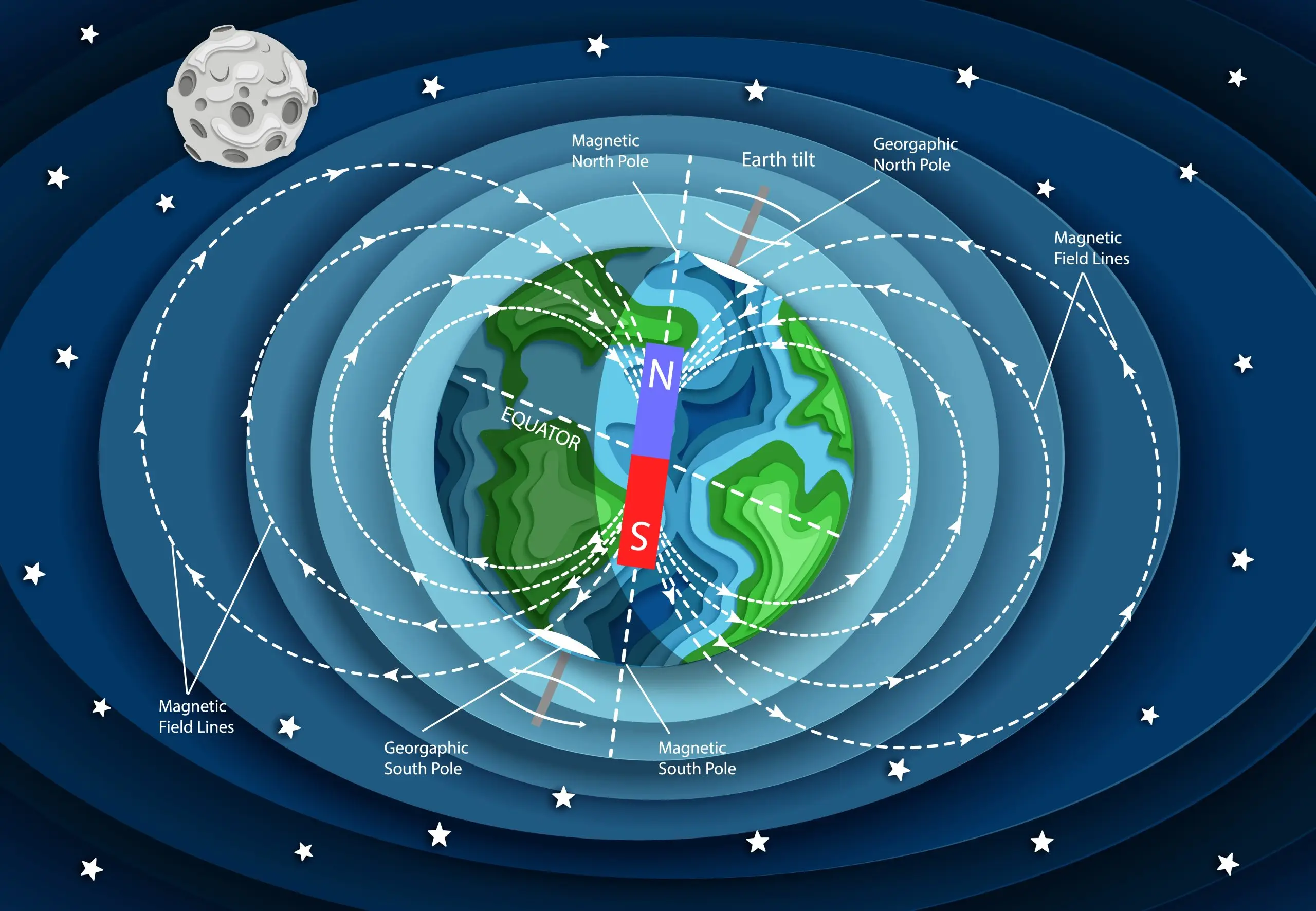
A pole reversal, also called geomagnetic reversal, is when Earth’s magnetic north and south swap places. This has happened many times in Earth’s history scientists estimate more than 180 reversals in the past 83 million years. The process is slow and can take thousands of years.
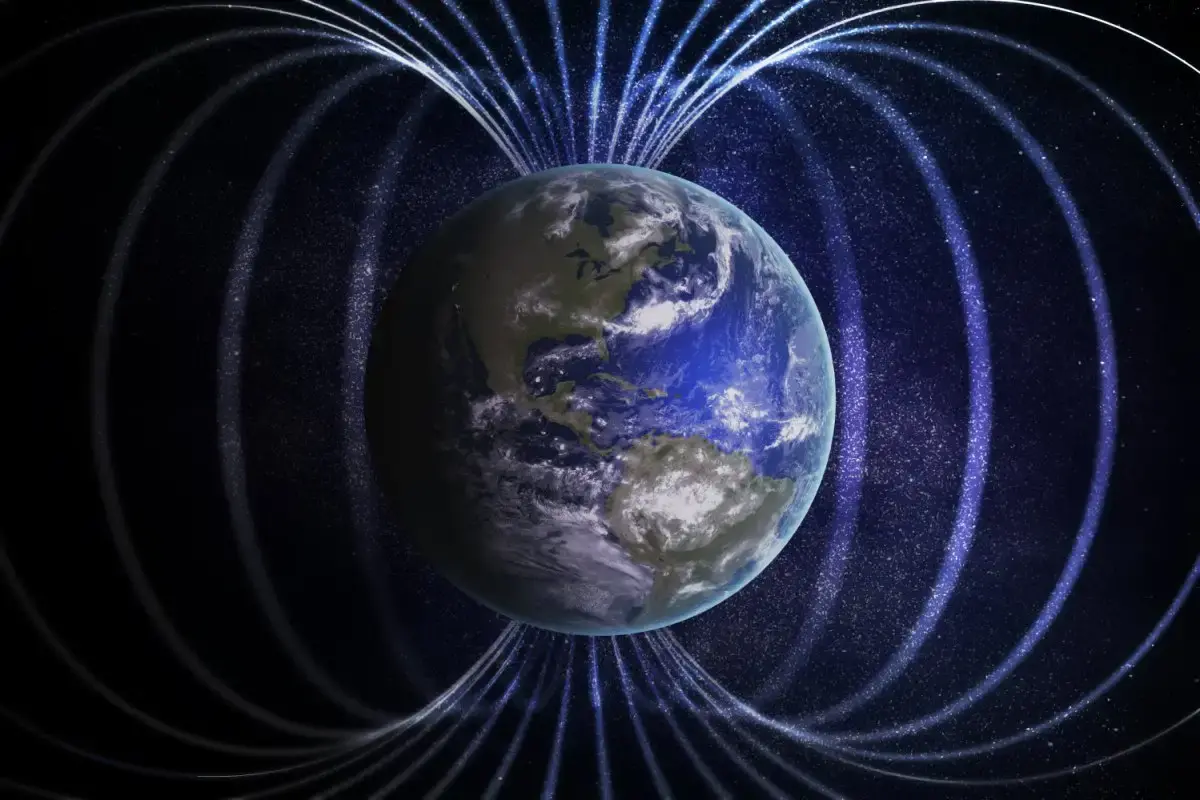
Why would a reversal matter?
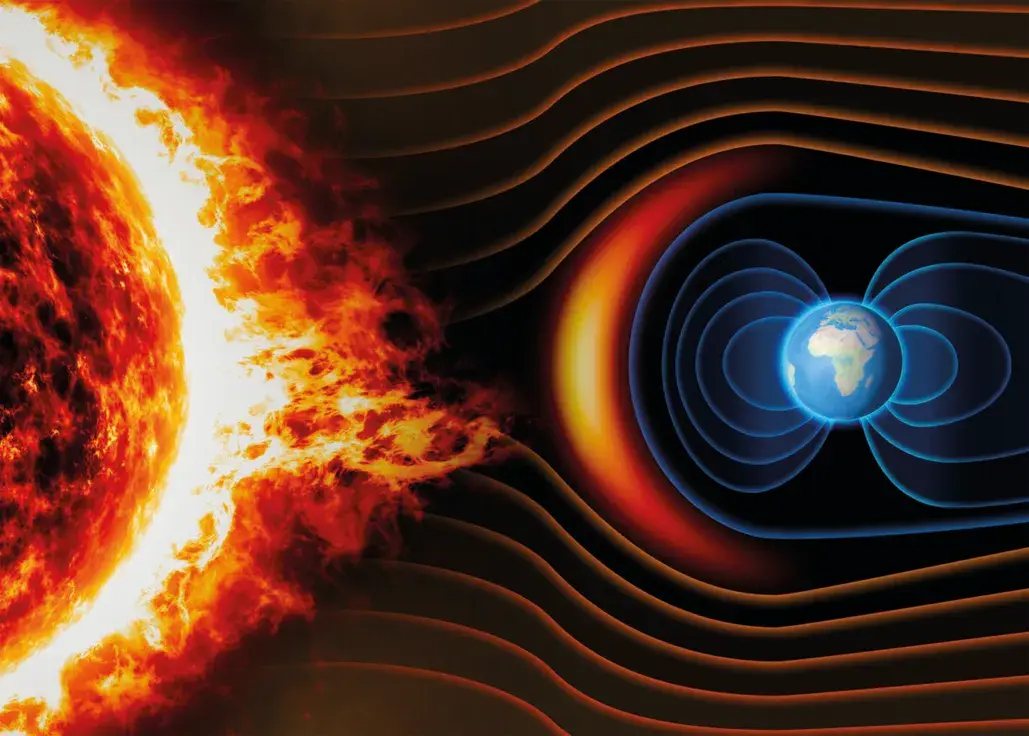
During a reversal, Earth’s magnetic field may weaken temporarily. A weaker field means less protection from charged particles from the Sun, which could raise radiation exposure, affect satellites, and disrupt power grids. Navigation systems that use magnetism (like compasses) could become unreliable or need re‑calibration.
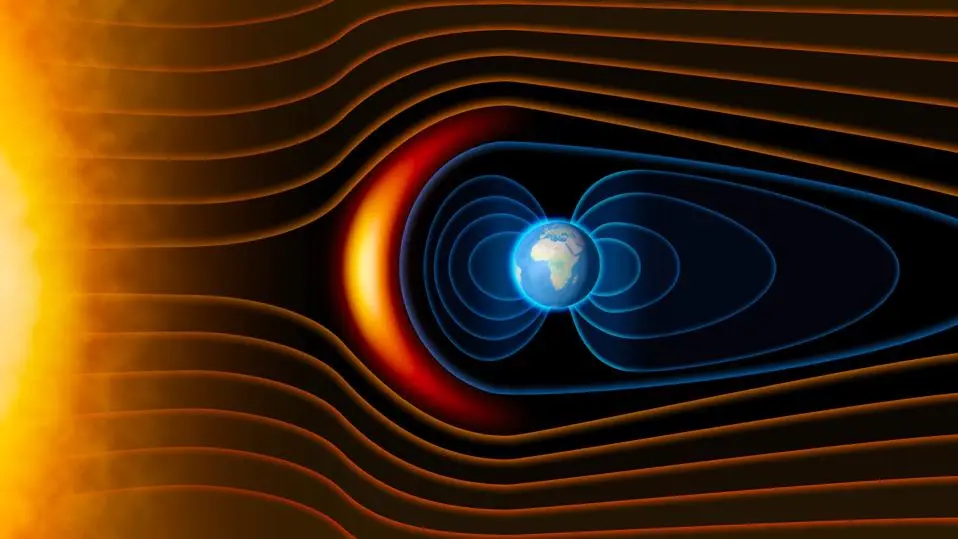
Which places might be safer?
Regions farther from the equator and at higher elevation may see fewer effects from solar radiation or storms. (Because the magnetic shielding is uneven.) Areas with strong infrastructure, reliable power grids, and backup systems will weather changes better. Places that already have low magnetic anomalies or stable geology may also be less at risk.
What about iPhone / technology in a reversal?
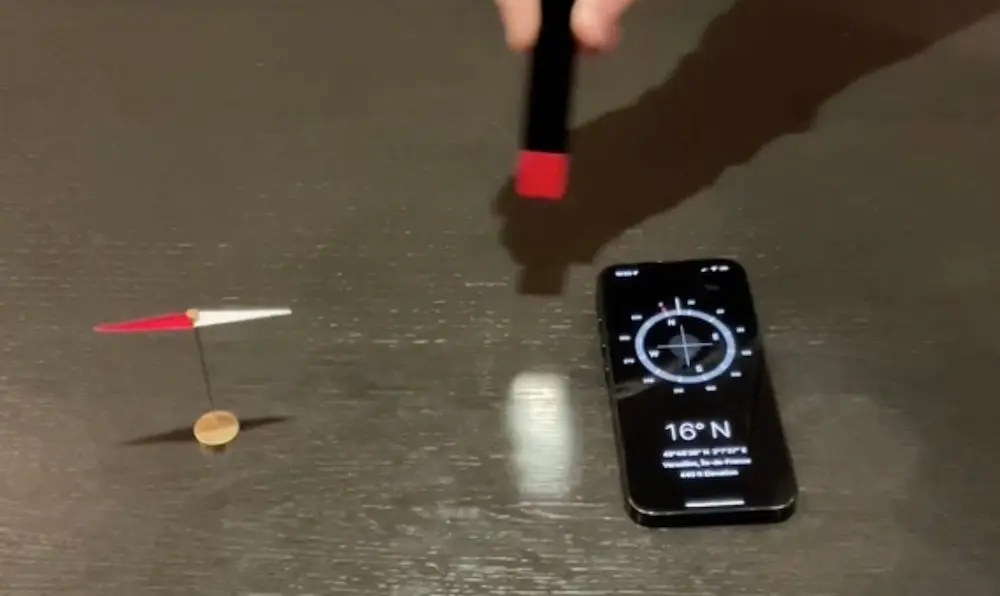
Modern devices like iPhones rely on magnetic sensors (magnetometers) for compass, maps, and orientation. If the magnetic field shifts, devices may misread directions until software recalibrates. No confirmed reports exist that a pole reversal will instantly destroy electronics but disruptions to power, satellites or communications could affect connectivity. Because this is based on theory and modelling, we must be cautious: these are possibilities, not certainties.
Places to consider for safety
High mountain regions in stable continental interiors may offer better protection from storms. Large landmasses in mid‑latitudes (not near poles or equator) might avoid extreme zone effects. Regions with strong infrastructure, backup power, and resilient communication networks will be safer. Also, nations that monitor space weather and have emergency planning will handle changes better.
What you can do
Stay informed: scientists monitor magnetic field changes and solar activity regularly. Use reliable devices and update software when recalibrations become available. Support infrastructure resilience where you live (better power grids, backup systems). This is a long‑term shift not an overnight disaster.
)
)
)
)
)