Where is Mojtaba Khamenei? Iran says Supreme Leader ‘is fine’ as war with US and Israel escalates

Iran says Supreme Leader Mojtaba Khamenei is safe as the war with the US and Israel intensifies, while Tehran warns of regional escalation and continued retaliation

Iran insists Supreme Leader Mojtaba Khamenei is ‘fine’
Amid growing speculation about the status of Iran’s leadership during the ongoing war with the United States and Israel, Iranian officials say the country’s new Supreme Leader, Mojtaba Khamenei, remains safe. Speaking to NDTV, Deputy Foreign Minister Esmail Baghaei dismissed rumours about Khamenei’s health or whereabouts. “I can tell you that he’s fine,” Baghaei said, adding that the leader had already issued a message and could soon address the nation again. His remarks come as the war enters its third week and international attention focuses on Tehran’s leadership structure, command stability, and the direction Iran may take in the escalating regional confrontation.
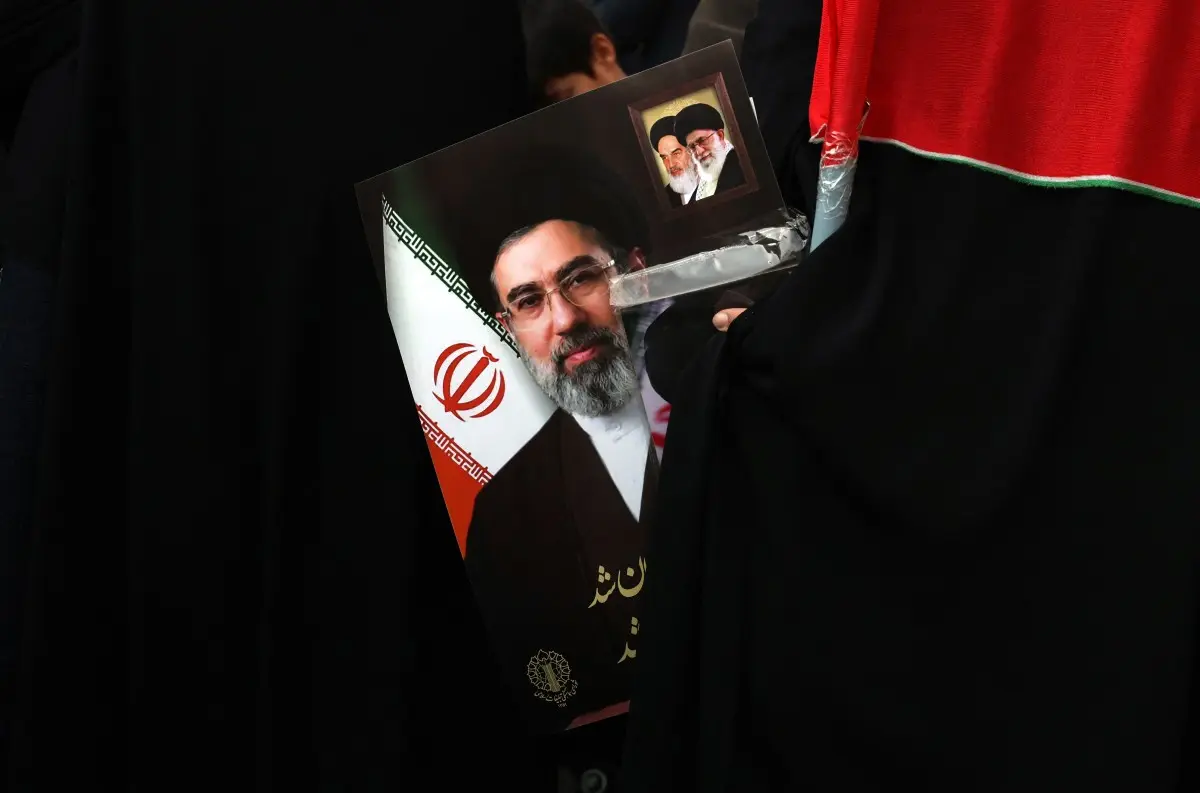
Mojtaba Khamenei's first statement after appointment
Iran’s newly appointed Supreme Leader, Mojtaba Khamenei, delivered his first statement after taking office, though he did not appear publicly. The message was read by a news anchor on state television on March 12. In it, Khamenei described his appointment as a heavy responsibility and referenced Iran’s revolutionary history and past leaders. He praised what he called the resilience and unity of the Iranian people during a period of national crisis. The statement followed confirmation from the Assembly of Experts, the body responsible for appointing the Supreme Leader. His absence from public view has fueled curiosity abroad, even as Iranian authorities insist the leadership transition is proceeding normally.
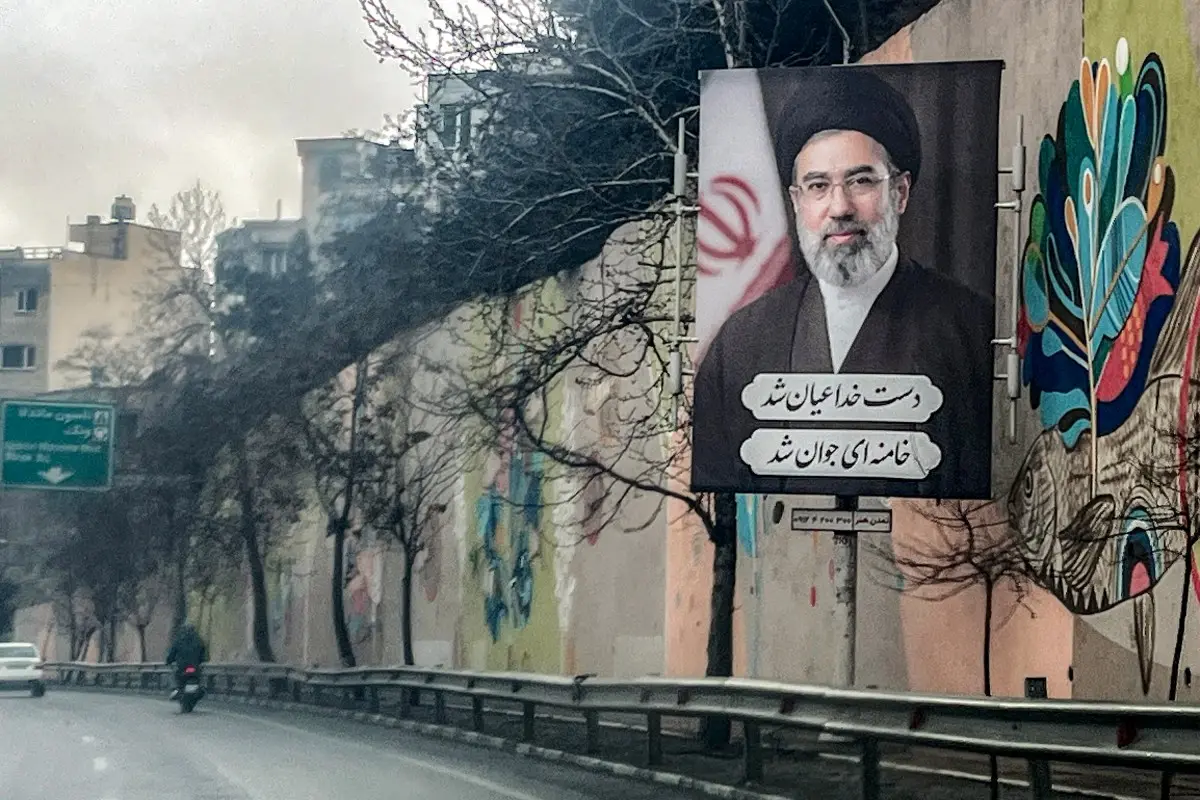
Call to keep Strait of Hormuz closed as pressure on the US
In his statement, Mojtaba Khamenei declared that the closure of the Strait of Hormuz should continue as a strategic tool against Iran’s adversaries. The narrow waterway is one of the world’s most important energy routes, carrying a large portion of global oil shipments. By calling for it to remain shut, Iran signalled that economic pressure could be part of its strategy in the conflict with the United States and Israel. Khamenei argued that maintaining pressure would weaken what he described as foreign aggression against Iran. The move has raised concerns internationally, as any disruption to the strait could have major consequences for global energy markets.
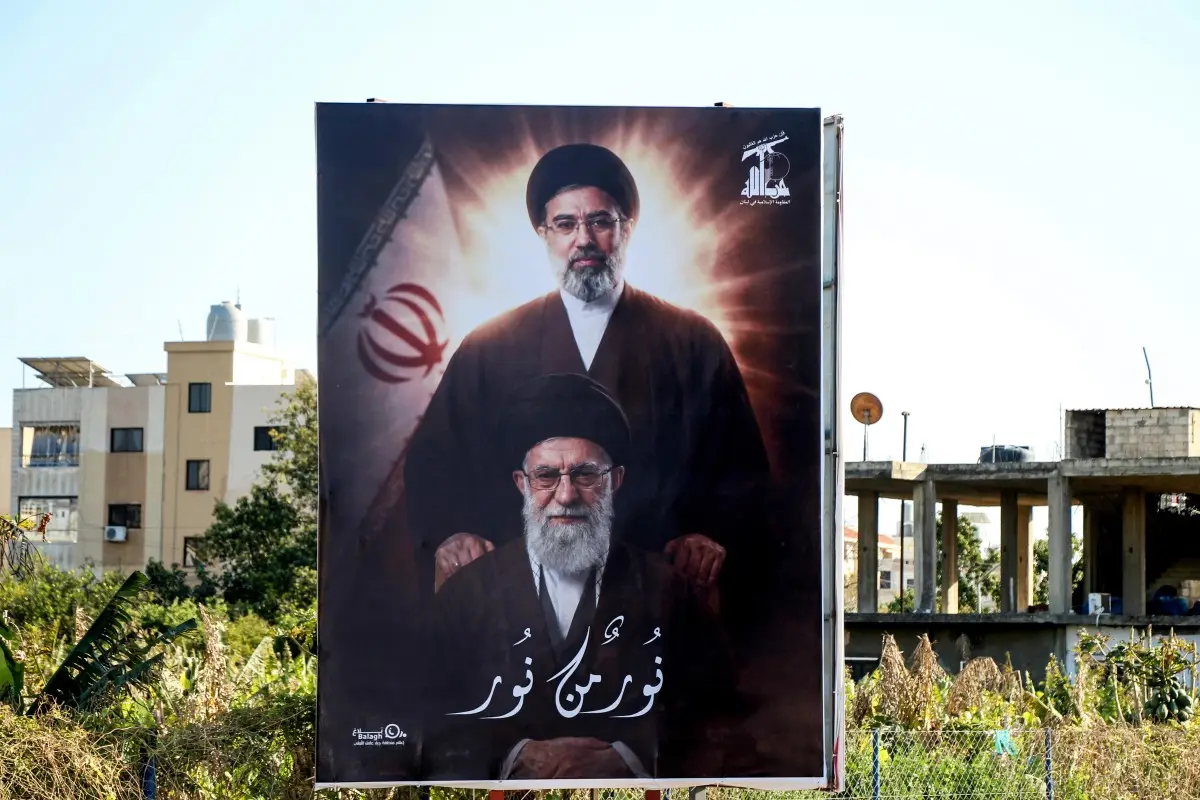
Iran warns US bases in region could be targeted
Khamenei warned that Iran would continue targeting American military bases in the region if attacks against the country persist. He accused the United States of launching strikes from bases located in neighbouring countries and said Iran would respond directly to those facilities. However, he insisted Tehran was trying to avoid attacking the countries themselves. According to the statement, Iranian forces had deliberately limited their operations to military installations. The warning highlights the risk of the conflict widening across the Middle East, where several US bases operate. Iran also urged regional governments to close American bases, arguing they contribute to instability and escalate the ongoing confrontation.
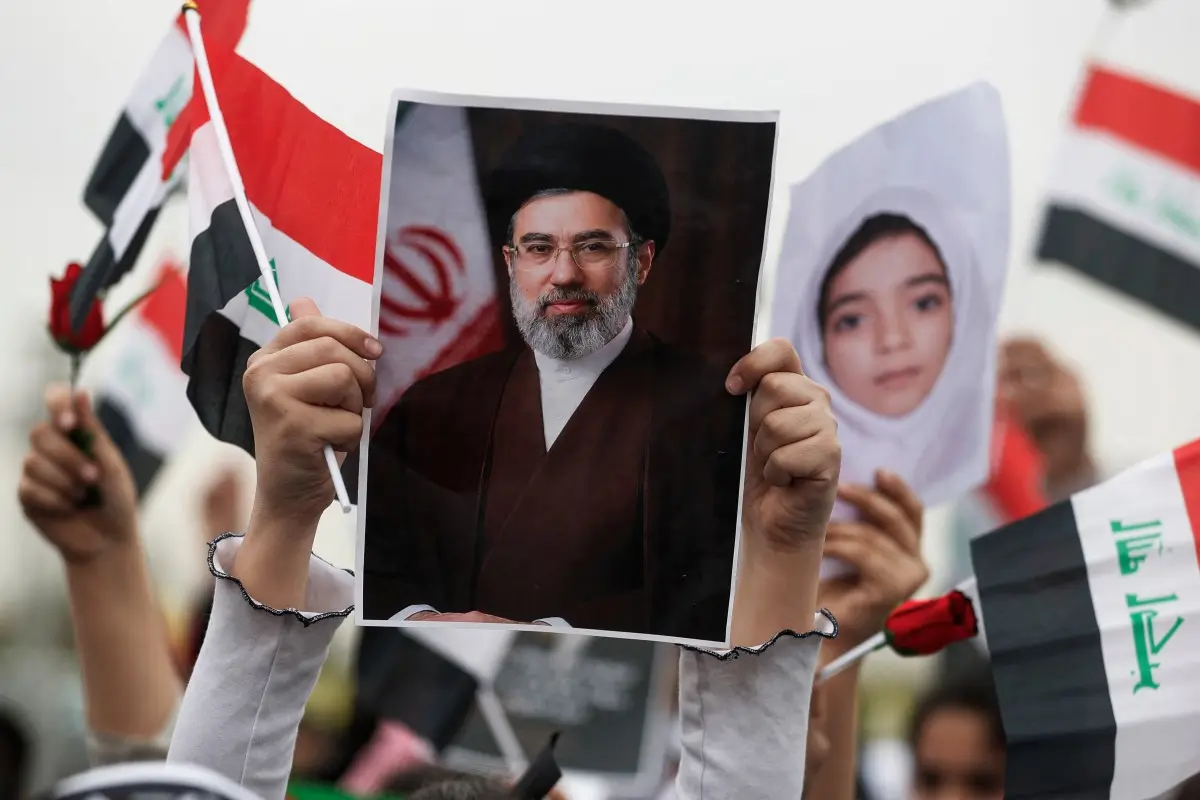
Tehran says it wants friendly ties with neighbours
Despite the threats against US installations, Iran’s leadership says it still wants constructive relations with neighbouring countries. Mojtaba Khamenei emphasised that Iran shares borders with 15 nations and has long sought cooperation and stability with them. However, he urged regional governments to clarify their positions in the conflict and distance themselves from what he described as aggression against Iran. Tehran maintains that its retaliatory actions are directed only at military bases used by the United States. Iranian officials argue that preserving diplomatic relations with nearby states remains important even while the country responds militarily to attacks linked to the ongoing war.
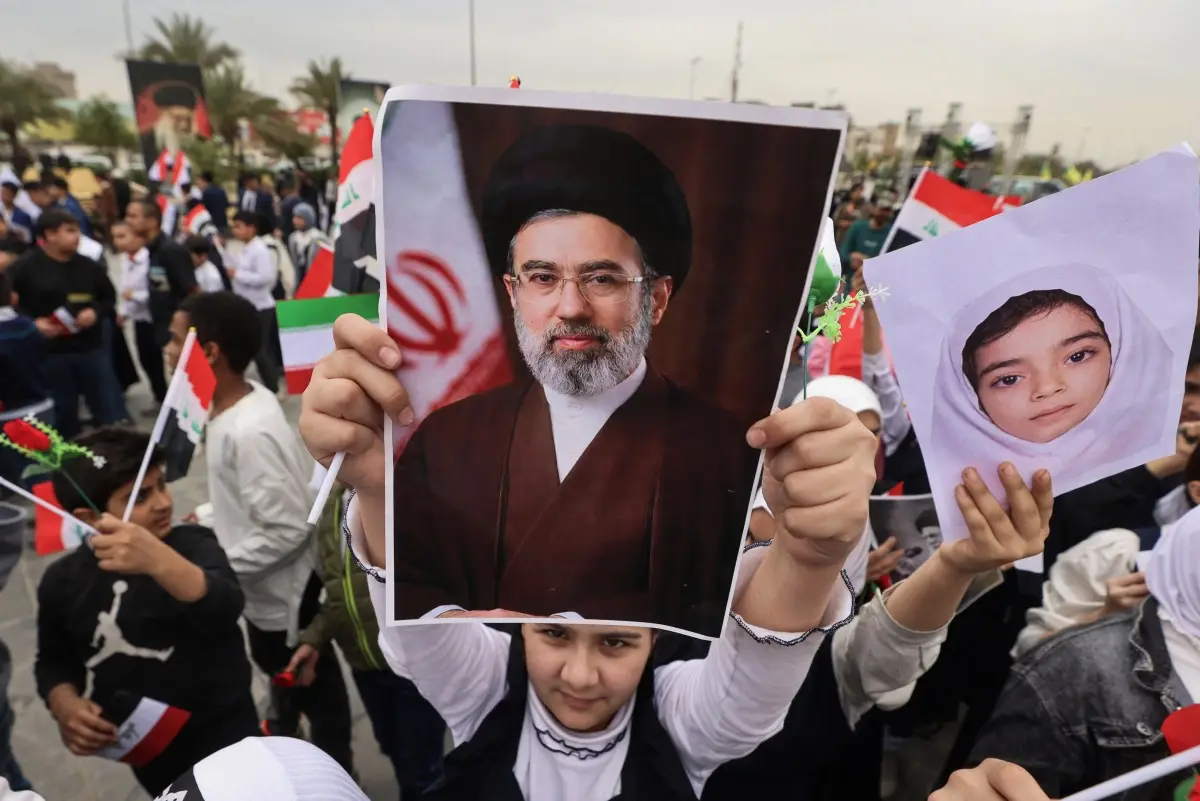
Praise for ‘resistance front’ allies across the region
In his remarks, Khamenei thanked groups aligned with Iran’s so-called “resistance front,” including forces in Yemen, Lebanon and Iraq. He praised their cooperation and described their actions as support for Iran and the Palestinian cause. According to the statement, these groups have played a role in confronting Israel and resisting Western influence in the region. Khamenei specifically highlighted fighters who he said had continued their efforts despite significant pressure and military operations. His comments reflect Iran’s long-standing strategy of relying on allied militias and movements across the Middle East, which analysts say could open additional fronts if the conflict escalates further.
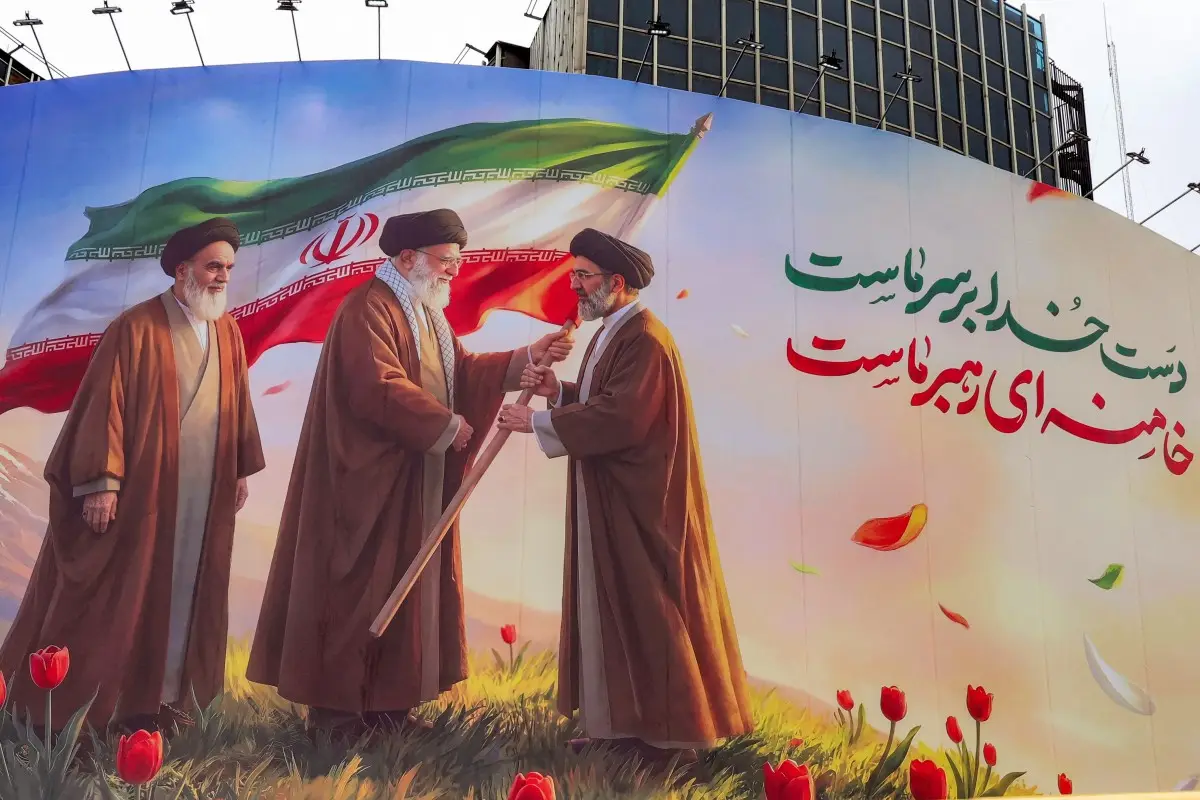
Khamenei vows revenge for Iran’s ‘martyrs’
Toward the end of his statement, Mojtaba Khamenei spoke about personal and national losses during the conflict, expressing sympathy for the families of those killed. He referenced several tragedies, including what he called the “Minab school massacre,” and vowed that Iran would avenge the deaths of its citizens. Khamenei also mentioned losses within his own family, describing them as part of the broader suffering experienced across the country. He concluded by invoking faith and patience, promising that those responsible for the attacks would face consequences. The remarks underscored Tehran’s determination to continue its campaign despite the heavy human and political costs.
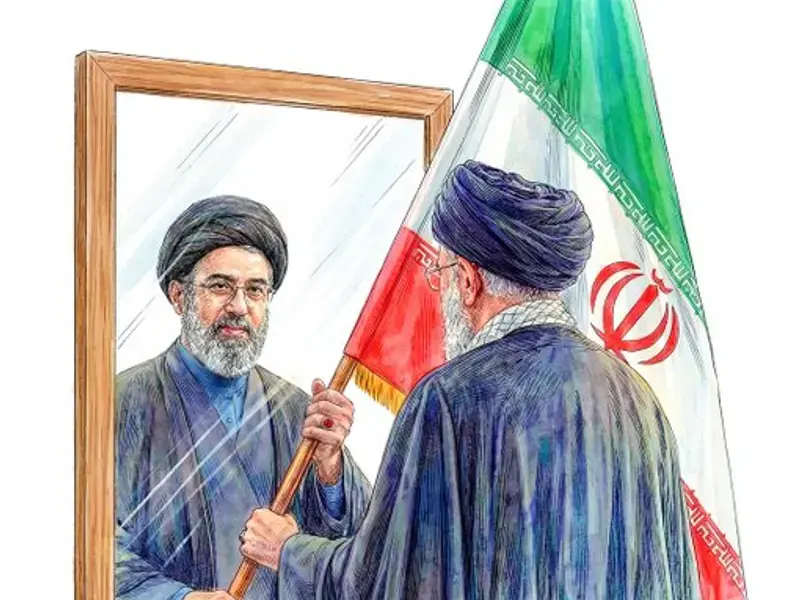
What Trump said on Mojatab Khamenei?
During an event, US President Donald Trump said that there were many rumours about the person’s condition. He said some people claimed Khamenei was badly disfigured, others suggested he had lost a leg, and some even believed he might be dead. Trump added that no one was saying the person was completely healthy and noted that the individual had not spoken publicly.
)
)
)
)
)