How much has US crippled Iran’s military? Key takeaways on nuclear, missile, military strength and Strait of Hormuz control

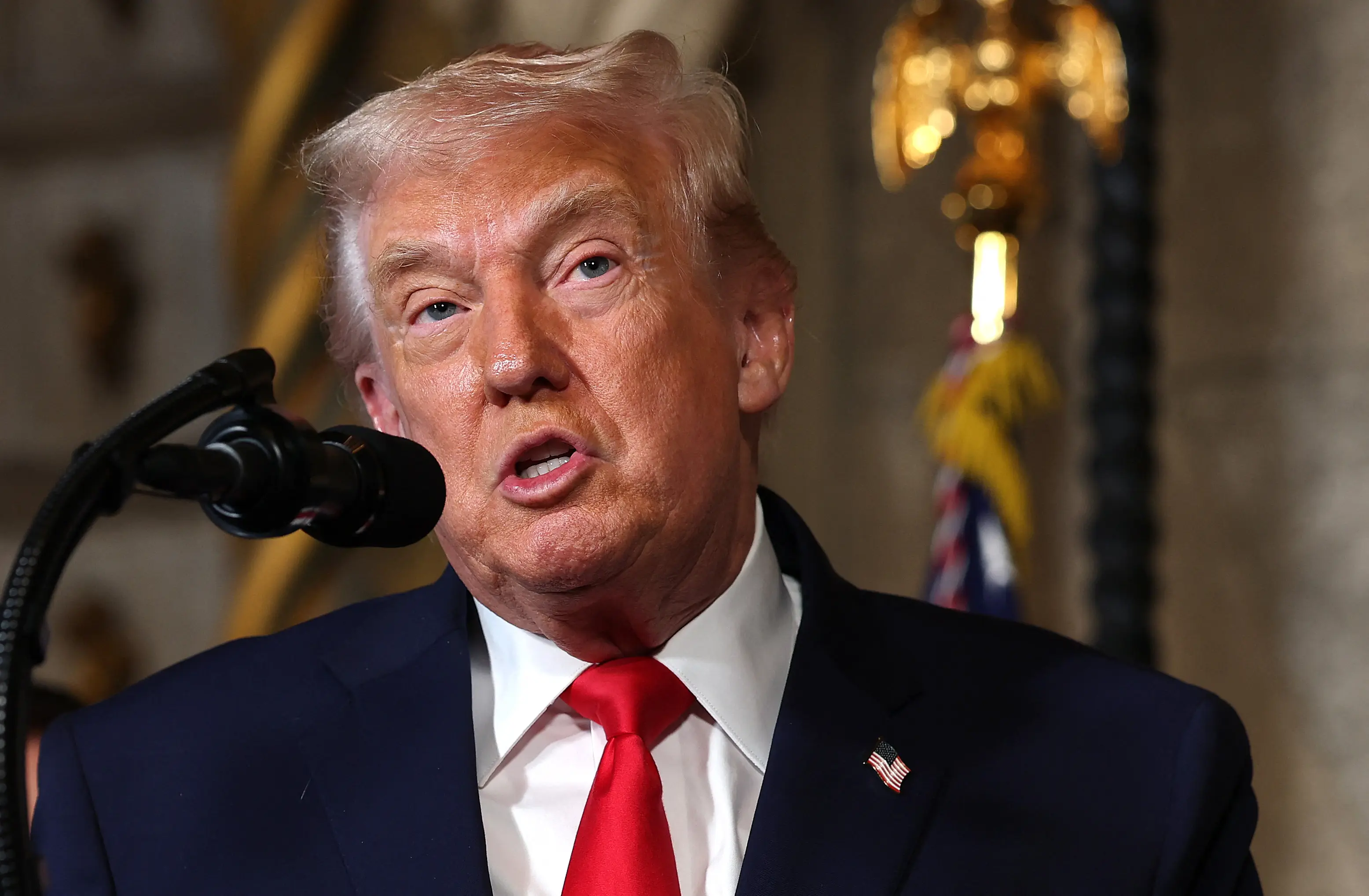
US President Donald Trump said US military assets would remain deployed in and around Iran until it complies with what he described as a “real agreement”, warning of a stronger response if terms are not met.
Introduction
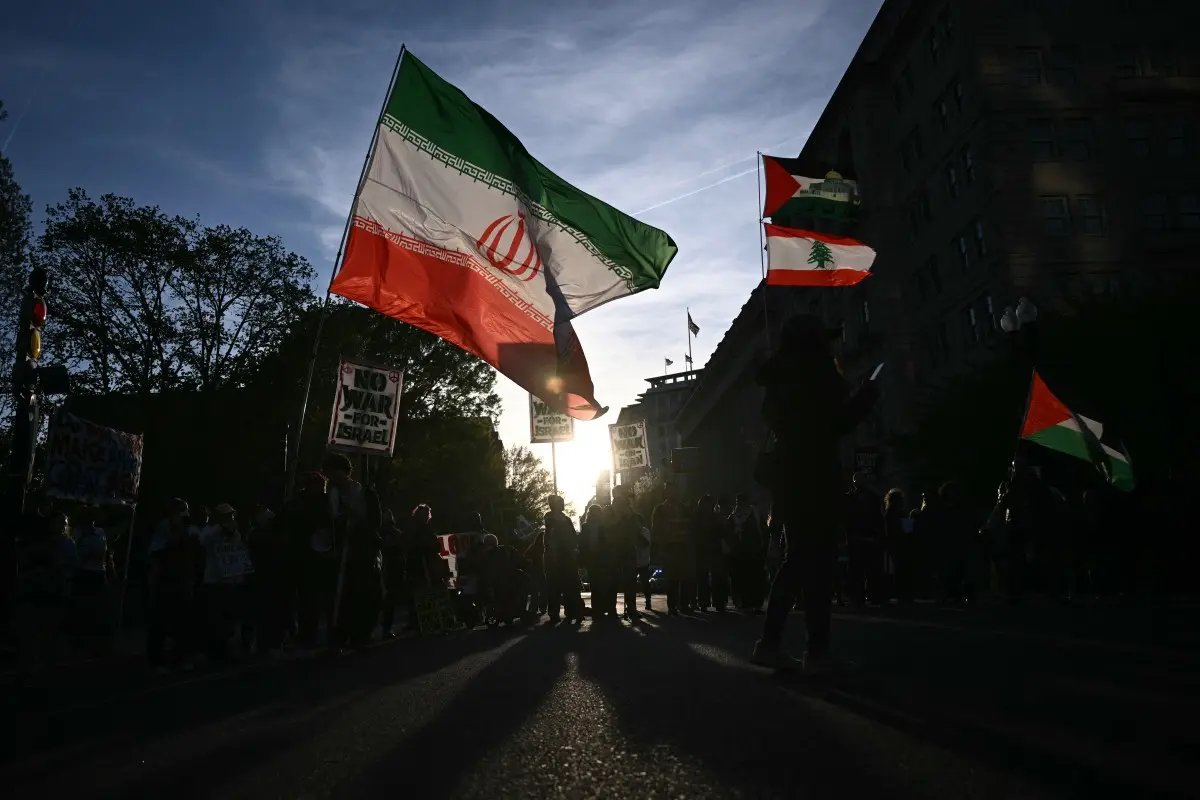
A tentative two-week ceasefire has paused escalating tensions involving Iran, the United States and Israel, but the situation remains fragile. The truce appears less a resolution than a temporary halt, with underlying military, political and strategic pressures unchanged. The key question is not only whether it will hold, but what it reveals about Iran’s posture. US President Donald Trump said US military assets would remain deployed in and around Iran until it complies with what he described as a “real agreement”, warning of a stronger response if terms are not met. Meanwhile, an Iranian delegation led by Mohammad-Bagher Ghalibaf is expected in Islamabad for ceasefire discussions with US officials on April 10. Here are the key takeaways on how much of Iran’s capabilities have been degraded and where it stands after weeks of war with the US and Israel.
No regime change
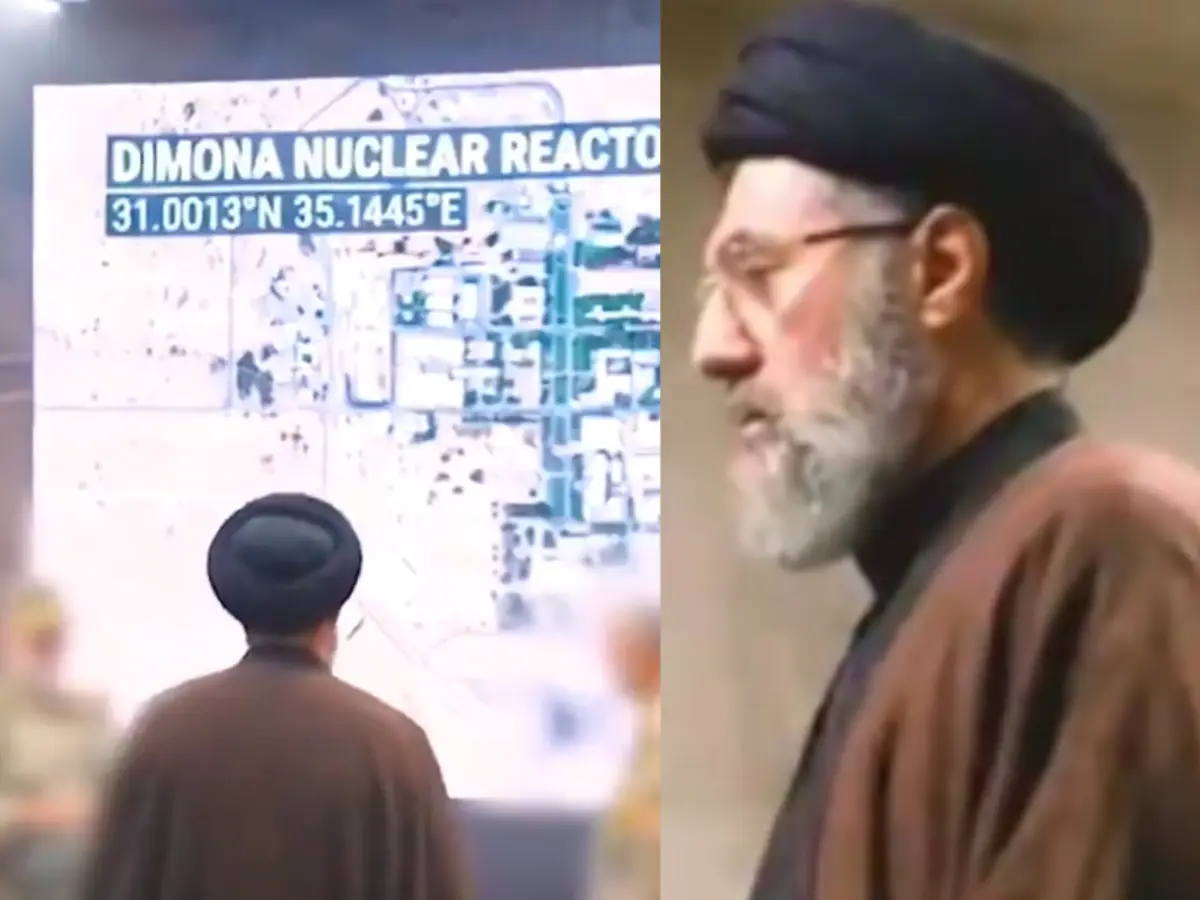
Trump has suggested ‘regime change’ in Iran after US and Israeli strikes killed Supreme Leader Ayatollah Ali Khamenei early in the war, along with senior officials. He was succeeded by his son, Mojtaba Khamenei, seen as close to the Revolutionary Guard and more hardline. Despite public anger, Iran’s clerical establishment remains intact, with no signs of unrest after protests were suppressed earlier this year.
A fragile pause in a volatile conflict
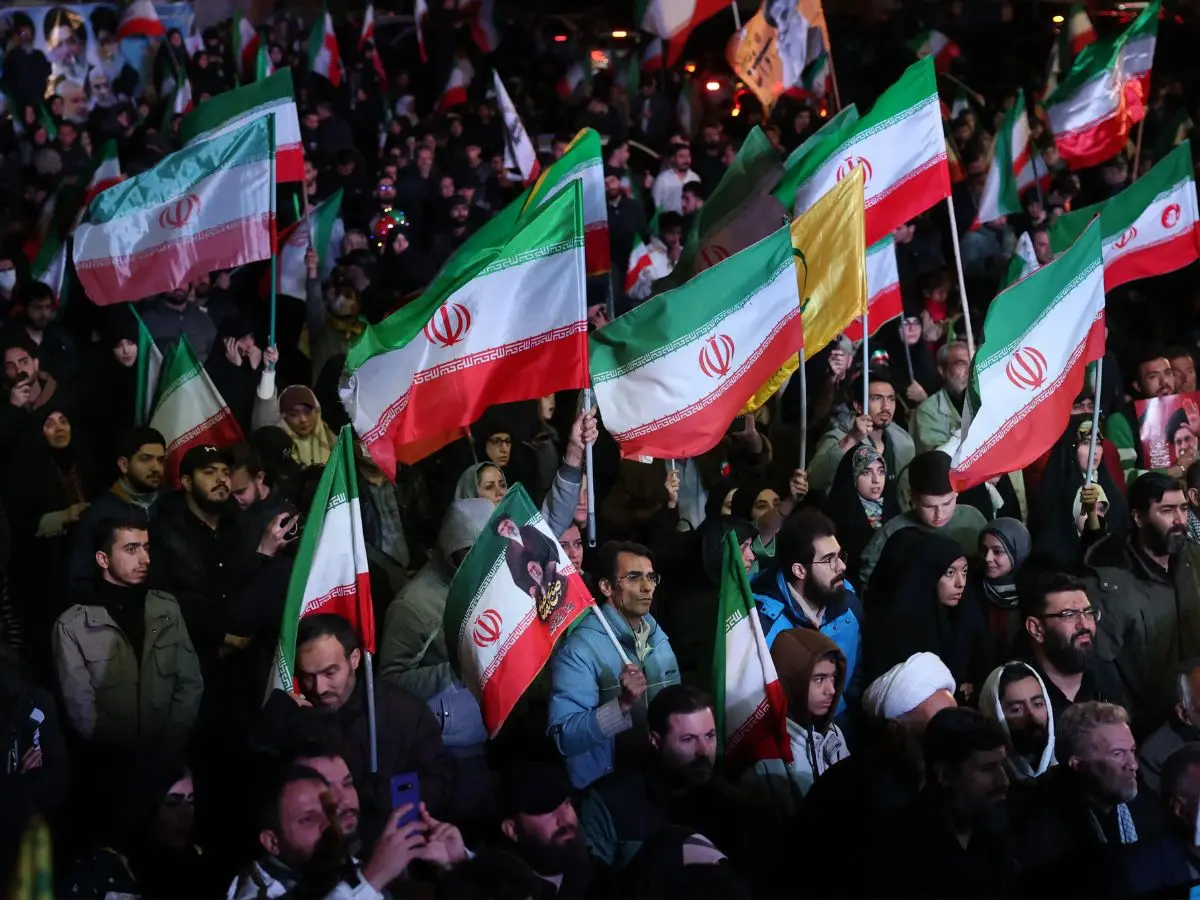
A tentative two-week ceasefire has brought a pause to escalating tensions involving Iran, the United States and Israel, but the situation remains highly unstable. The truce is less a resolution and more a temporary halt, with underlying military, political and strategic pressures unchanged. The key question is not just whether the ceasefire holds, but what it reveals about Iran’s posture.
Nuclear standoff hardens
All of Iran’s highly enriched uranium remains in the country, likely buried at sites struck by the United States during the 12-day war, says AP. Tehran has paused enrichment but insists it retains the right to do so for peaceful purposes, denying any weapons intent. Trump said Washington would work to “dig up and remove” the uranium. Both the US and Israel have demanded full dismantlement of Iran’s nuclear programme, an idea Tehran has firmly rejected. On Thursday, Iran’s nuclear chief Mohammad Eslami dismissed calls for limits, saying "The claims and demands of our enemies to restrict Iran’s enrichment programme are merely wishes that will be buried."
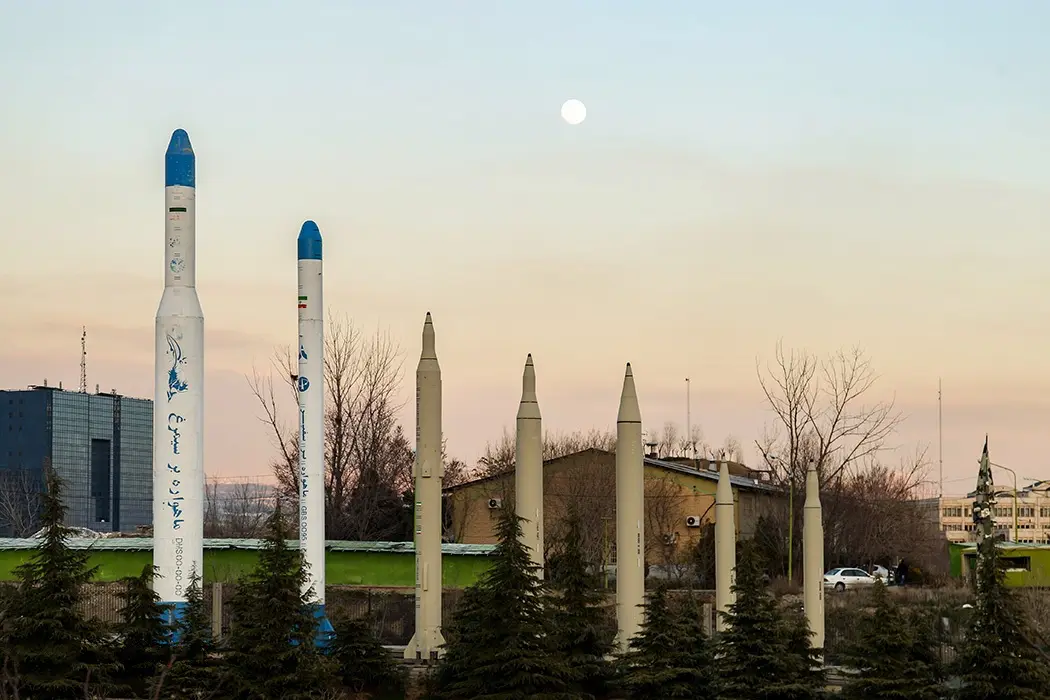
Missile capability
Iran’s missile arsenal remains a critical pillar of its deterrence strategy. Since the war began on February 28, Iran has launched more than 5,000 drones, over 2,100 ballistic missiles and more than 50 cruise missiles, according to the Washington-based Jewish Institute for National Security of America, said AP. The United States and Israel say they have destroyed or buried many of Iran’s missile launchers, destroying almost 90 per cent of it's arsenal, Tehran however continues to carry out attacks.
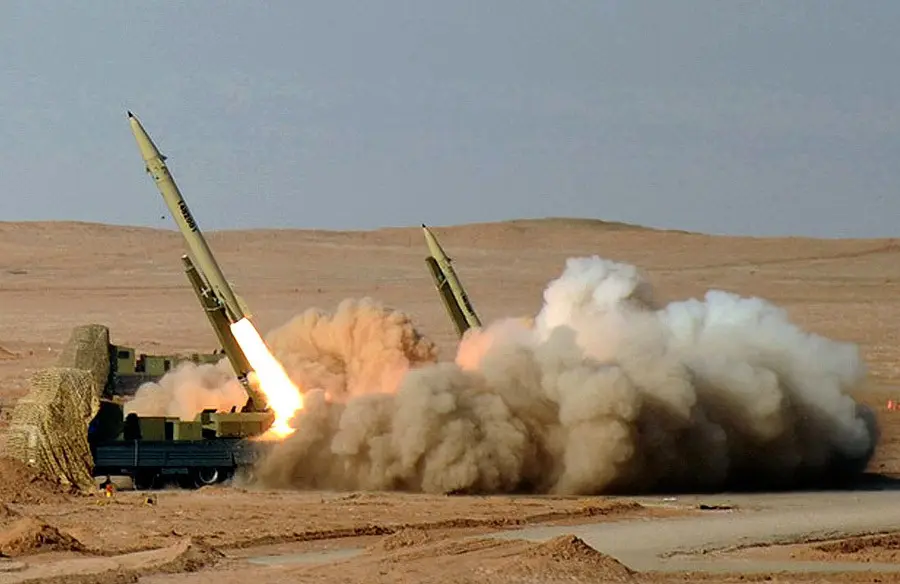
Contrary claims about depleting missile arsenal
A defence analyst, Patricia Marins, wrote on X that estimates suggest Iran retains a large and diverse missile arsenal, potentially around 20,000 missiles built over decades of sustained production. This includes roughly 7,000–8,000 ballistic missiles and 12,000–13,000 cruise missiles, spanning both active deployment and reserves. Since the 1990s, Iran has expanded output across multiple models, including the Shahab-2 and Shahab-3, later modernising older systems with improved guidance and warheads. “In other words, Iran spent at least 10 years producing, on a significant scale, 8 to 12 models of ballistic and cruise missiles capable of reaching Israel,” she argued. She added that Western estimates may understate Iran’s capacity, citing its extensive defence-industrial base, with hundreds of firms supporting missile development, enabling continuous production of long-range systems capable of striking regional targets, including Israel.
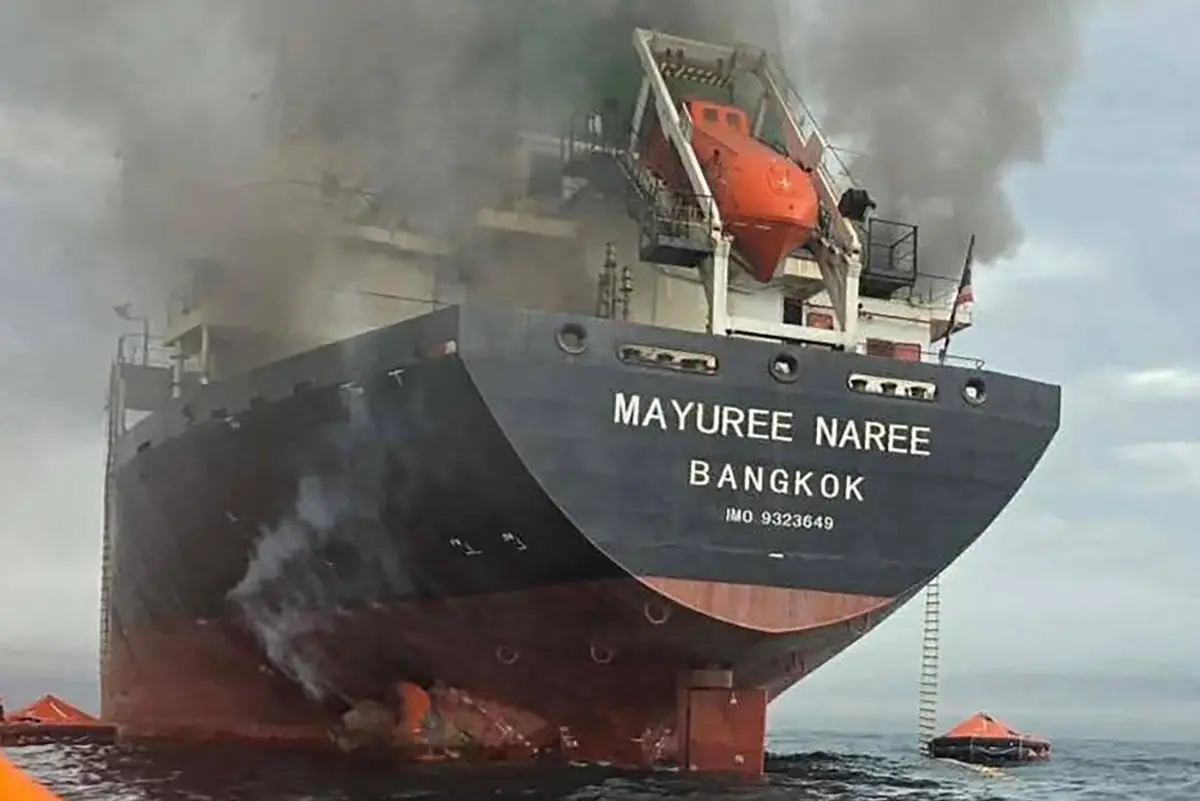
Strait of Hormuz as strategic leverage
Control over the Strait of Hormuz remains one of Iran’s most significant strategic tools. The waterway is vital for global oil shipments, and any disruption could have immediate economic consequences, keeping markets on edge. Before the war, ships moved freely through the strait, which lies within the territorial waters of Iran and Oman. Since the conflict, Iran has reportedly charged as much as $2 million per vessel for passage. Iran and Oman are now said to be working on a proposal to split these fees.
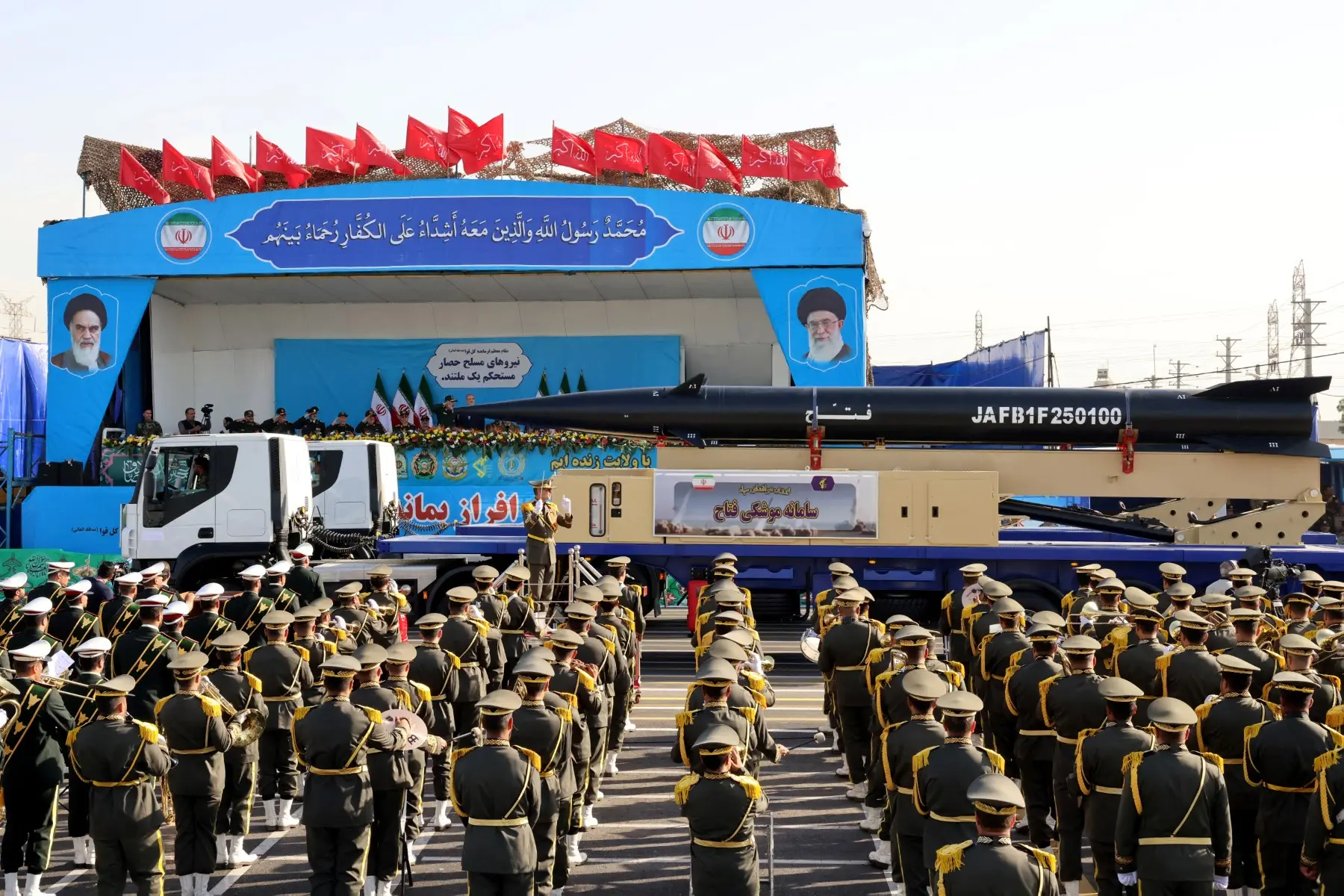
Military loss
The United States Central Command said it destroyed more than 150 vessels, effectively crippling Iran’s navy. Several warplanes, helicopters, missile facilities and military installations were also hit. Despite these losses, Iran has continued to exert pressure by effectively tightening control over the Strait of Hormuz.
‘Axis of Resistance’ under pressure
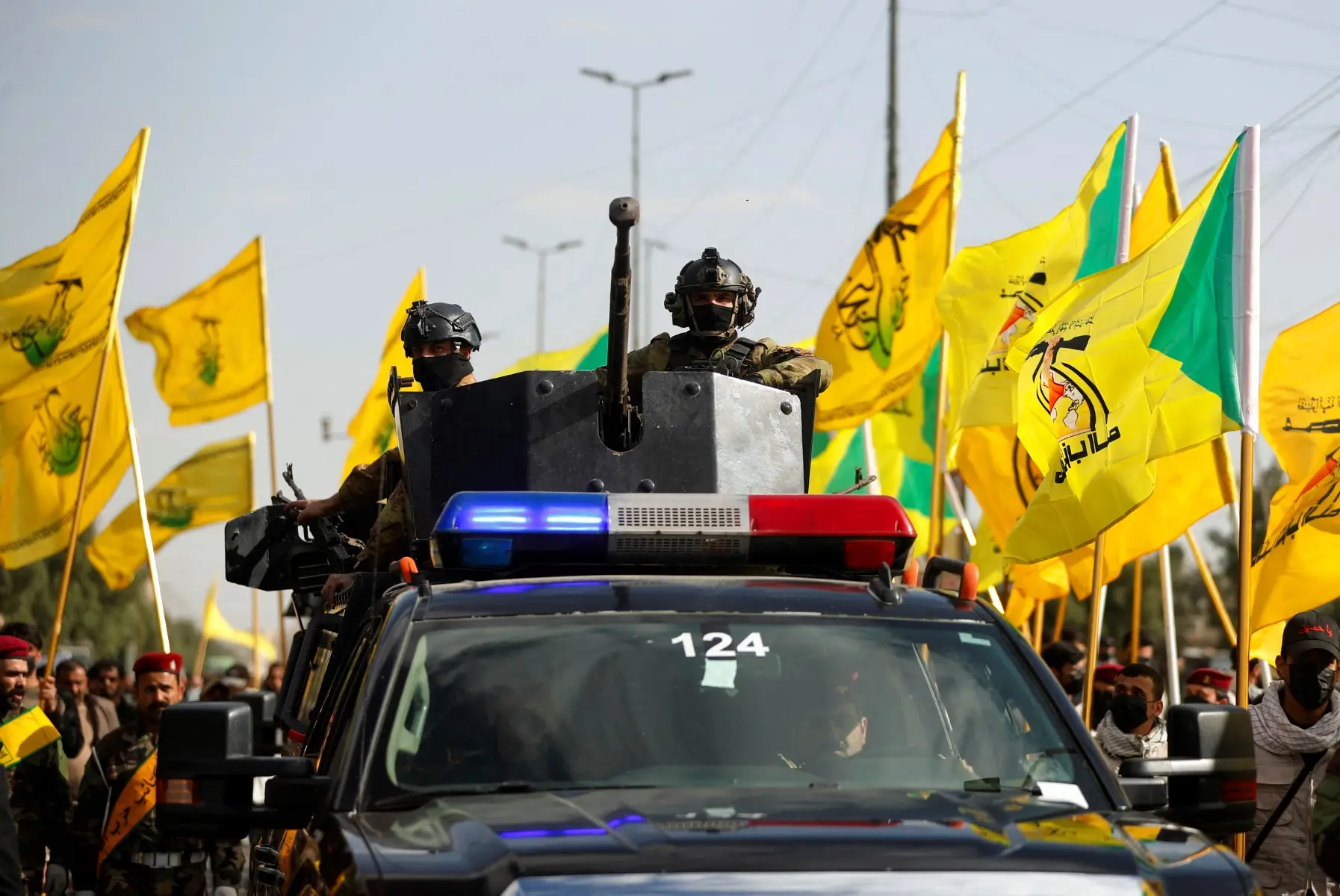
Israel has struck Iran’s allied militant network across the region since the October 7, 2023 attack by Hamas. Hezbollah in Lebanon continues to fight Israel, with hostilities persisting despite the ceasefire. Houthi rebels have largely held back, launching only limited attacks and avoiding disruption of Red Sea shipping, while Hamas still controls parts of Gaza and has not disarmed under a US-brokered truce, says AP. Israel has demanded Iran end support for these group, something Tehran has not accepted to be in its proposal. Iran has also warned it could exit the ceasefire if Israeli strikes on Lebanon continue.
)
)
)
)
)