Where does Iran rank among the world’s top arms exporters? A look at its biggest weapons recipients

Despite its low ranking, Iran’s arms exports recorded a 395 per cent increase compared to the previous five-year period.
A marginal player in a concentrated global market
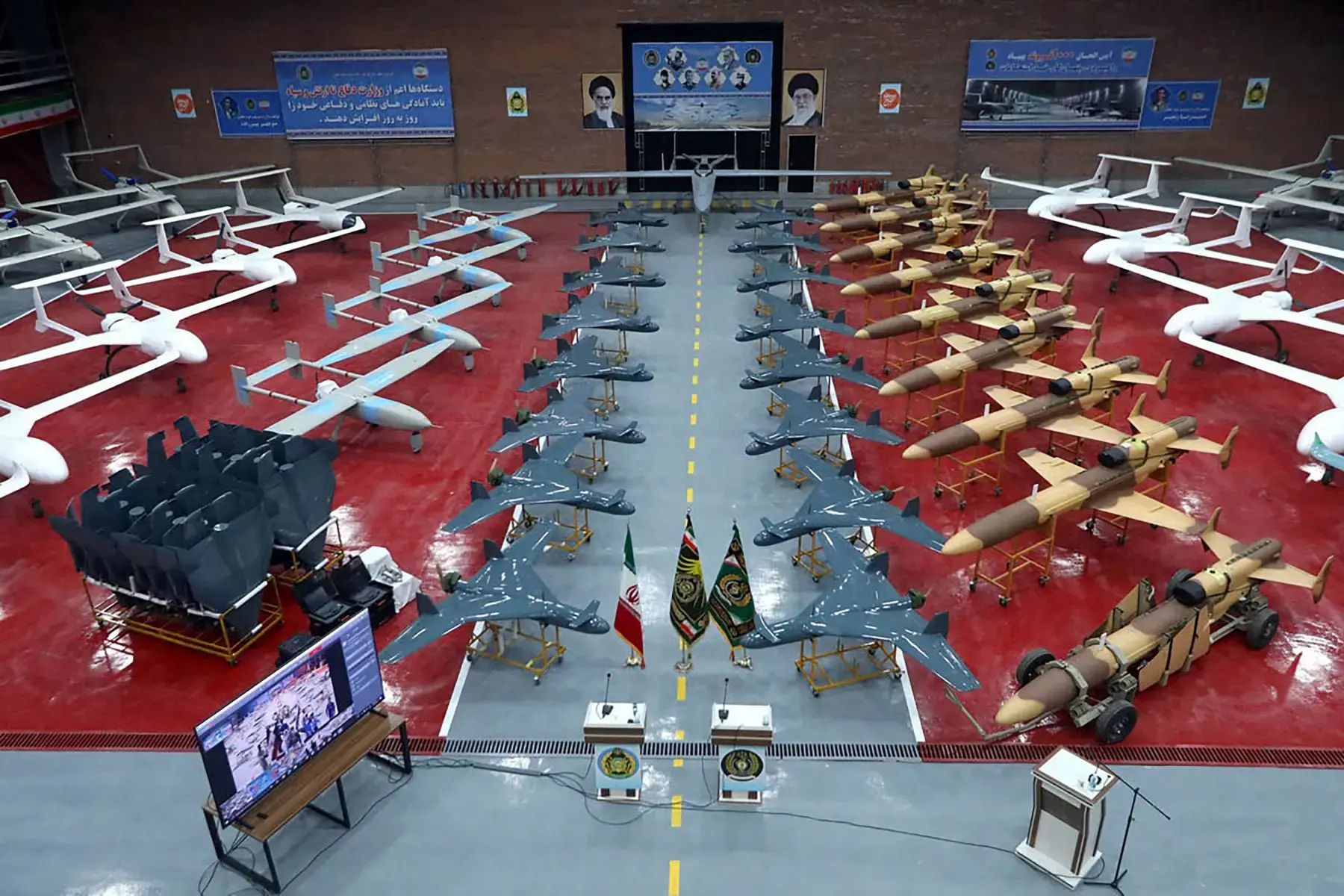
Iran ranks 25 among the world’s largest suppliers of major arms in the 2021–25 period, according to the Stockholm International Peace Research Institute (SIPRI). It accounts for just 0.3 per cent of global arms exports, placing it at the very bottom of the top 25 list, which together represent 98 per cent of total global exports.
The rise of unmanned aerial technology
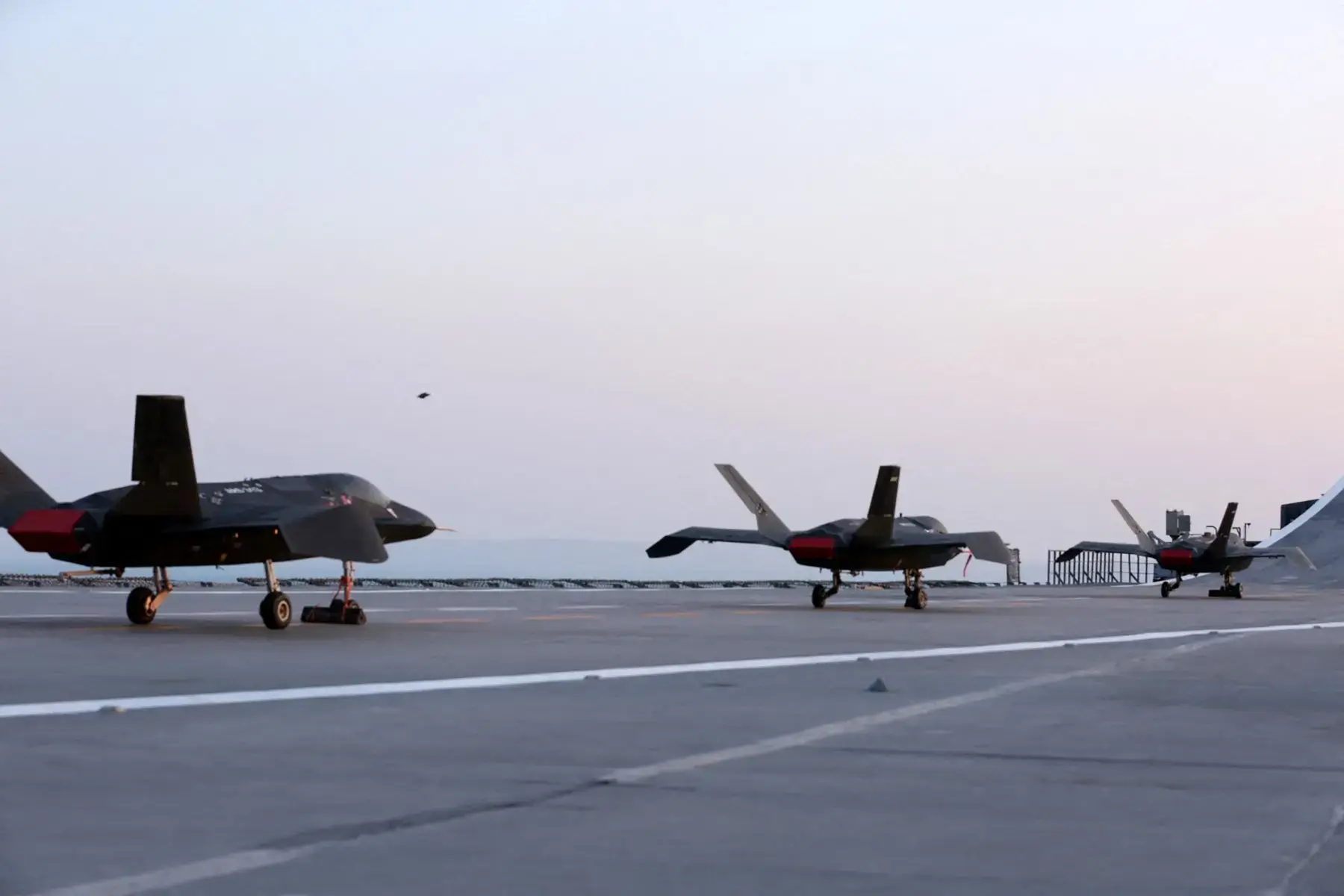
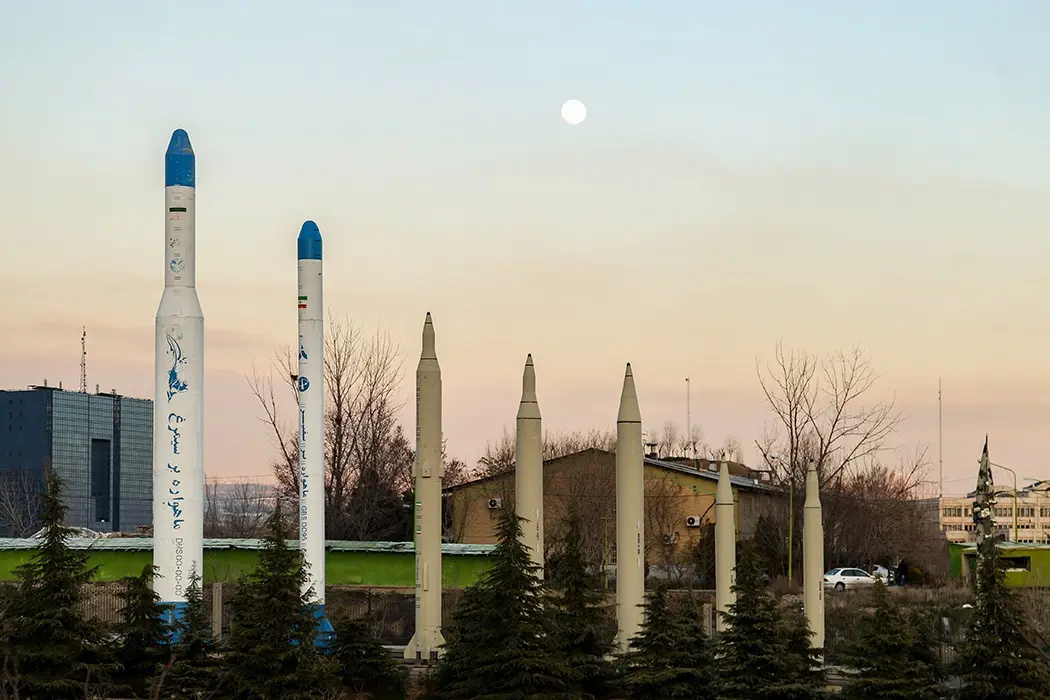
A critical factor in Iran’s ranking is its specialisation in long-range loitering munitions, such as the Shahed-131 and 136. The sheer volume of Iranian drone deliveries has elevated its statistical standing. These systems represent a cost-effective alternative to traditional cruise missiles, allowing Iran to compete in a niche market that larger Western exporters often avoid for political or regulatory reasons.
Sharp growth from a low base
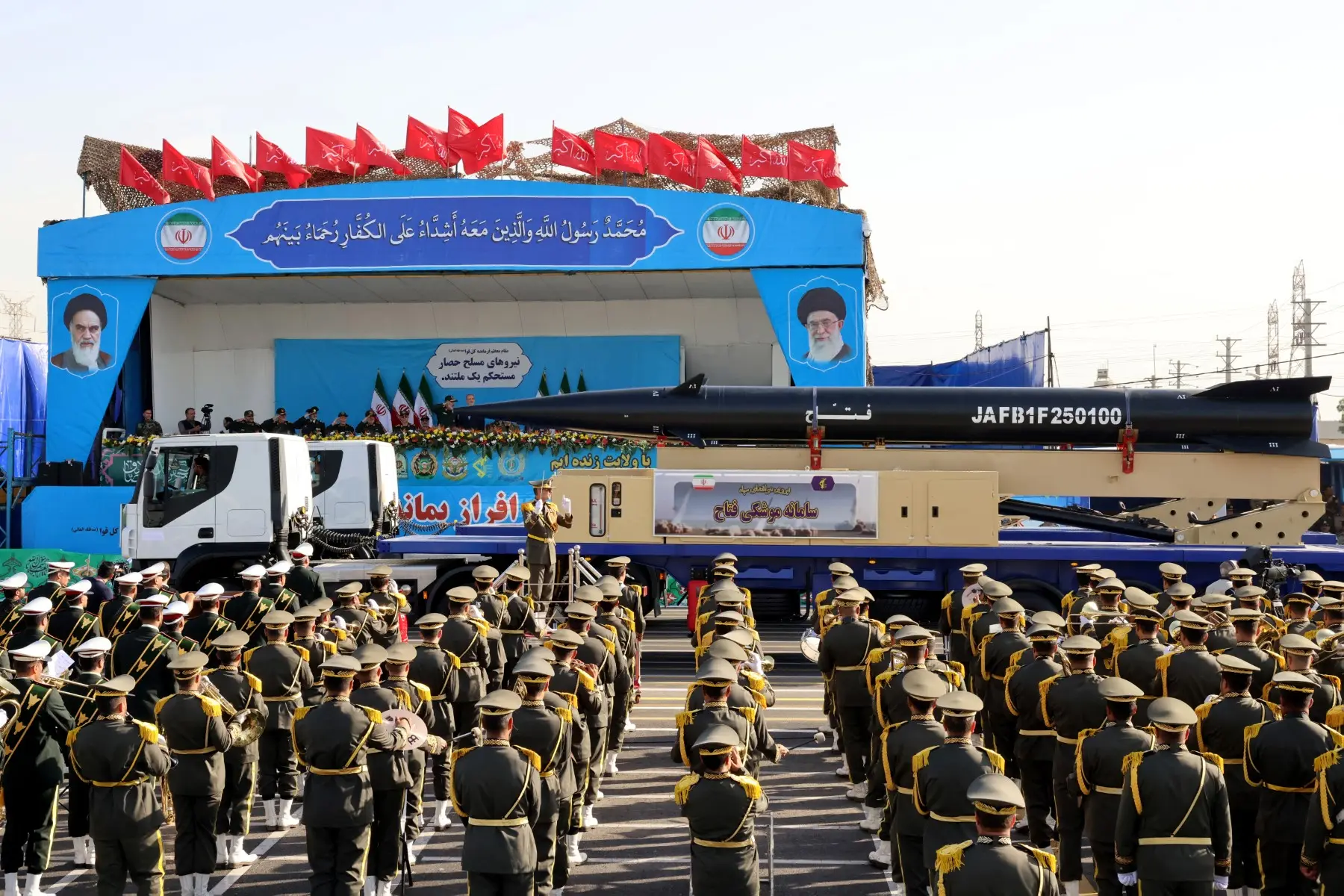
Despite its low ranking, Iran’s arms exports recorded a 395 per cent increase compared to the previous five-year period. This rise reflects a rapid expansion from a minimal baseline rather than a structural shift in global market share. However, the initiation of Operation Epic Fury on February 28, 2026 has transitioned Iran from a rising supplier to a nation fighting to preserve its industrial base. A primary objective of the US and Israeli strikes was the total degradation of Iran’s ballistic and cruise missile infrastructure. Hence, the war has essentially frozen Iran’s status as a top-25 supplier. The two-week ceasefire established on Wednesday offers a brief respite, but the structural damage to Iran’s military-industrial complex is extensive.
Russia dominates as Iran’s primary recipient
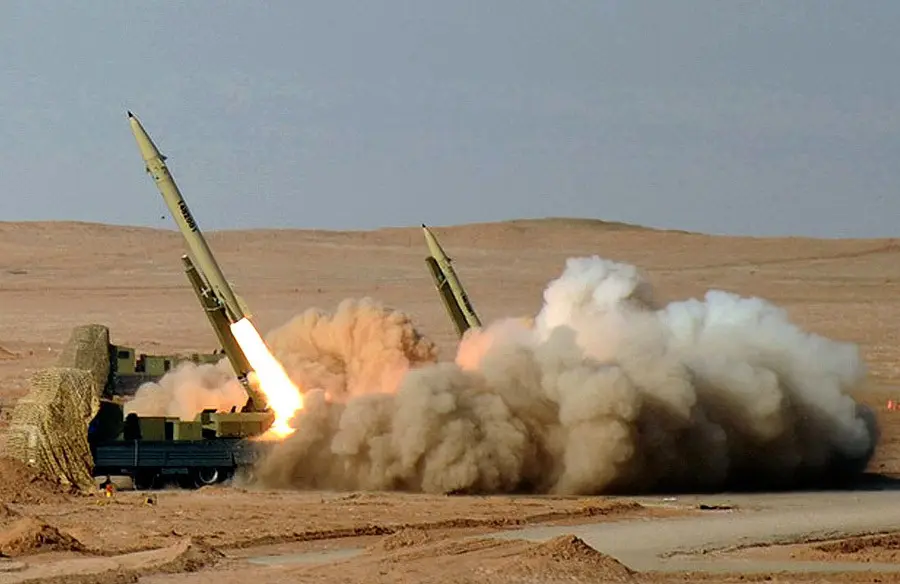
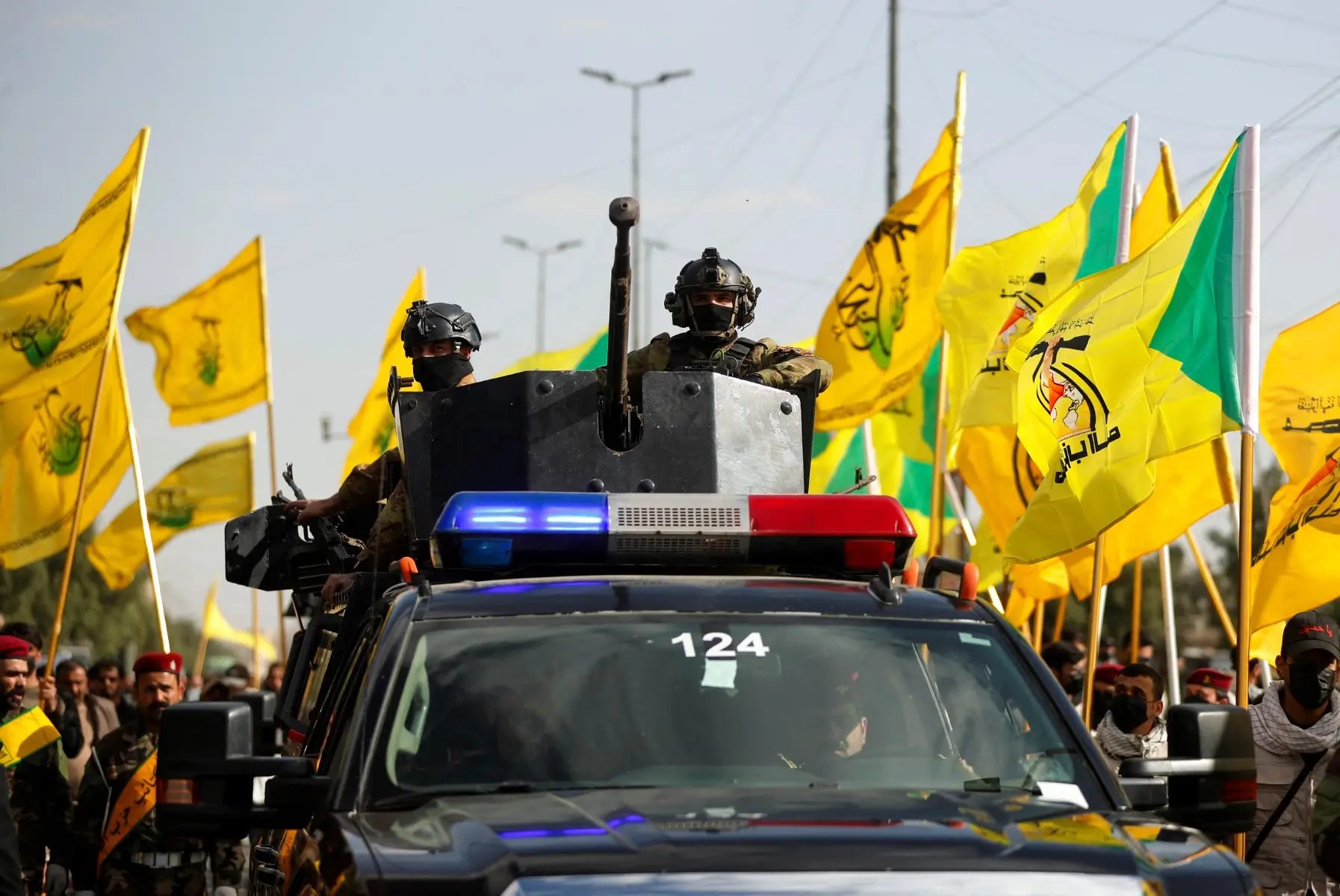
The data shows a highly concentrated export pattern. Russia receives 73 per cent of Iran’s arms exports, making it by far Tehran’s most significant client. This includes transfers such as one-way attack drones and missile systems amid ongoing conflicts.
Secondary recipients: Venezuela and non-state actors
Beyond Russia, Iran’s exports are limited. Venezuela accounts for 17 per cent, while Houthi rebels in Yemen receive 9.1 per cent, highlighting Iran’s role in supplying both state and non-state actors.
Regional dominance in a restricted field
When examining the Middle East and the Gulf region, Iran’s presence in the top 25 list is a rarity. Despite the vast military expenditures of Gulf nations, only three countries from the broader region feature in this global elite. Israel leads the regional group at 7th rank, followed by Türkiye at 11th. Iran’s 25th rank makes it only the third country in the region to achieve the status of a top-tier global supplier, outperforming several wealthier neighbours who rely almost exclusively on imports.
Regional competition and import trends
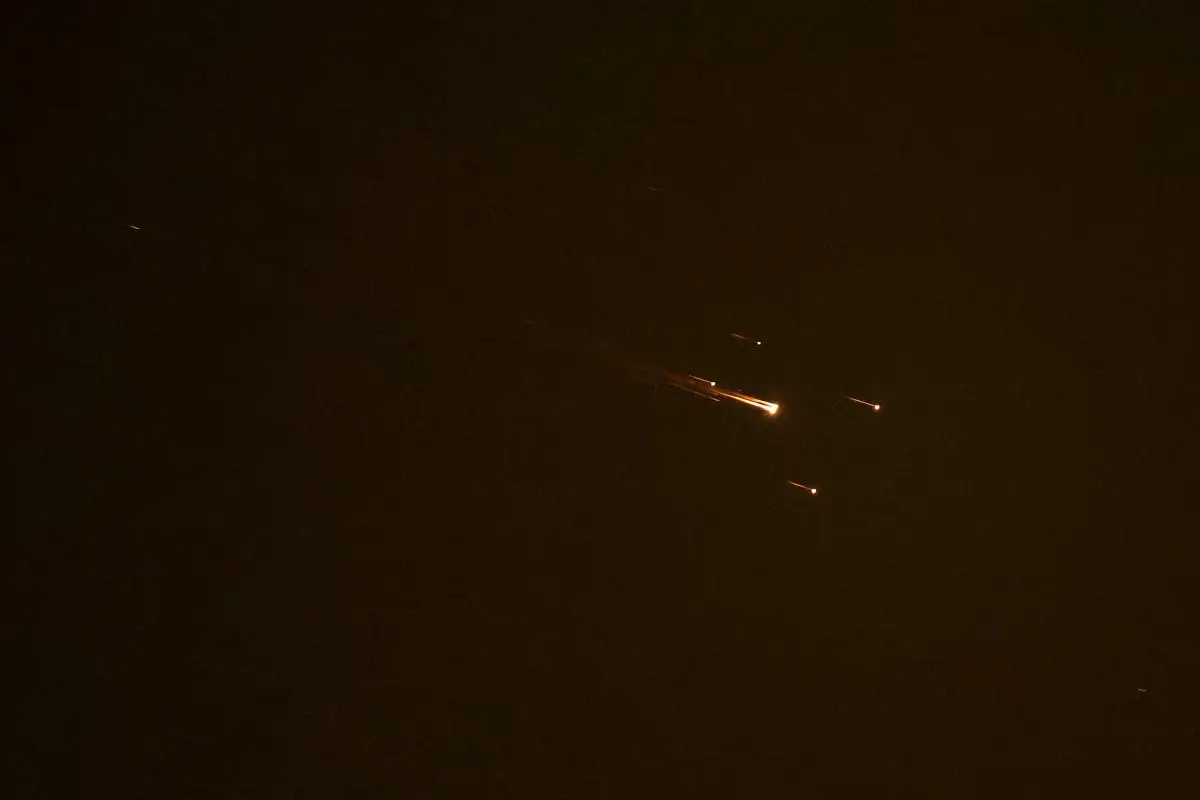
Middle East as a whole remains the world’s largest importing region. Countries like Saudi Arabia and Qatar rank significantly higher as importers of Western technology. In contrast, Iran’s self-sufficiency in missile production means it ranks low as an importer of major arms, relying instead on domestic production to offset decades of international sanctions and embargoes.
)
)
)
)
)