Where do sailors of the USS Abraham Lincoln live when not at sea?

When not deployed, the USS Abraham Lincoln docks at Naval Air Station North Island in San Diego. Junior sailors live onboard the carrier, while officers and personnel with dependents use housing allowances to rent private apartments or base housing.
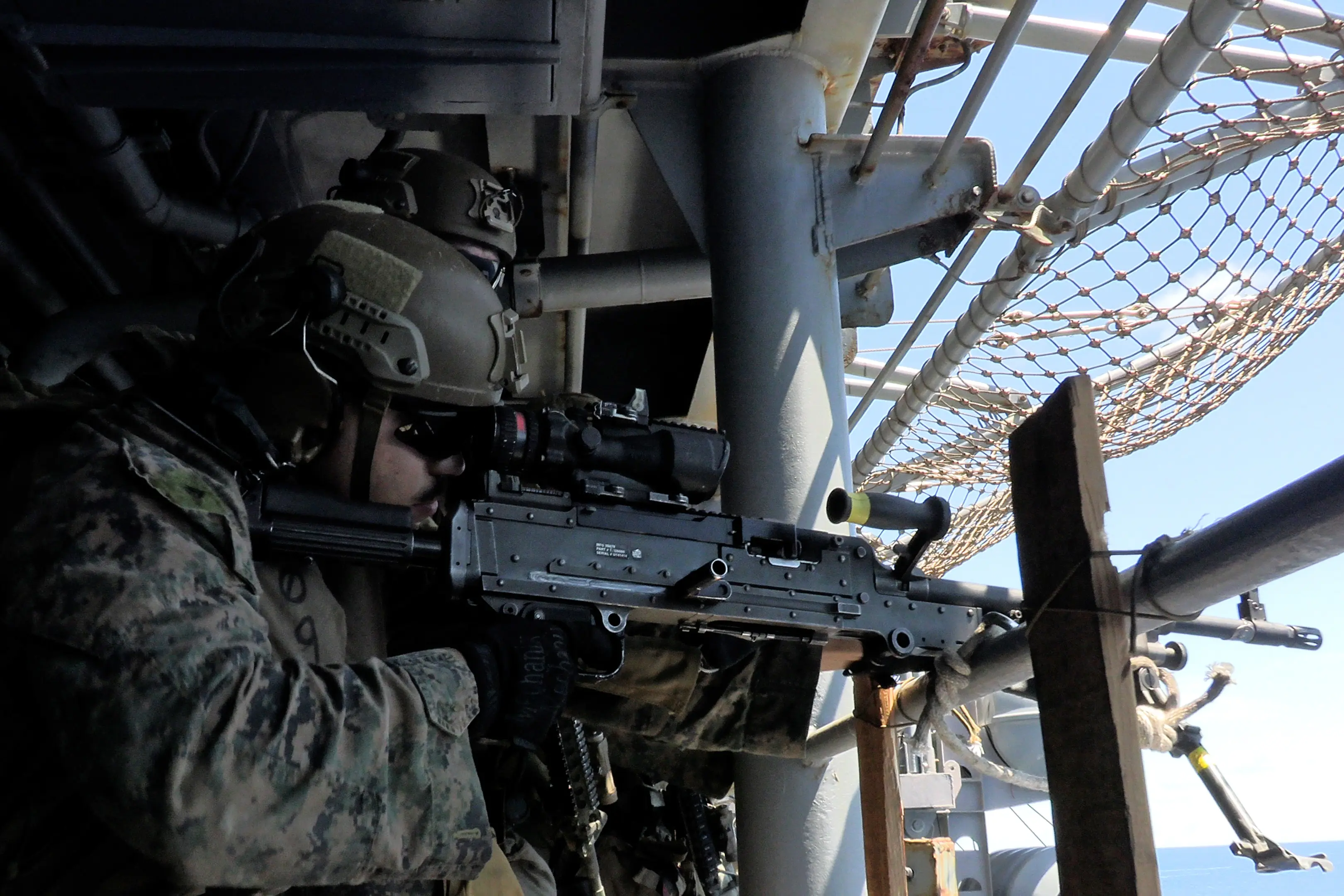
Naval Air Station North Island
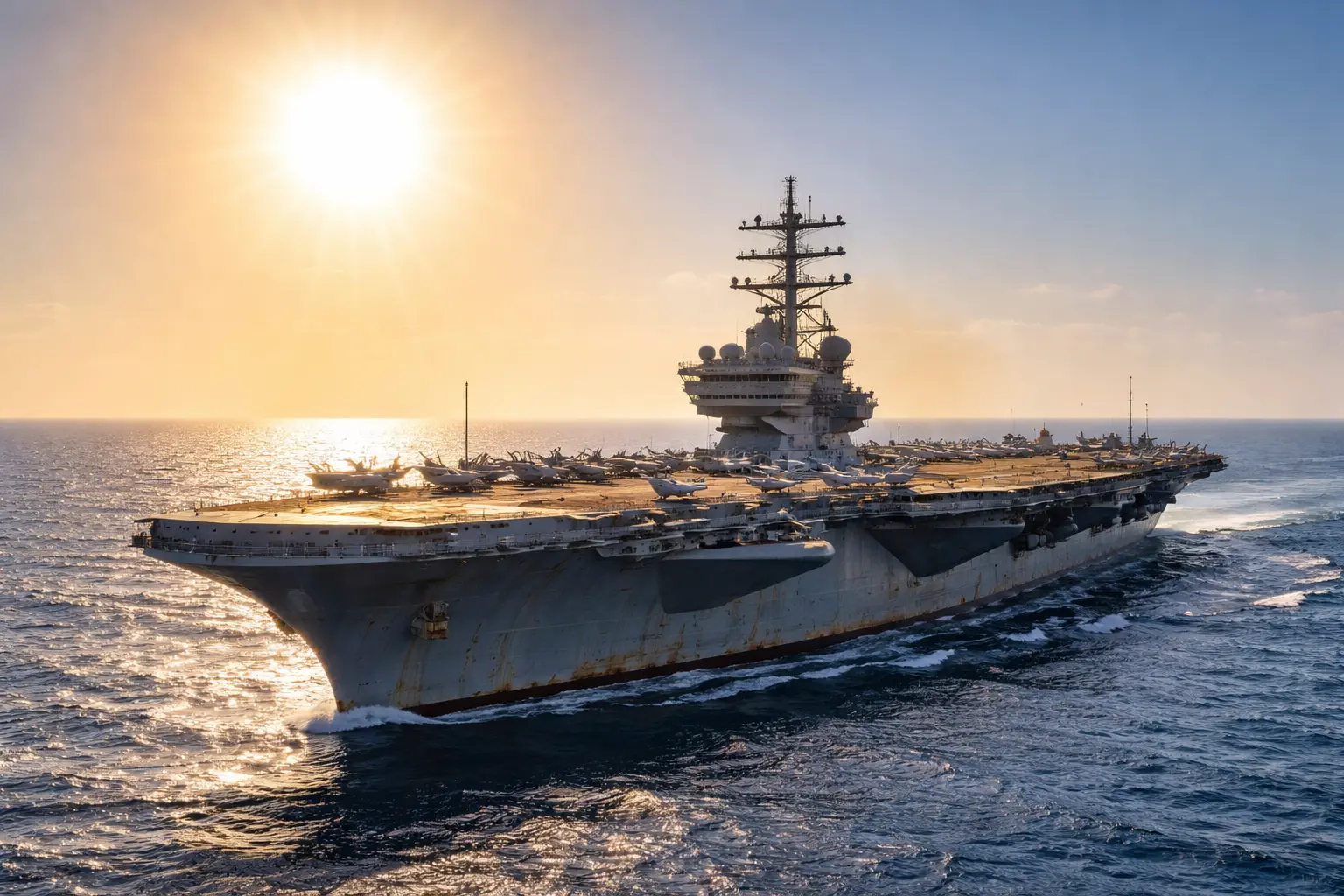
When not deployed to regions like the Middle East, the USS Abraham Lincoln docks at Naval Air Station North Island in San Diego, California. This massive military installation serves as the primary homeport for multiple Pacific Fleet aircraft carriers.
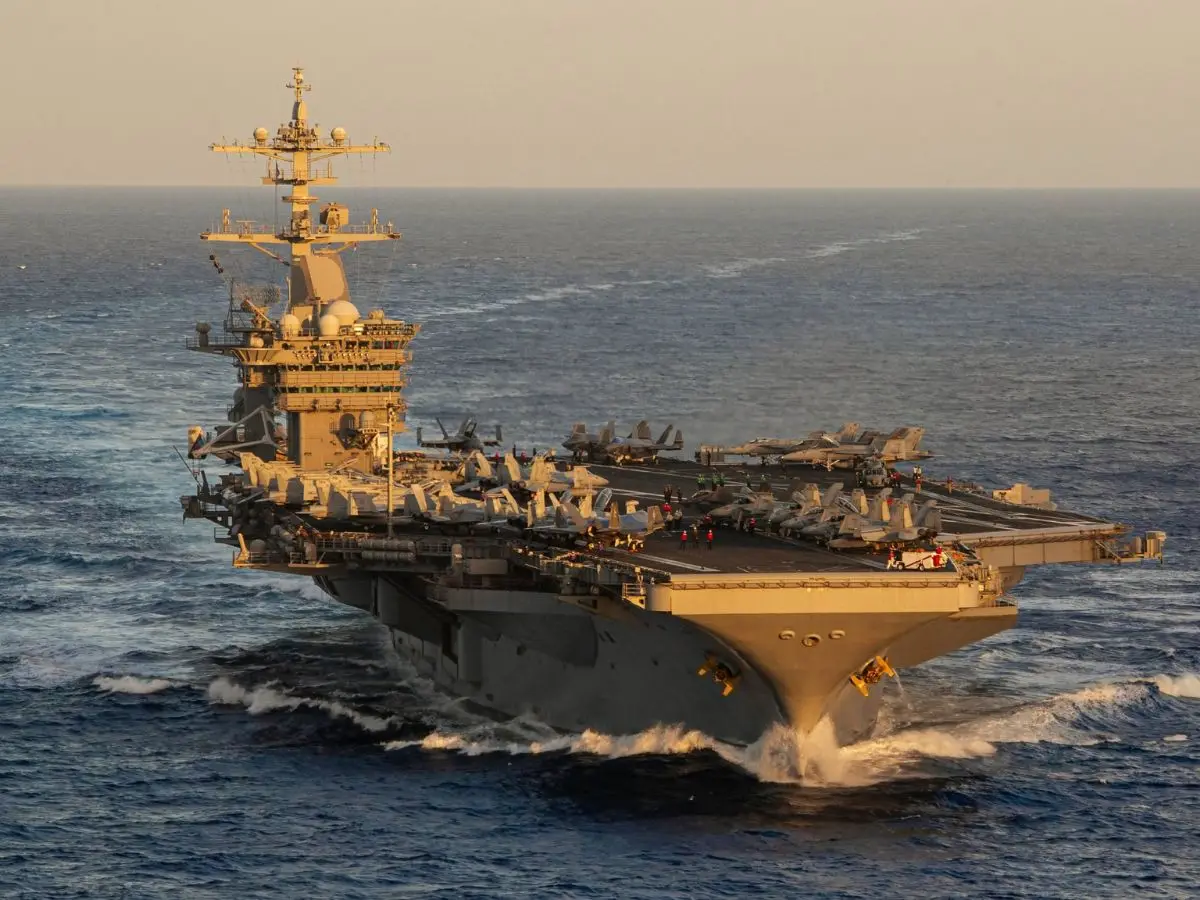
Living Onboard the Carrier
For junior enlisted sailors without dependents, returning to port does not automatically mean leaving the ship. These young sailors often continue living in their assigned berthings on the carrier, sleeping in the exact same racks they use during combat deployments.
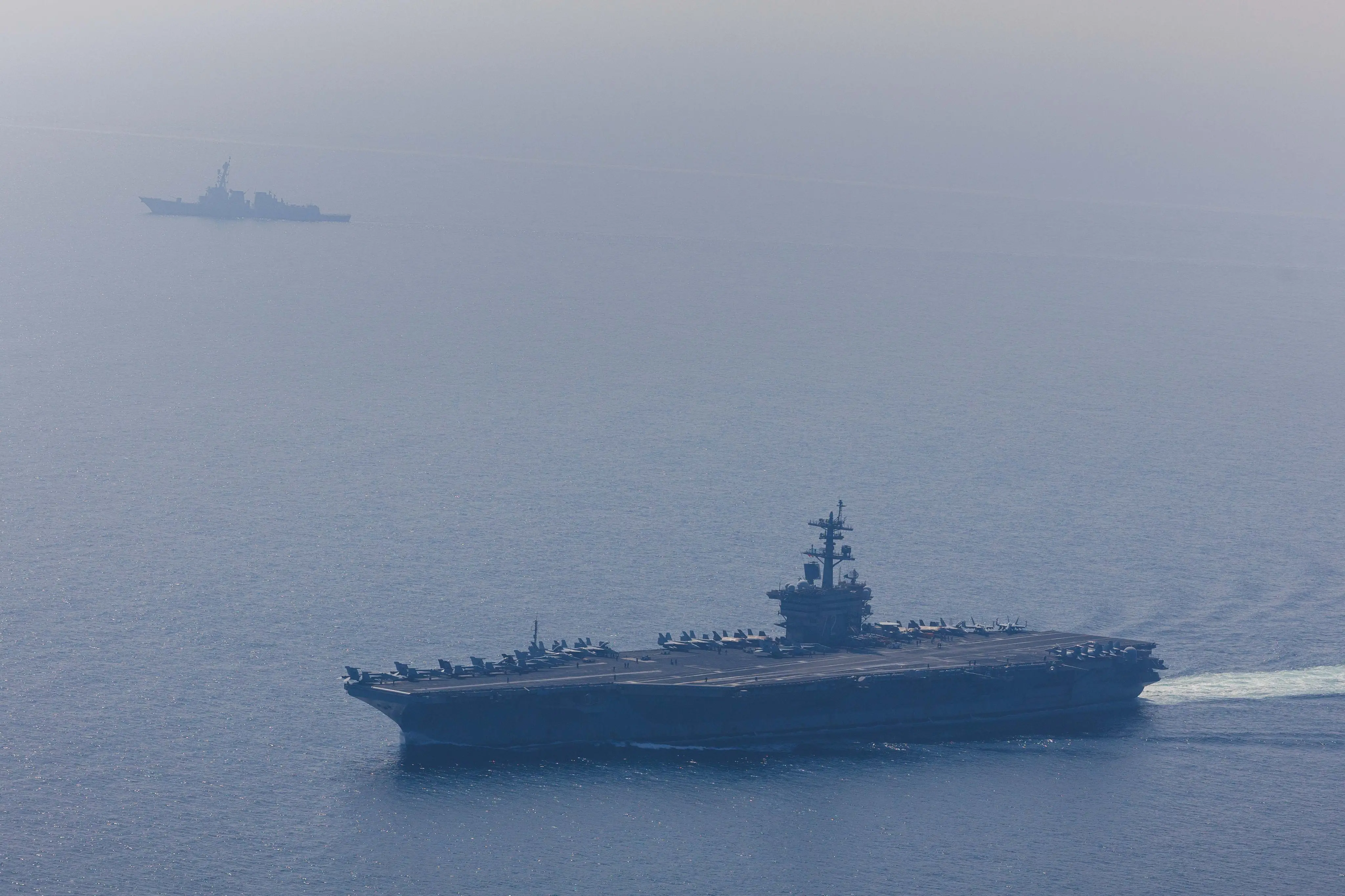
Ashore Barracks
As single sailors advance in rank to Petty Officer Third Class or higher, they gain the opportunity to move off the ship. The US Navy provides Unaccompanied Housing, essentially military barracks or dormitory-style rooms located on the naval base, offering much-needed privacy.
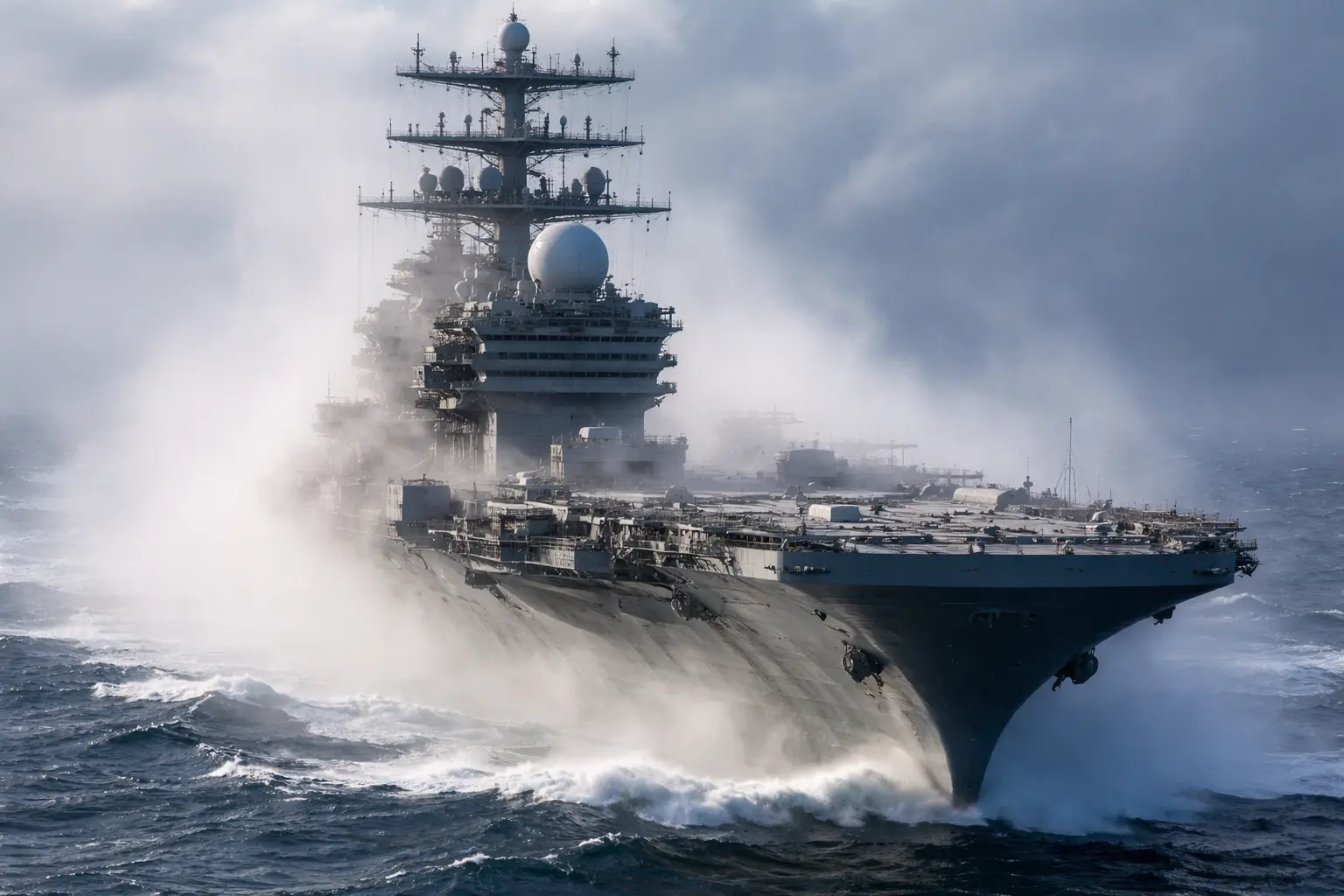
Privatised Military Housing
Sailors married to civilians or those with children are eligible for base housing around Naval Base Coronado. These privatised, family-style military communities offer houses and townhomes near the base, creating a close-knit support network for Navy families.
Private San Diego Apartments
Officers and senior enlisted leaders receive a Basic Allowance for Housing (BAH) to live entirely off-base. These personnel use their tax-free monthly stipends to rent private apartments or purchase houses within the local civilian communities of San Diego County.
The Coronado Bridge Commute
For the thousands of sailors living off-base, getting to the ship each morning becomes a standard corporate-style commute. Personnel must navigate heavy Southern California traffic, frequently driving over the iconic Coronado Bridge to reach their designated parking zones before morning muster.
In-Port Duty Days
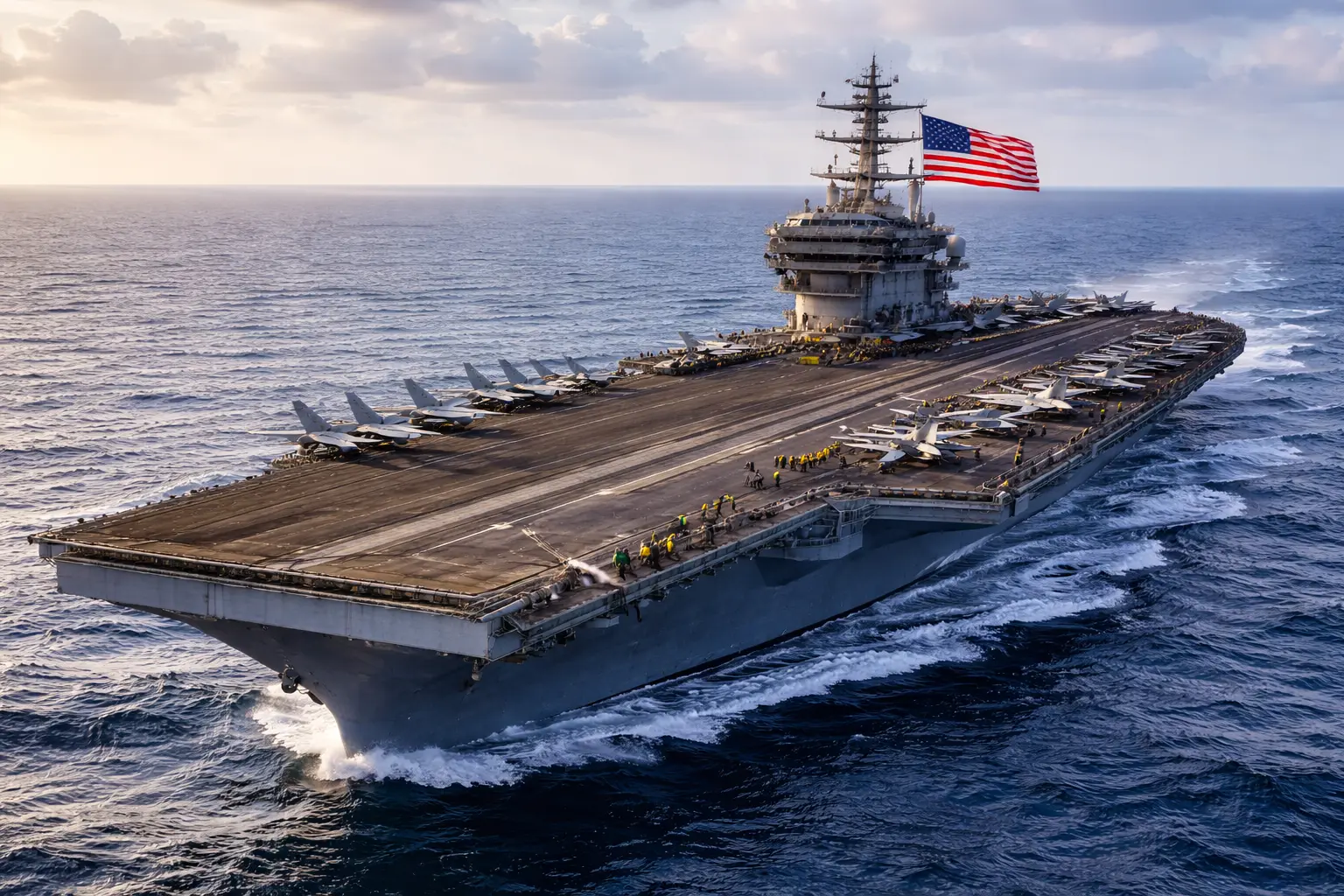
Even when living in comfortable civilian apartments, the operational demands of a nuclear supercarrier never truly stop. Every sailor must serve rotating 'duty days', requiring them to sleep on the ship for 24 hours to stand watch and run emergency fire drills.
)
)
)
)
)