Where did Muziris go? Facts you didn't know about India’s forgotten ancient port city

Edited By Subhadra Srivastava
Published: Jun 01, 2025, 19:15 IST | Updated: Jun 01, 2025, 19:15 IST
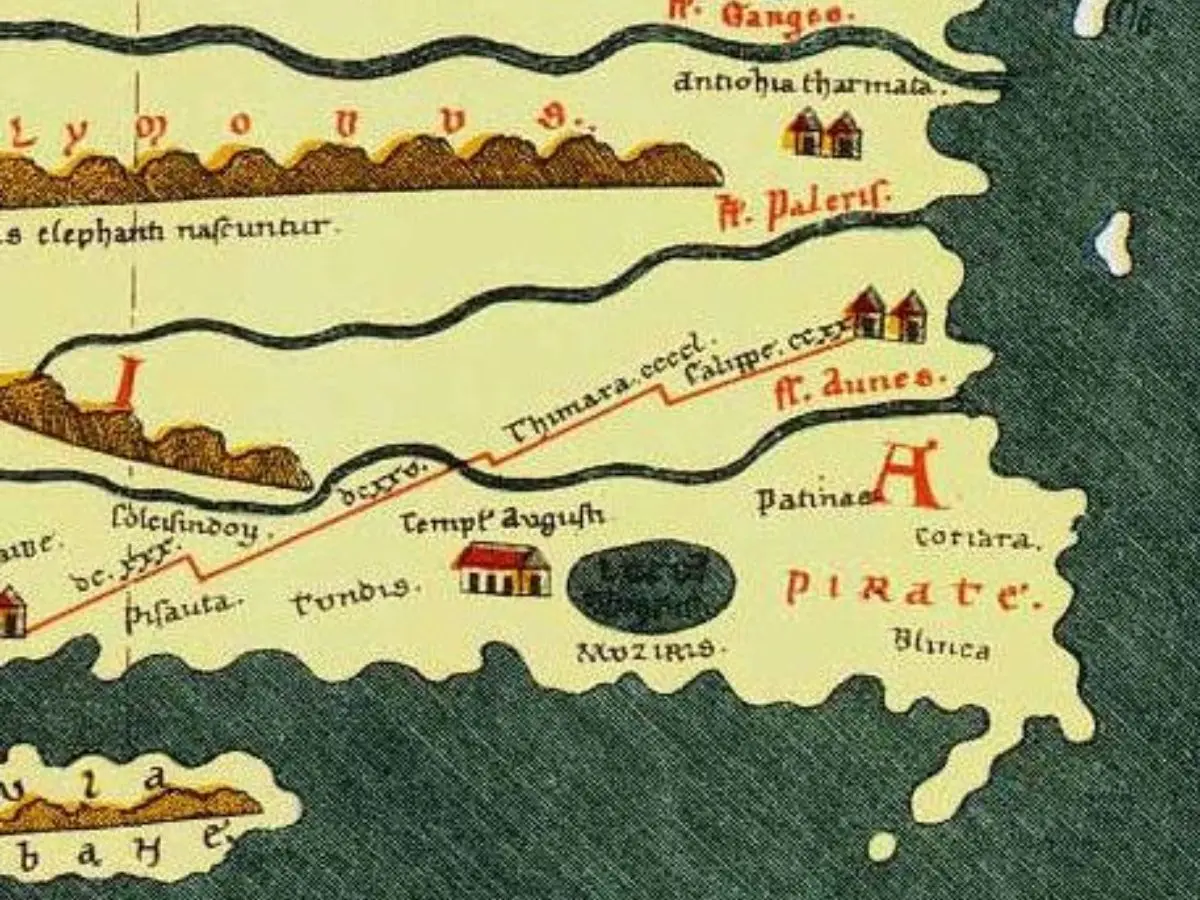
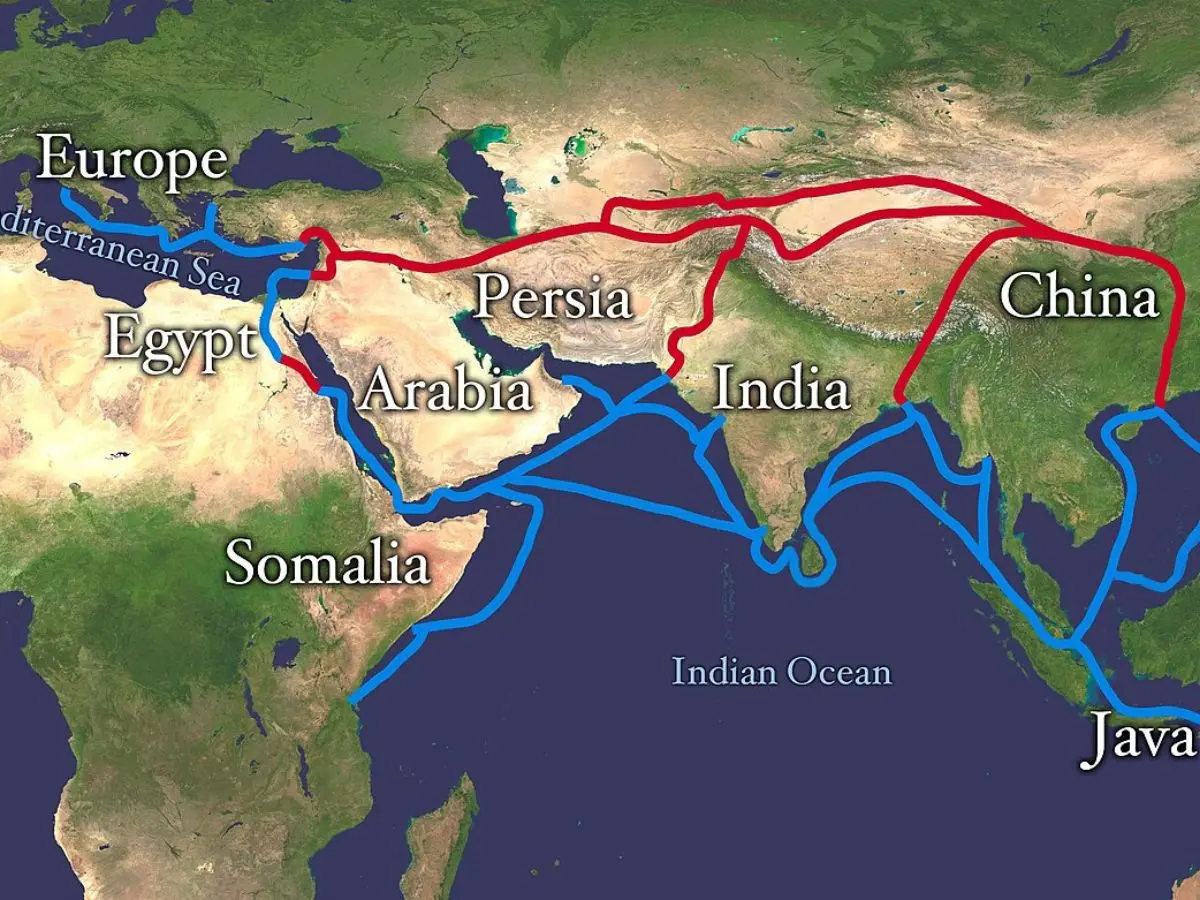
Flourishing between the 1st century BCE and the 3rd century CE, Muzaris used to serve as a major trading link between the East and the West.
1 / 7
(Photograph: Wikimedia Commons)
A Global Trade Hub on the Malabar Coast
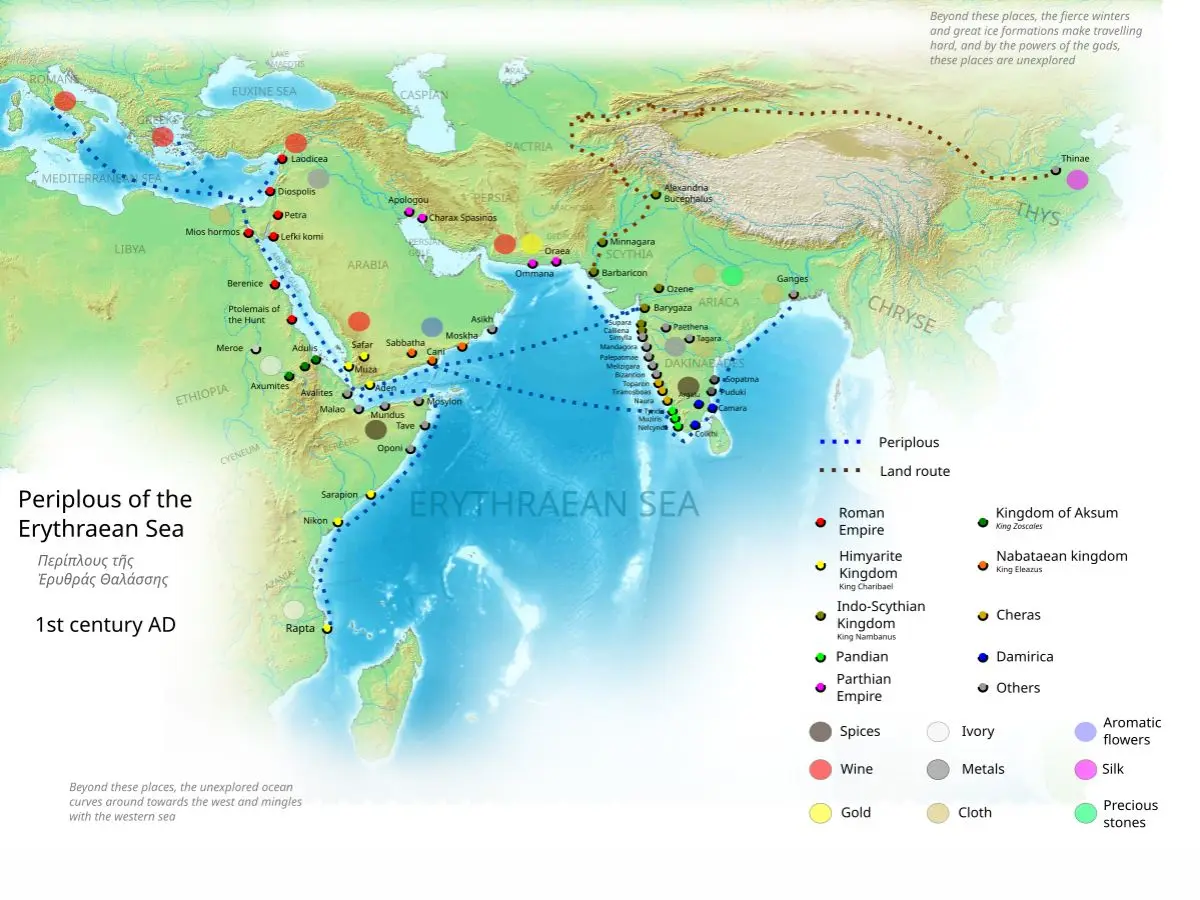
Muziris was once an ancient port city, that was situated near modern-day Kochi in Kerala. Flourishing between the 1st century BCE and the 3rd century CE, Muzaris used to serve as a major trading link between the East and the West. Several historical texts and reports like the Periplus of the Erythraean Sea, Akananuru (Tamil Sangam literature), and accounts by Roman author Pliny the Elder describe it as a bustling, cosmopolitan centre for Trade. It was regarded as the 'first emporium of India'.
2 / 7
(Photograph: Wikimedia Commons)
The ‘Black Gold’ That Drove the Economy
Muziris earned global fame for its spice trade, especially black pepper, referred to as "black gold." It was very popularly known as the the 'pepper kingdom'. Roman merchants highly valued the spice, which was sometimes even used in exchange for gold. While pepper was exported, goods such as wine, olive oil, and glassware flowed in. Apart from just pepper, other exports included pearls, ivory, silk, and spices. Pliny noted that Rome spent about 50 to 100 million sesterces annually on eastern imports, much of it destined for Muziris.
3 / 7
(Photograph: Wikimedia Commons)
Archaeological Rediscovery After Centuries
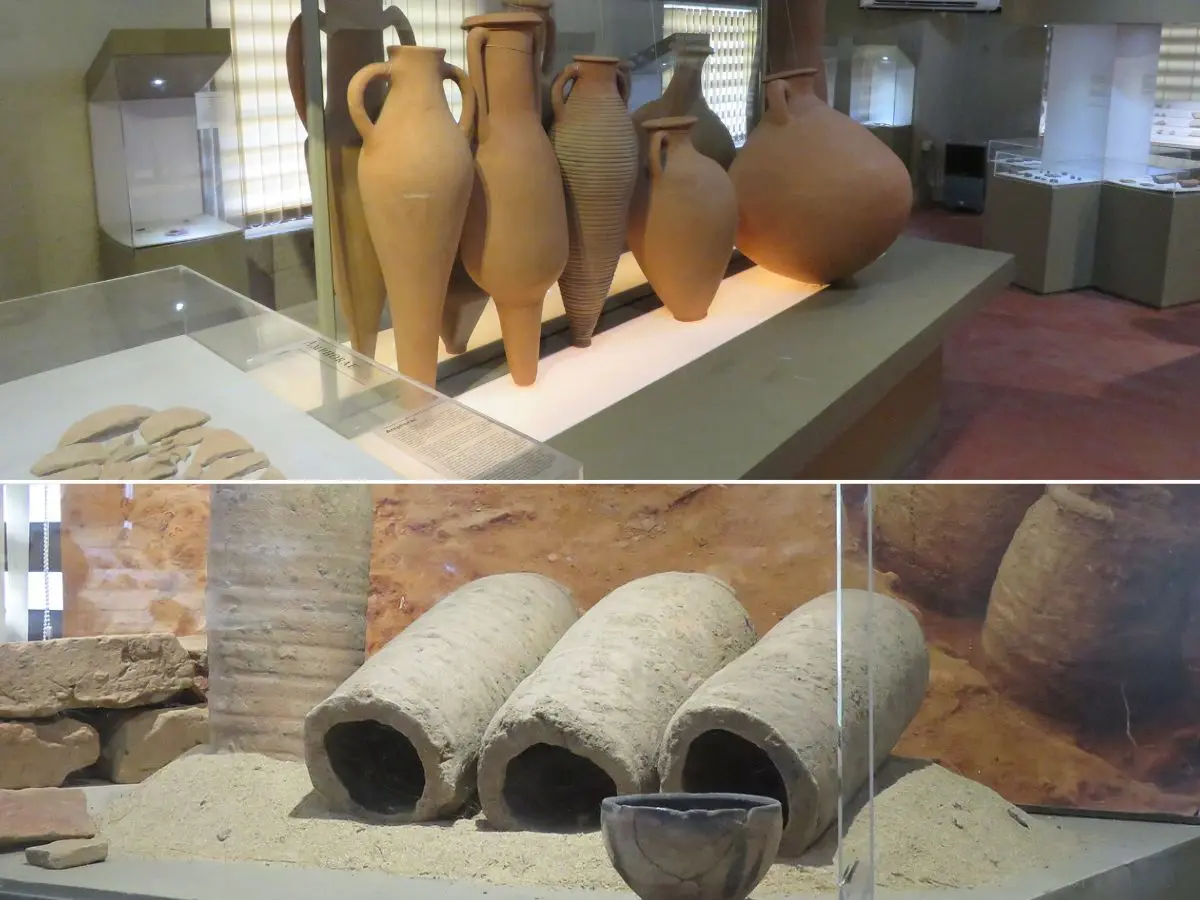
For centuries, Muziris was believed to be more myth than fact. This perspective changed in 2004 when excavations began in Pattanam, near Kodungallur in Kerala. Not much was found until one day Roman amphorae was discovered, apart from that, artefacts such as Mediterranean glassware, a seal from Thebes, and a wharf structure were discovered. These findings led many archaeologists to identify Pattanam as the possible site of ancient Muziris.
4 / 7
(Photograph: Wikimedia Commons)
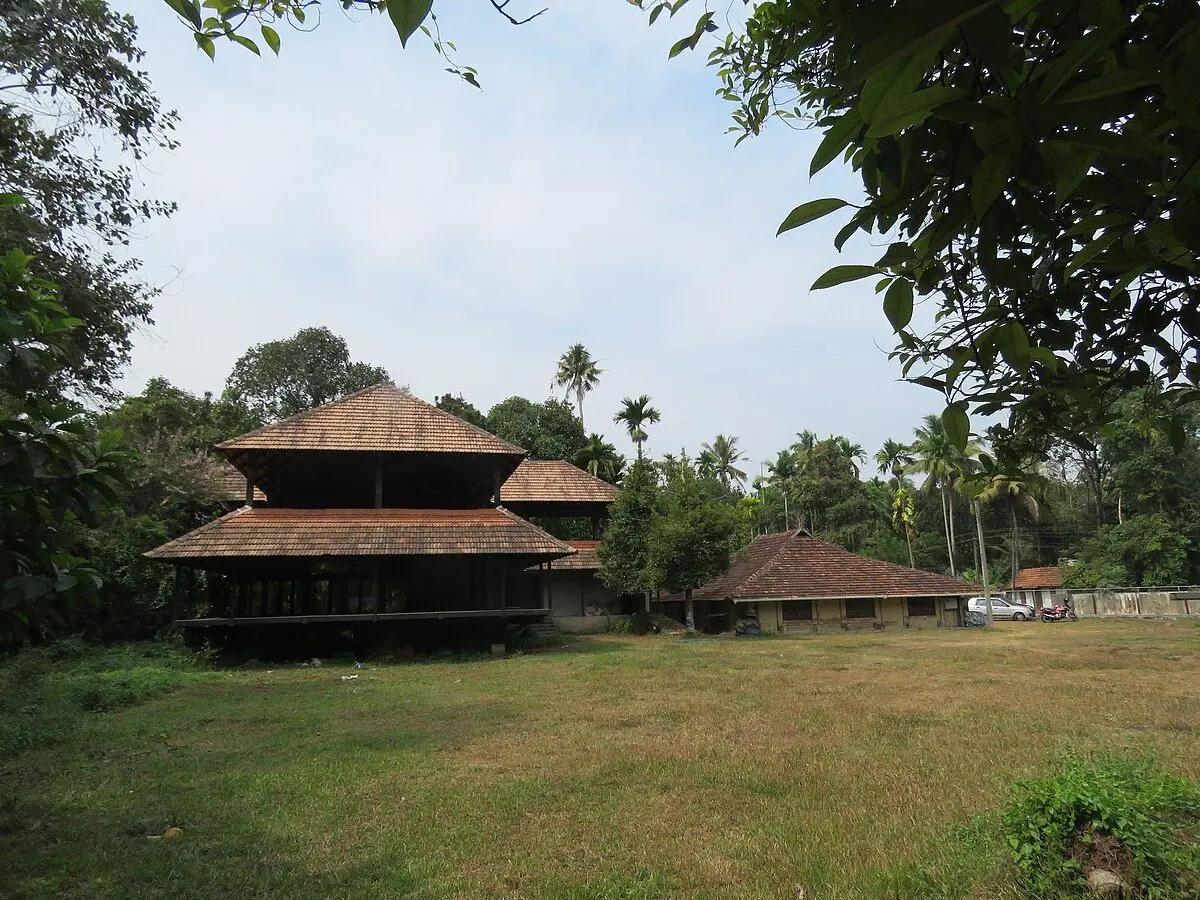
Sudden Disappearance from History
By the 6th century CE, Muziris had completely vanished from historical records. A commonly accepted theory behind such a disappearance was a massive flood of the Periyar River in 1341 CE, which is believed to have changed the coastline and rendered the port unusable. Simultaneously, the decline of the Roman Empire also reduced the demand for eastern trade, since it was the major source of Muziris' revenue.
5 / 7
(Photograph: Wikimedia Commons)
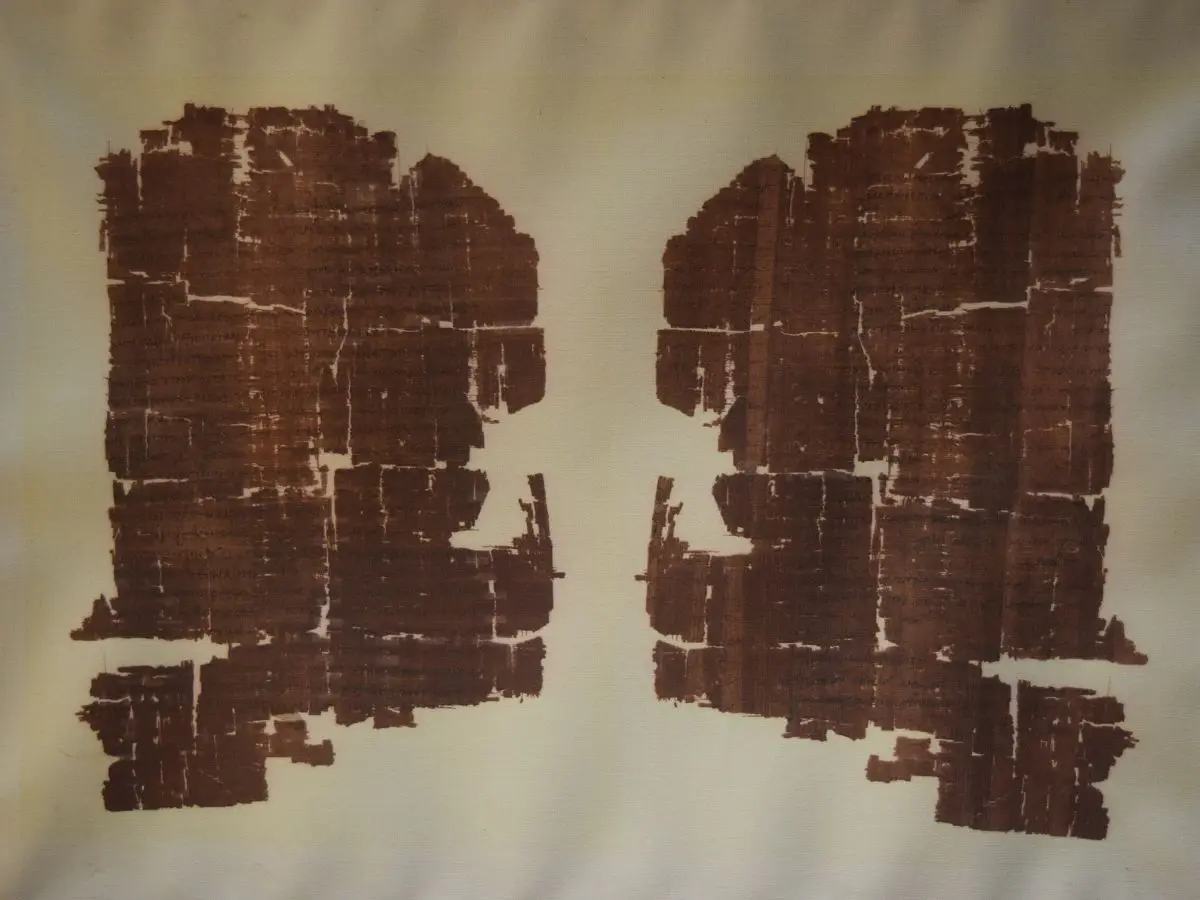
A Centre for Cultural Exchange
Muziris is believed to not just be a commercial hub but also a gateway for cultural and religious exchange. The area is not just the home to India’s oldest mosque (Cheraman Juma Masjid, 629 CE) but also houses one of the earliest churches founded by St. Thomas (52 CE) as well as historic synagogue. Some archaeological evidence suggest a diverse, harmonious society with no signs of caste or militarisation.
6 / 7
(Photograph: Wikimedia Commons)
The Debate over Its True Location
Despite compelling evidence found during excavations' at Pattanam, there are many scholars that agree it is the Muziris of antiquity. Some suggest alternative locations like Kodungallur, Karur, or even Mirjan. It is also worth mentioning that only about 1 per cent of the Pattanam site has been excavated, leaving much of the ancient city and the mystery, still buried.
7 / 7
(Photograph: Wikimedia Commons)
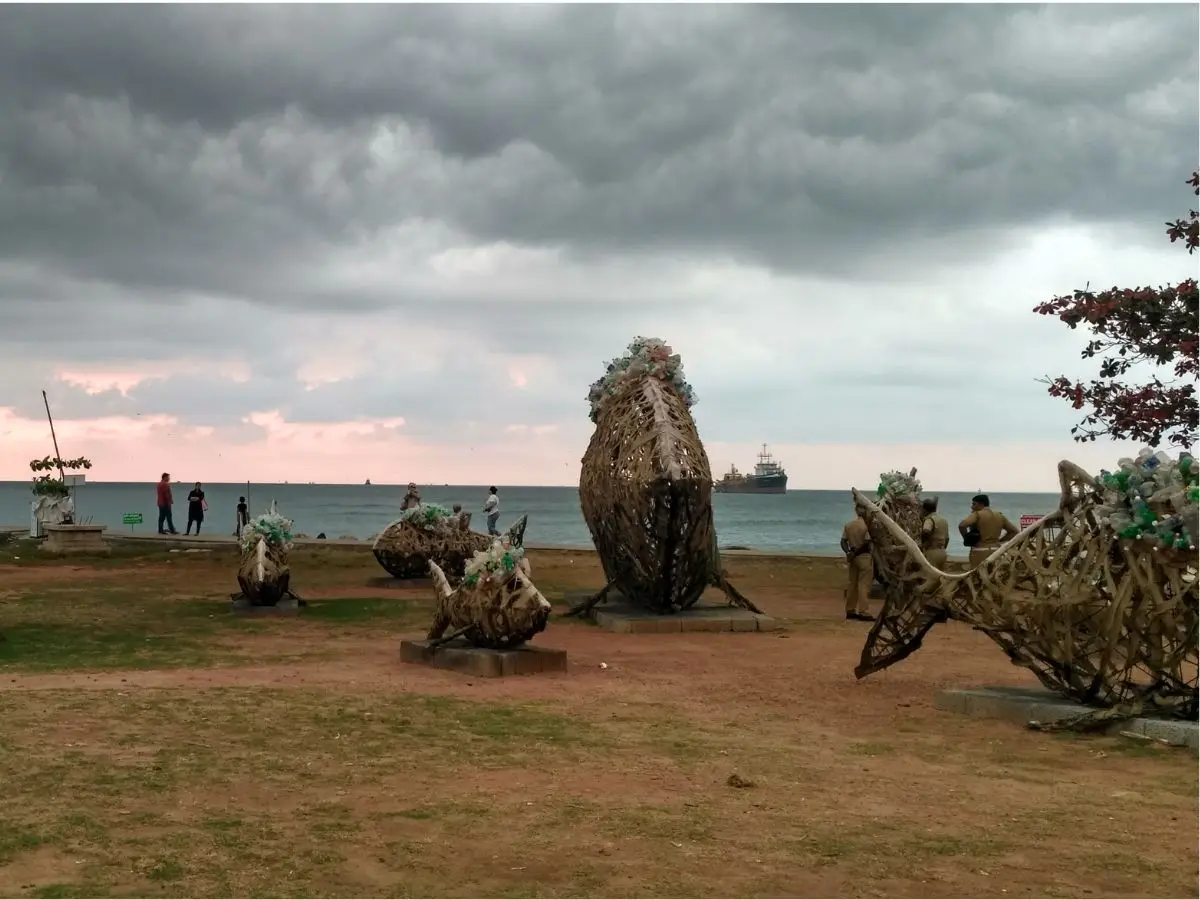
Revival Through the Muziris Heritage Project
Launched in 2008, the Muziris Heritage Project aims to preserve and showcase the region’s historical legacy. It links over twenty-five sites in the area and promotes archaeological tourism. With more research and excavation underway, there are hopes of the full story of India’s lost port city eventually coming to light.
)
)
)
)
)