Where are Iran’s drones and missiles really going? From major powers to regional proxies, here’s the export list!

Tehran is ranked 18th globally in arms export, but even though it's shipments are limited in scale, their strategic impact is significant, shaping regional conflicts and proxy wars in the Middle-East.
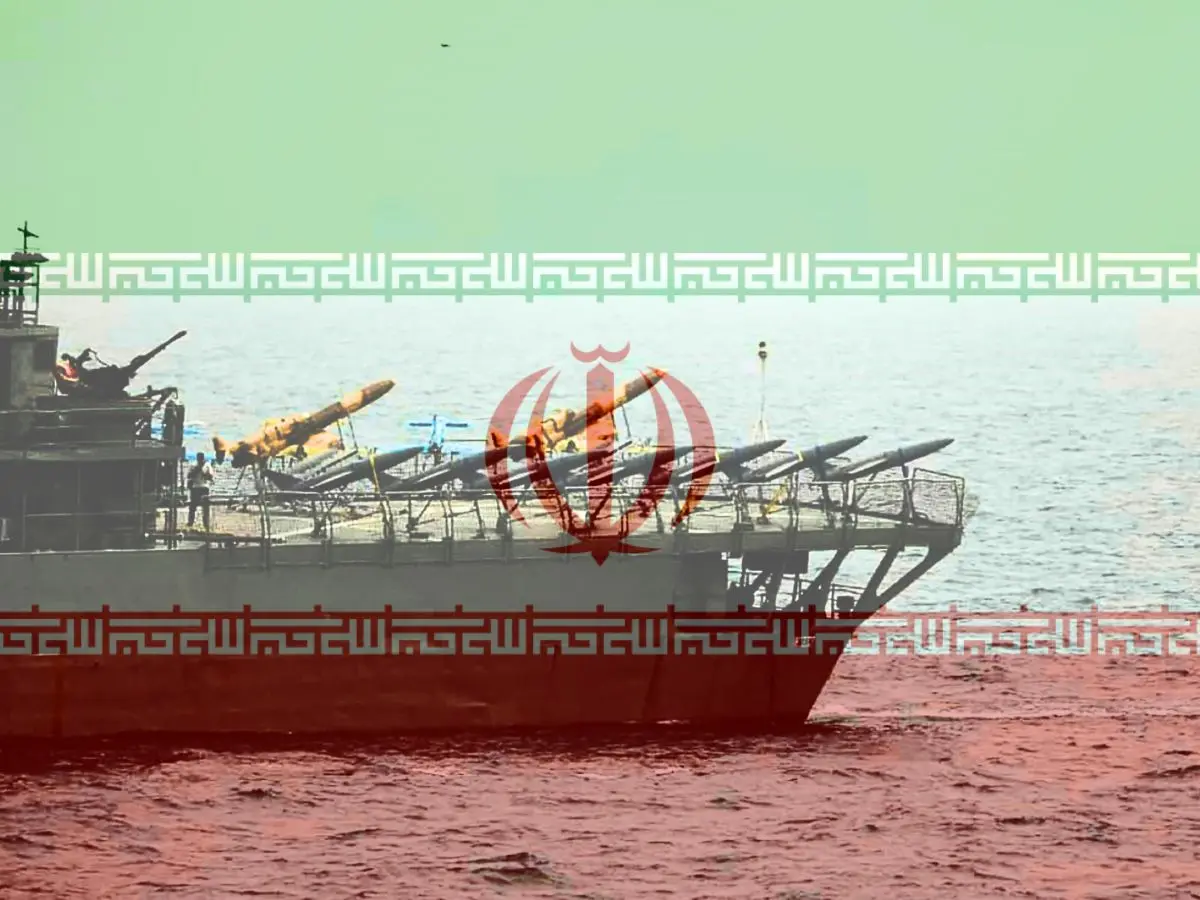
A Narrow but Telling Export Profile
Iran remains a minor player in the global arms export market, accounting for just 0.4 per cent of worldwide exports between 2020 and 2024, according to the Stockholm International Peace Research Institute (SIPRI). Tehran is ranked 18th globally in arms export, but even though it's shipments are limited in scale, their strategic impact is significant, shaping regional conflicts and proxy wars in the Middle-East. Rising tensions with the United States, ongoing sanctions, its 16th-place ranking in the Global Firepower Index, and a growing drone industry demonstrate how Iran continues to use defence exports to project influence despite international constraints.
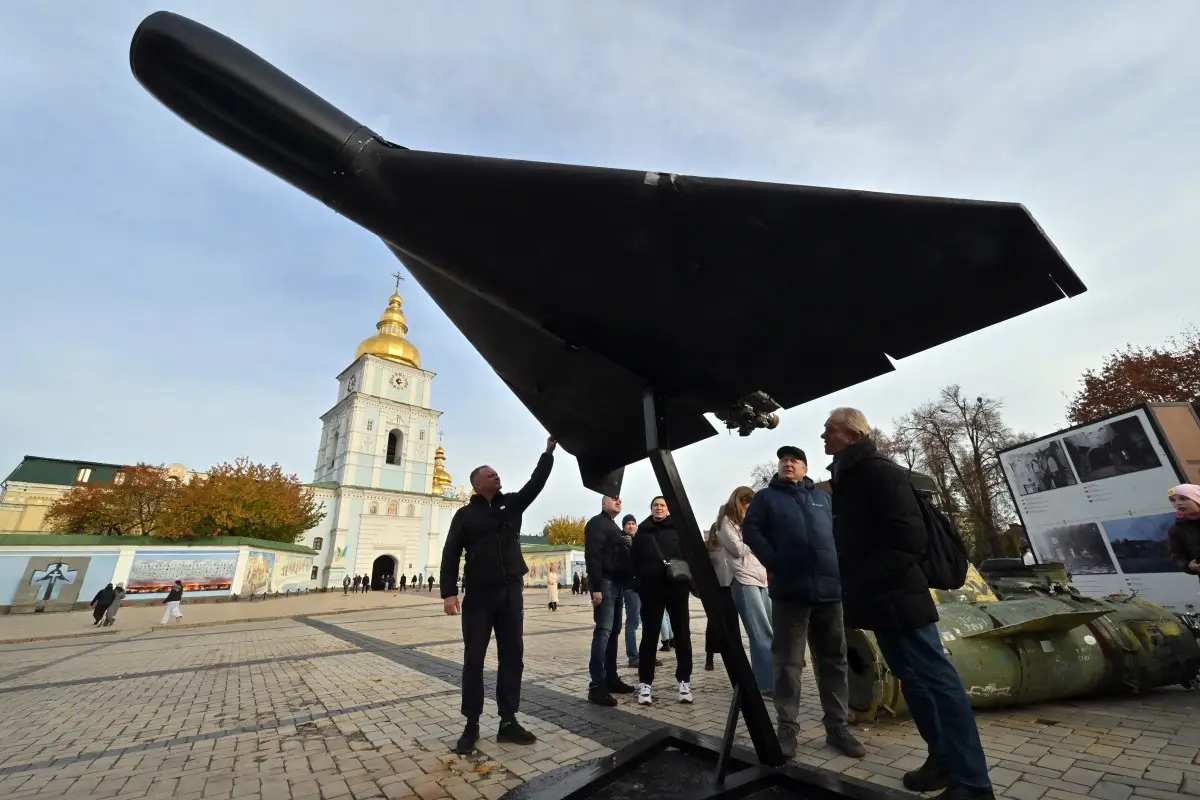
Russia at the Centre of Iran’s Export Strategy
According to SIPRI's 2025 data, Russia absorbed about 80 per cent of Iran’s total arms exports during the period of 2020-2024. This reflects the deepening defence relationship between the two countries following Russia’s invasion of Ukraine. Many Iranian systems, particularly unmanned aerial vehicles, have become a key component of Moscow’s wartime supply chain.
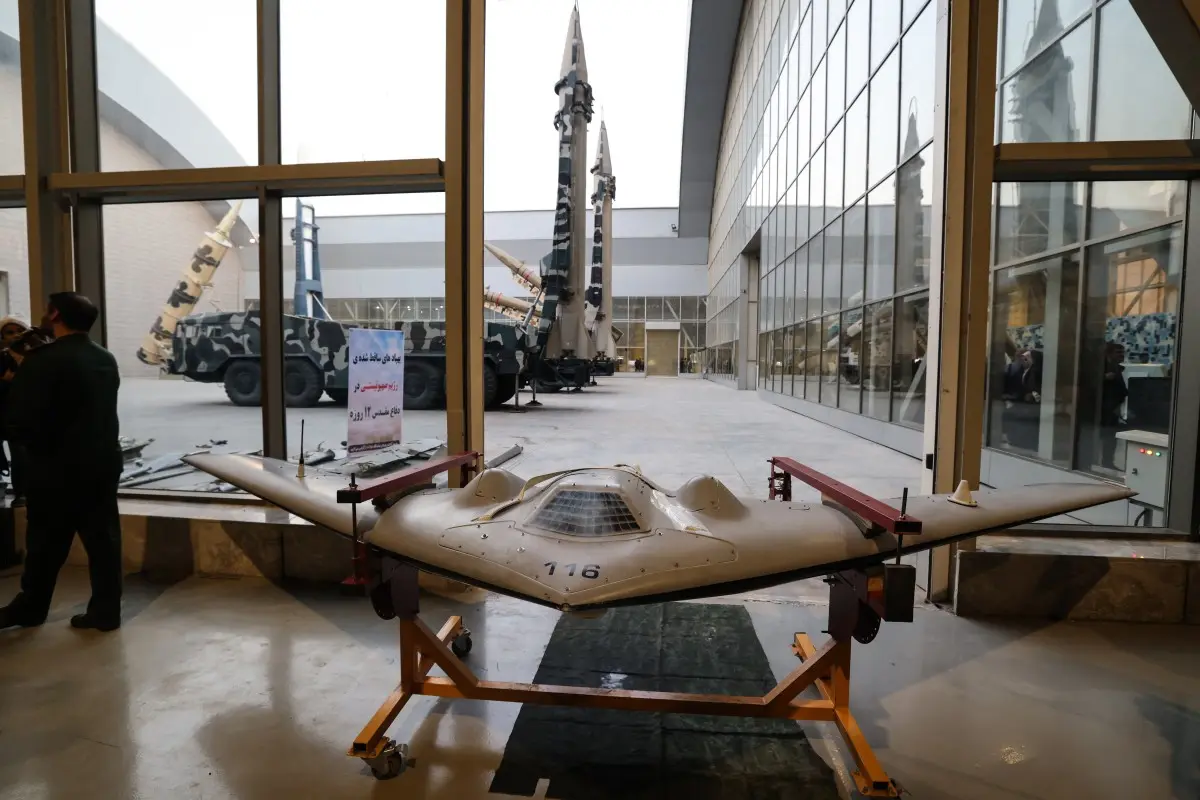
Latin America’s Unusual Place in Iran’s Arms Map
Venezuela emerged as Iran’s second-largest recipient, accounting for 11 per cent of exports. Though the number is modest in absolute terms, this relationship highlights Tehran’s outreach in the South America. Cooperation has included technology transfer and local production, especially in the drone sector, allowing Iran to project influence despite geographical distance and diplomatic isolation.
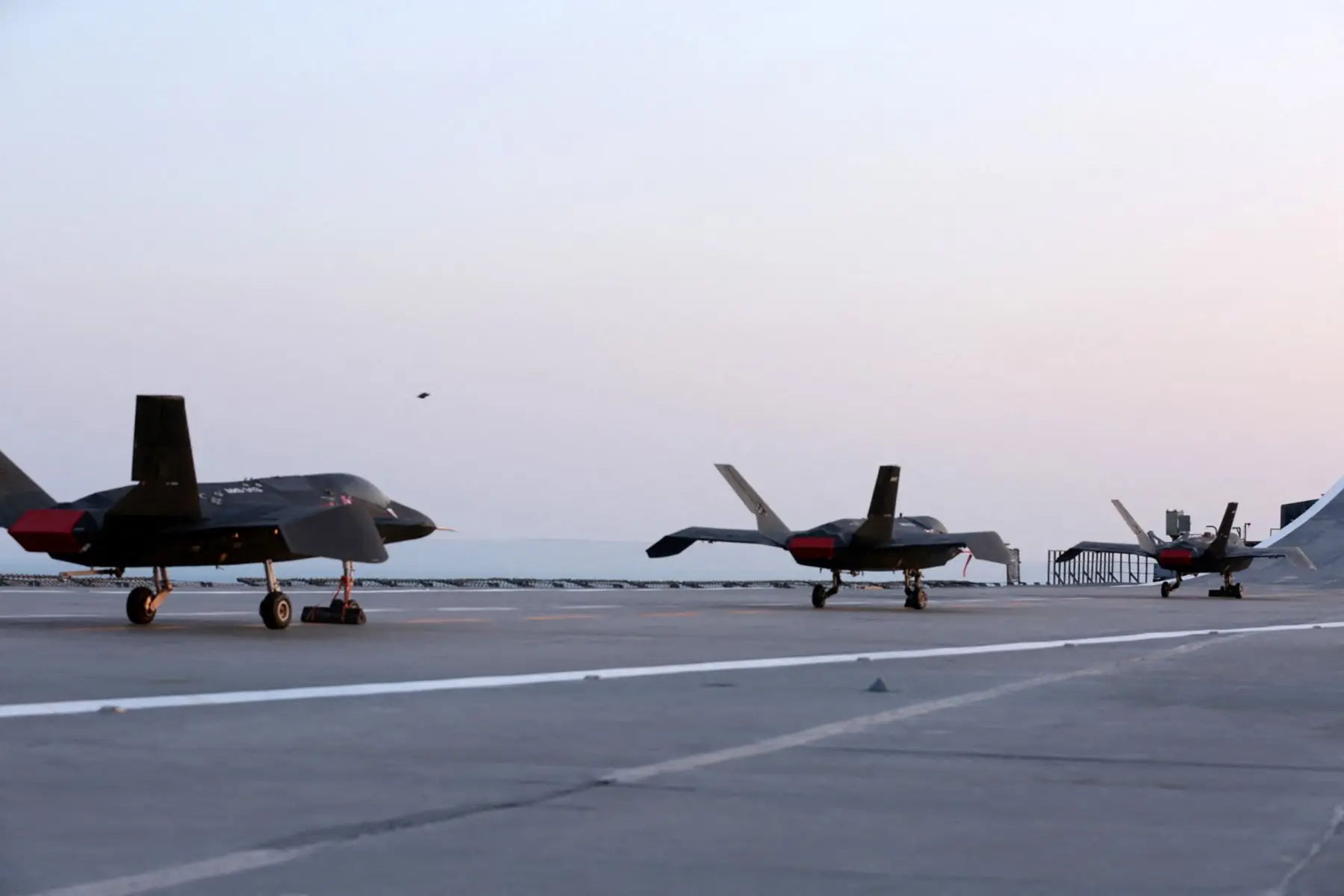
US Sanctions Target Iran-Venezuela Drone Network
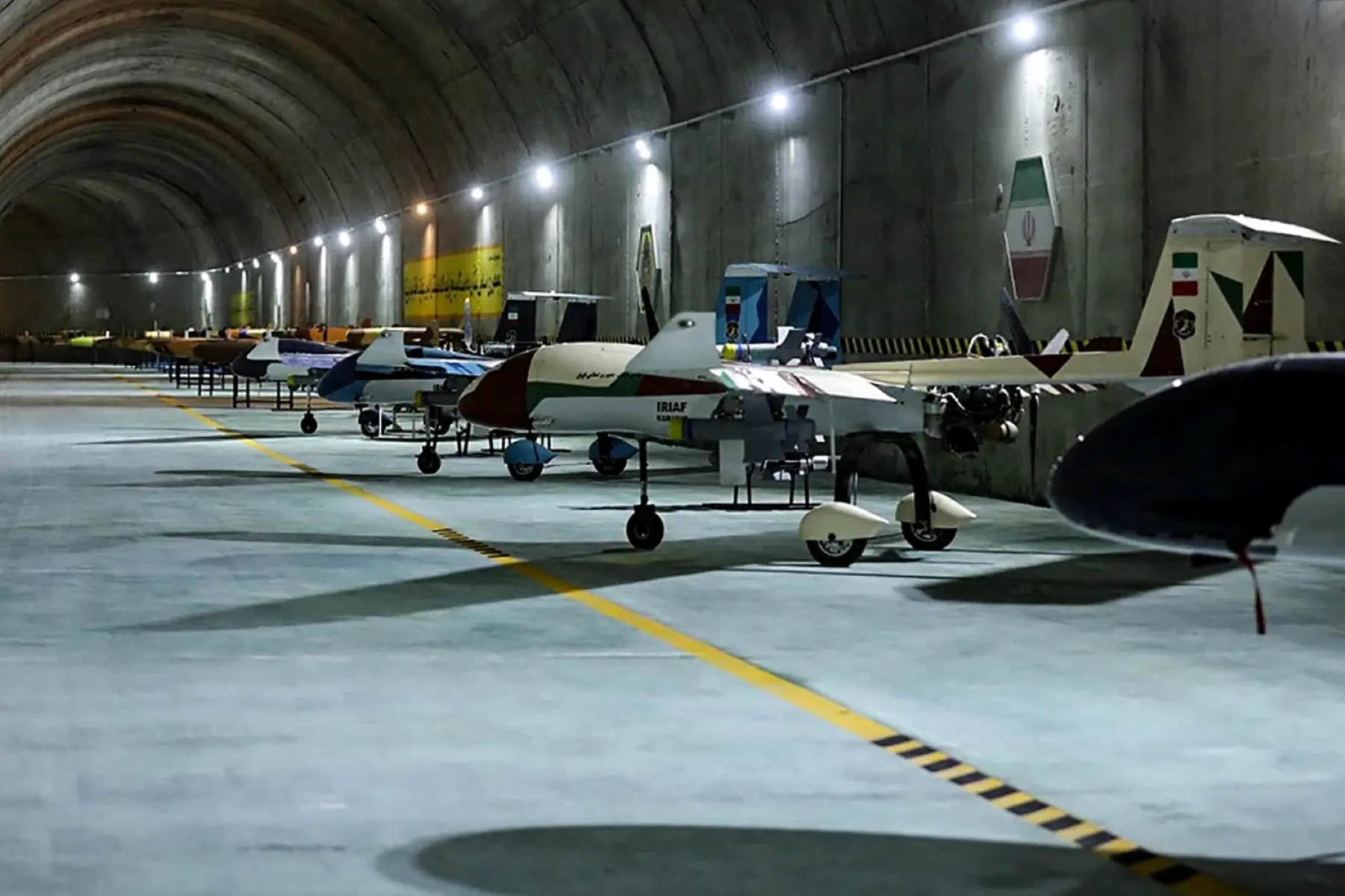
In December 2025, the US Treasury sanctioned ten individuals and entities in Iran and Venezuela over their involvement in the transfer and production of Iranian-designed UAVs to Caracas. The designated Venezuelan firm had overseen the assembly of Mohajer-series drones, re-branded locally, as part of an exchange dating back to at least 2006. These measures form part of a broader effort to disrupt Iran’s UAV and missile supply networks.
Supplying Non-State Actors
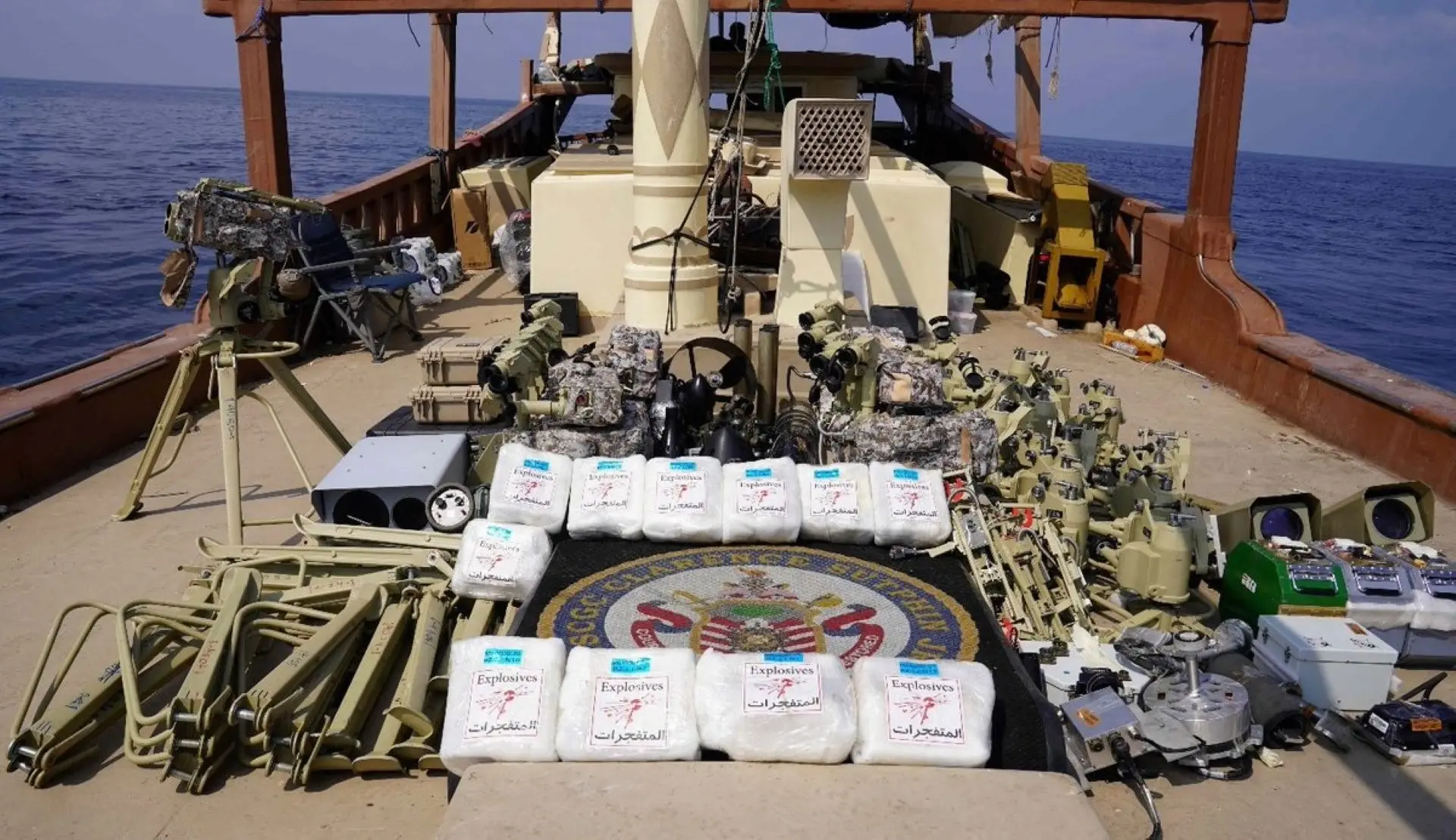
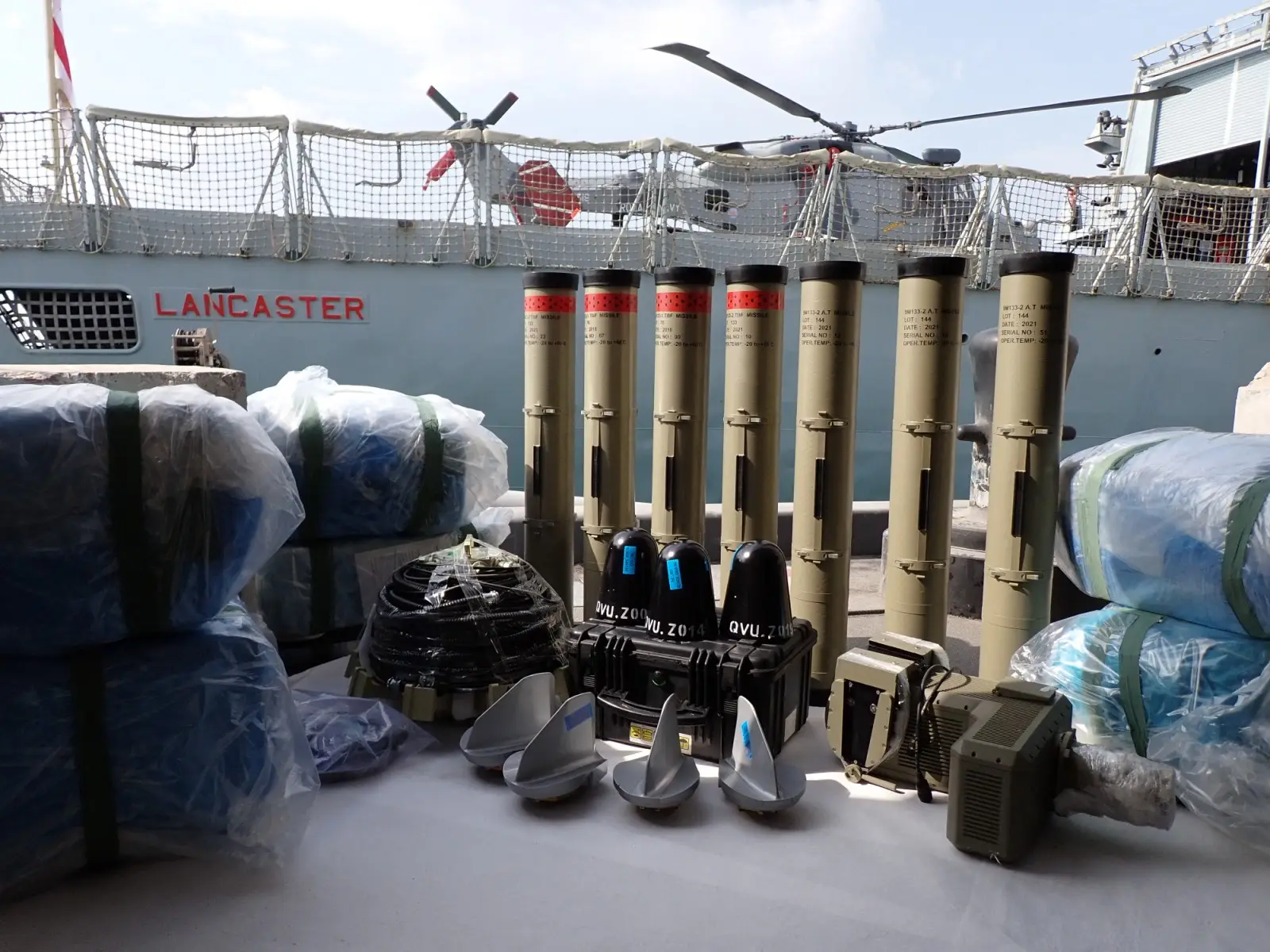
The SIPRI data also showed that around 7.1 per cent of Iran’s arms exports went to Houthi forces in Yemen. This distinguishes Iran from most exporters in the top 25, as few states openly supply non-state armed groups. These transfers underline Iran’s long-standing strategy of supporting allied forces to shape regional conflicts indirectly.
How Iran Compares with Middle East Exporters
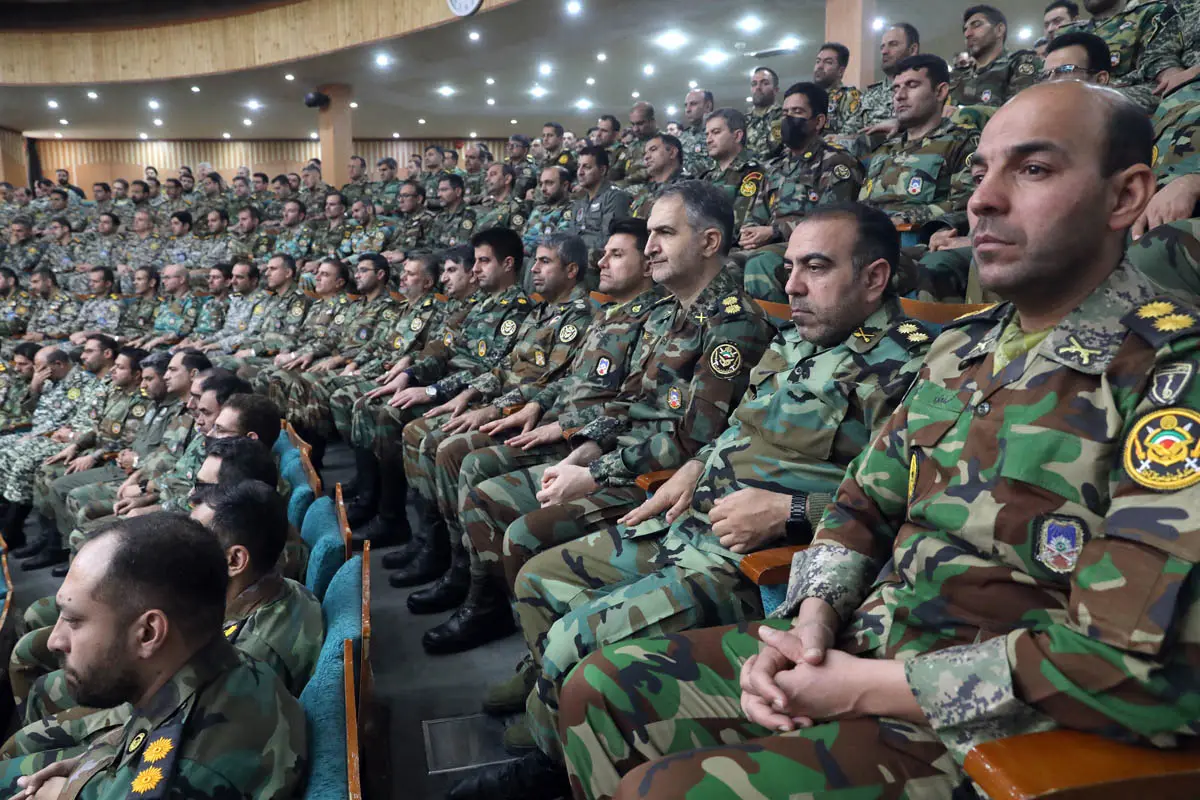
Iran’s export share remains far behind regional competitors. Israel accounted for 3.1 per cent of global arms exports during the same period, while Türkiye reached 1.7 per cent. Gulf countries, by contrast, are largely absent from the exporter rankings, remaining primarily major importers of foreign weaponry.
UN Arms Embargo on Iran
The United Nations has repeatedly imposed arms embargoes on Iran since 2006 in response to concerns over its nuclear and missile programmes. Initial restrictions on arms and related technologies were partially lifted under the 2015 nuclear deal (JCPOA). Although a resolution to continue the lifting of the sanctions on Iran was presented by China and Russia on 26 September 2025 it was not adopted. Therefore the arms embargo on Iran together with other sanctions were re-imposed from September 28, 2025. These measures once again prohibit the transfer of certain weapons and delivery systems to and from Iran under Security Council authority and aim to limit Tehran’s access to technologies that could contribute to nuclear or missile development.
A Sharp Rise
Iran recorded a dramatic 749 per cent increase in arms exports compared with the 2015–19 period, largely driven by new partnerships formed after 2020. However, SIPRI data indicates that export volumes levelled off in 2024, suggesting structural limits imposed by sanctions and market access.
)
)
)
)
)