When will solar-powered fighter jets become a reality?

Solar power won’t yet fuel fighter jets, and batteries are still around 50 times heavier than fuel for the same energy. Fighter jets need far more energy and thrust than sunlight and today’s batteries can deliver.
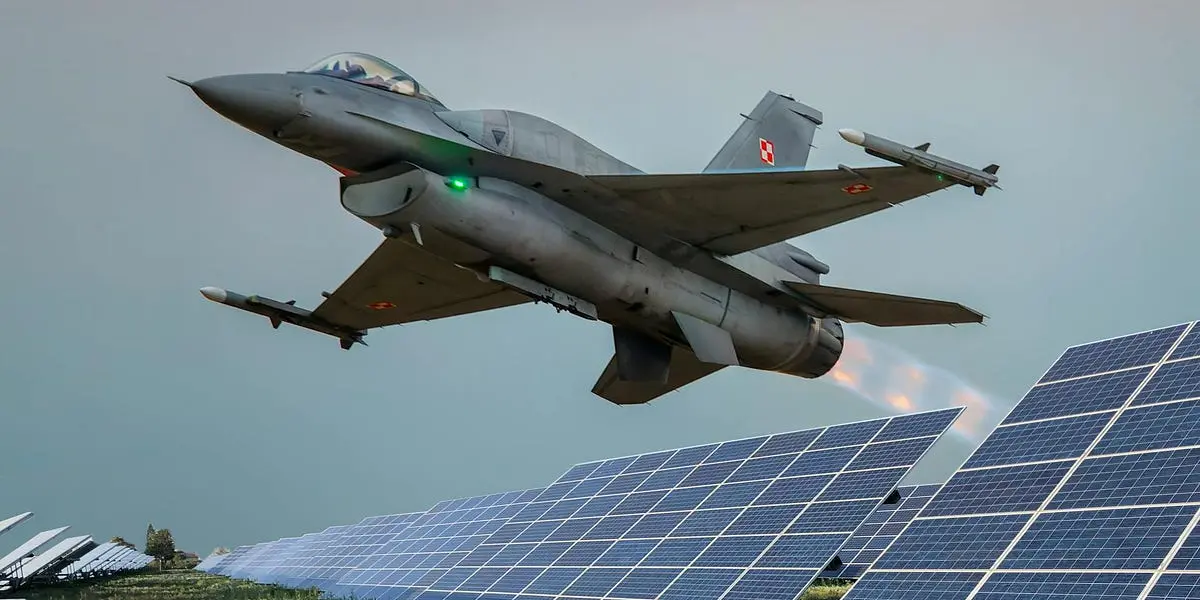
Solar-powered fighter jets
Solar aircraft use photovoltaic cells on large wings to turn sunlight into electricity, charging batteries to run electric motors. This works for very light, slow aircraft with huge wings. Fighters need far more power and speed than solar panels can provide today.
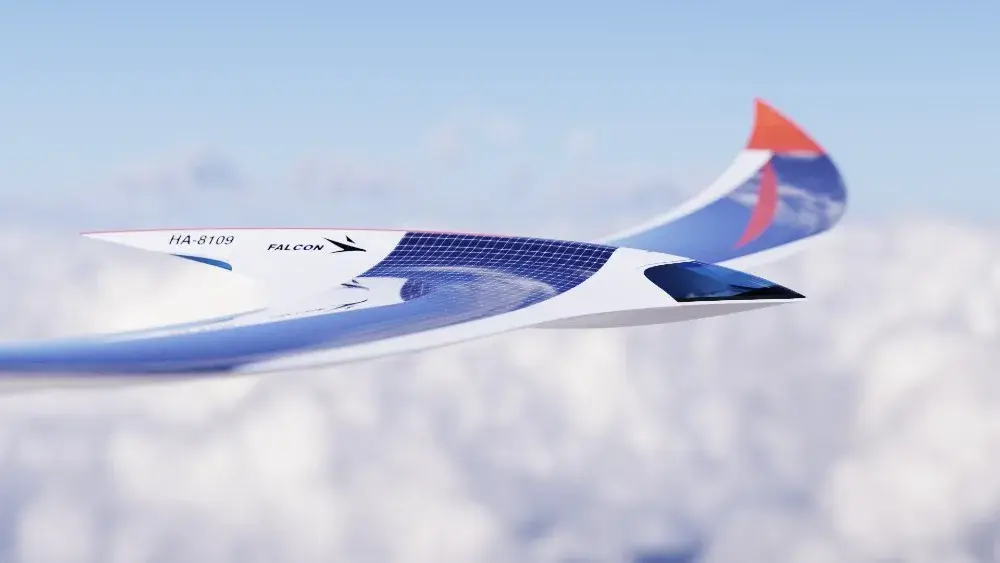
Power gap - why fighters are different
Jet fuel stores about 12 kilowatt hours per kilogramme, while lithium-ion batteries hold roughly 0.22 to 0.25 kilowatt hours per kilogramme. Batteries are about 50 times heavier for the same energy fuels.
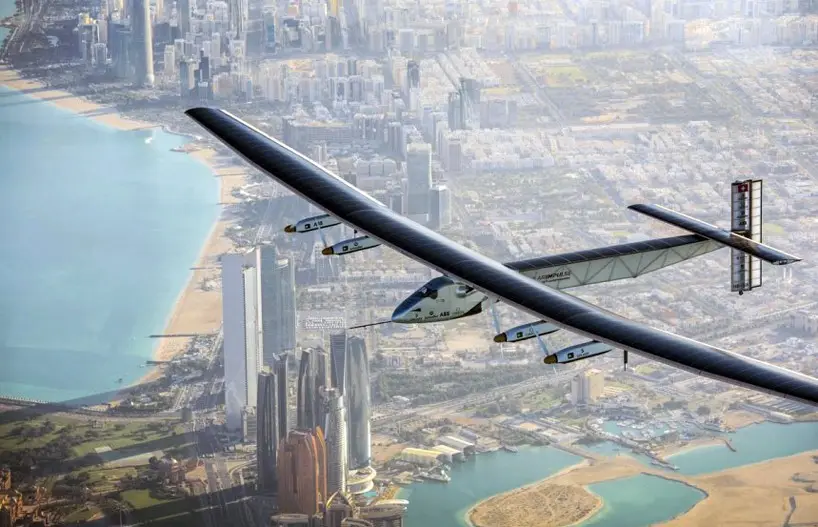
What real solar aircraft achieved
Solar Impulse 2 flew around the world using 17,248 cells over 269.5 square metres, cruising near 70 to 90 kilometres per hour with four small electric motors. It proved endurance at car-like speeds with a glider-style structure, not combat performance or high-G manoeuvres.
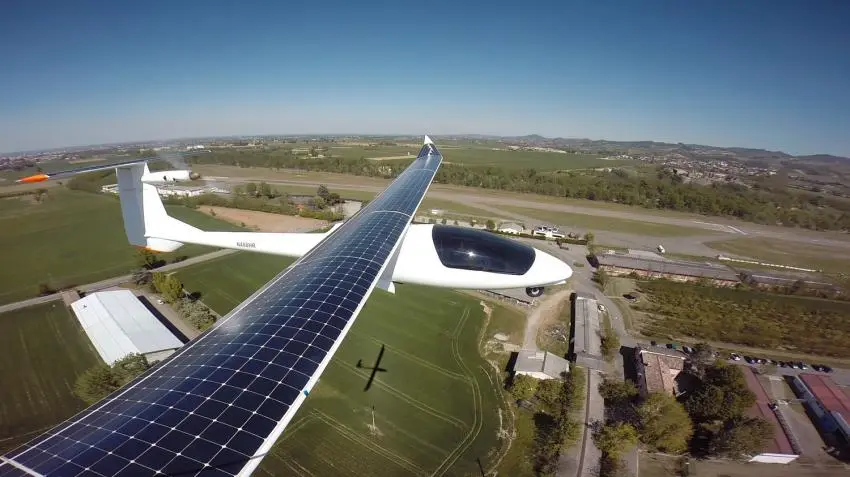
Classic studies - what NASA found
Research finds out that solar aircraft need very low wing loading and very large wing areas, with energy storage as the main bottleneck. Even day aircraft climb and flying at night are hard without advanced storage such as fuel cells, highlighting limits for heavier, faster flight.
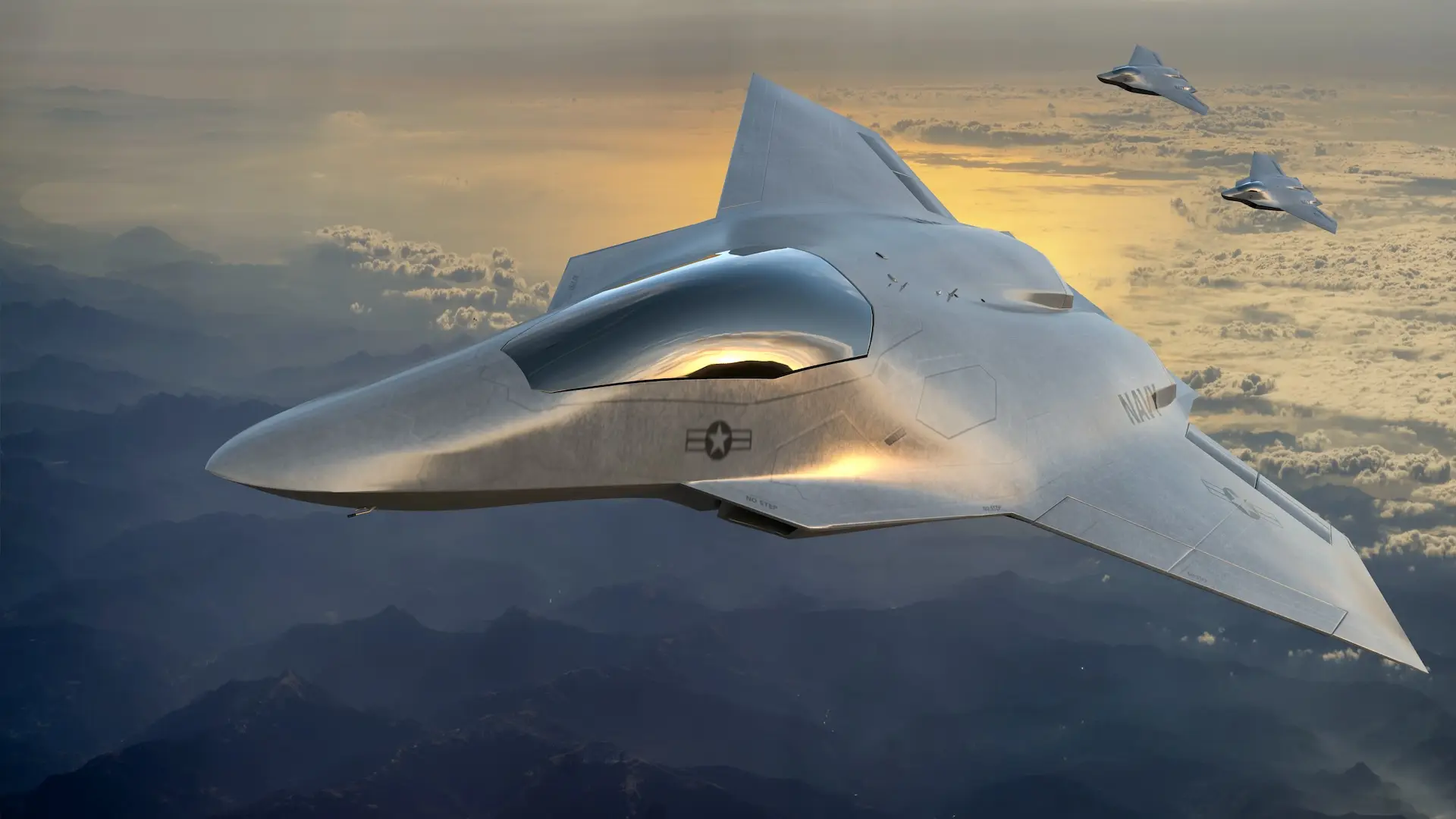
Why solar fighters are unlikely soon
Solar power per square metre is limited, while a fighter needs huge thrust. Practical concepts shift instead to high altitude, long endurance drones where big wings and low speeds suit the solar, battery, and fuel cell trade-offs.
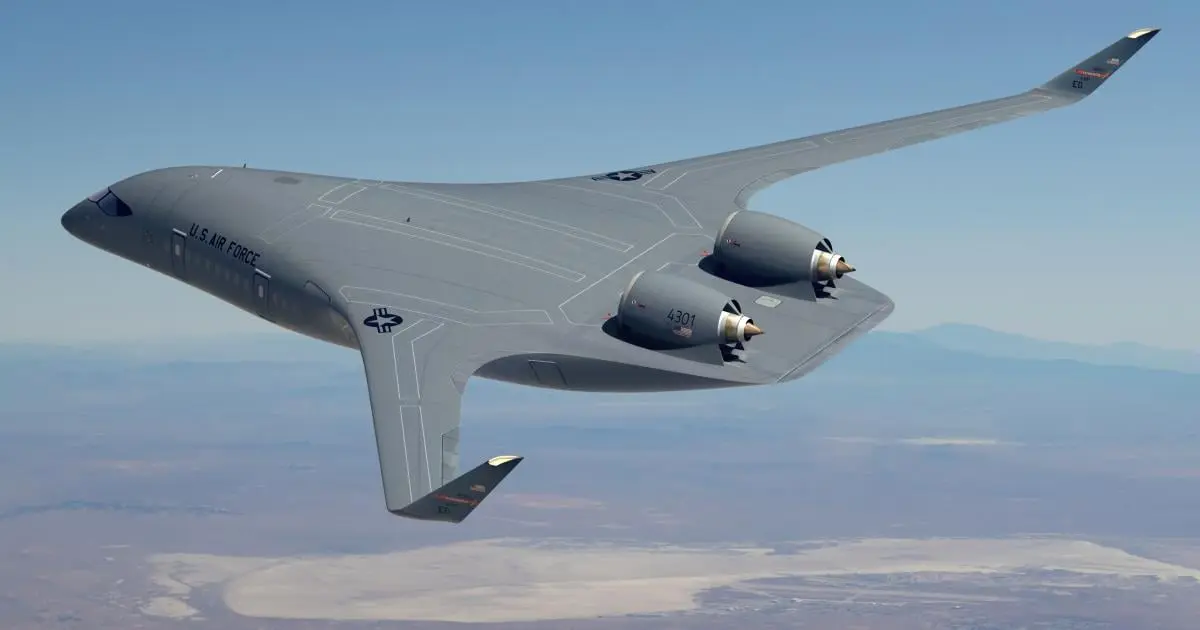
The realistic path hybrid options
Research now focuses on hybrid electric and hydrogen fuel cell systems to cut fuel burn, using batteries for bursts and turbines or fuel cells for cruise. This is likely to help subsonic transports or drones first, long before any fighter-class solar designs.
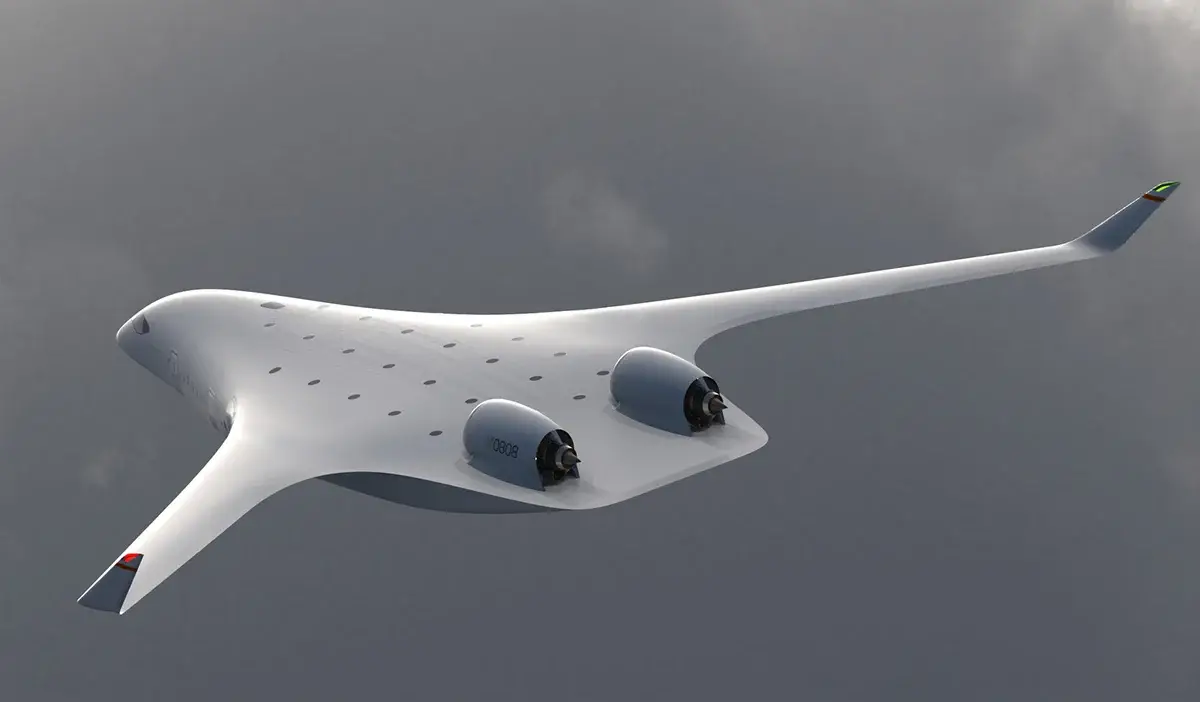
Bottom line, what to expect next
Solar will serve niche roles such as surveillance drones and stratospheric platforms with very large wings. Fighters will keep kerosene or hybrid power. Real progress needs big leaps in battery or fuel cell energy density, not more panels on small fast jets.
)
)
)
)
)