When two NATO submarines packed with nuclear weapons collided in the middle of nowhere!

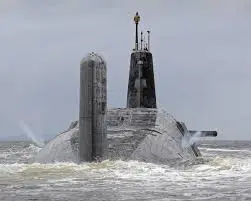
In early 2009, the Royal Navy’s HMS Vanguard and the French Navy’s Le Triomphant, both nuclear-powered ballistic missile submarines, collided deep in the North Atlantic.
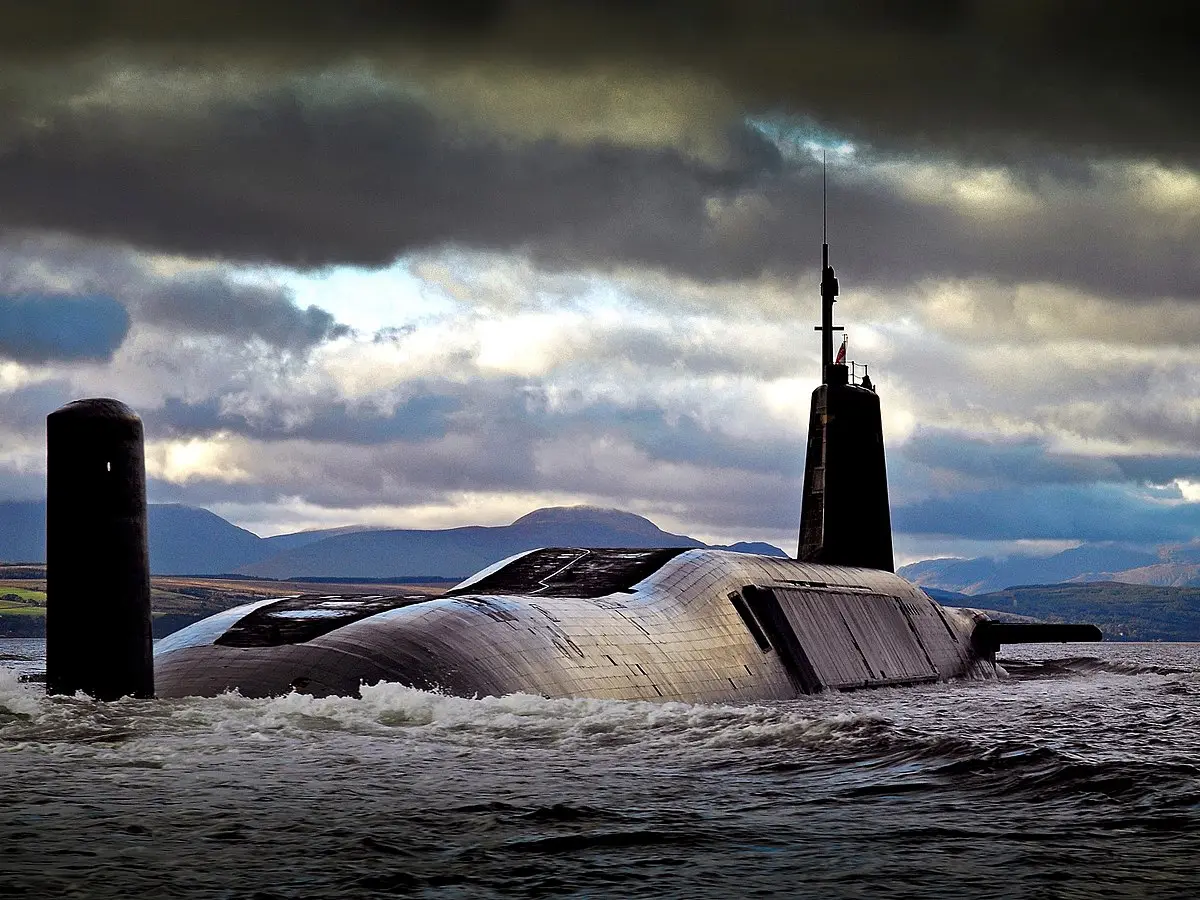
Silent giants beneath the sea
Two nuclear-armed submarines from Britain and France collided deep in the Atlantic, an event so improbable it stunned naval experts worldwide. Both vessels were on top-secret patrols, armed with ballistic missiles capable of destroying entire cities, yet they struck each other silently beneath thousands of miles of open sea. In early 2009, the Royal Navy’s HMS Vanguard and the French Navy’s Le Triomphant, both nuclear-powered ballistic missile submarines, collided deep in the North Atlantic. Each vessel displaces over 15,000 tonnes submerged and can remain underwater for months without detection. But, how could the most advanced, stealthy war machines on Earth become invisible even to each other? The incident remains one of the Cold War’s strangest aftershocks, a story of hidden patrol routes, nuclear deterrence and a collision that was never meant to happen.
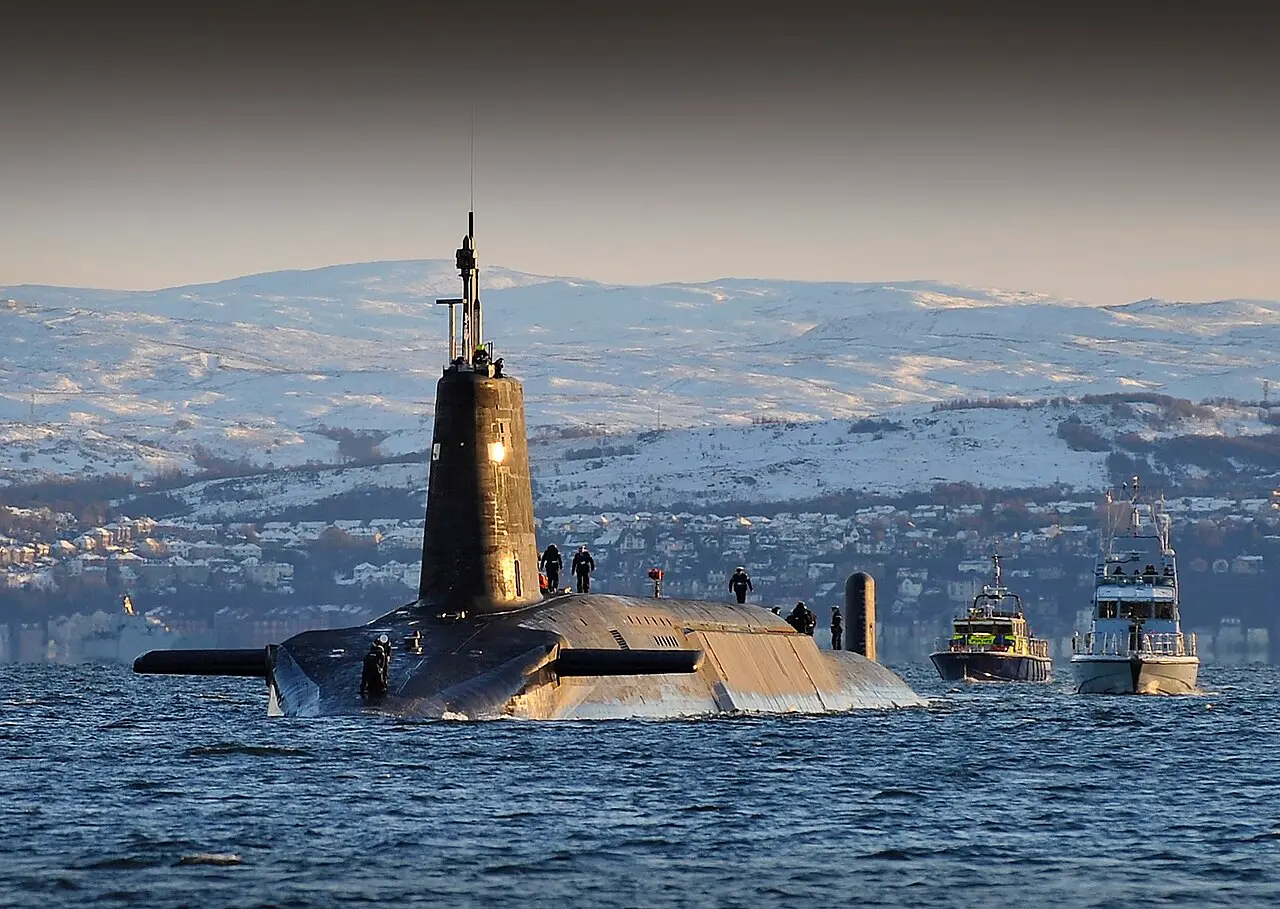
The boats and their hidden missions
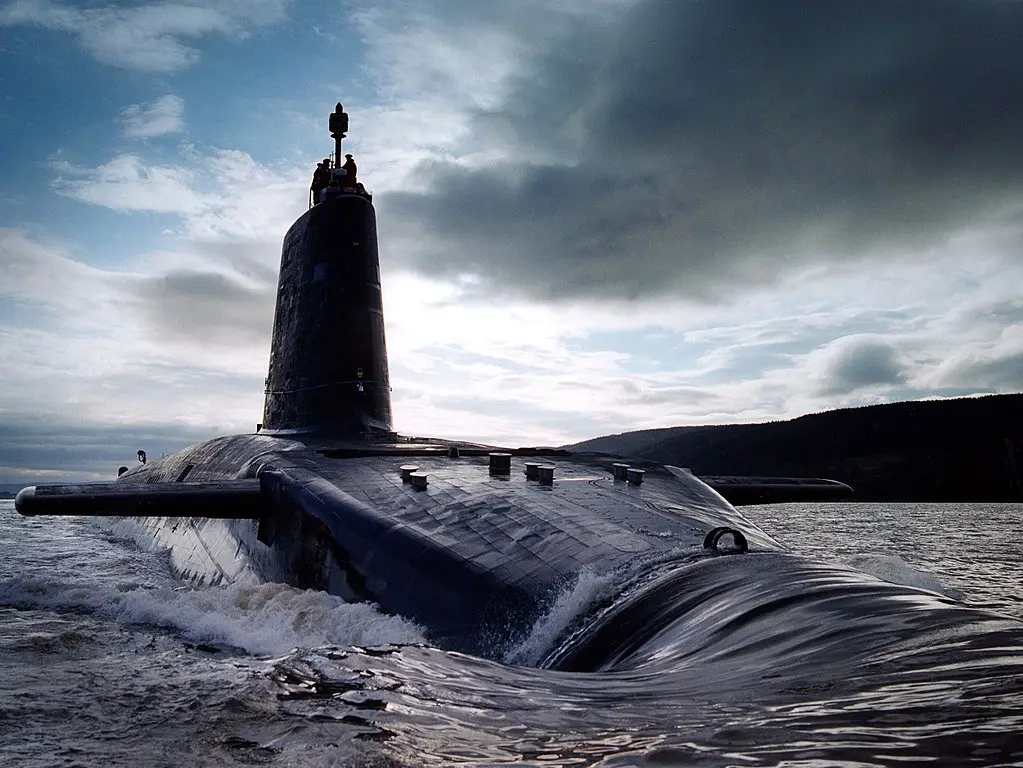
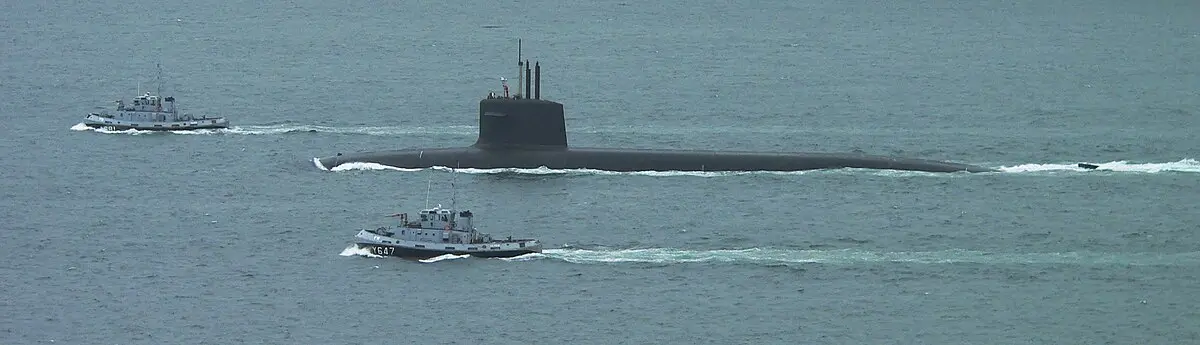
HMS Vanguard, launched in 1992, is the lead boat of Britain’s Vanguard class, carrying 16 Trident II D5 missiles. It replaced the earlier Resolution class as part of the UK’s continuous at-sea deterrent. Le Triomphant, introduced in 1997, is the first of France’s Triomphant class, armed with 16 M45 submarine-launched ballistic missiles. These submarines rarely reveal their patrol areas, moving slowly and quietly in vast stretches of ocean to remain hidden.
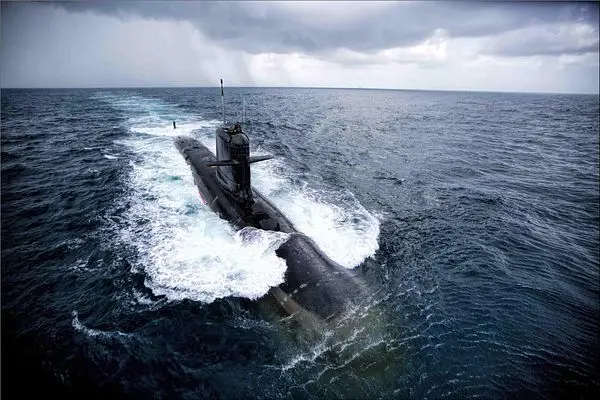
The improbable collision
In February 2009, With a crew of 135 people, HMS Vanguard was on a routine patrol in the Eastern Atlantic Ocean, whereas Le Triomphant, with a crew of 111, was reportedly returning home from a tour of duty, when they collided underwater. Initial reports were limited, but later details suggested the impact happened at low speed, possibly while both were travelling at just a few knots. Despite each carrying nuclear missiles and reactors, neither vessel suffered catastrophic damage or any radiation leak, though Vanguard returned to port with visible dents and scrapes on its hull.
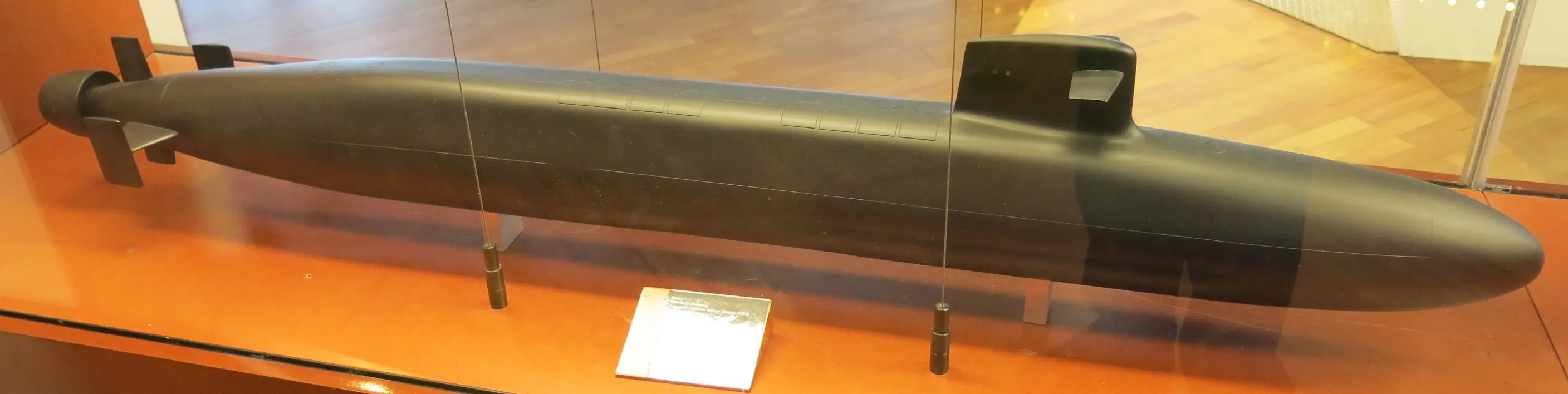
How could it happen
Ballistic missile submarines like these rely on stealth above all else. They do not actively use sonar during patrols to avoid detection, instead listening passively for other vessels. Because both submarines are engineered to be extremely quiet and evade even passive sonar, each failed to detect the other’s presence, a rare case where both boats succeeded in remaining invisible, even to each other.
Damage and repair
Following the collision, HMS Vanguard needed significant repairs to its outer hull and sonar equipment and returned to service after several months in dry dock. Le Triomphant also sustained damage, though it managed to sail home under its own power. Crucially, the impact did not affect the missile compartments, so both nations’ deterrent capability remained intact.
Lessons and secrecy
Although no nuclear leaks or radiation were reported, the incident highlighted the risks associated with deploying nuclear-powered vessels. The incident underlined the effectiveness, and danger, of modern nuclear submarines designed to disappear completely from view. While both the British and French navies confirmed the collision in brief statements, detailed operational accounts remain classified. It is still considered one of the most secretive submarine accidents ever recorded.
A quiet reminder of hidden power
Though these submarines have never launched a missile in combat, their constant, silent presence beneath the ocean forms the backbone of national nuclear strategy. The 2009 collision remains a stark reminder of the unseen risks faced by crews on patrol, commanding vessels armed with devastating power, gliding through the darkest depths where even allies can become invisible threats.
)
)
)
)
)