When the United States offered $100 million in gold to buy Greenland and Denmark said no!

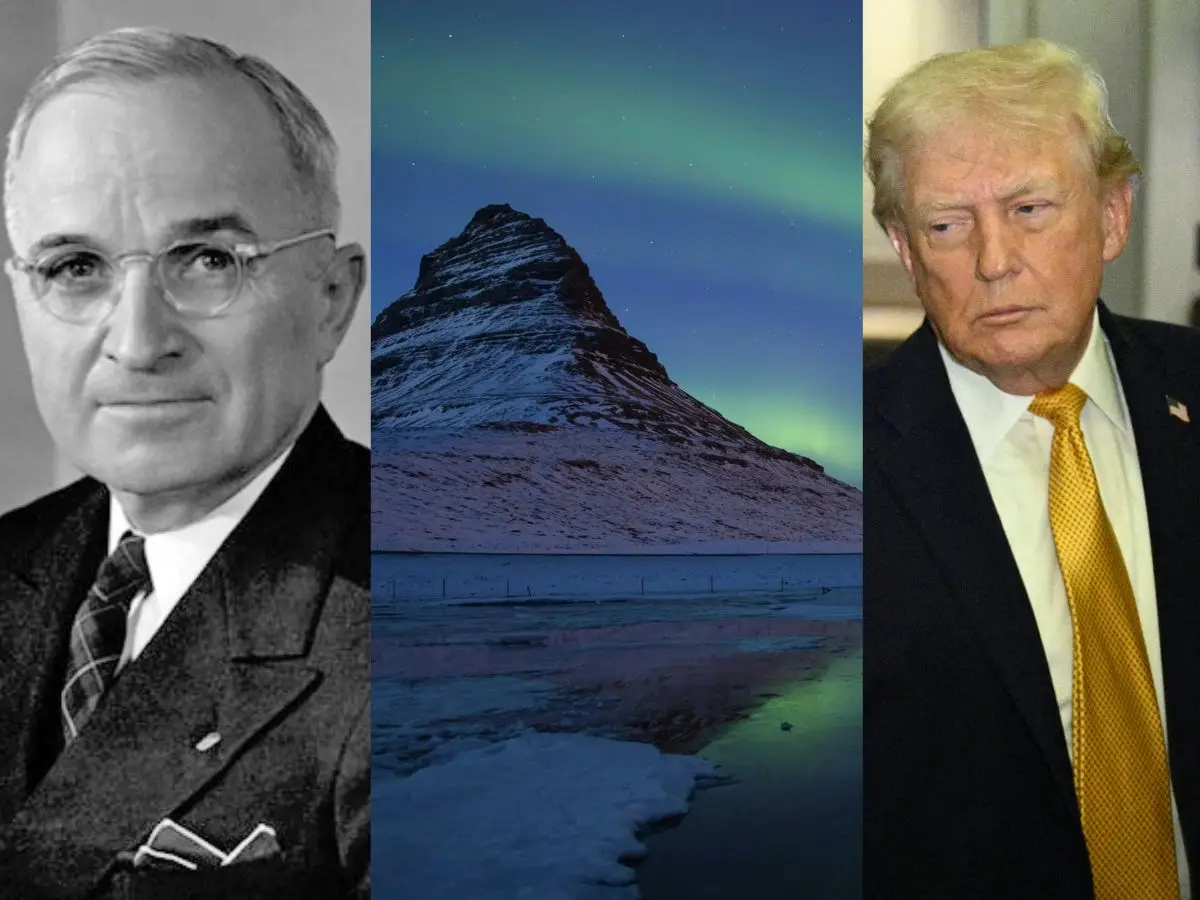
Less widely known, however, is that the idea of acquiring the island did not originate with Donald Trump, but dates back to US President Harry Truman, under whose administration Washington made a formal attempt to buy Greenland.
A Look at the US History of Arctic Ambitions
Greenland has once again become a subject of international debate after US President Donald Trump reiterated that the United States 'needs' the Arctic island for national security, remarks that followed a recent US military operation in Venezuela. Danish and Greenlandic leaders have strongly rejected any suggestion of US control or annexation of the island, insisting that Greenland is 'not for sale' and emphasising respect for its sovereignty and self‑government. This exchange has revived a long-running debate about Greenland’s role in global strategy. Less widely known, however, is that the idea of acquiring the island did not originate with Donald Trump, but dates back to US President Harry Truman, under whose administration Washington made a formal attempt to buy Greenland.
A Post‑War Proposal with Cold War Roots
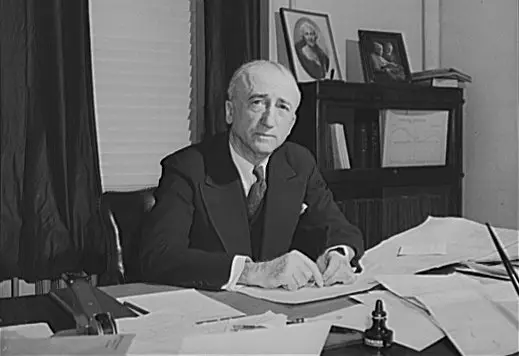
In the aftermath of the Second World War, as global tensions shifted rapidly toward a new confrontation with the Soviet Union, the United States made an extraordinary diplomatic overture to Denmark. According to the AP's account of the National Archives papers, in December 1946, US Secretary of State James F. Byrnes proposed that Washington purchase Greenland outright for $100 million in gold bullion and the rights to a patch of Alaskan oil. The offer was delivered privately to Danish Foreign Minister Gustav Rasmussen during talks in New York, reflecting American strategic thinking on Arctic defence rather than a public bargain.
Why Washington Made the Offer
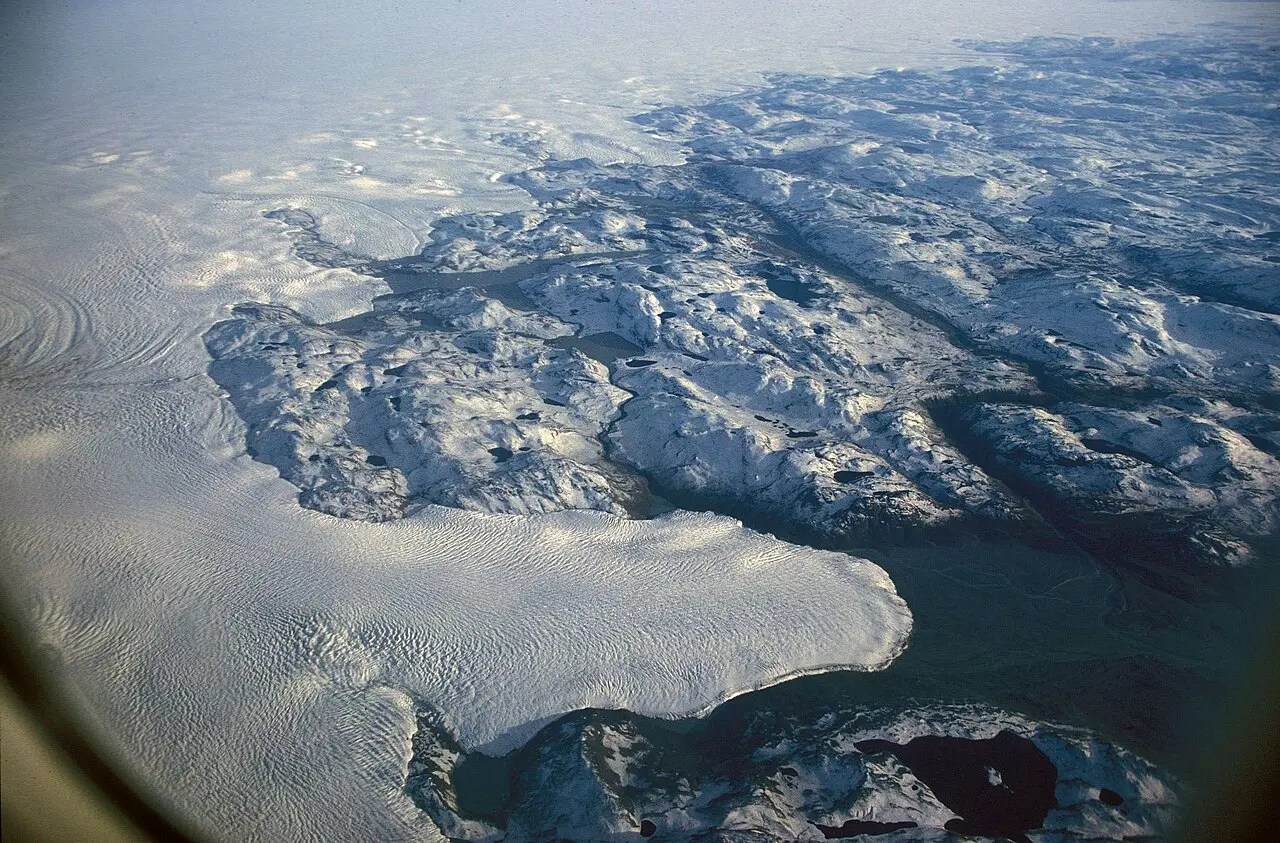
The proposal emerged from concerns within the US military and State Department about Greenland’s value as a geopolitical asset in the early Cold War. At the time, Greenland’s vast icebound expanse was seen as a key vantage point over polar routes between the United States and the Soviet Union, and its location was considered essential for early warning and air defence systems against potential Soviet bombers. Joint Chiefs of Staff planners described the island as 'indispensable' to US security, and buying it outright would have clarified US military rights there.
A Surprised Danish Response
The Danish government was taken aback by the proposition. Although no formal rejection was issued on the spot, Danish officials made clear they were not inclined to sell the territory. They saw Greenland not as an expendable possession but as part of Denmark’s heritage and sovereignty, despite the island’s limited economic contribution.
What the Archived Documents Reveal
According to AP, the National Archives documents provide an account of the 1946 exchange. After exploring alternative security arrangements for Greenland, US Secretary of State James F. Byrnes reportedly suggested to Danish Foreign Minister Gustav Rasmussen that an outright sale to the United States “would be the most clean-cut and satisfactory” solution. Byrnes noted, "Our needs ... seemed to come as a shock to Rasmussen, but he did not reject my suggestions flatly and said that he would study a memorandum which I gave him."
Other Options Were Discussed
One option considered at the time was a land swap: the United States would have traded territory in Alaska’s Point Barrow district for portions of Greenland deemed strategically important for military purposes. Instead of an outright purchase, this arrangement would have allowed the US to establish a military presence while Denmark retained sovereignty. Under the proposed plan, Denmark would have secured the rights to any oil discovered in the Alaskan district, but would have been required to sell that oil to the United States.
The Deal Remained Secret for Decades
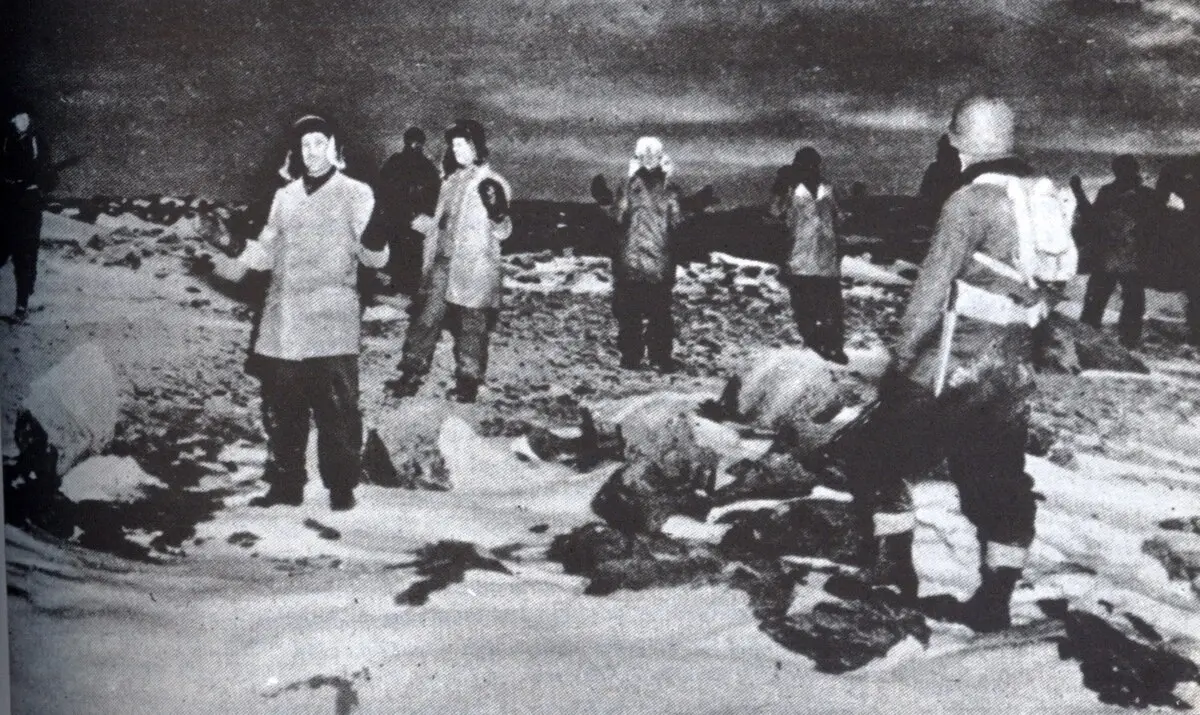
But the Truman administration pitched this offer under Cold War secrecy and no one learned about it for decades. The 1946 offer was little more than a footnote in diplomatic history. Discovery of the documents, which have been declassified since the early 1970s, was first reported by the Copenhagen newspaper Jyllands-Posten, says AP.
Continued Strategic Cooperation
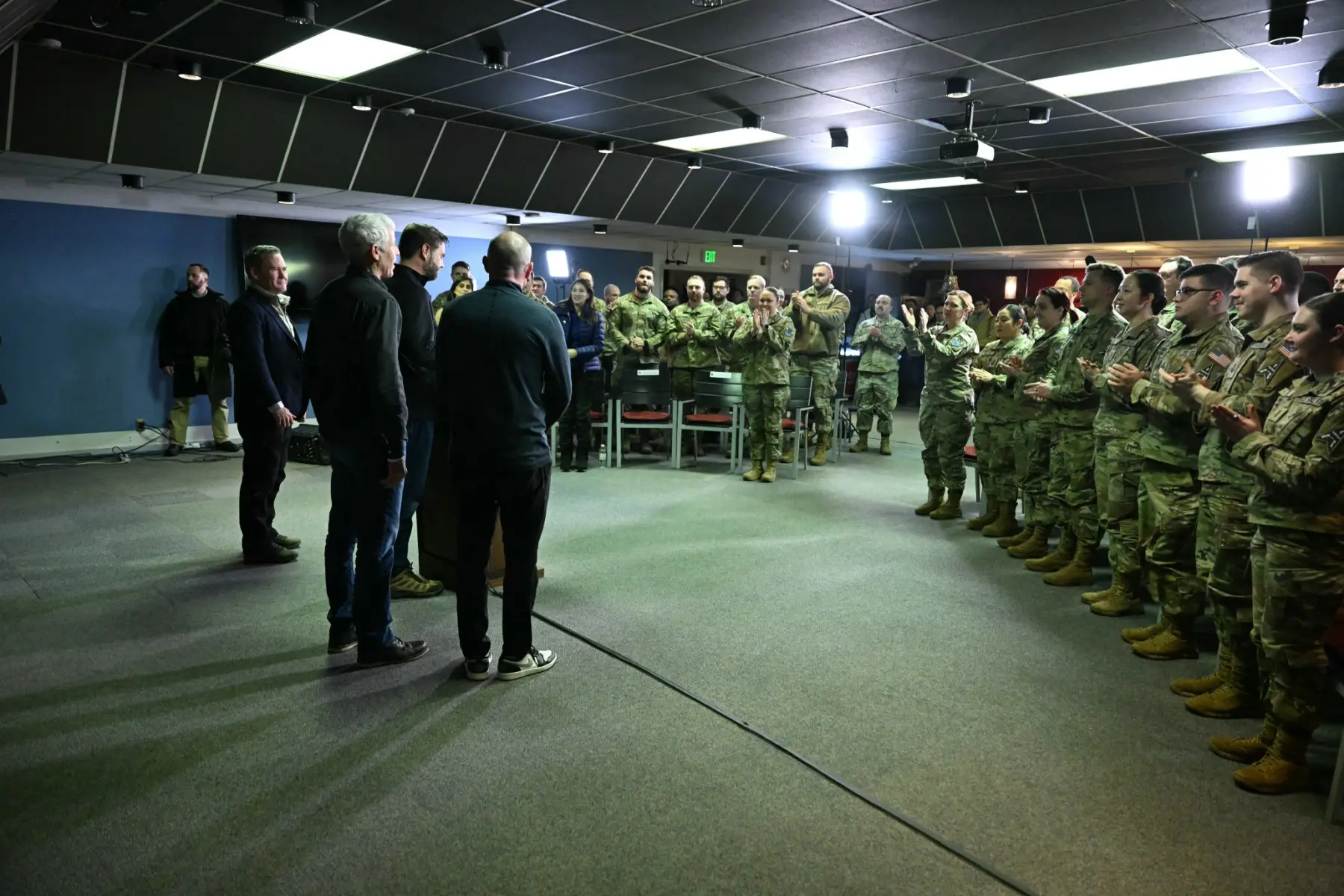
Rather than a sale, the United States and Denmark formalised their military partnership through the 1951 defence agreement, allowing the US to operate bases in Greenland under NATO auspices. The most prominent of these is the air installation at Thule, now known as Pituffik Space Base, which became crucial to missile warning and northern defence networks.
)
)
)
)