Power, politics, and death: The most famous assassinations in world history

Assassinations and targeted killings change the course of nations. Such events can potentially spark wars, political upheaval, and lead to periods of great instability. Below are some of the most well-known assassinations that have left a lasting mark on global history.
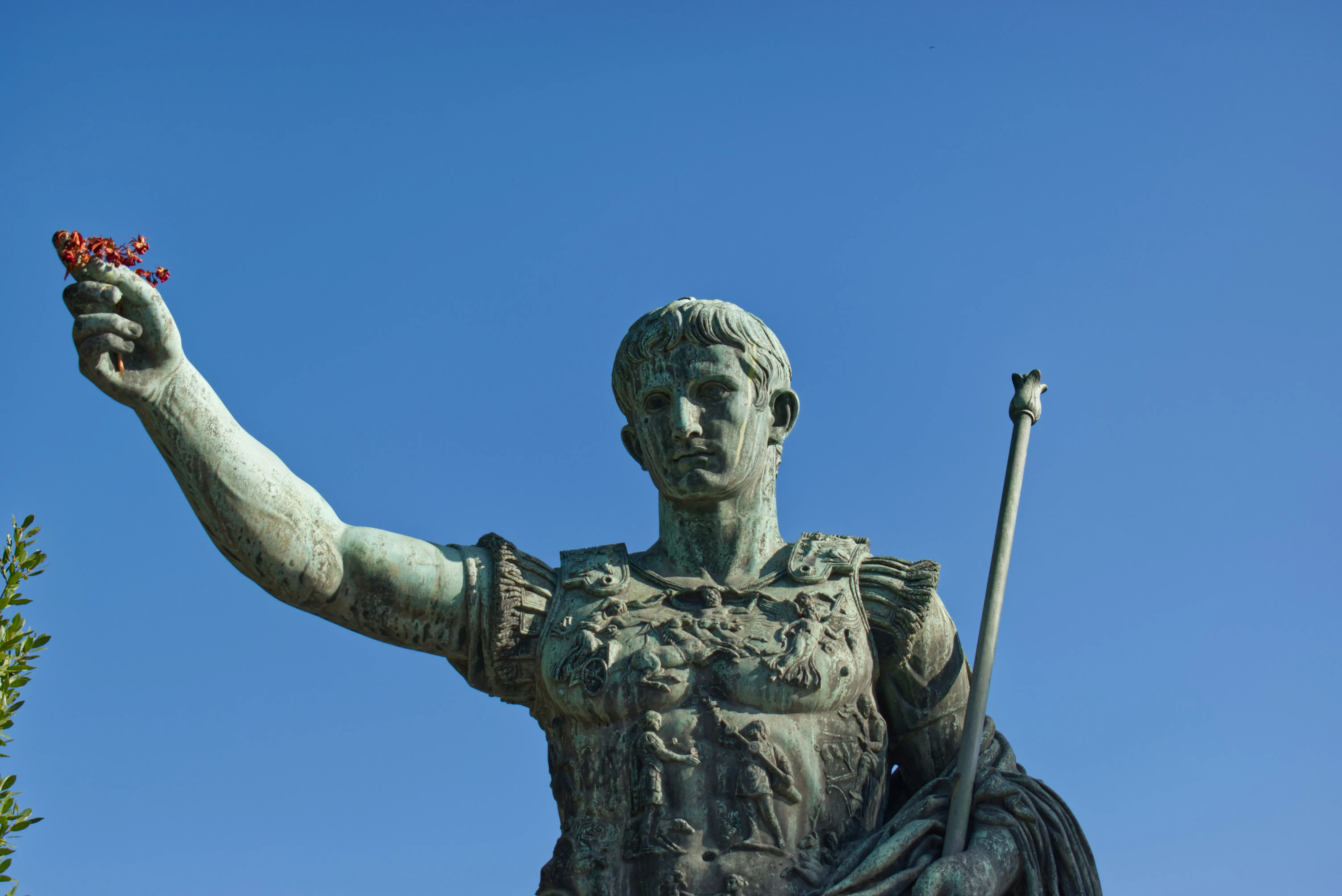
Julius Caesar
Julius Caesar was a powerful leader in ancient Rome, respected and feared by many. In 44 BCE, he was surrounded by a group of senators, who stabbed him to death in the Senate. Caesar’s murder led to chaos and the eventual rise of the Roman Empire.
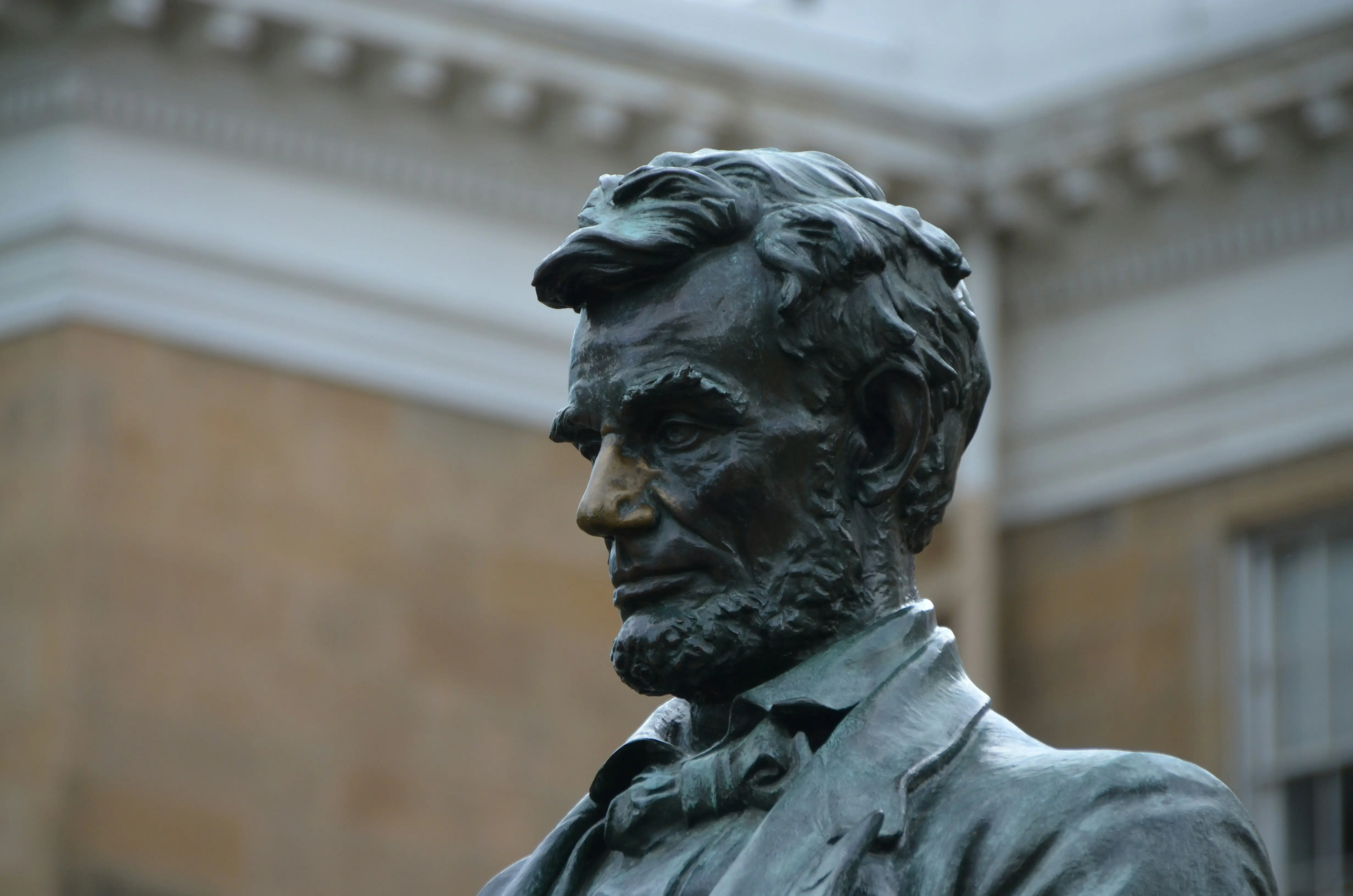
Abraham Lincoln
Abraham Lincoln, the respected 16th President of the United States, was known for ending slavery and leading the country through the Civil War. In 1865, he was shot while watching a play in Washington by John Wilkes Booth, a man unhappy with Lincoln’s policies. The President’s sudden death shocked the whole nation.
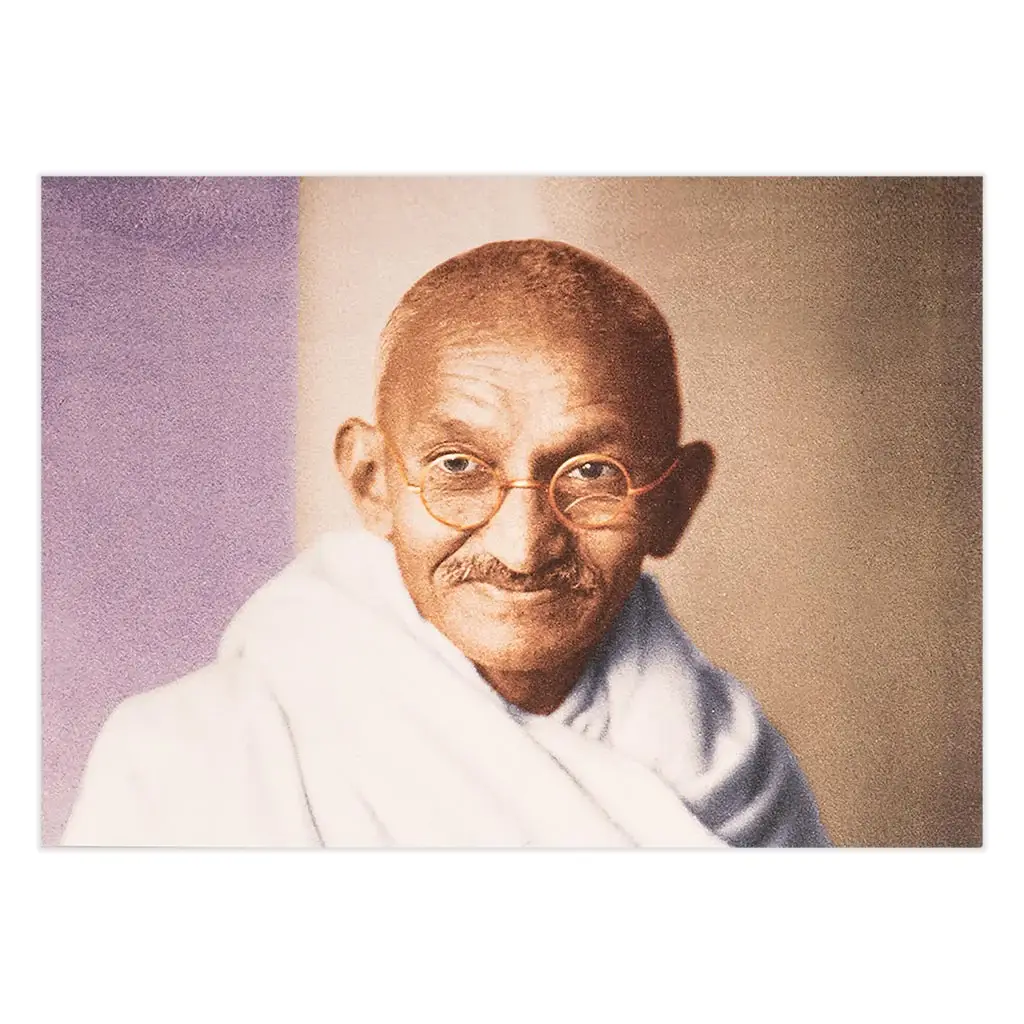
Mahatma Gandhi
Mahatma Gandhi, India’s greatest freedom fighter, believed in peace and non-violence. On 30 January 1948, he was shot while walking to a prayer meeting in Delhi by Nathuram Godse. Mahatma Gandhi’s passing caused heartbreak across India and around the world. His ideals and message of peace continue to inspire millions today.
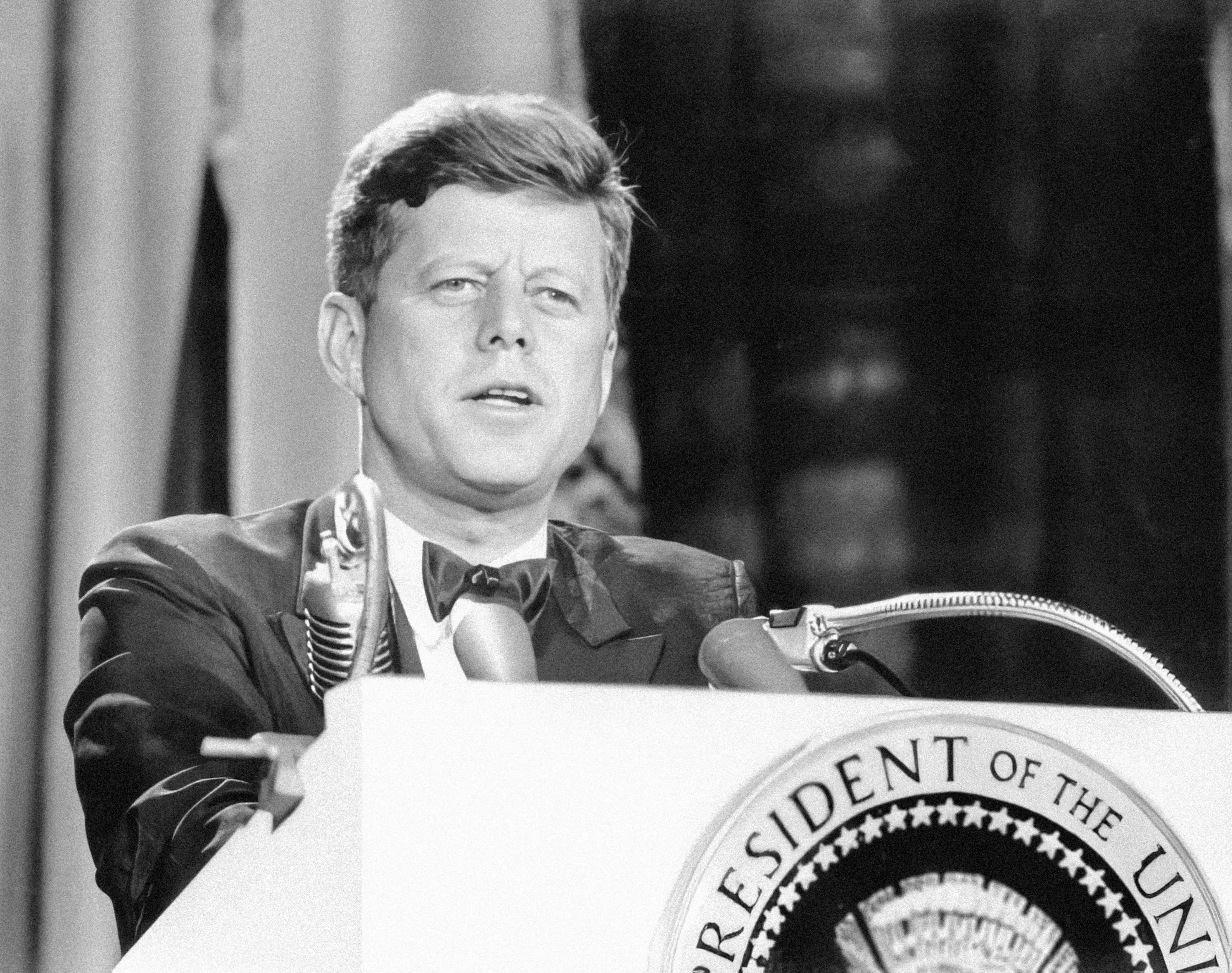
John F. Kennedy
John F. Kennedy, the youngest American President, was admired for his hope and new ideas. In November 1963, he was riding in an open car in Dallas when he was shot by Lee Harvey Oswald. Kennedy’s assassination left the nation in deep shock and sadness. The event led to many questions and countless conspiracy theories.
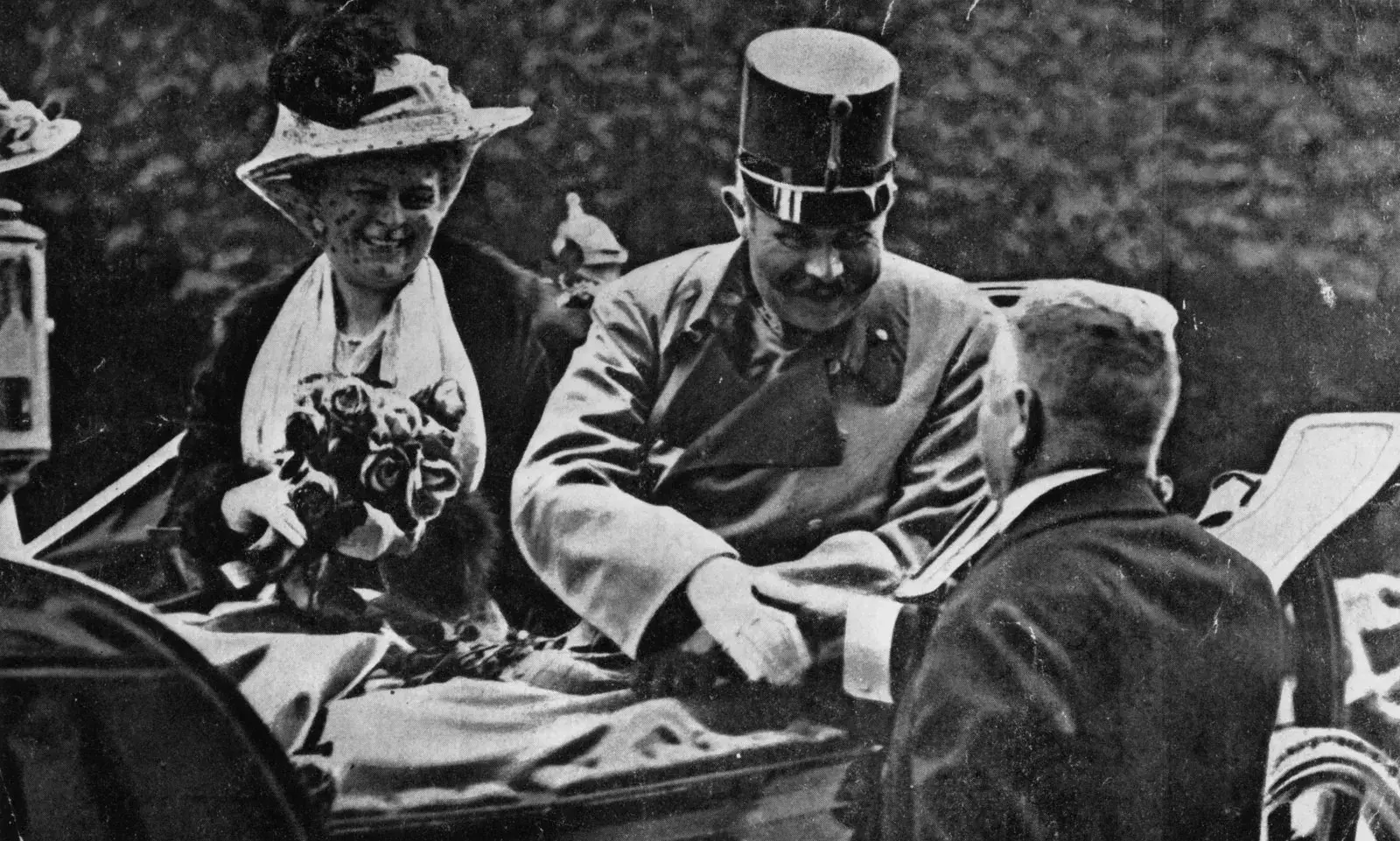
Archduke Franz Ferdinand
Archduke Franz Ferdinand of Austria-Hungary was killed in Sarajevo in June 1914. Gavrilo Princip, a young Serbian nationalist, shot him and his wife while they were driving through the city. Ferdinand’s death was the spark that started World War I, drawing many countries into a global conflict.
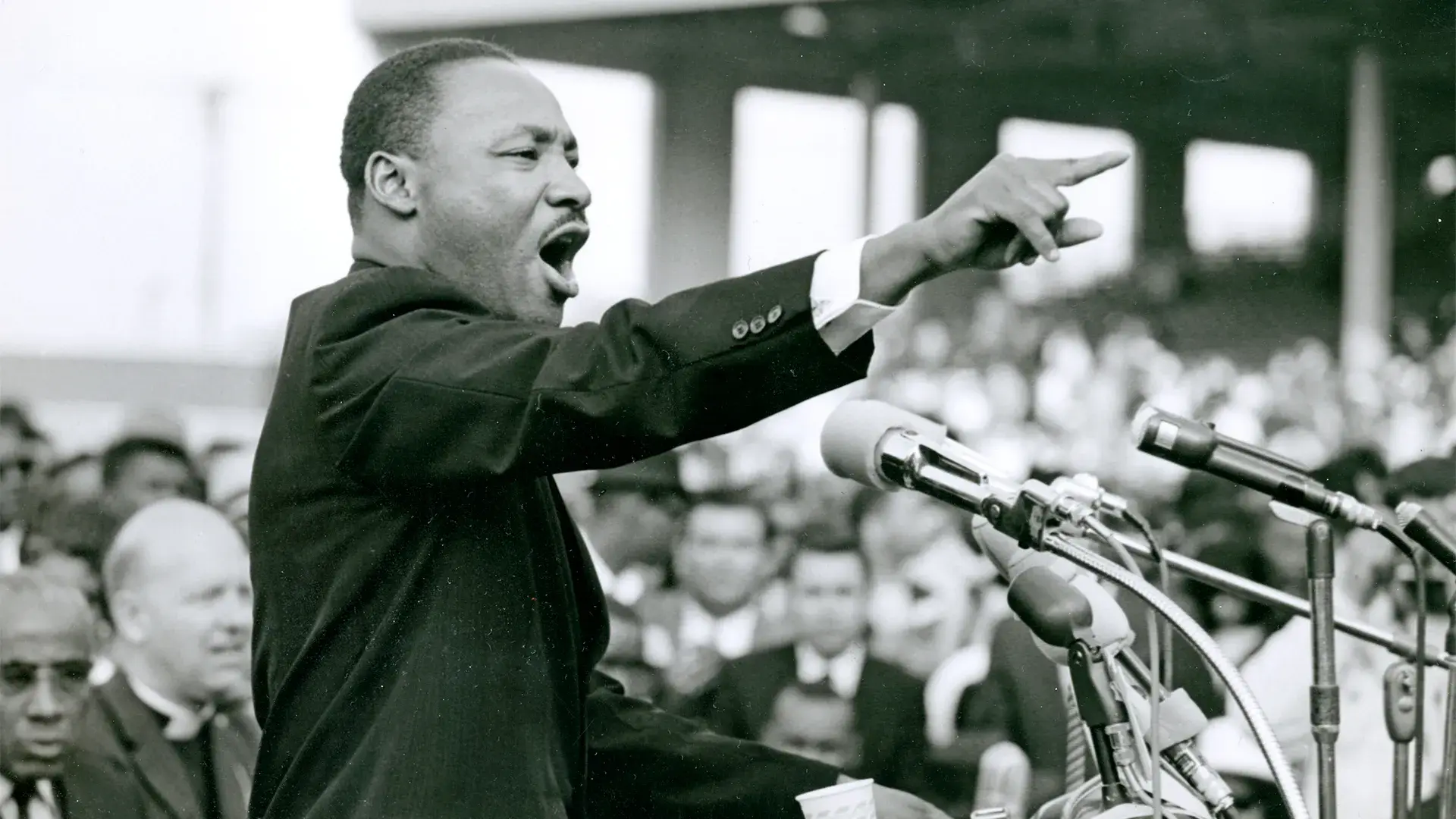
Martin Luther King Jr.
Martin Luther King Jr. was a key voice for civil rights in America, fighting for equality and justice. On 4 April 1968, he was shot in Memphis, Tennessee, while standing on the balcony of his hotel room. Martin Luther King’s death caused anger and sorrow across the United States. Even today, his dreams of equality and peace are remembered and celebrated.
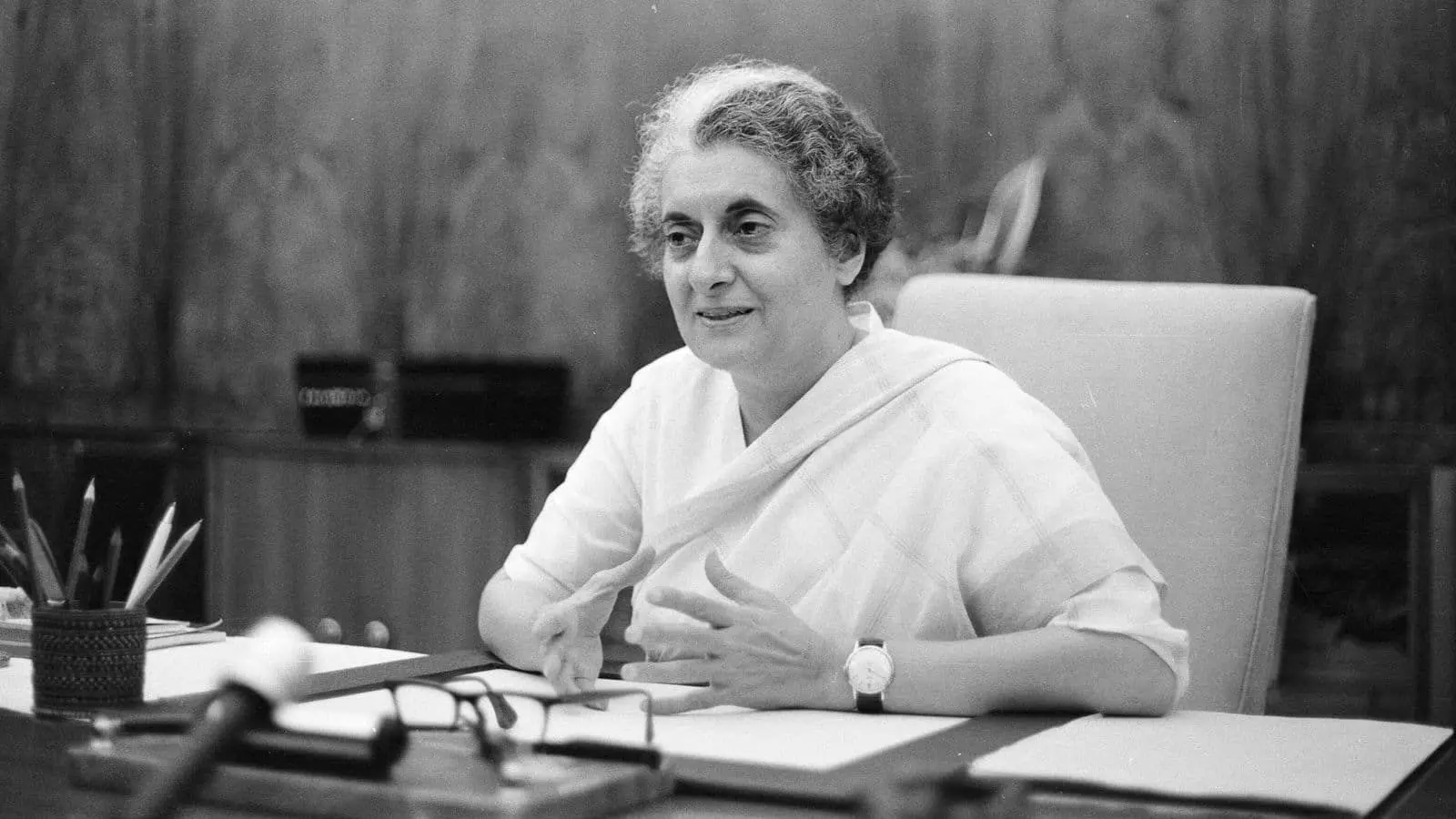
Indira Gandhi
Indira Gandhi, India’s first woman Prime Minister, led the country through many tough times. In 1984, her own bodyguards shot her at her home in New Delhi. News of her death brought deep grief and sparked riots in several cities. India lost a strong leader and a symbol of women’s strength.
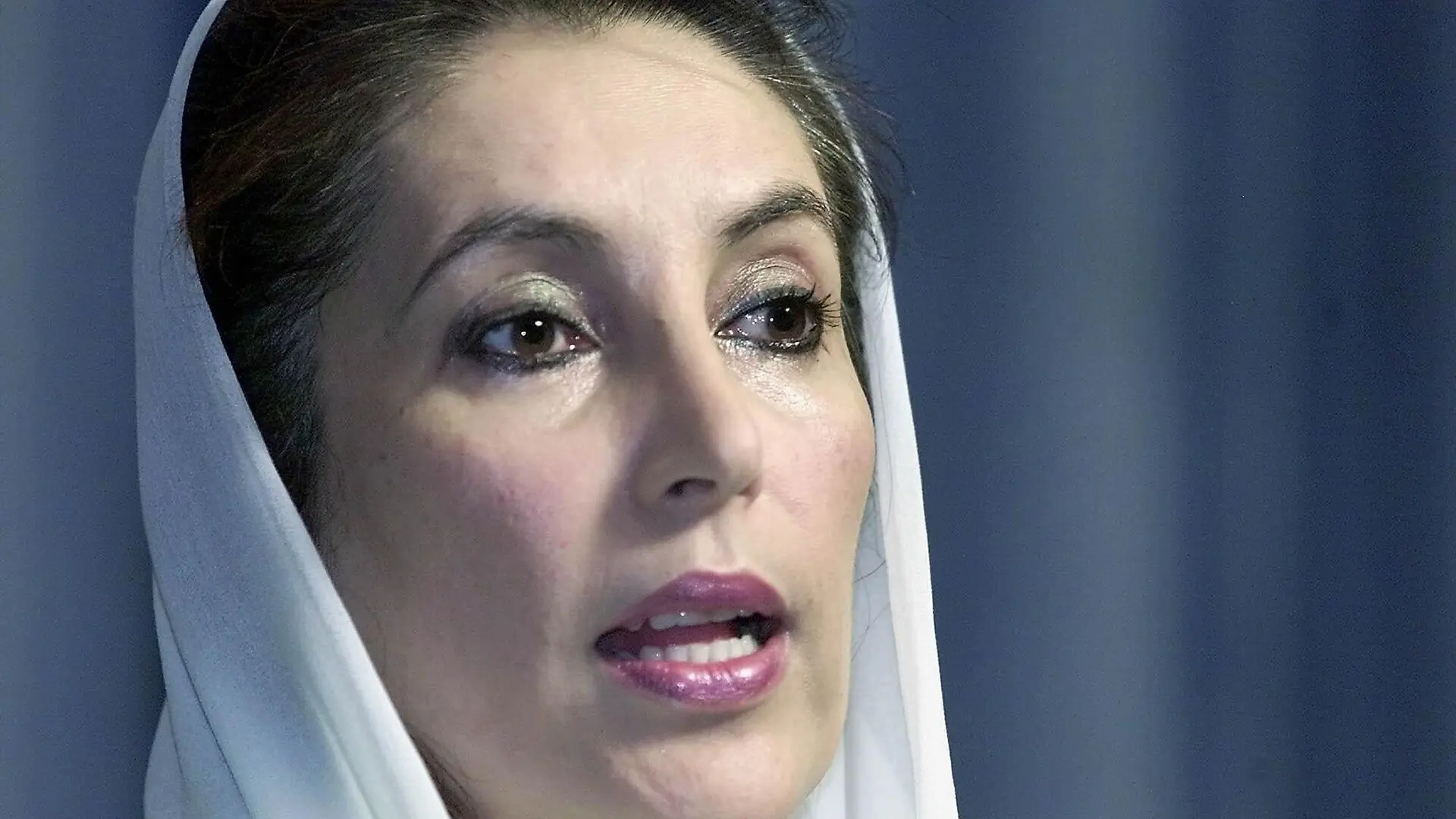
Benazir Bhutto
Benazir Bhutto became Pakistan’s first woman Prime Minister and inspired millions. In 2007, she was killed in a violent attack at an election rally, shocking people all over the world. Her death caused unrest and political uncertainty in Pakistan. Bhutto remains a symbol of courage for many in her country.
)
)
)
)
)