When pilots became the threat: Airliner crashes that shocked the world

Commercial pilots deliberately crashing their own aircraft is extremely rare. Here are four tragic cases, including Germanwings, LAM Mozambique and EgyptAir
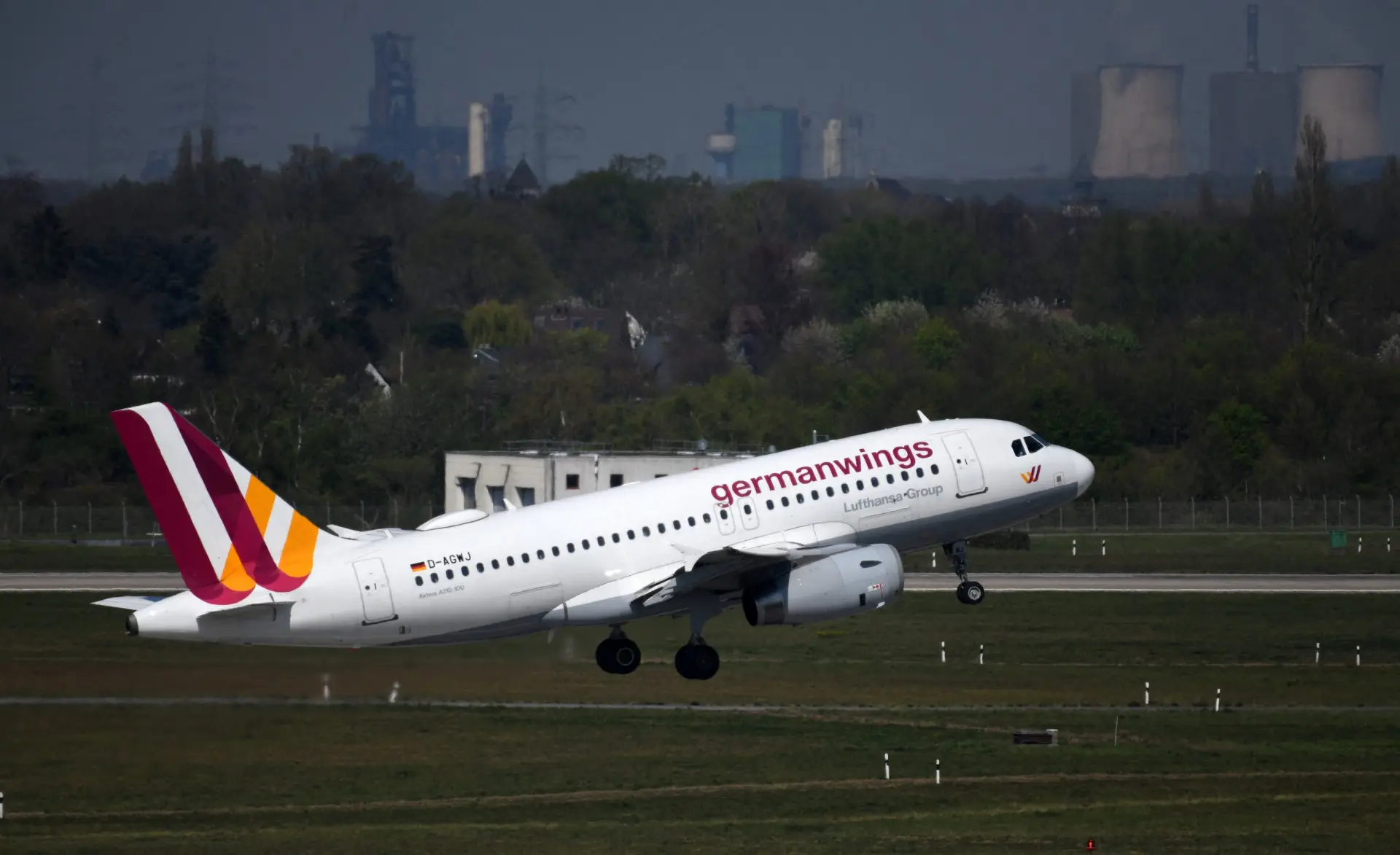
Germanwings 9525: Co-pilot deliberately crashed Airbus A320
On March 24, 2015, Germanwings Flight 9525 was flying from Barcelona to Düsseldorf when it crashed into the French Alps, killing all 150 people aboard. Investigators concluded that co-pilot Andreas Lubitz deliberately locked the captain out of the cockpit and initiated a controlled descent into mountainous terrain. The Airbus A320 continued descending despite repeated attempts by the captain and air traffic controllers to make contact. The disaster triggered major changes to cockpit access procedures and renewed scrutiny of pilot mental-health safeguards across the aviation industry.
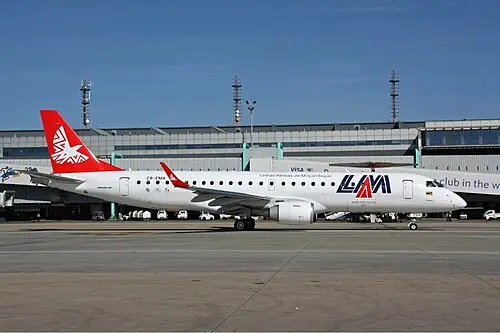
LAM Mozambique 470: Captain deliberately sent Boeing 737 into descent
LAM Mozambique Airlines Flight 470 crashed in Namibia on November 29, 2013, killing all 33 people aboard. The Boeing 737-800 was flying from Maputo to Luanda when investigators concluded that the captain intentionally changed the aircraft's flight settings and commanded it into a fatal descent. The aircraft descended rapidly before crashing into terrain in the Bwabwata National Park. Investigators said the co-pilot had left the cockpit shortly before the fatal sequence began. The case remains one of the most significant examples of suspected deliberate pilot action in commercial aviation.
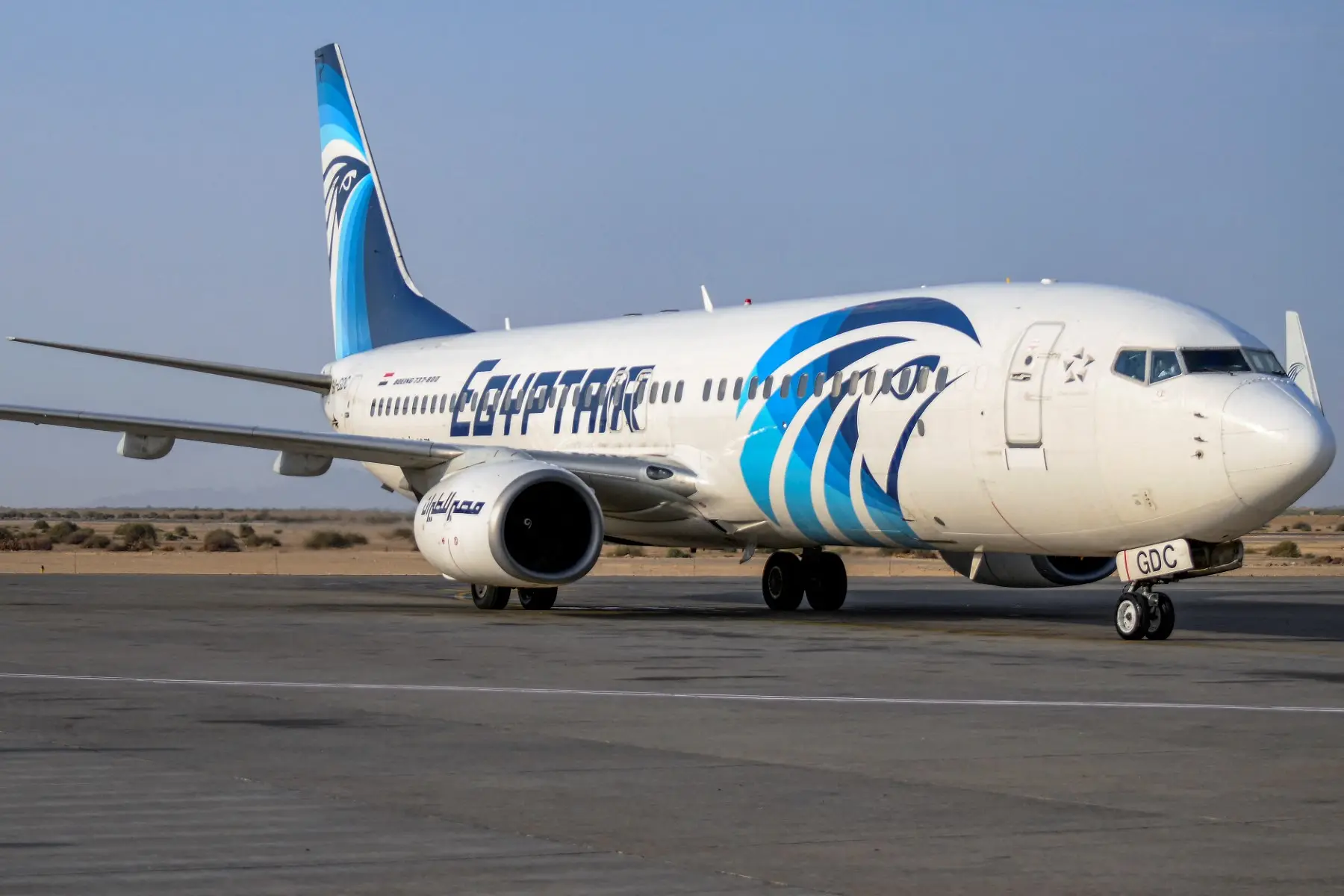
EgyptAir 990: Crash that triggered a dispute over pilot actions
EgyptAir Flight 990 crashed into the Atlantic Ocean off the coast of Massachusetts on October 31, 1999, killing all 217 people aboard. The Boeing 767 was flying from New York to Cairo when it suddenly entered a steep descent. The US National Transportation Safety Board concluded that the relief first officer's control inputs caused the aircraft's descent, but investigators could not establish his motive. Egyptian authorities disputed the US conclusion and attributed the crash to a mechanical problem. The contrasting findings have made EgyptAir 990 one of aviation's most debated disasters.
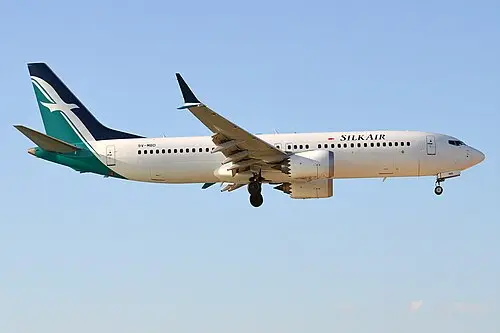
SilkAir 185: Pilot action suspected in fatal Boeing 737 crash
SilkAir Flight 185 crashed into Indonesia's Musi River on December 19, 1997, killing all 104 people aboard. The Boeing 737 was flying from Jakarta to Singapore when it suddenly entered a steep, high-speed descent before breaking apart. The US National Transportation Safety Board concluded that the crash was most likely caused by deliberate pilot action, while Indonesian investigators did not determine a definitive cause. The absence of a universally accepted explanation has kept the disaster controversial for decades and made SilkAir 185 another major case in discussions about deliberate pilot action.
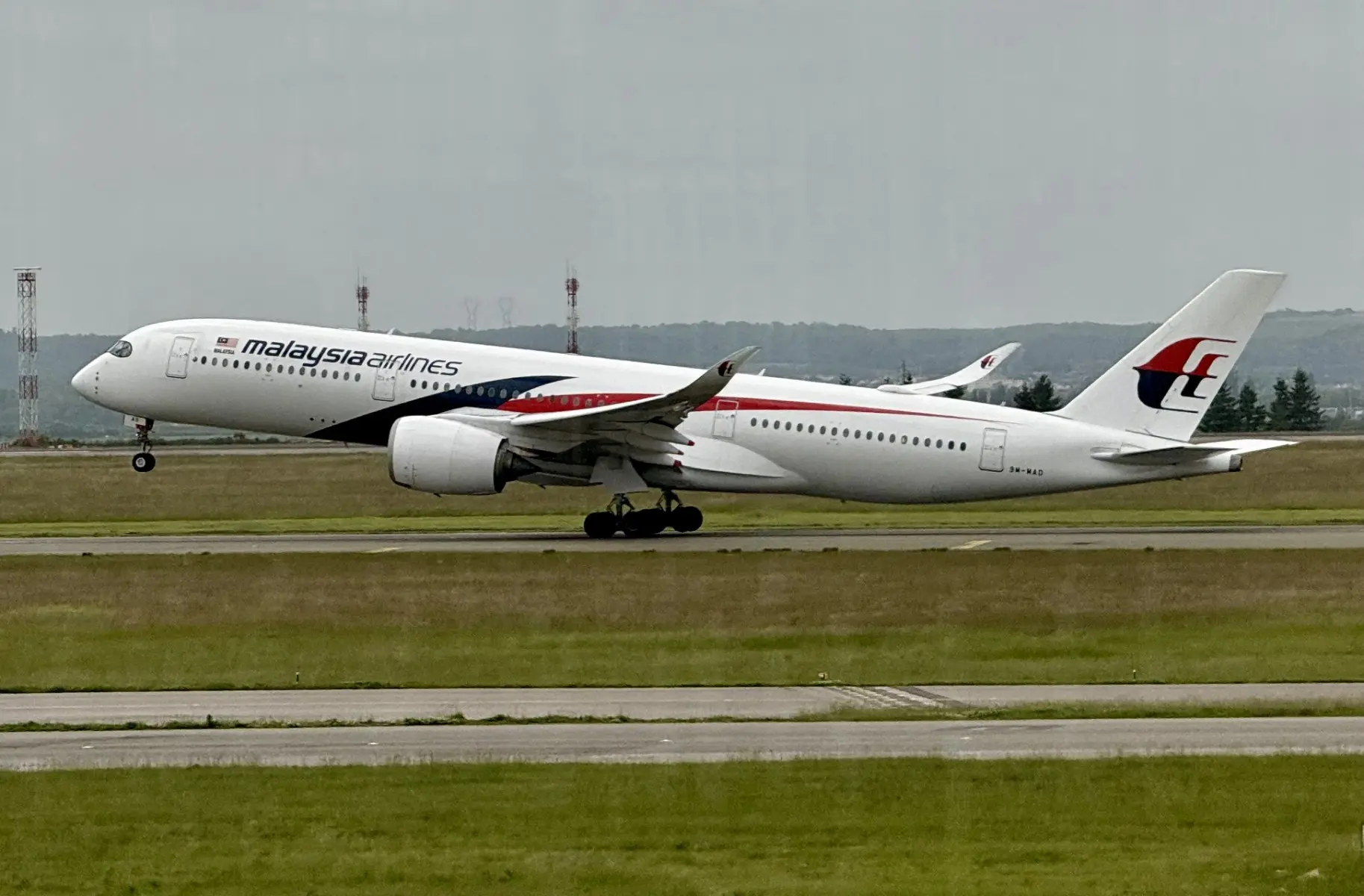
MH370: The flight mystery that still has no definitive answer
Malaysia Airlines Flight MH370 disappeared on March 8, 2014, while flying from Kuala Lumpur to Beijing with 239 people aboard. The Boeing 777 vanished from radar after contact was lost, while satellite data suggested it continued flying for several hours before heading towards the southern Indian Ocean. Several pieces of debris were later confirmed to belong to the aircraft, but its main wreckage and flight recorders remain missing. Investigators have been unable to establish definitively why the aircraft changed course, leaving MH370 one of aviation’s greatest unsolved mysteries.
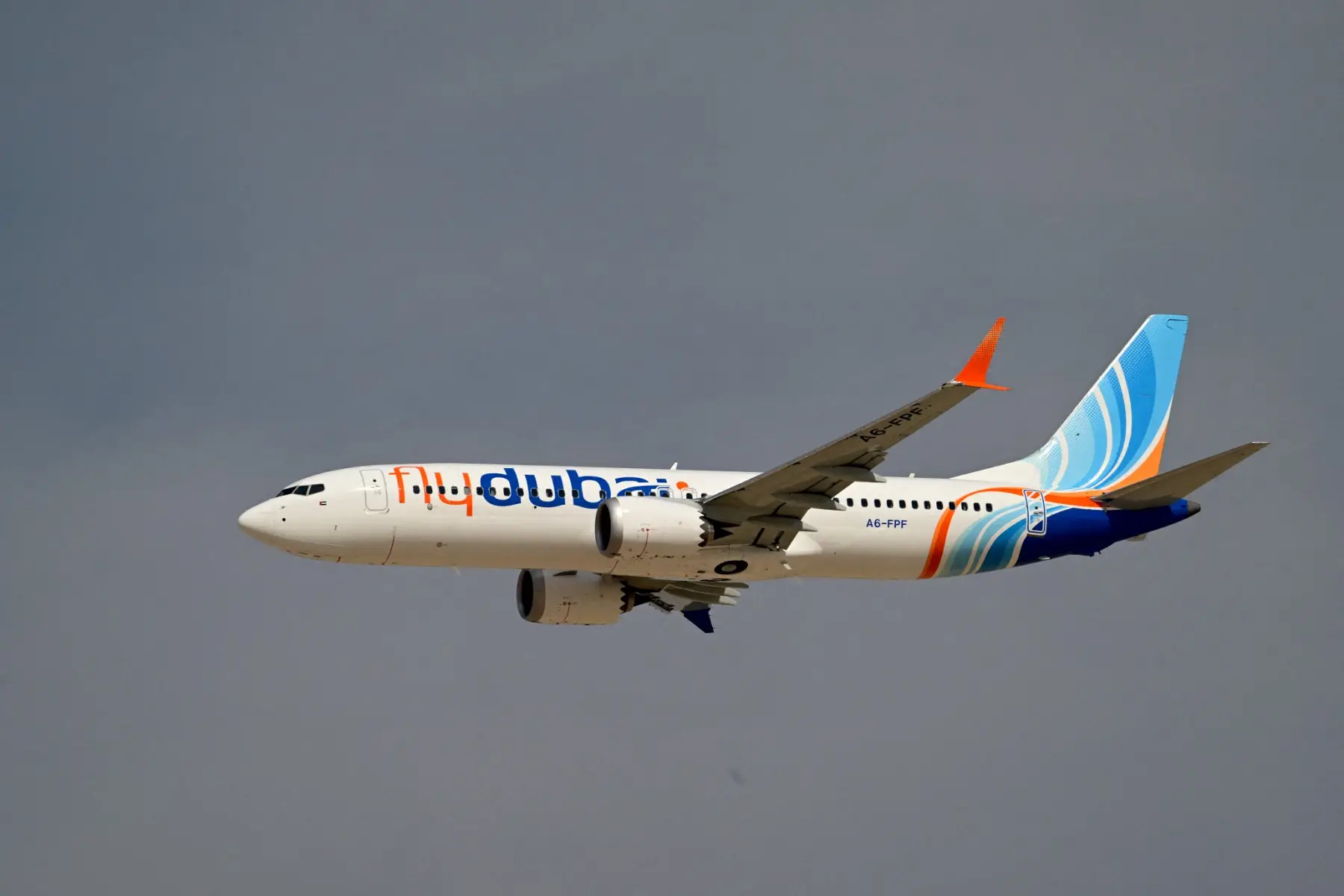
Flydubai FZ1073: Did a pilot try to crash the plane?
The Dubai–Tel Aviv flight was diverted to Saudi Arabia on September 30, 2026, after a violent cockpit confrontation. Israeli officials said the co-pilot allegedly attacked the captain and attempted to take control of the aircraft. The Boeing 737 experienced a dramatic descent before passengers, crew and other pilots helped regain control. Flydubai confirmed that an altercation occurred in the flight deck and said the aircraft was safely diverted to Tabuk, while the motives remain under investigation.
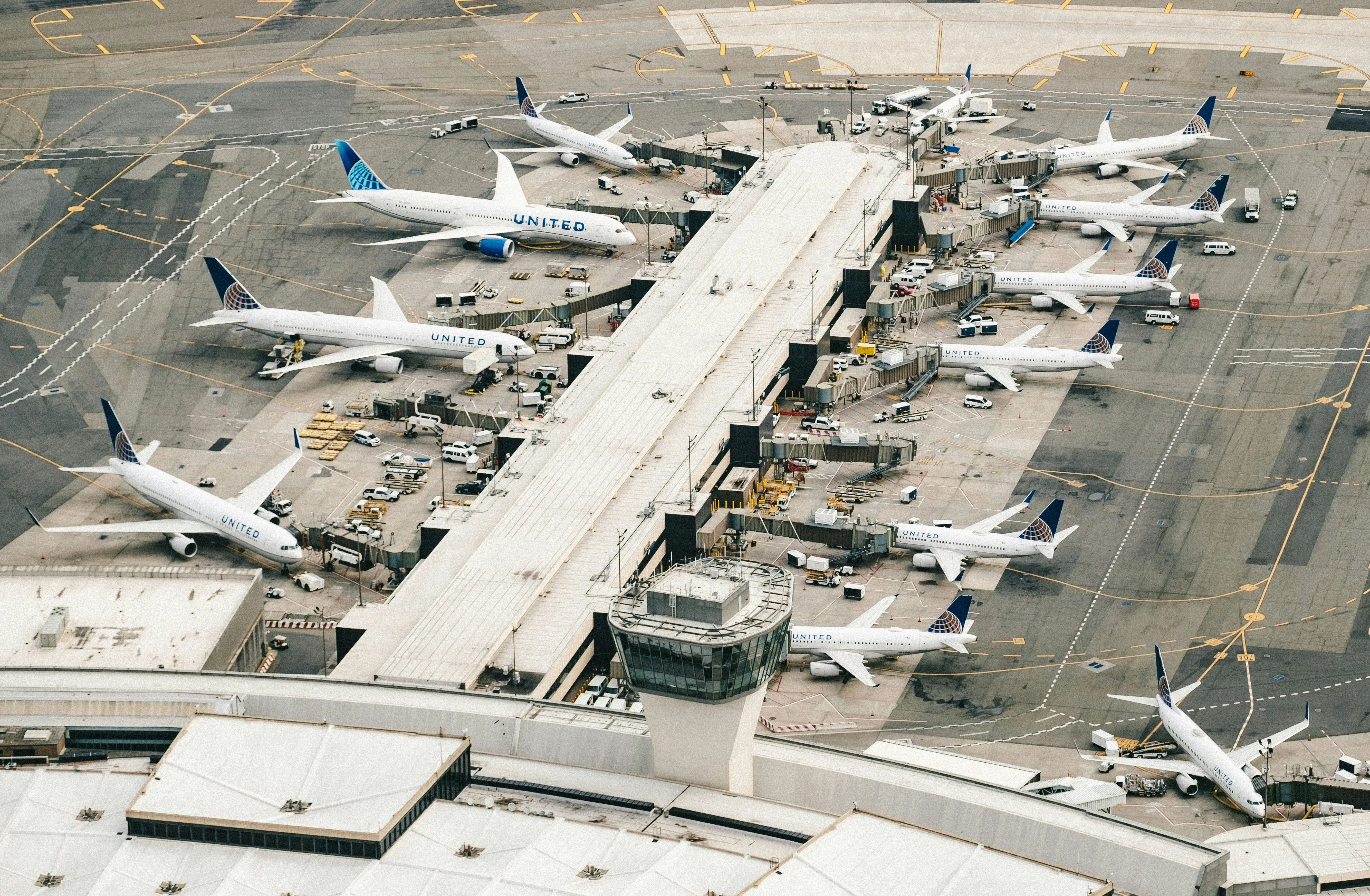
Why deliberate airliner crashes remain extremely rare
Cases involving pilots deliberately crashing commercial aircraft are extraordinarily uncommon compared with the enormous number of flights conducted worldwide. Millions of passengers travel safely by air each year, with commercial aviation operating thousands of flights every day. The handful of suspected or confirmed deliberate crashes have nevertheless had a profound impact on aviation safety. Following several disasters, airlines and regulators introduced or strengthened measures involving cockpit access, crew procedures and pilot support. The rarity of these cases is an important part of the story as investigators examine unusual incidents involving aircraft and their crews.
)
)
)
)
)