When NASA lost contact with Voyager 2: The 2023 error that nearly ended the mission

For NASA’s Jet Propulsion Laboratory, the prospect of losing this irreplaceable spacecraft felt entirely real, making what ought to have been a routine update one of the most nerve-wracking episodes in Voyager’s long career.
The July 2023 Communication Crisis
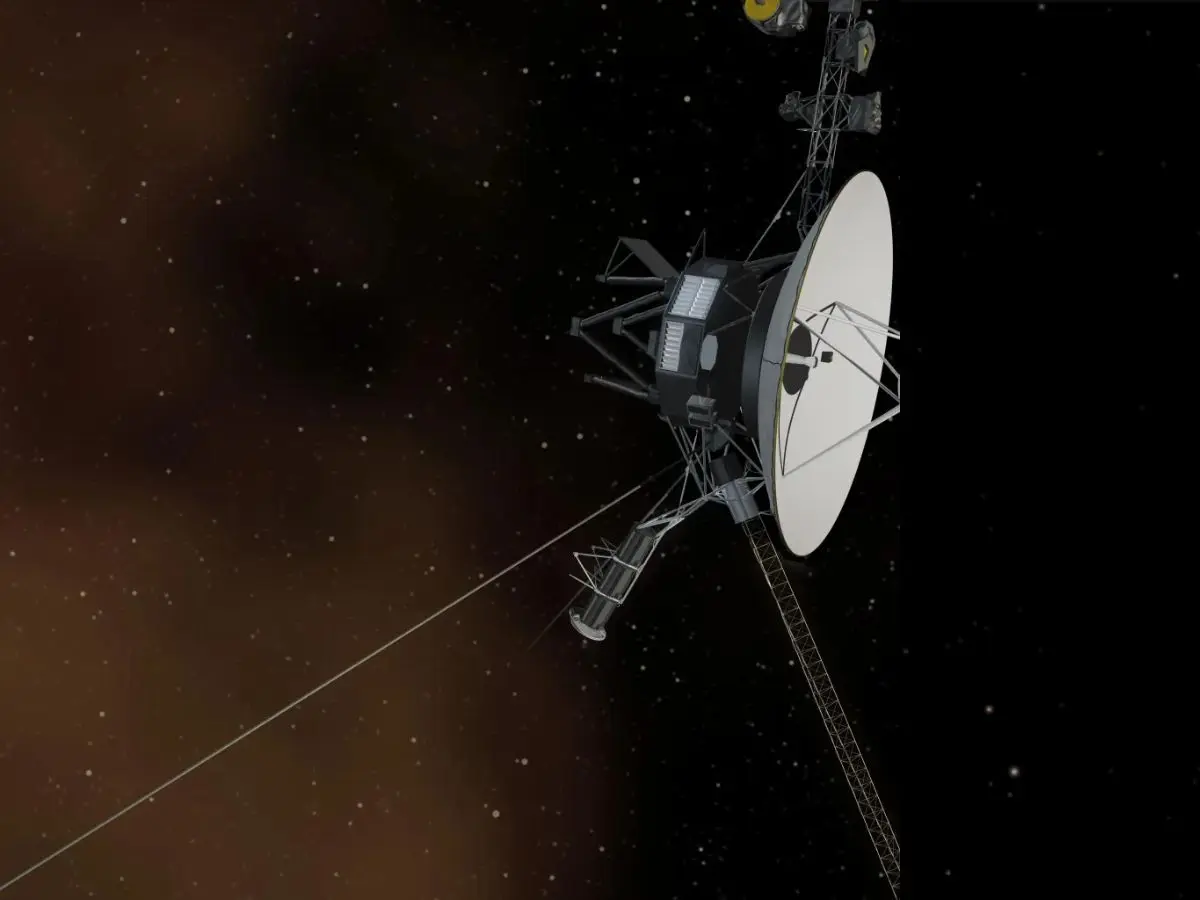
For two tense weeks in July 2023, NASA feared humanity’s longest-running spacecraft might be lost forever. When a misdirected command on July 21 caused Voyager 2’s antenna to point just two degrees off target, communication with the most distant probe ever built was instantly severed. More than 12.3 billion miles from Earth, Voyager 2 fell silent. For NASA’s Jet Propulsion Laboratory, the prospect of losing this irreplaceable spacecraft felt entirely real, making what ought to have been a routine update one of the most nerve-wracking episodes in Voyager’s long career.
A Routine Command with Catastrophic Consequences
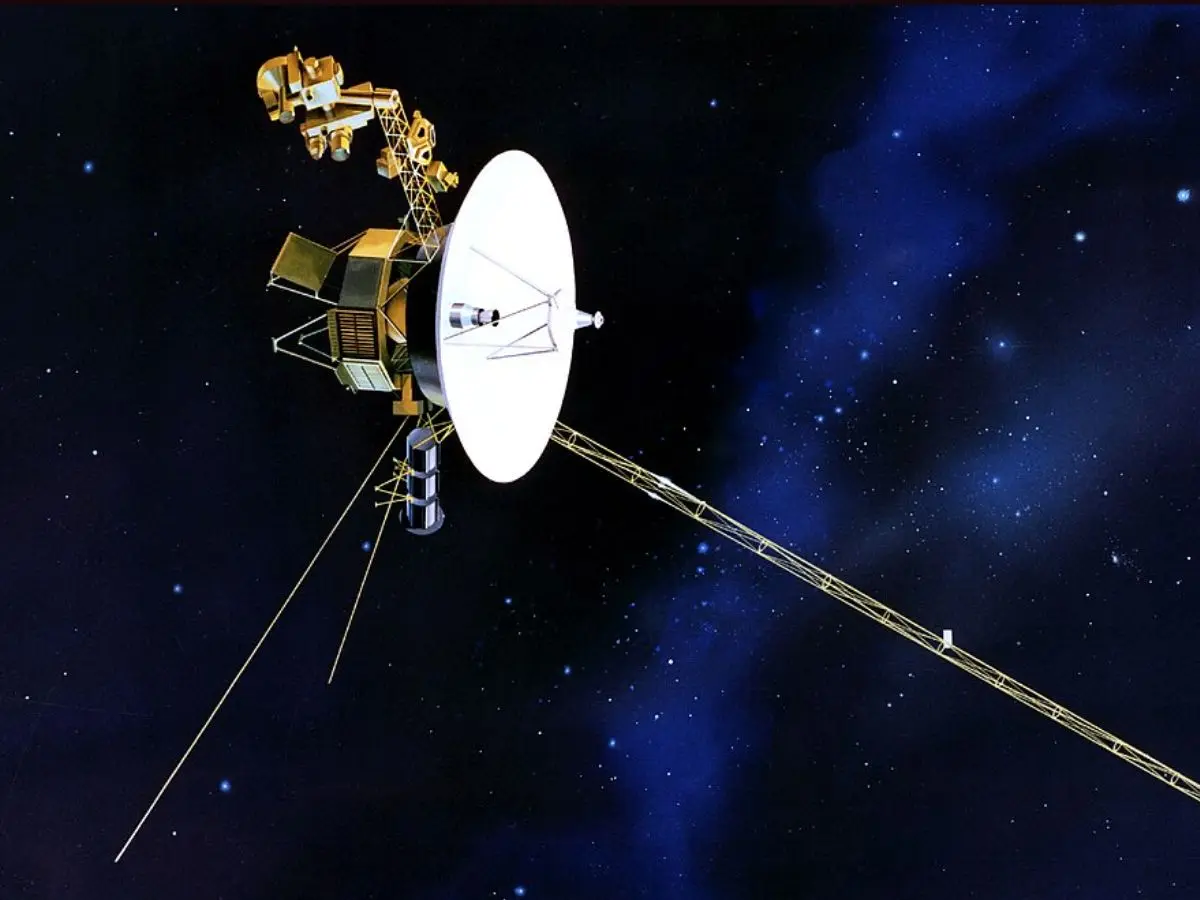
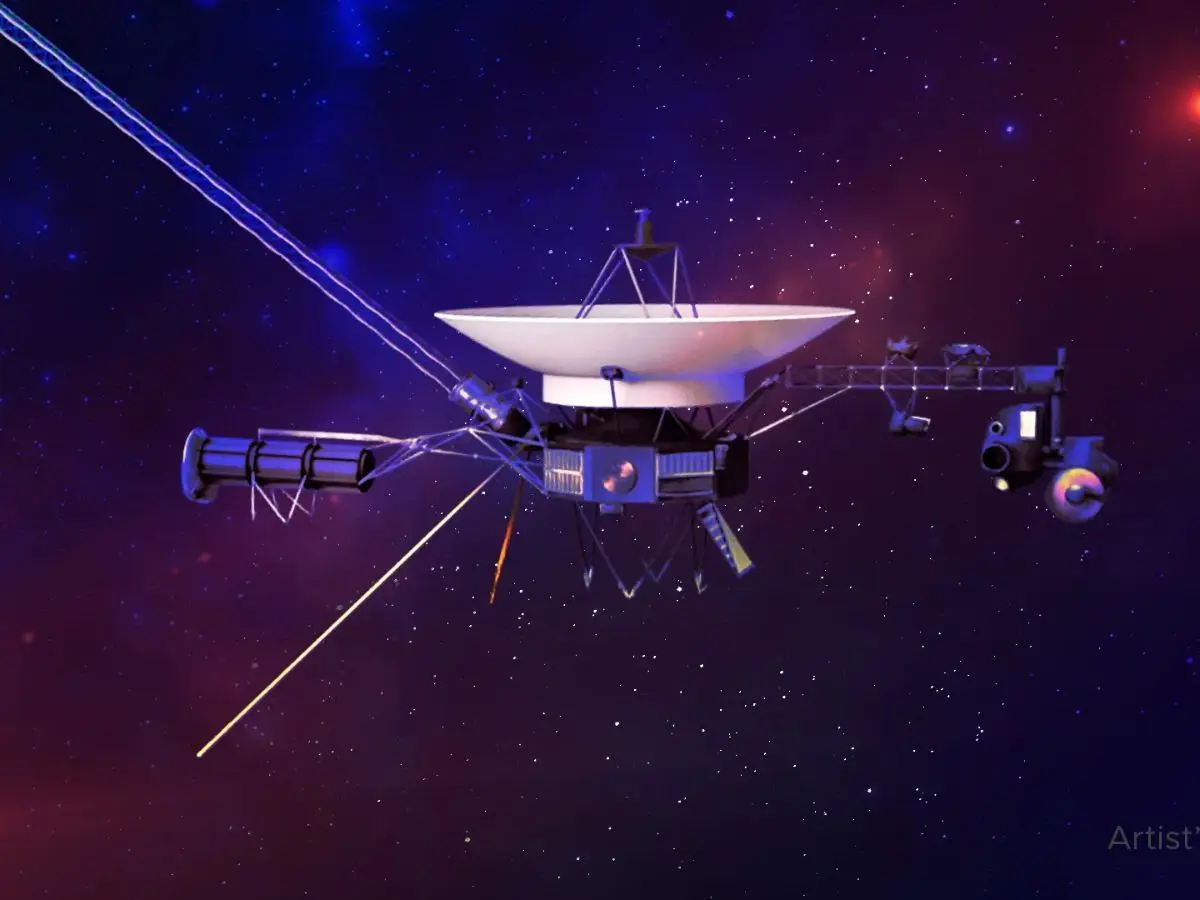
The crisis began with what should have been a standard software uplink. Inadvertently, the team sent the wrong version, causing the high-gain antenna, a critical link for all data, to veer off Earth's direction. That tiny misalignment was enough to cut off both telemetry and command capability, leaving Voyager 2 effectively deaf and mute.
Silence in the Deep
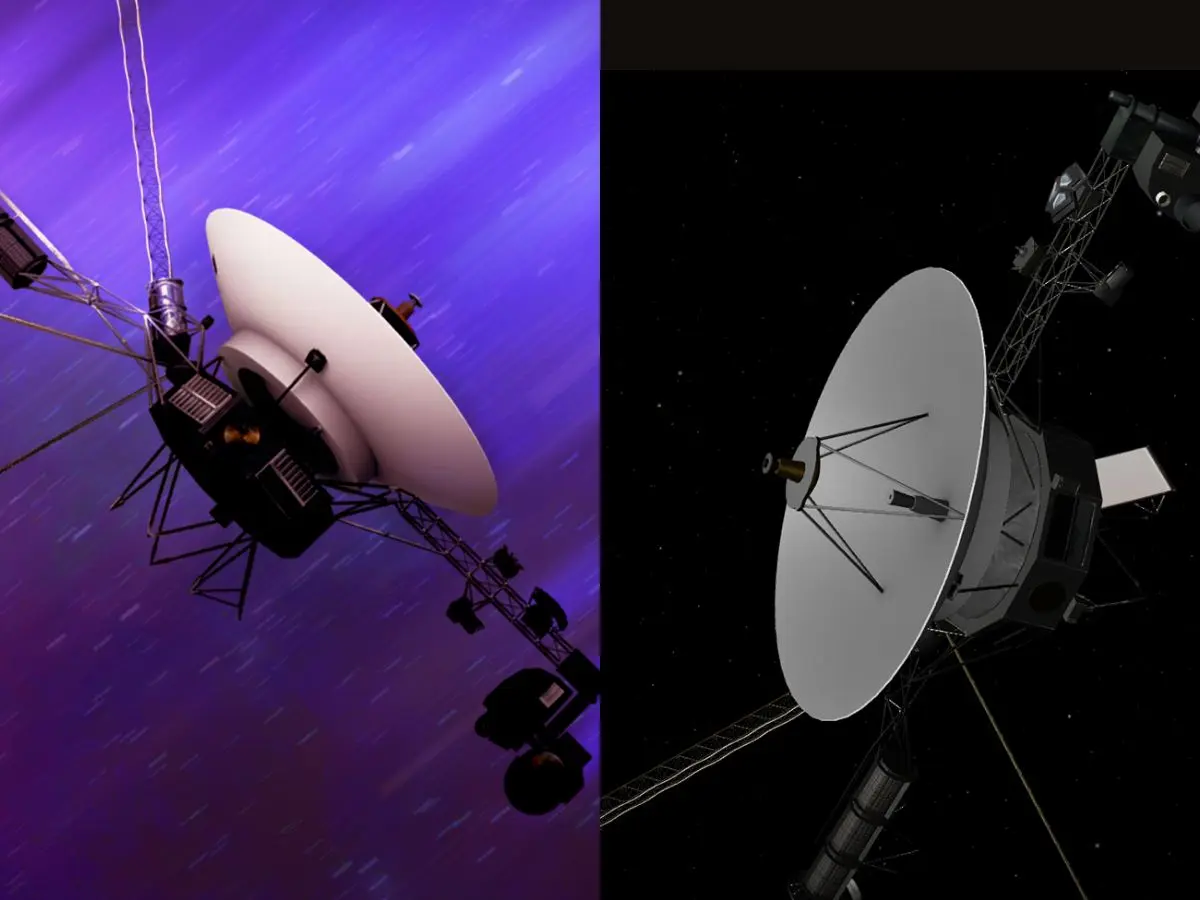
By August 1, planning engineers detected only a faint carrier signal, but no data could be extracted. Though the spacecraft remained on its expected trajectory, the lack of full contact marked the longest science blackout in decades, a distressing two-week gap.
The 'Shout Heard Across Space
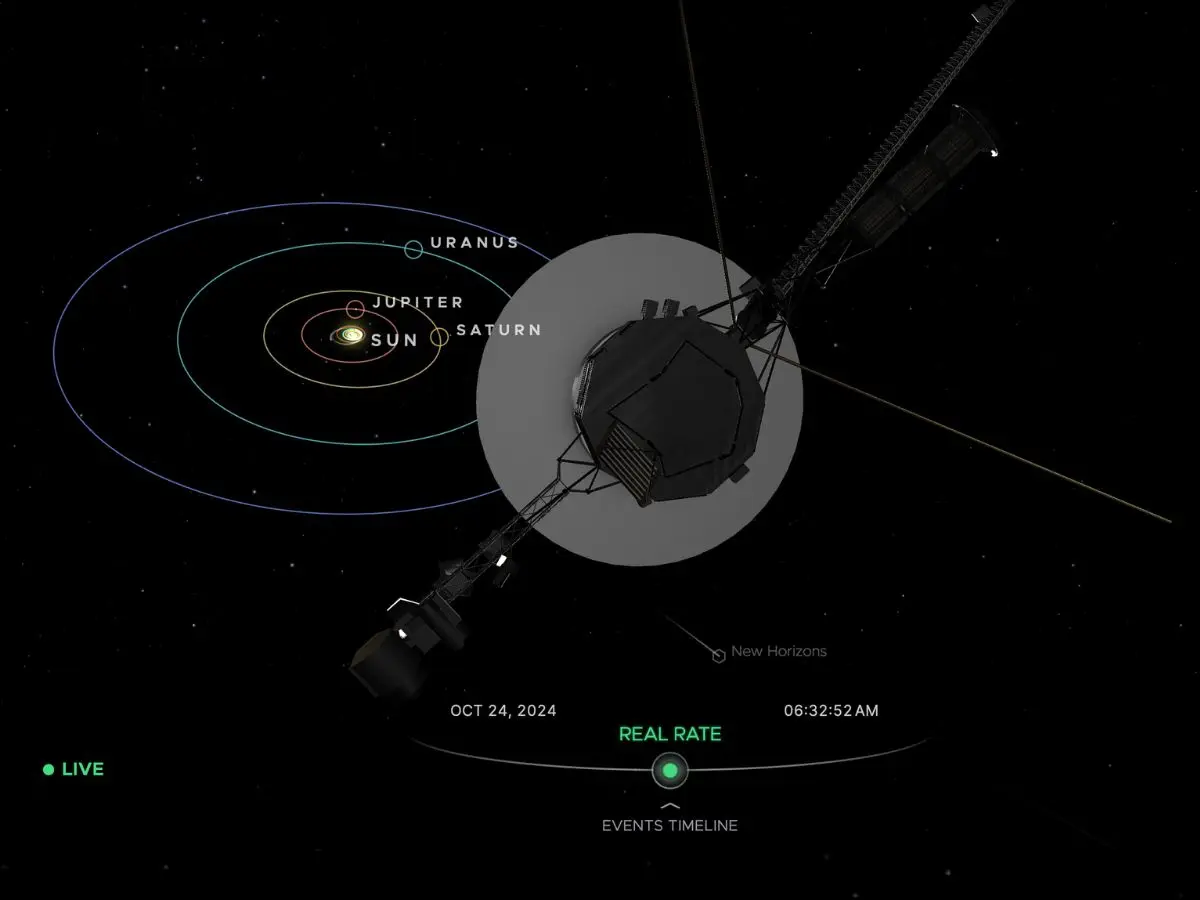
Desperate for a solution, engineers turned to their most powerful option: a high-intensity ‘shout’ command. On August 2, the Deep Space Network’s Canberra station fired a 100 kW S-band signal directly at Voyager 2. With an 18.5-hour one-way light-time, the team waited anxiously for 37 hours to learn whether it had worked. On August 4, at 12:29 a.m EDT, data and telemetry began streaming in again. Communication had been restored.
A Backup Plan with a Safety Net
Had the ‘shout’ failed, the probe’s onboard fault protection would have attempted an automatic reset on October 15, reorienting the antenna toward Earth. That secondary safeguard offered slim but vital hope, but it never had to be used.
Tense Two Weeks, Priceless Science
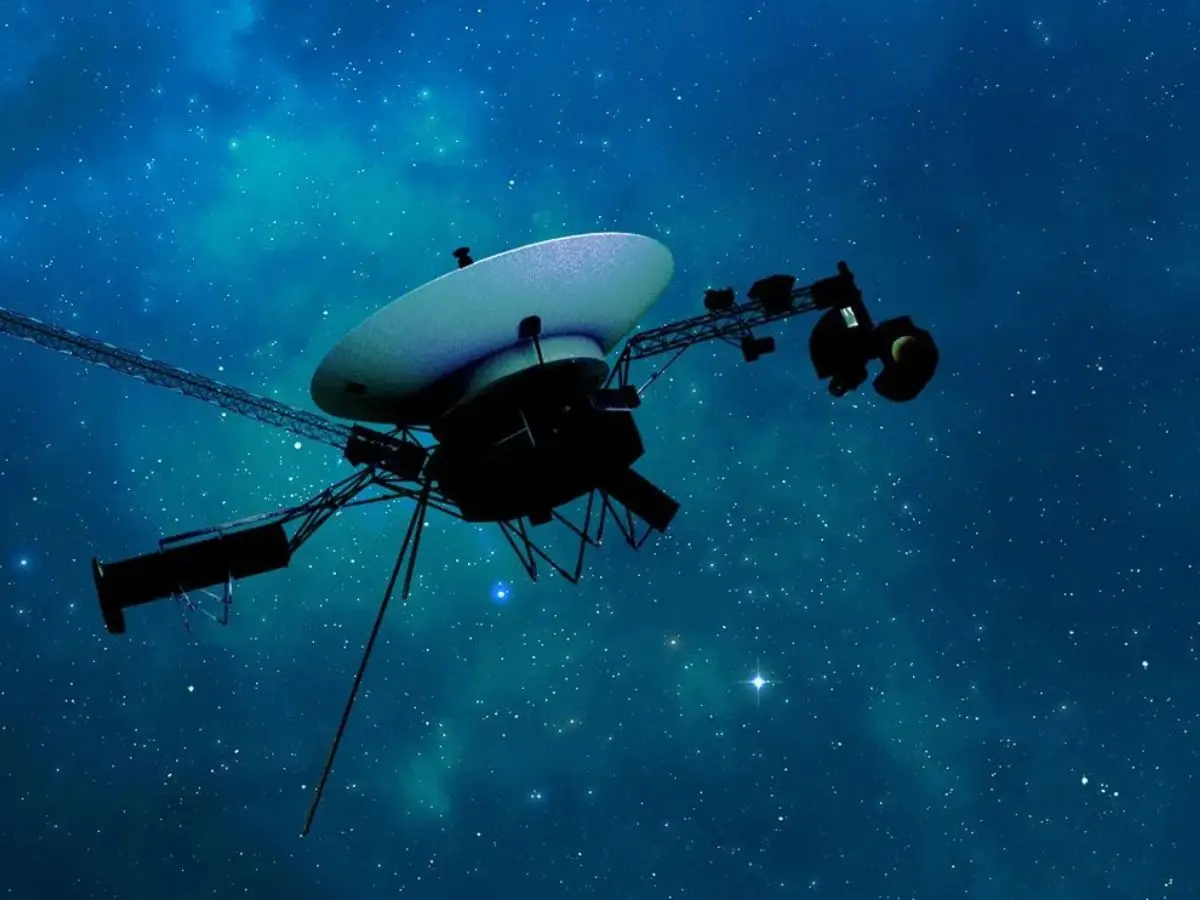
The hiatus, short though it was, marked the longest silent interval in Voyager’s mission. Nonetheless, mission scientists were not unduly alarmed. The probe is studying interstellar space across long timescales, so missing a few weeks of data posed no long-term scientific loss. Still, the scare underscored how fragile the decades-long mission has become.
Fraying Power and Dwindling Years
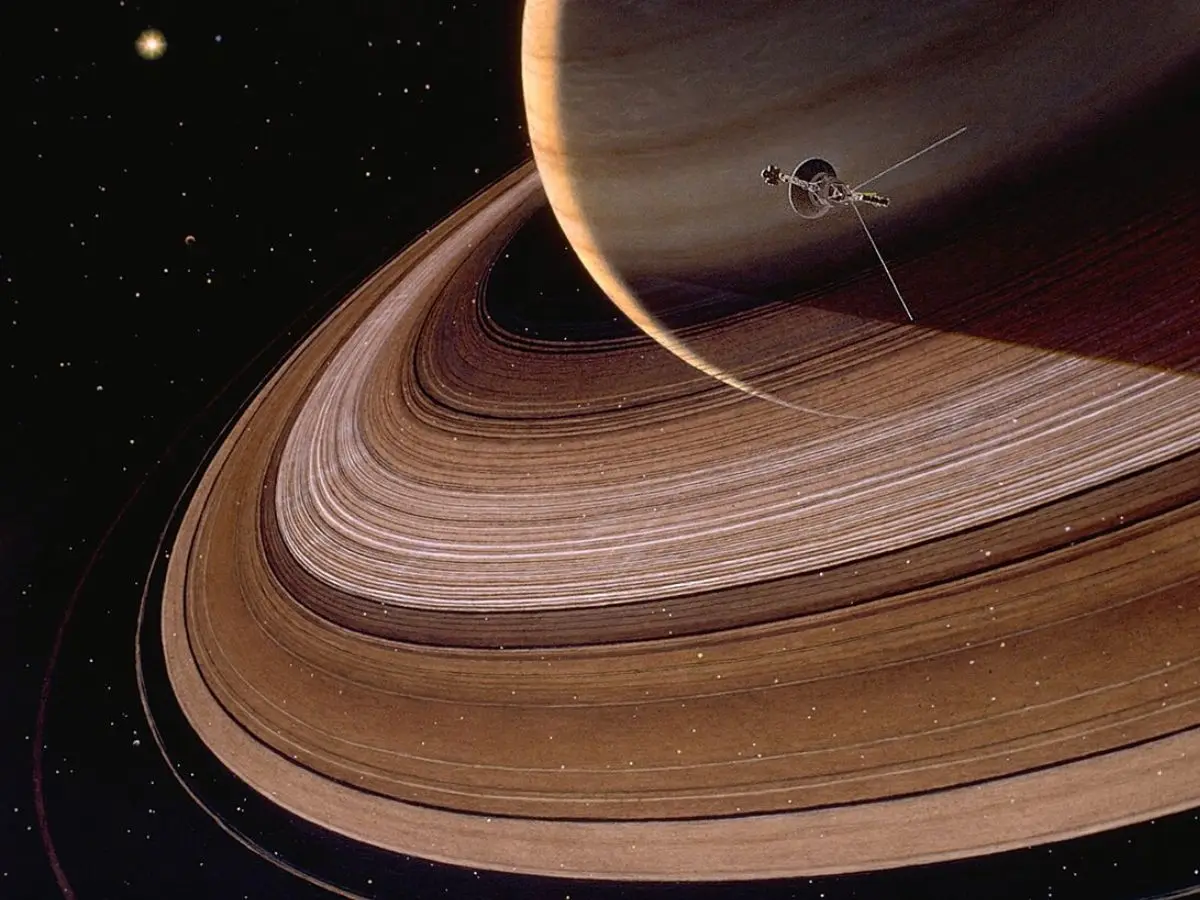
Voyager 2 continues to operate on plutonium-238 powered generators. Its instruments are being switched off one by one to conserve energy. Few years remain before the probe can no longer send data back, each moment regained is a precious window into the edge of interstellar space. The July incident served as a poignant reminder that one human error, or simple aging, could silence a 46-year journey.
)

)
)
)