When India gave the Non-Aligned 'side-eye' to both the US and USSR - Foreign Affairs tales

India is currently going through a tussle with the US over its trade and defence ties with Russia. But this is not the first time India has faced such a situation. New Delhi has been able to navigate such crises due to its non-aligned, independent foreign policy. Here is its story
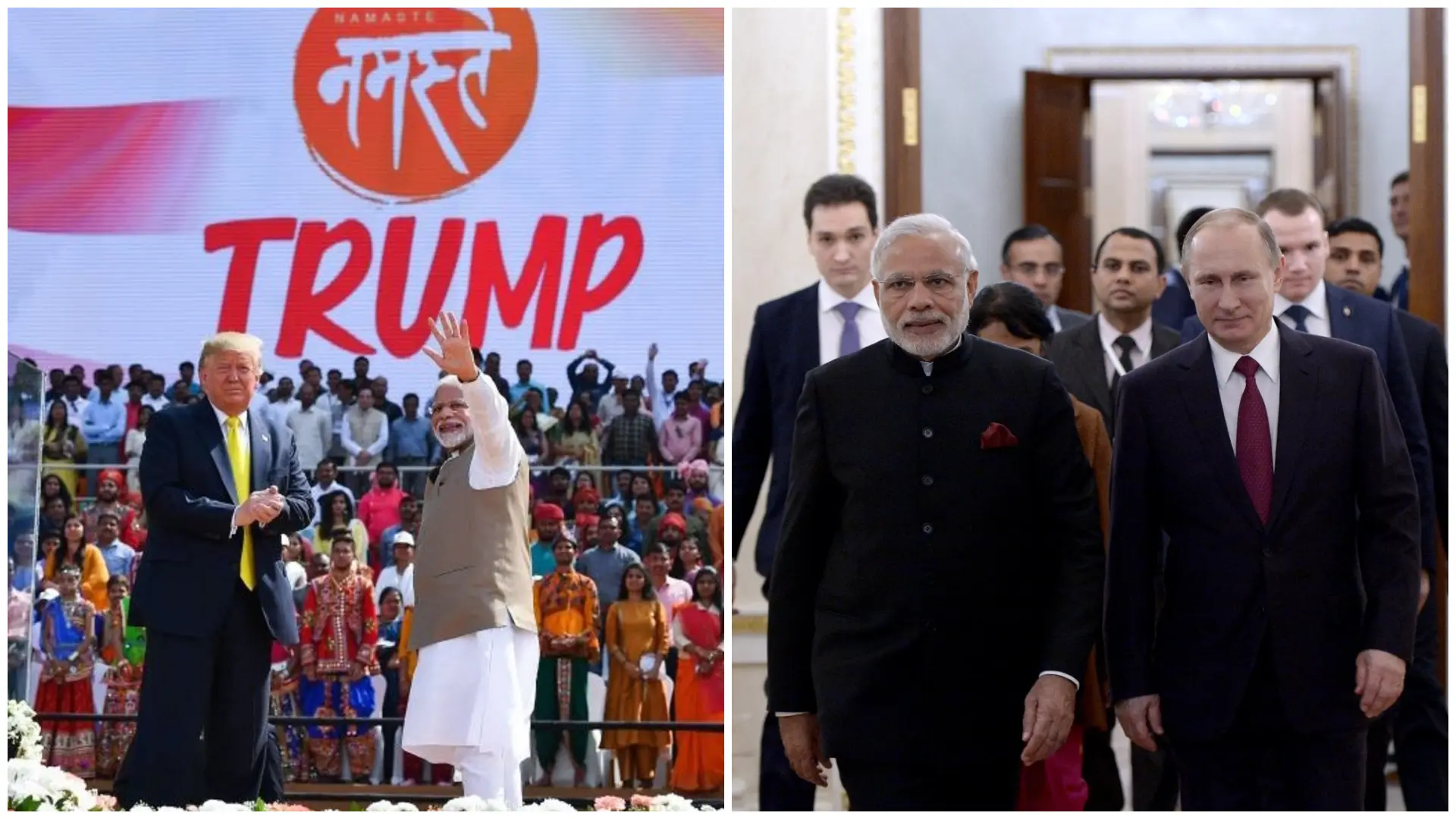
Not the first time India faced such a situation of having to choose between two global powers
Diplomacy, on a good day, is a tightrope walk. India is currently going through a diplomatic tussle with the US over its trade and defence ties with Russia, which is in war with Ukraine. US President Donald Trump is putting pressure on India, threatening tariffs and penalties. But this is not the first time India faced such a situation of having to choose between two global powers: the US, or erstwhile Soviet Union
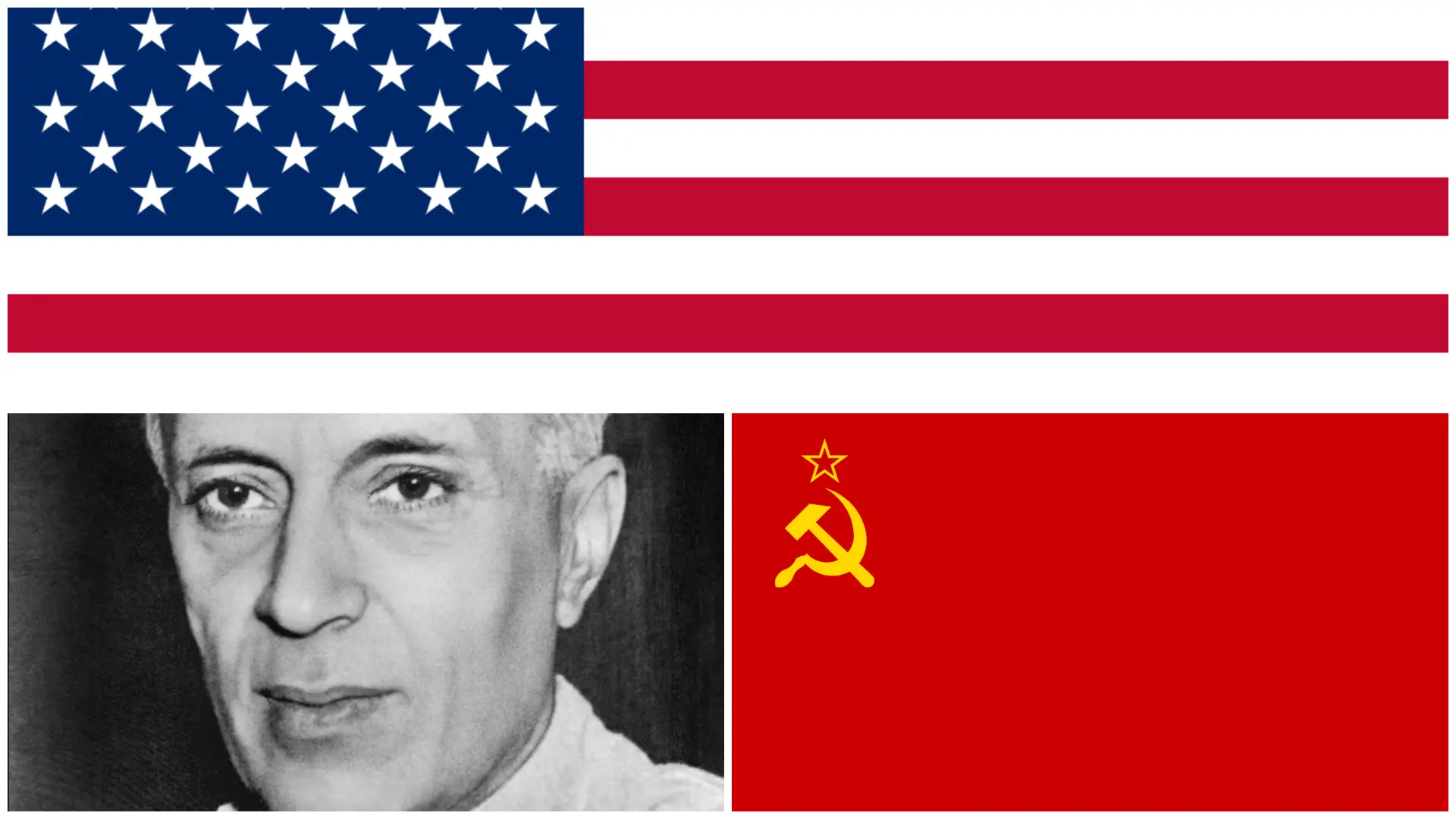
India led global South in the non-aligned movement
In the 1960s, in the middle of the Cold War, India led the Non-Aligned Movement, choosing not to align with either superpower. While the West mocked it as fence-sitting, India’s stand won praise from developing nations.
Capitalism or communism: The tough choice for newly independent countries
As the Cold War raged through the 1950s and 60s, the world was sharply divided between the US-led Western bloc and the USSR-led Eastern bloc. Newly independent countries like India were under pressure to choose a side: capitalism or communism, or else...
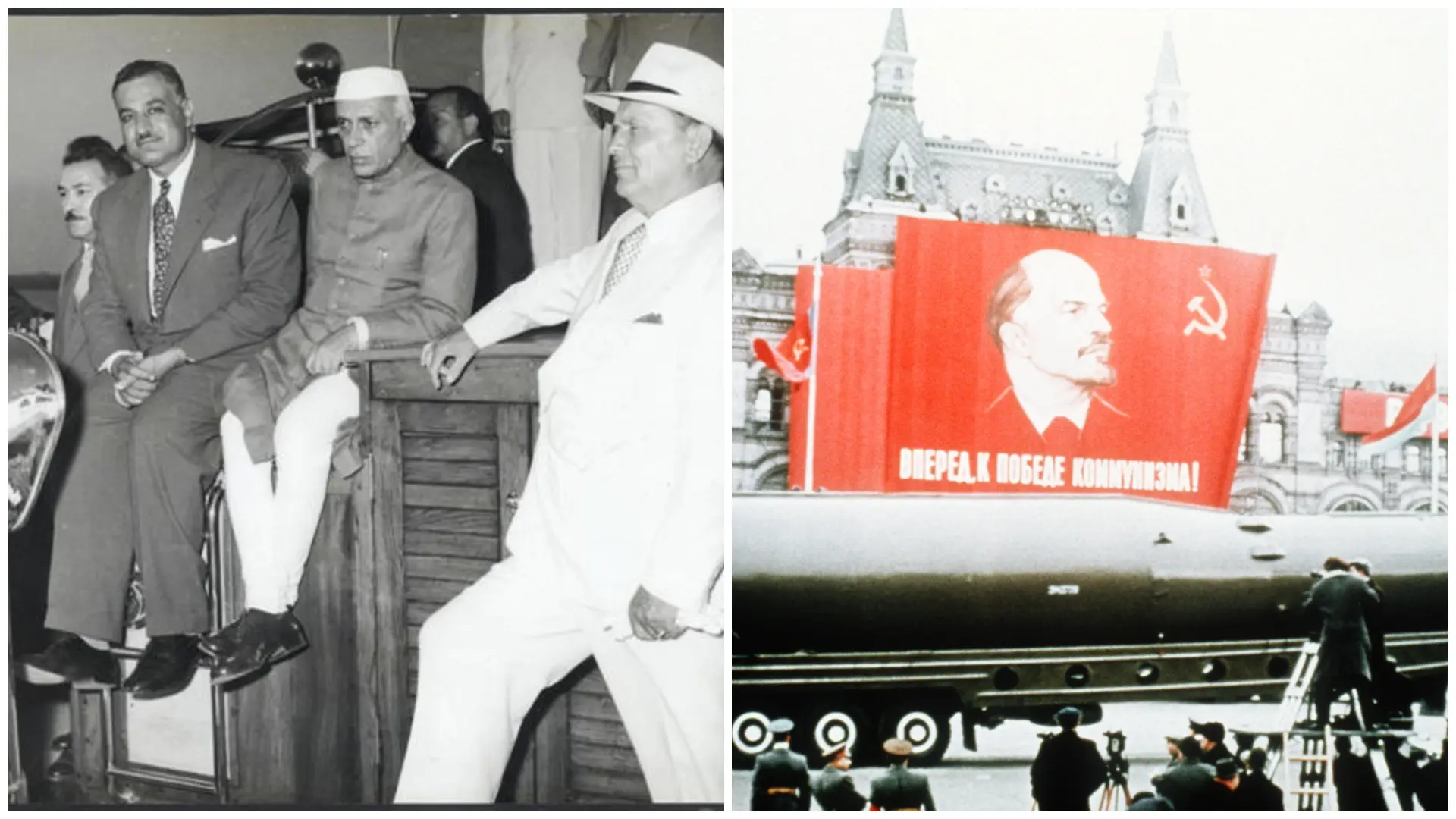
Non-Alignment was not an easy choice, but India rallied other countries
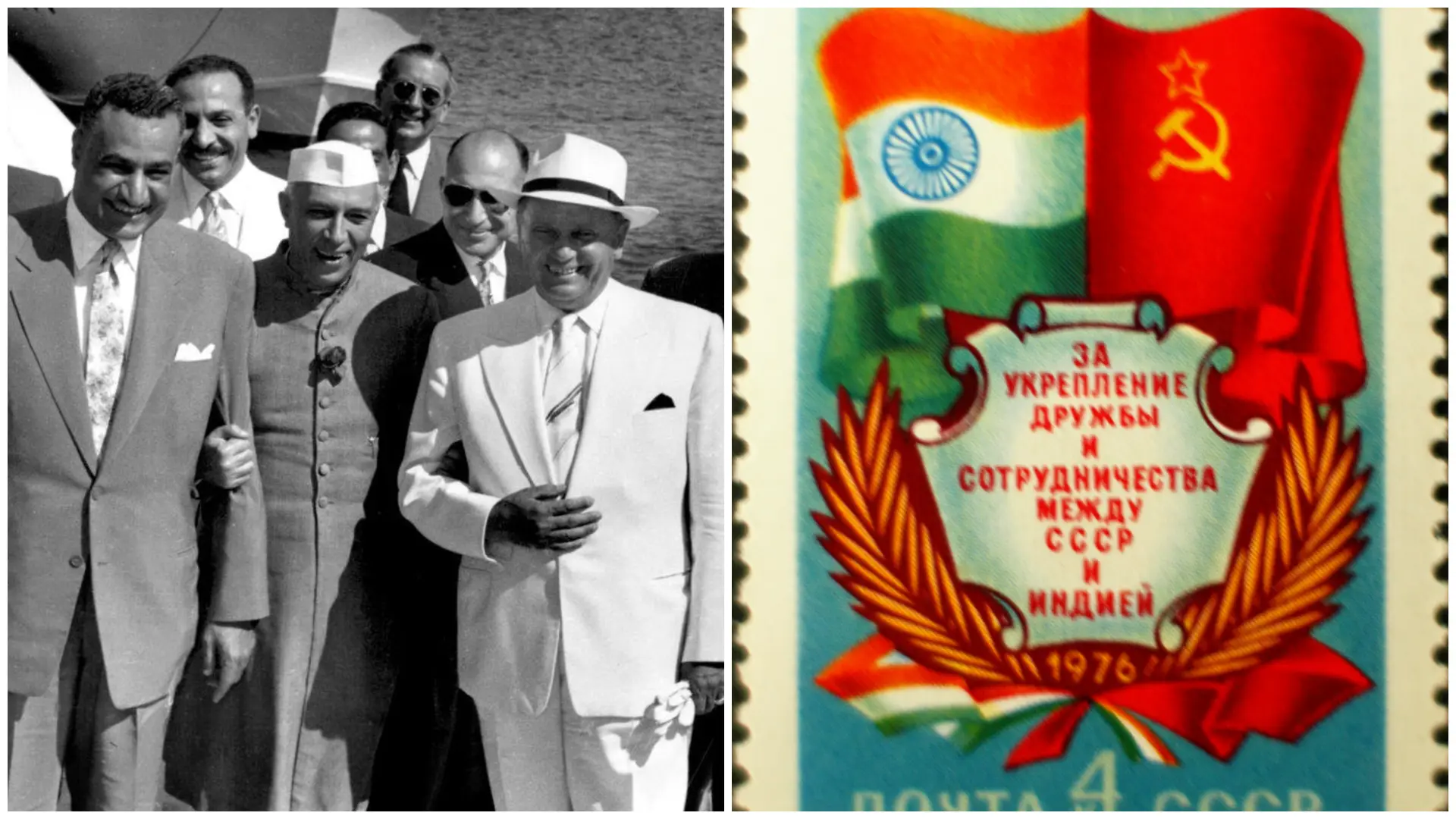
India, under Prime Minister Jawaharlal Nehru, took a bold and controversial foreign policy stance: non-alignment. Nehru, along with leaders like Yugoslavia’s Josip Broz Tito, Egypt’s Gamal Abdel Nasser Hussein, Ghana’s Kwame Nkrumah, and Indonesia’s Sukarno, co-founded the Non-Aligned Movement (NAM) in 1961.
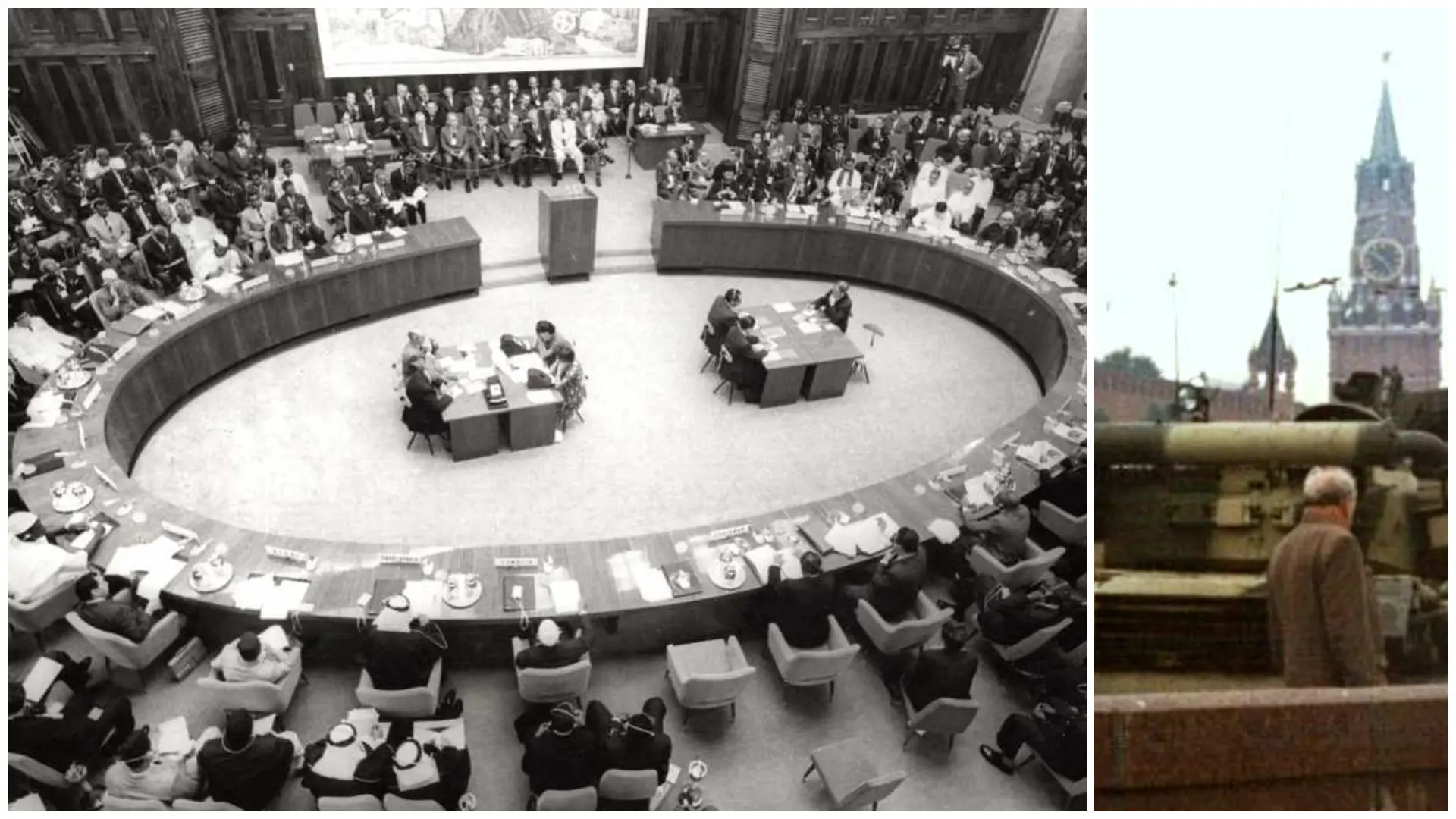
NAM was seen as opportunistic in a polarised world
The idea of NAM was to keep the sovereignty and decision-making of developing nations independent of Cold War geopolitics. Western countries led by the US saw it as diplomatic posturing, while the USSR also viewed it with suspicion: India was seen as trying to have it both ways.
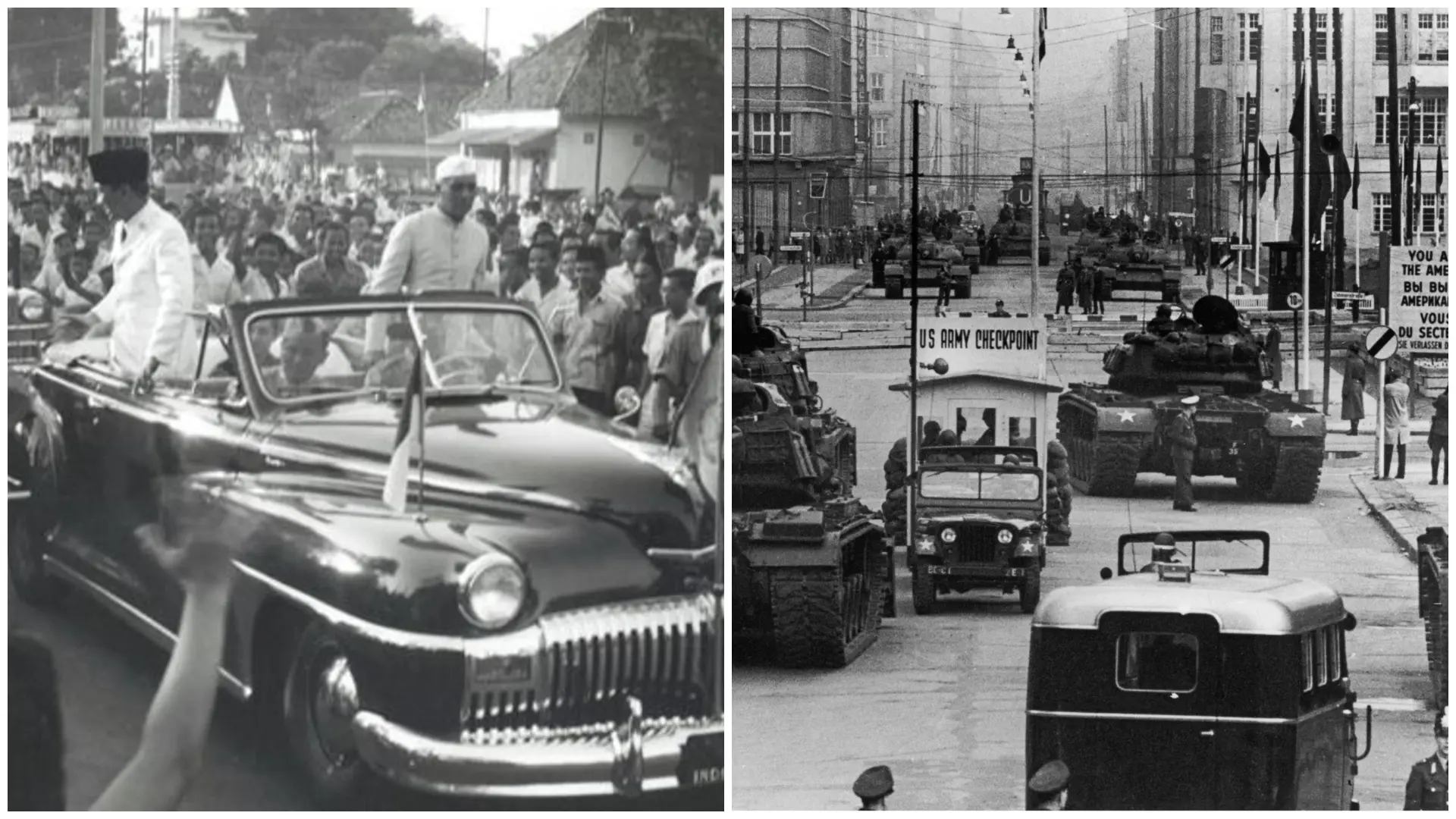
India managed to stay away from military alliances by way of NAM
Critics argued that India leaned left anyway, given its ties with the Soviet Union and socialist policies of Nehru. Despite the pressure and criticism, NAM gave India a moral leadership role among the newly decolonised nations of Asia and Africa. In one of India's biggest foreign policy gambles, New Delhi stayed away from military alliances like NATO, CENTO and SEATO. It did so despite missing out on large-scale aid that came with alignment to one side or the other.
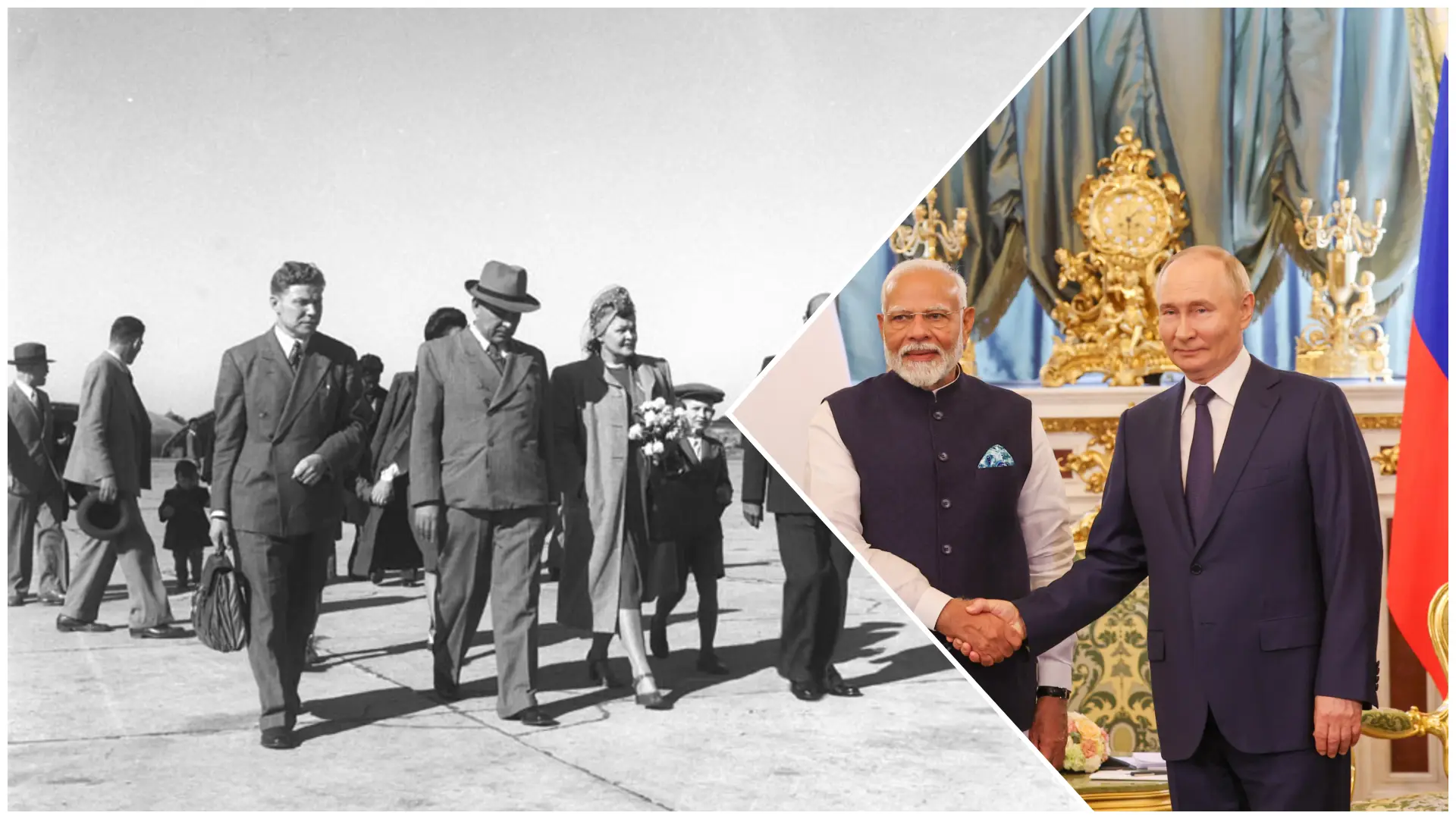
Non-alighment remains a guiding principle of Indian foreign policy
Till date, Nehru’s non-alignment stance informs India’s foreign policy. It is a mix of national interest, idealism, pragmatism, and fierce independence and defence of its sovereignty. In spite of political rhetoric and ideological differences, most Indian ruling parties have practised non-alignment in foreign affairs, one way or the other, as part of its independent foreign policy.
)
)
)
)
)