When India asked President Kennedy for US Air Force to help fight China in 1962


Serious military conflict
Chinese vice-foreign minister Zhang had reportedly said that "it is bound to lead to a serious military conflict" in his notes.
India in all likelihood underestimated the nature and scale of the attack even as it was poorly prepared for the impending Chinese aggression.
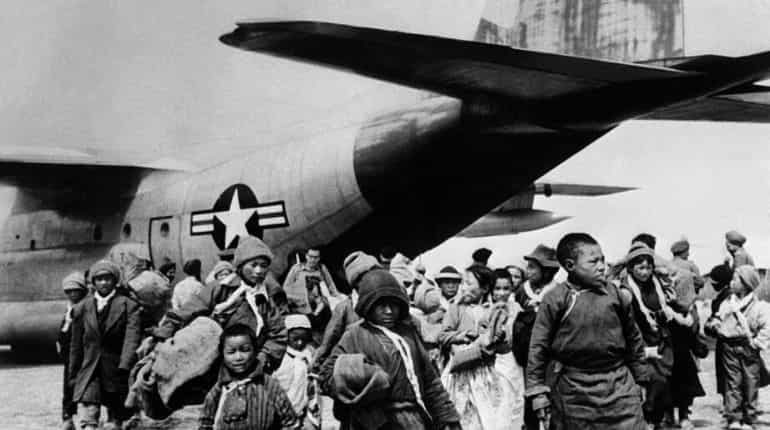
Nehru asks US airforce to help!
According to Riedel, Nehru asked for 12 squadrons of US Air Force, in addition to two squadrons of B-47 Bombers to strike in Tibet.
The move firmly establishes the role of political leadership or the lack of it to win a battle against an enemy that had clear strategic objectives and understood India's inherent weaknesses.
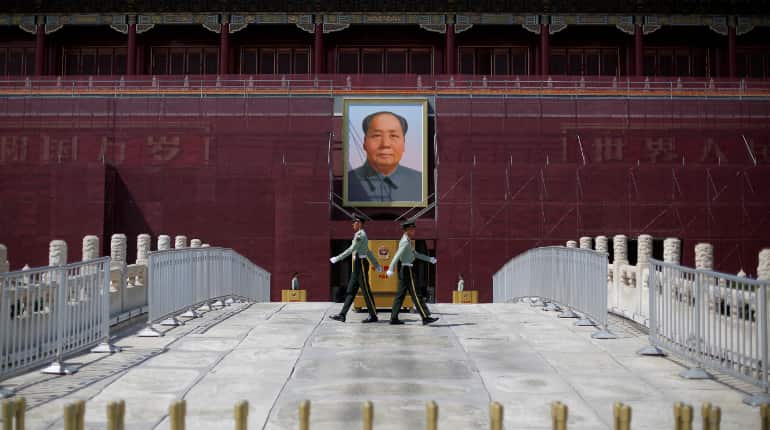
China's 'fierce and painful' blow to India
China was able to inflict a "fierce and painful" blow on India which Mao wanted despite having negligible air power and virtually no outside support.
In 1962 China was still a long way away from the UNSC seat but it had set up its goal to become the great power in Asia and subvert India - the twin objectives were met in a quick, all-out war against India.
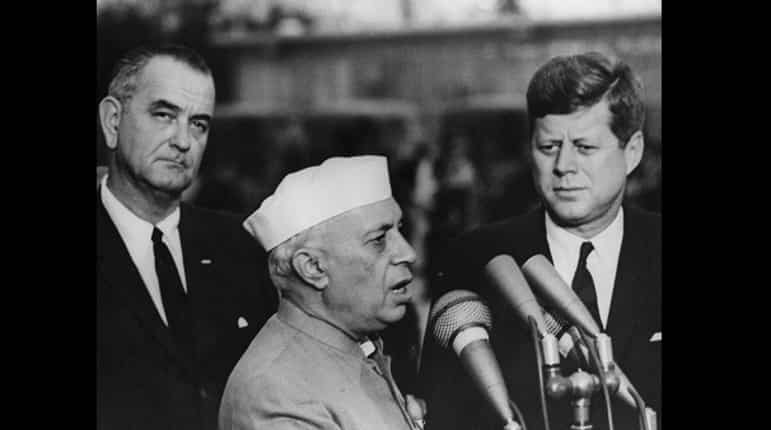
US ambassador's letter
US ambassador to India, Galbraith had famously written a letter to the US administration warning a letter from Nehru would arrive saying that "They want our Air Force to back them up" and “The Indians at all levels are in a state of shock".

100 SPICE bombs for India
The weapon is "insensitive" to GPS jamming and is widely used by the Israeli Air Force. Last year, India had signed a deal with Israel worth around Rs 300 crore under emergency provisions for buying over 100 SPICE bombs with high explosives warhead for the Indian Air Force after the Balakot strikes.
Spice-2000 bombs were used by IAF's Mirage-2000 fighter jets in the airstrikes on Jaish-e-Mohammad terror camp at Balakot in Pakistan.
During the strikes, the penetrator version of Spice-2000 bombs was used by the IAF which made holes in the concrete rooftops of the buildings in the Jaish camp but did not destroy the buildings. The bombs, however, exploded inside the building killing those who were present inside the building.
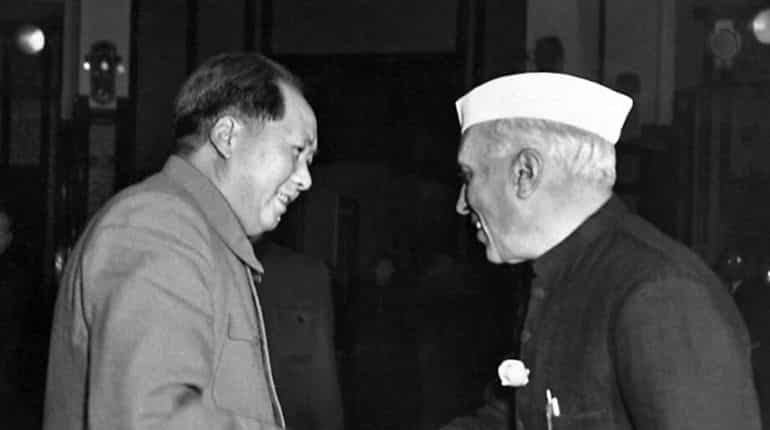
'China did not give sufficient warning'
R.K Nehru in fact reportedly reflected in the July meeting to conclude that it was not as if China “did not give us sufficient warning” of a military attack which eventually took place on October 20, 1962, therefore dismissing the conspiracy theories of a betrayal.

IAF presses home India's advantage
While India's grip on east Pakistan tightened, the IAF continued to press home attacks against Pakistan. The campaign then developed into a series of daylight anti-airfield, anti-radar and close-support attacks by fighters.
Hostilities officially ended on December 17 after the fall of Dhaka on December 15. India claimed large gains of territory in west Pakistan and the independence of Pakistan's eastern wing as Bangladesh was confirmed.
(Photo courtesy: Indian Air Force: Twitter/@IAF_MCC)
)
)
)
)
)