When does a storm get named, and who chooses the names? Hurricane naming explained

Hurricanes get their names from the World Meteorological Organization once winds reach 63 km/h or more. Names repeat every six years, with backups used if needed. Deadly storms can have names retired. Naming helps people track and discuss storms.
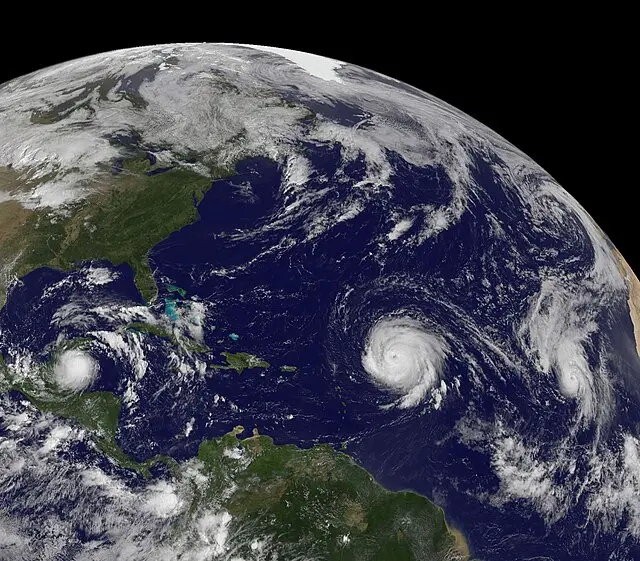
Who Names Hurricanes?
Hurricanes and tropical storms are named by the World Meteorological Organization (WMO). This helps people track and talk about storms more easily every year.
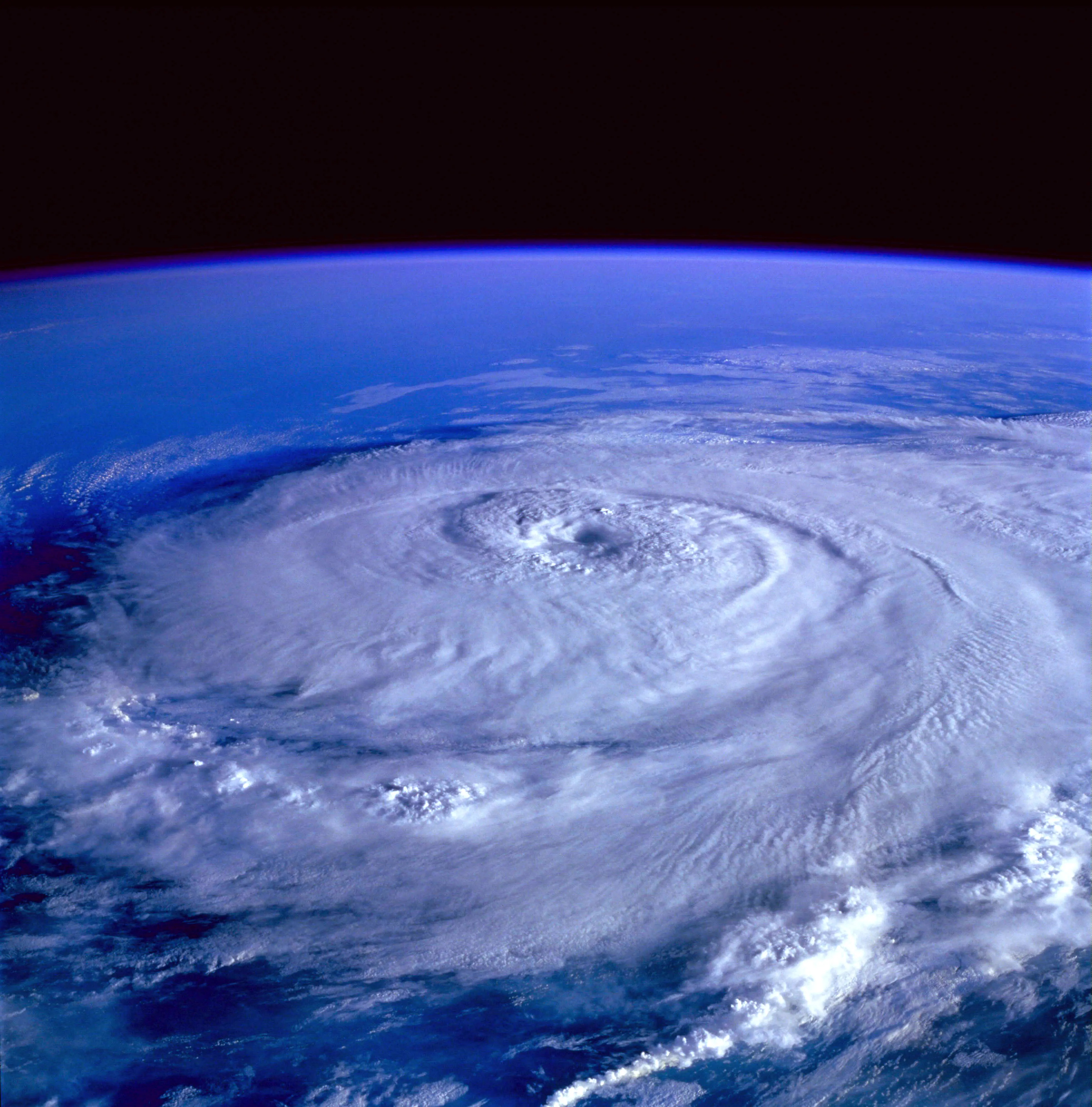
How Does a Storm Get a Name?
A storm gets a name when its winds reach at least 63 km/h (39 mph). If it is weaker, it gets a number and is called a tropical depression, not a named storm.
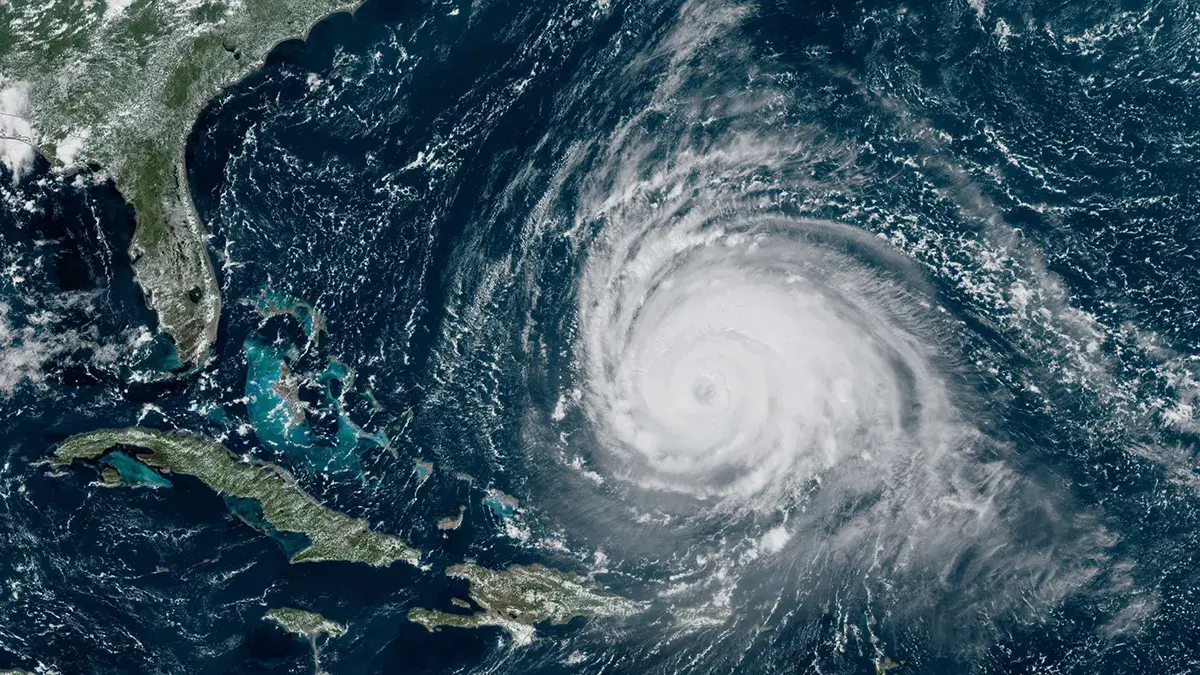
Where Do the Names Come From?
The WMO keeps a list of 21 names for each year. These names are used for storms in the Atlantic, and the list repeats every six years, with names for both men and women.
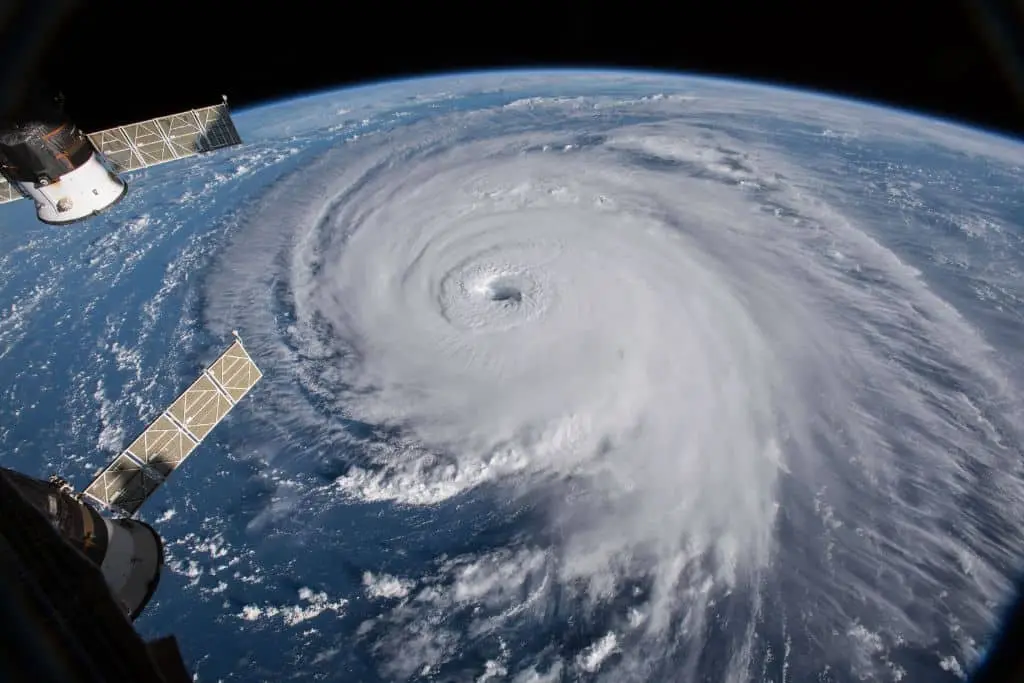
What If There Are Too Many Storms?
If there are more than 21 named storms in a season, the WMO uses a backup list. This has only happened twice, in 2005 and 2020, when extra names were needed.
Can a Storm Name Be Retired?
If a storm is very deadly or costly, the country affected can ask the WMO to retire the name. The WMO then picks a new name starting with the same letter to replace it.
Why Do Names Matter?
Names make it easier for people, scientists, and the media to talk about storms. It helps avoid confusion, especially when there are many storms in a season.
History of Naming Storms
Storms were once named after saints, politicians, or even women the meteorologist knew. Today, names are chosen to be clear and fair, helping everyone stay informed and safe.
)
)
)
)
)