When Denmark sold territory to the US in 1917, long before today’s Greenland debate

The United States has a long history of expressing interest in acquiring the Arctic island, though the efforts never succeeded. However, Washington has previously expanded its territory through purchase from Denmark.
Historical Echoes in a Modern Debate
The renewed debate over Greenland, driven by fresh expressions of interest from the United States and firm resistance from Denmark, has revived historical parallels with an earlier episode when Copenhagen transferred territory to Washington. Denmark, which is roughly 0.44 per cent the size of the US yet retains sovereignty over Greenland, has cited a 1952 Cold War–era military directive instructing its forces to “shoot first, ask questions later” in the event of an incursion. Recent remarks from the US President, suggesting the possible use of force to seize Greenland have prompted strong reactions across Europe. The statements have caused particular concern given that the United States already maintains a military base in Greenland.

Greenland versus the Danish West Indies
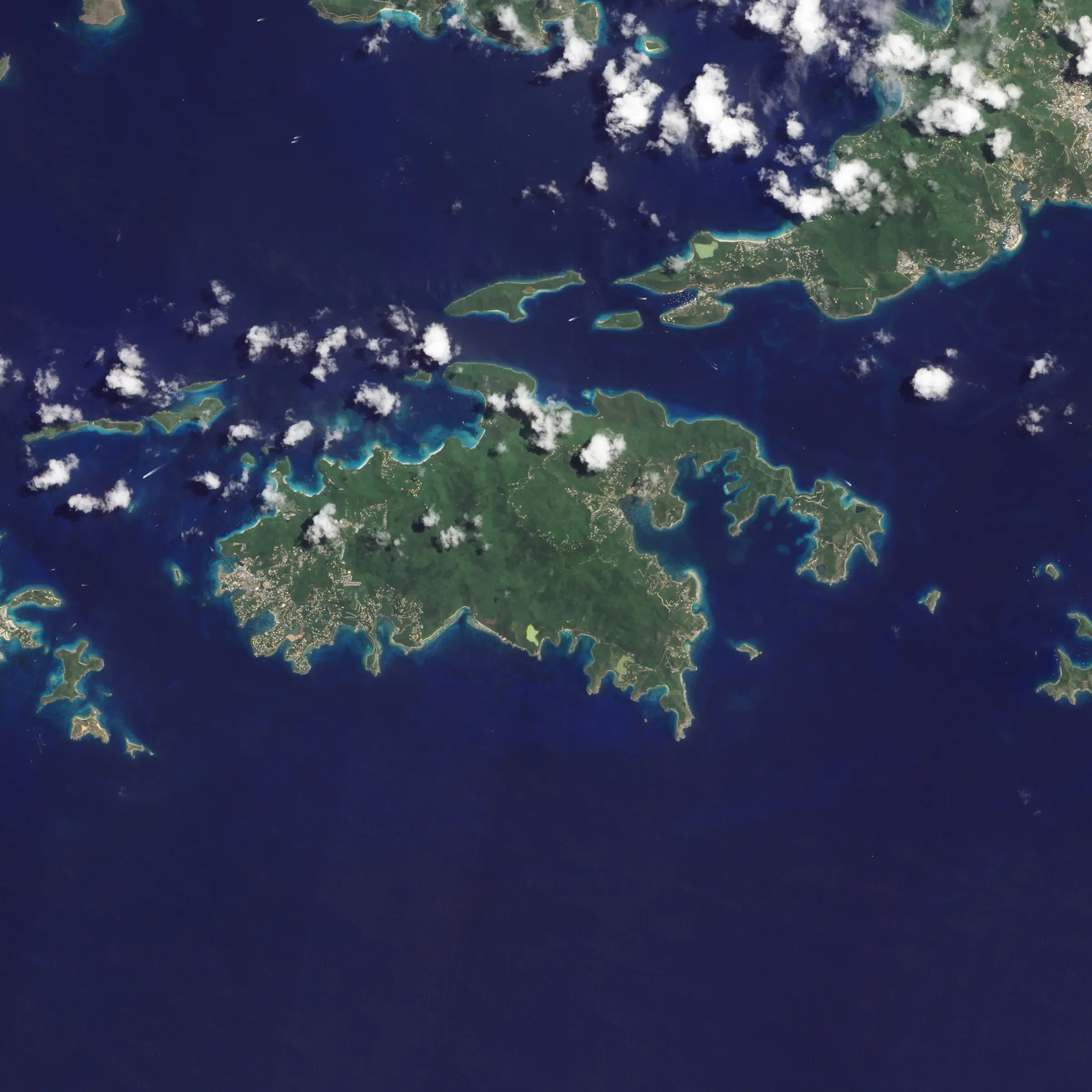
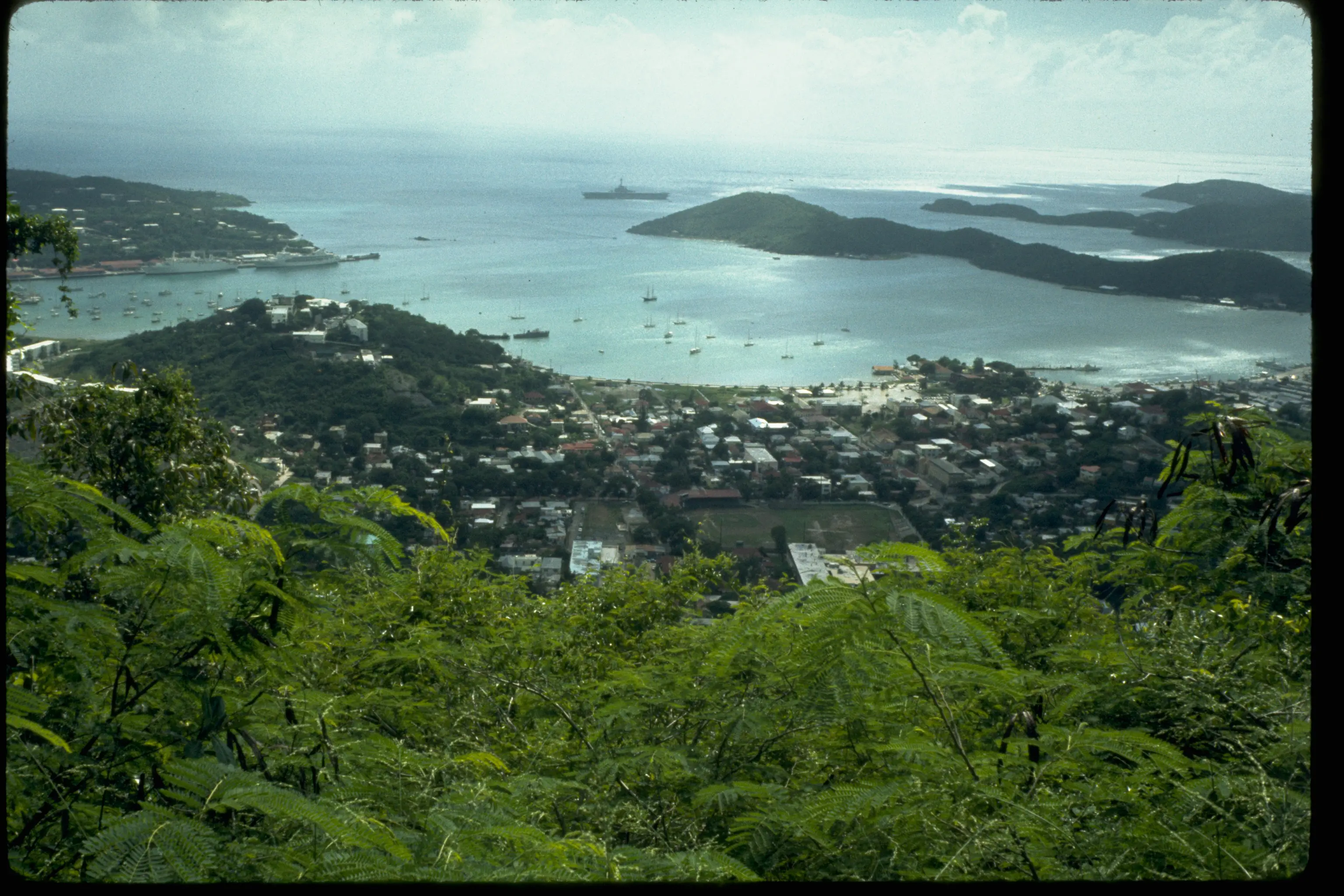
The United States has a long history of expressing interest in acquiring the Arctic island, though the efforts never succeeded. However, Washington has previously expanded its territory through purchase from Denmark. In 1917, Denmark transferred sovereignty of the Danish West Indies to the United States in a peaceful territorial transaction.
A Long-Standing Strategic Interest
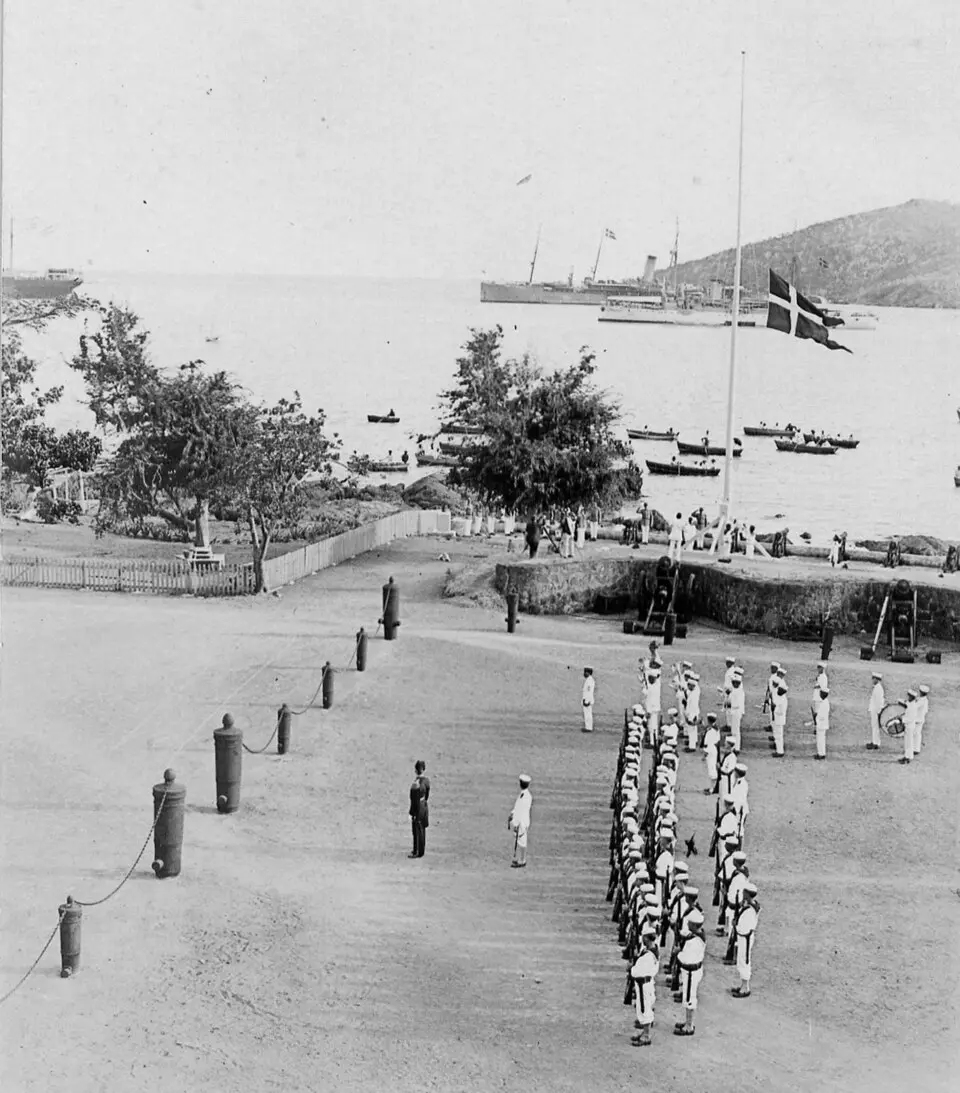
American interest in the islands long predated the 1917 sale. As early as the late 1860s, US policymakers eyed the excellent harbour at St Thomas as a key naval station in the Caribbean Sea, crucial for protecting shipping routes and future strategic assets like the Panama Canal. Prominent naval thinkers argued that possession of the islands would give the United States a commanding position in the region. Negotiations began in earnest, highlighting that strategic concerns, rather than mere economic gain, underpinned US efforts
Decades of Negotiation
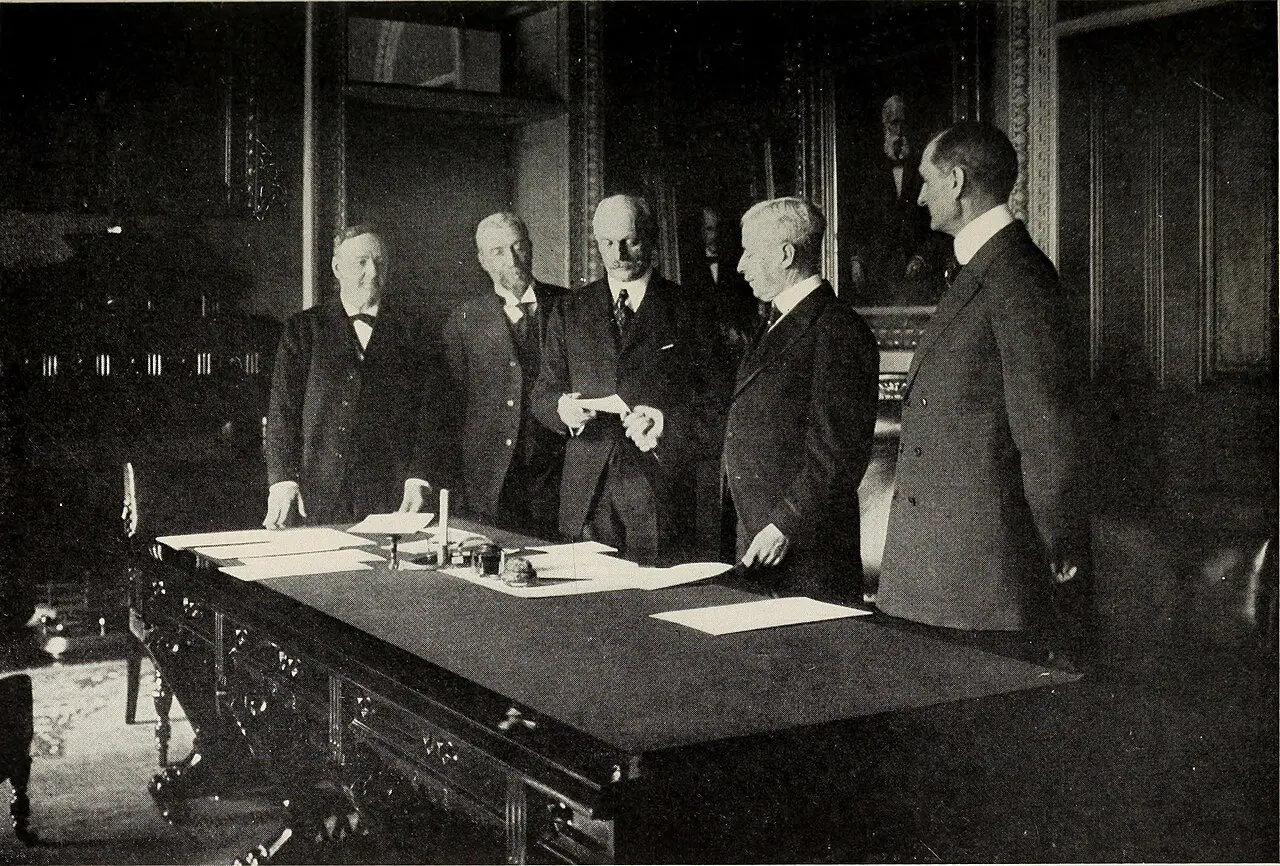
Talks over the islands continued intermittently for more than 50 years before the transfer was finalised. Early treaties were drafted in the late 19th century, but political shifts in both countries delayed ratification. By the early 20th century, the islands had become economically burdensome for Copenhagen. Efforts to negotiate their sale to the United States began decades earlier but gained urgency during World War I, when the US saw strategic value in positioning near the Panama Canal and guarding against German expansion. According to the US Department of State's archival documents, "In 1915, especially after the sinking of the Lusitania, the issue of the U.S. purchase of the Danish West Indies again became an important issue in U.S. foreign policy."
Negotiating the Sale to the United States
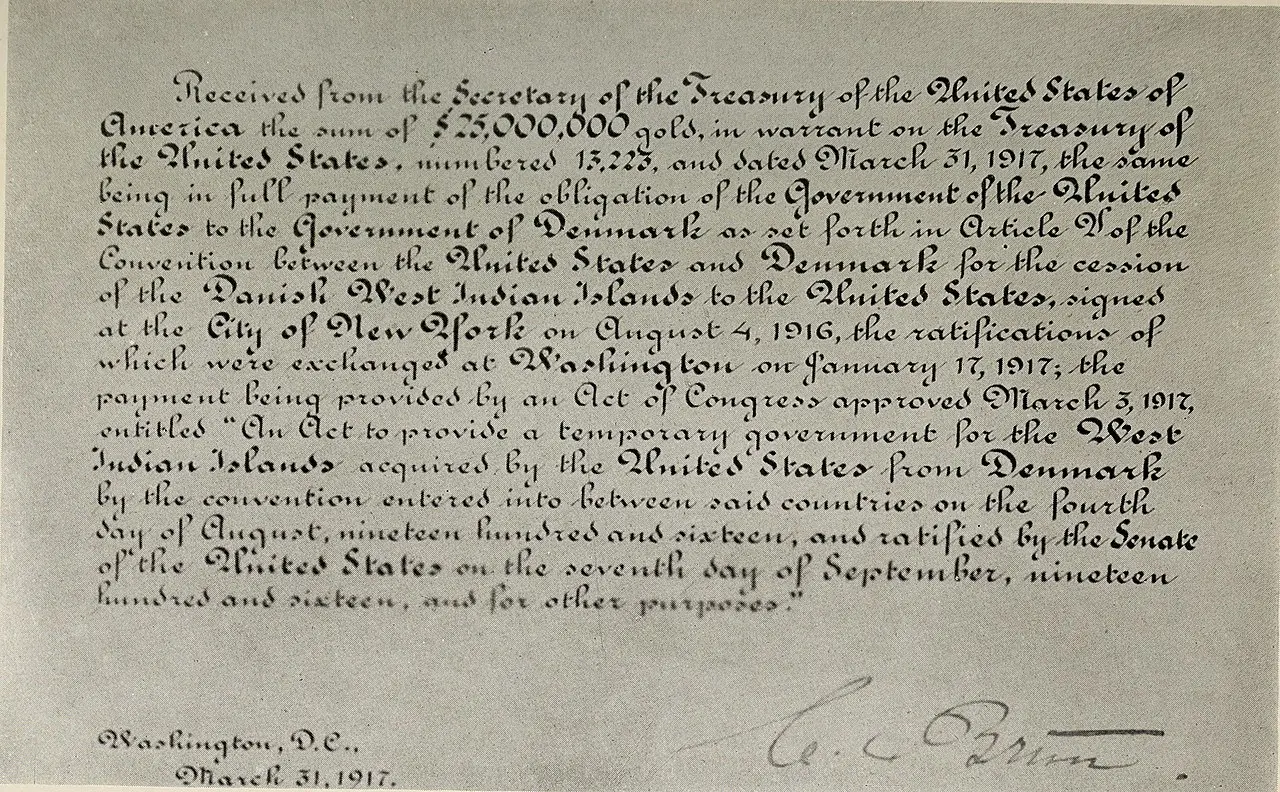
After negotiations spanning more than half a century, Denmark and the United States finalised a deal in 1916. Re-approvals of the transfer were passed by both Danish houses, and then ratified by King Christian X of Denmark. The treaty was signed on August 4, 1916, and the transfer was completed on March 31, 1917, when the islands formally became the United States Virgin Islands in exchange for $25 million in gold coin.
Strategic Motivations Behind the Transfer
For the United States, acquiring these islands offered a military and naval outpost in the Caribbean during a time of global conflict. For Denmark, the colony was a declining economic asset with limited strategic benefit. The transaction demonstrated how global powers could leverage strategic geography for military advantage, a theme similarly invoked in discussions about Greenland today.
Greenland’s Status in the Modern Era
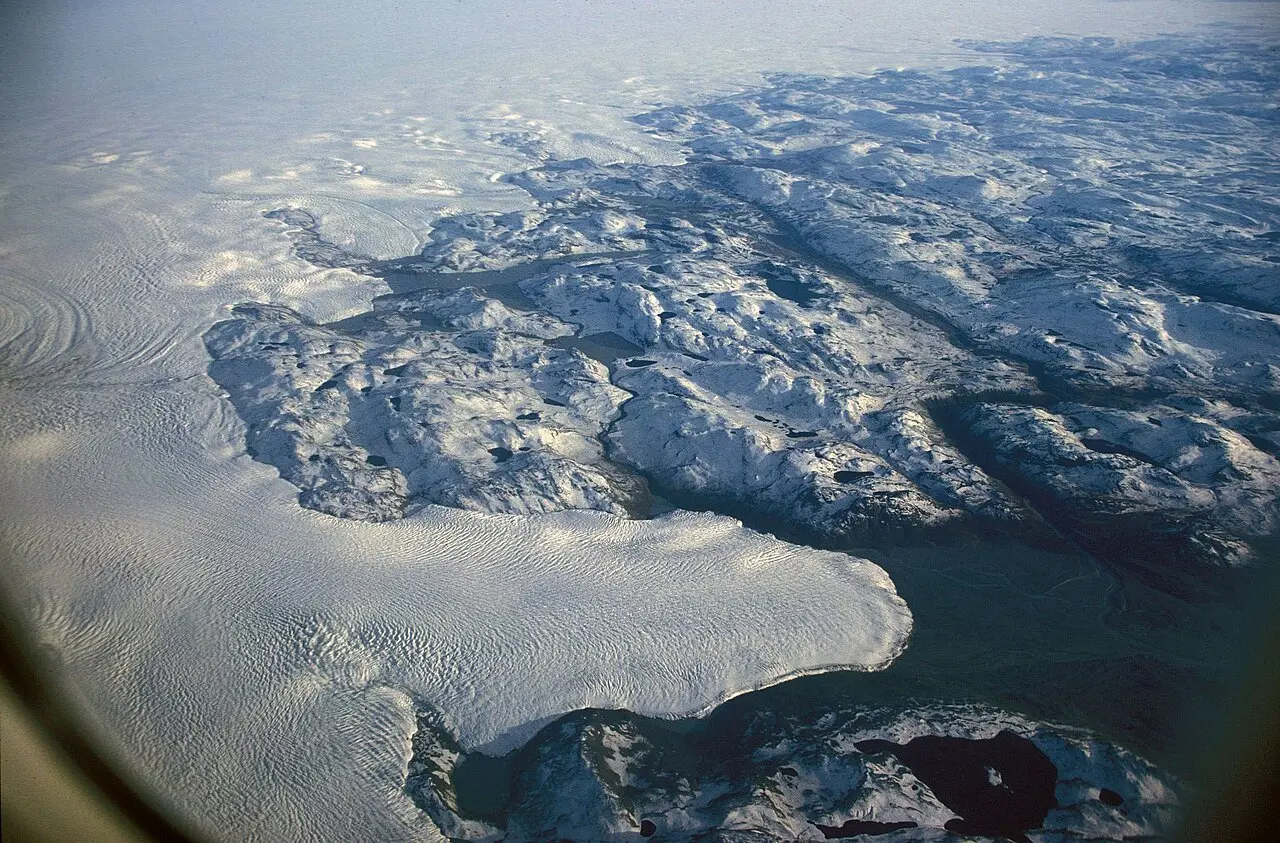
Greenland, unlike the West Indies in 1917, is not merely a colony but an autonomous territory within the Kingdom of Denmark with its own self-rule institutions. Any change in its status would require constitutional procedures and broad political agreement between Greenlanders and the Danish state.
)
)
)
)
)