When aircraft carriers changed history: Top 5 greatest airstrikes ever launched from sea

From Pearl Harbor to the Falklands, carrier-based air power has rewritten military strategy, combining mobility, reach and devastating force projection.
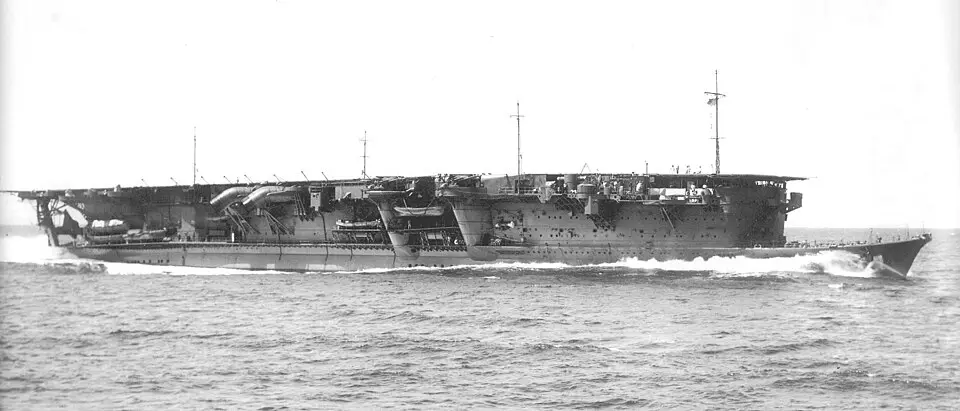
The dawn of sea-based air power
The advent of aircraft carriers in the early 20th century changed naval warfare forever. No longer limited to gunnery duels or battleship confrontations, navies could now strike deep inland or across oceans with precision and surprise. From Pearl Harbor to the Falklands, carrier-based air power has rewritten military strategy, combining mobility, reach and devastating force projection. Here are six of the most historic and decisive airstrikes ever launched from the sea, moments that redefined both warfare and world politics.
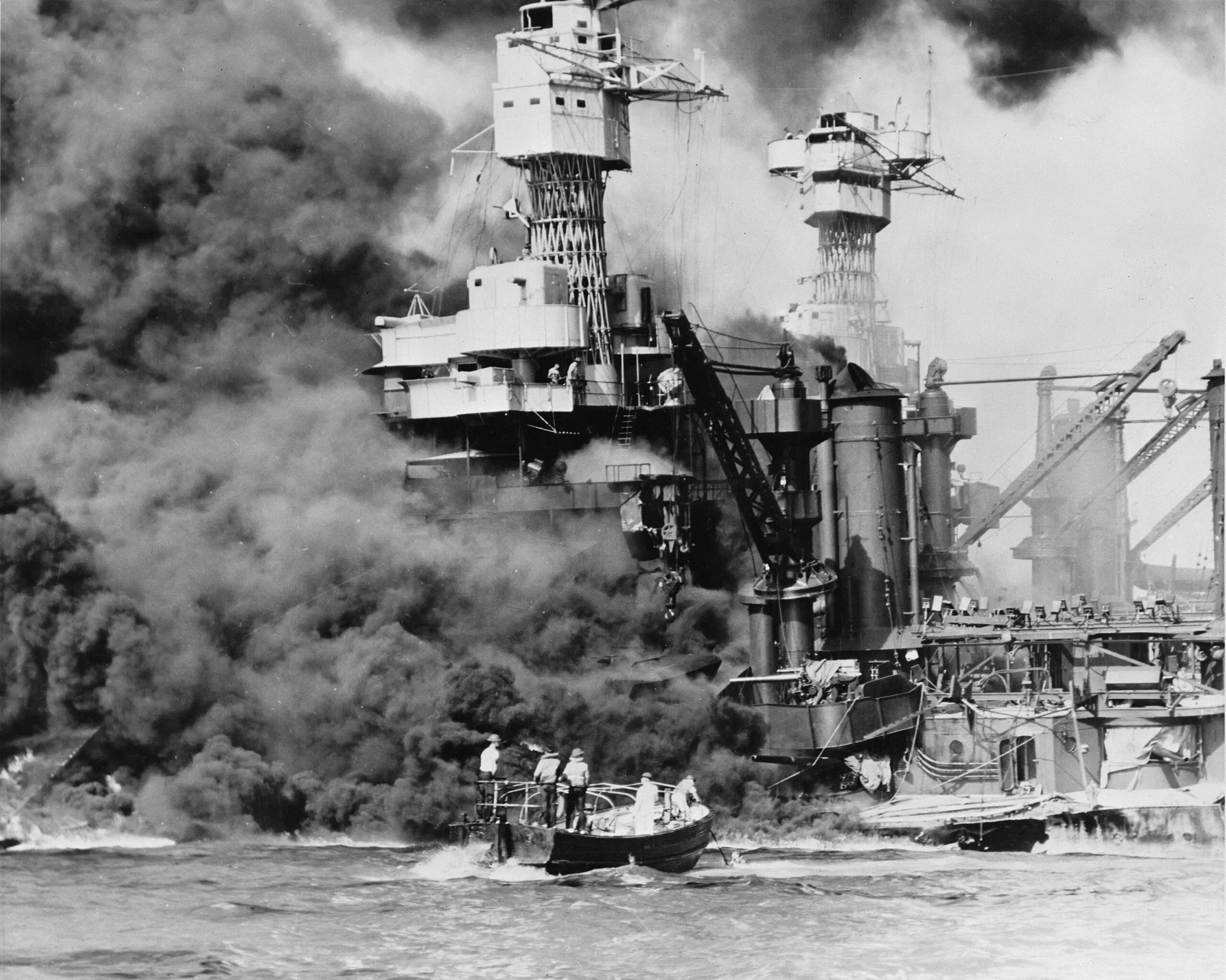
Pearl Harbor, 1941: The strike that shocked the world
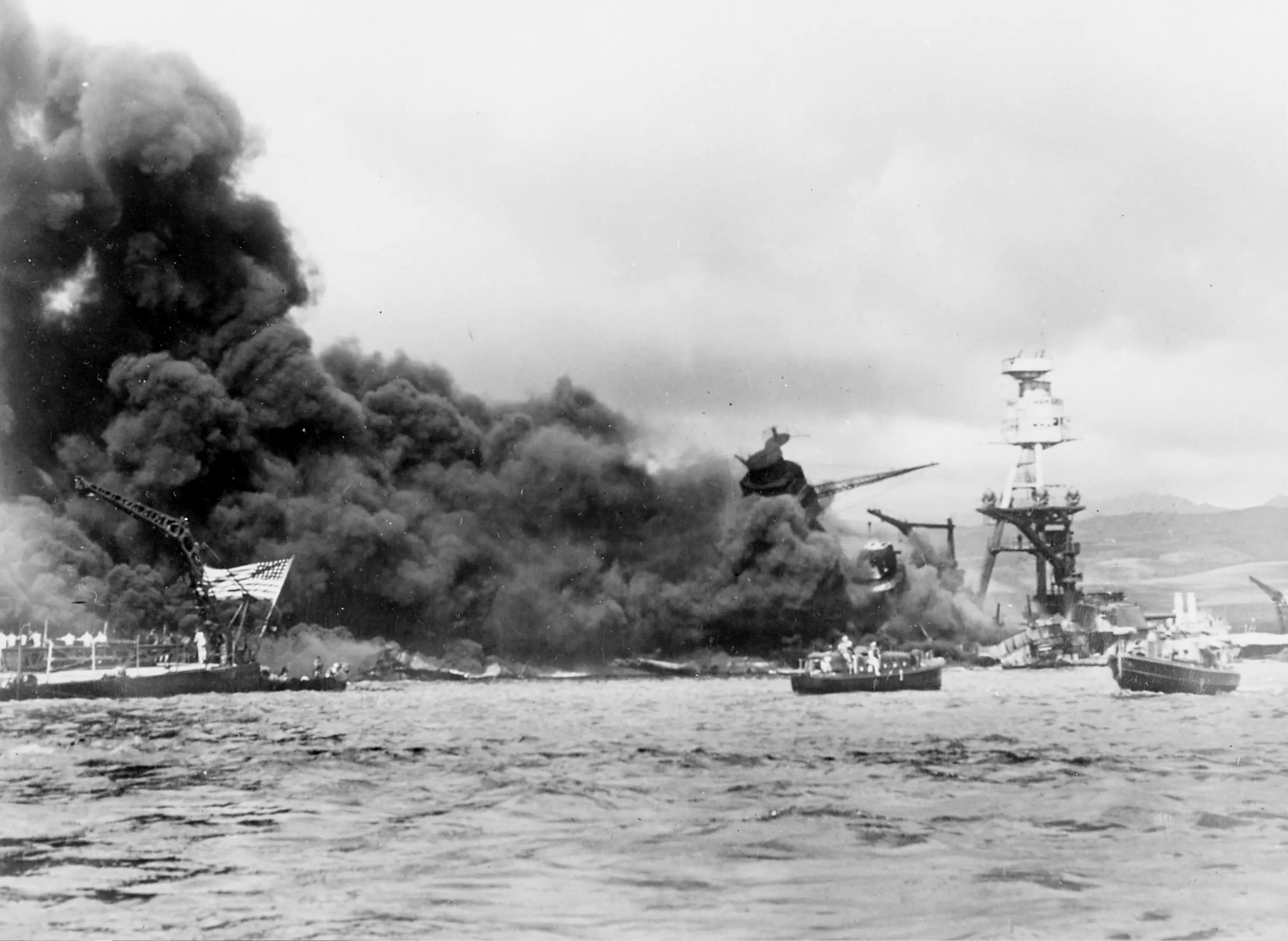
On December 7, 1941, Japan’s Imperial Navy launched a surprise air assault on the United States Pacific Fleet stationed at Pearl Harbor, Hawaii. Six Japanese carriers, Akagi, Kaga, Soryu, Hiryu, Shokaku, and Zuikaku, launched over 350 aircraft, including torpedo bombers, dive bombers, and fighters. The raid destroyed or damaged eight American battleships, numerous cruisers and aircraft, and killed more than 2,400 personnel. It was the first time in history that an entire naval strike force had been projected across such a distance by carriers, pulling the United States decisively into the Second World War.
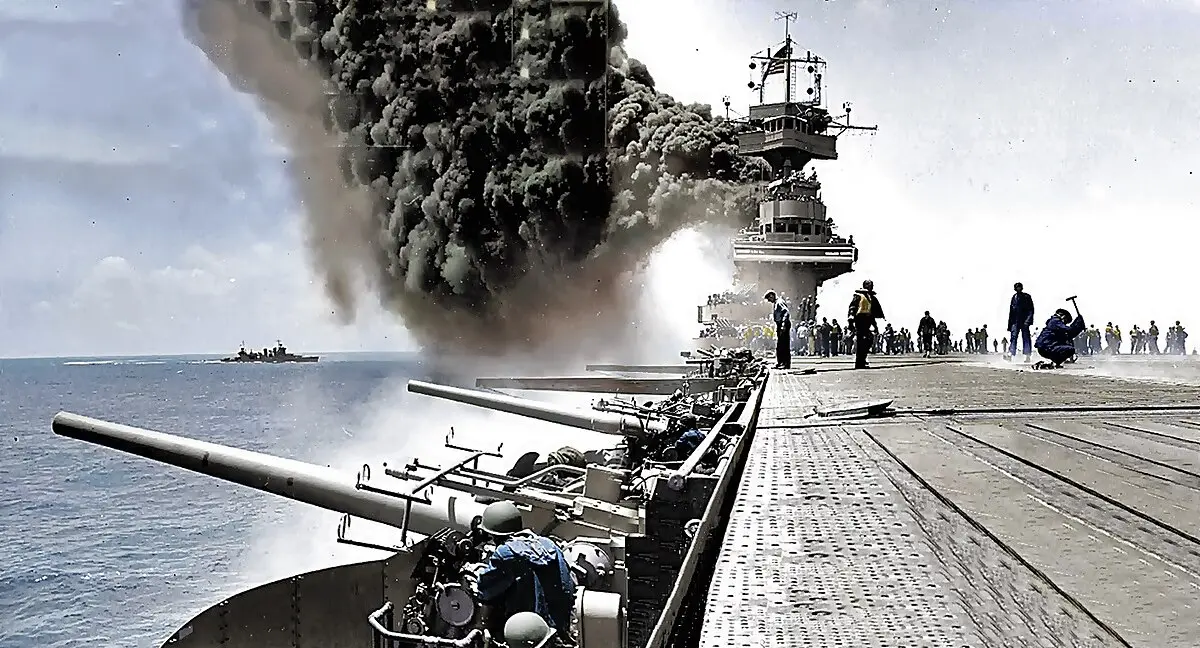
Battle of Midway, 1942: Turning the tide in the Pacific
Just six months after Pearl Harbor, American aircraft carriers turned the tables at Midway. The US Navy’s Enterprise, Hornet, and Yorktown launched coordinated airstrikes that sank four of Japan’s frontline carriers, Akagi, Kaga, Soryu, and Hiryu. The victory crippled Japan’s naval aviation and marked a strategic turning point in the Pacific War. Midway proved that control of the skies, even from hundreds of miles away, could determine the outcome of entire naval campaigns.
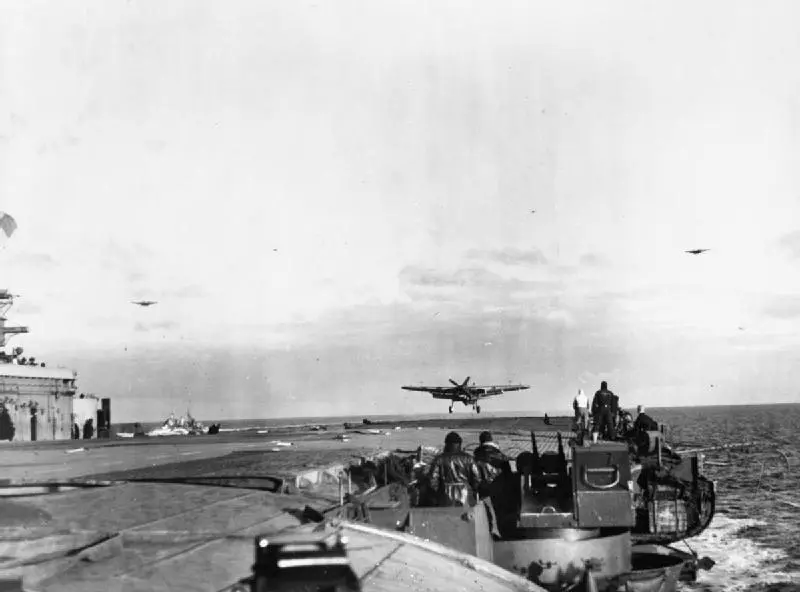
Operation Tungsten, 1944: The British hit back
In April 1944, the Royal Navy launched Operation Tungsten, an audacious carrier-borne airstrike against the German battleship Tirpitz, anchored in Norwegian fjords. Aircraft from the carriers Victorious and Furious hit the target with 15 direct bombs, heavily damaging the ship and neutralising it as a threat to Allied convoys in the Arctic. The mission demonstrated Britain’s growing expertise in precision carrier operations and the strategic reach of its Fleet Air Arm.
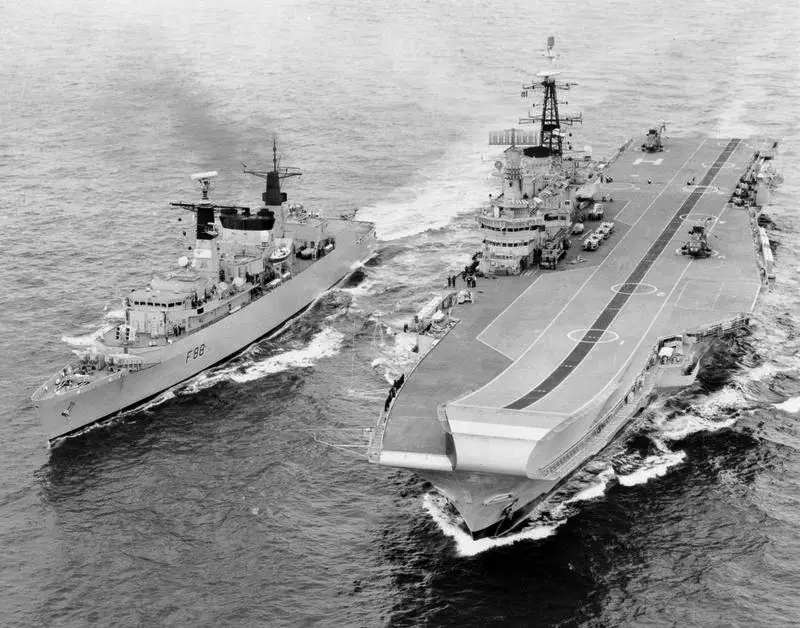
Falklands War, 1982: The comeback of the carrier
When Argentina invaded the Falkland Islands, Britain’s naval response hinged entirely on its aircraft carriers HMS Hermes and HMS Invincible. From over 8,000 miles away, they launched Sea Harrier jets that maintained air superiority and supported amphibious landings despite harsh weather and long supply lines. The successful campaign reaffirmed the aircraft carrier’s role as a strategic platform in modern warfare, even for nations operating far from home waters.
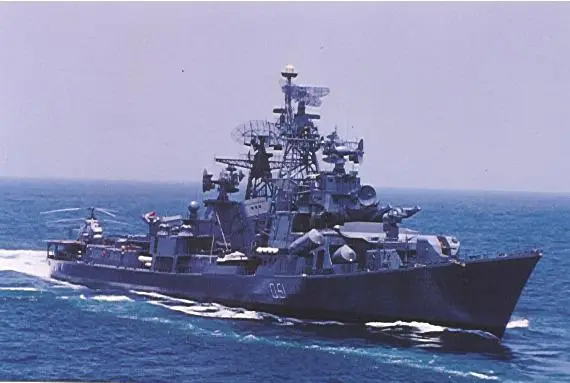
Operation Trident, 1971: India’s carrier strike in the Arabian Sea
India’s entry into the age of carrier warfare came during the 1971 Indo-Pak war. The aircraft carrier INS Vikrant, deployed in the Bay of Bengal, launched Sea Hawk fighters and Alizé aircraft that struck Chittagong and Cox’s Bazar, crippling Pakistan’s naval logistics. Simultaneously, in the Arabian Sea, the Indian Navy’s Operation Trident used missile boats to destroy Karachi harbour, a rare instance of coordinated carrier and surface strikes. These operations established India as a regional maritime power and showcased the effectiveness of sea-based air operations in South Asia.
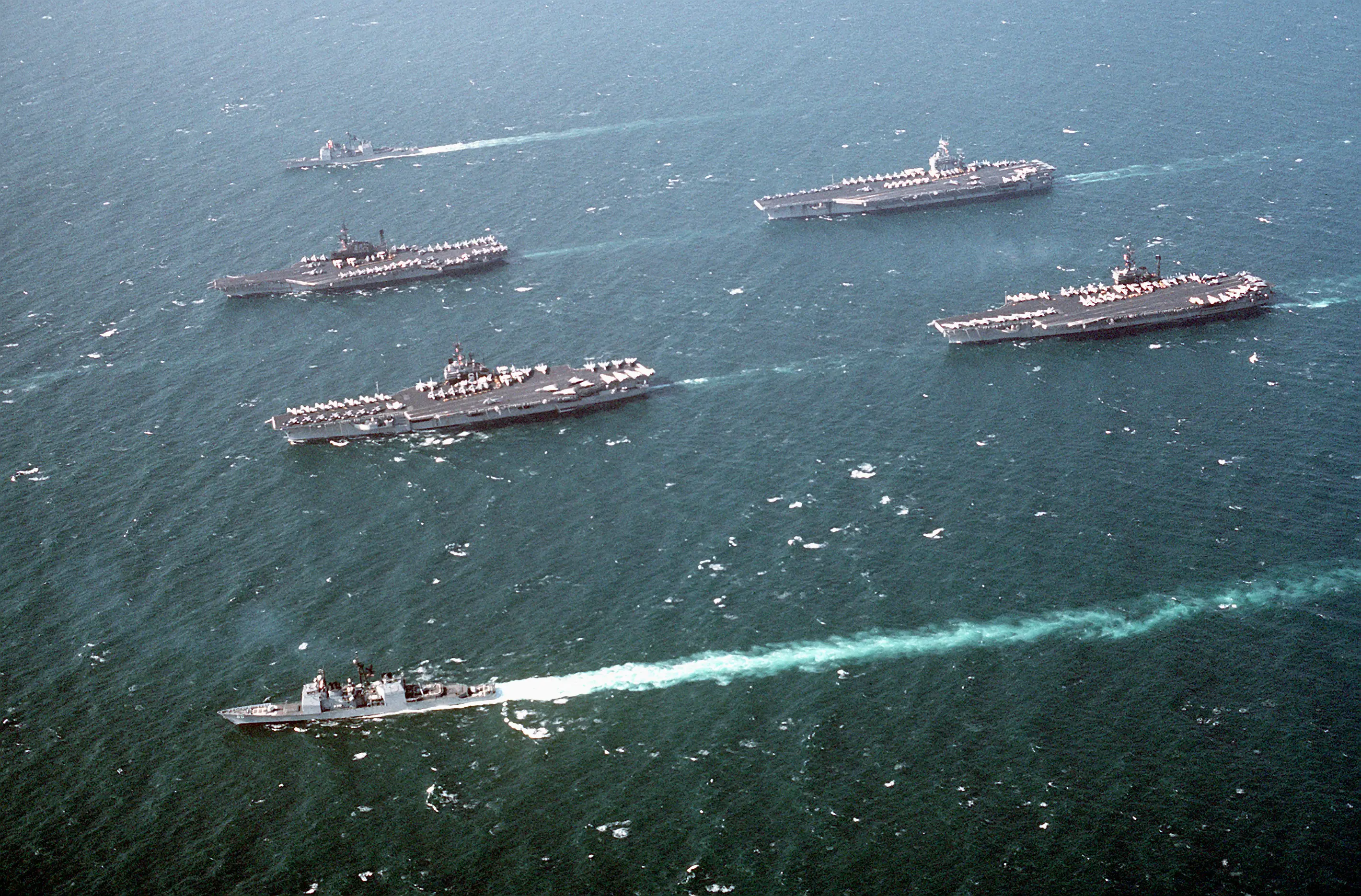
Operation Desert Storm, 1991: The era of precision warfare
During the Gulf War, US Navy carriers including USS Theodore Roosevelt, USS Saratoga, and USS John F. Kennedy formed floating airbases in the Arabian Gulf. They launched thousands of sorties, striking Iraqi command centres, radar sites, and armour with laser-guided munitions. The campaign marked the dawn of modern precision warfare, where carrier-based aircraft executed surgical strikes with minimal collateral damage, a concept that continues to shape military strategy today.
Legacy of the floating strike force
From the devastation at Pearl Harbor to the precision of Desert Storm, aircraft carriers have remained central to how nations project power and influence. India’s INS Vikrant continues that legacy in the Indian Ocean today, standing as a reminder that sea-based air power remains unmatched in flexibility and reach.
)
)
)
)
)