When a giant asteroid hit Siberia and destroyed 80 million trees: All about the Tunguska event

The shockwave knocked people off their feet, broke windows in distant settlements and sparked awe across the region.
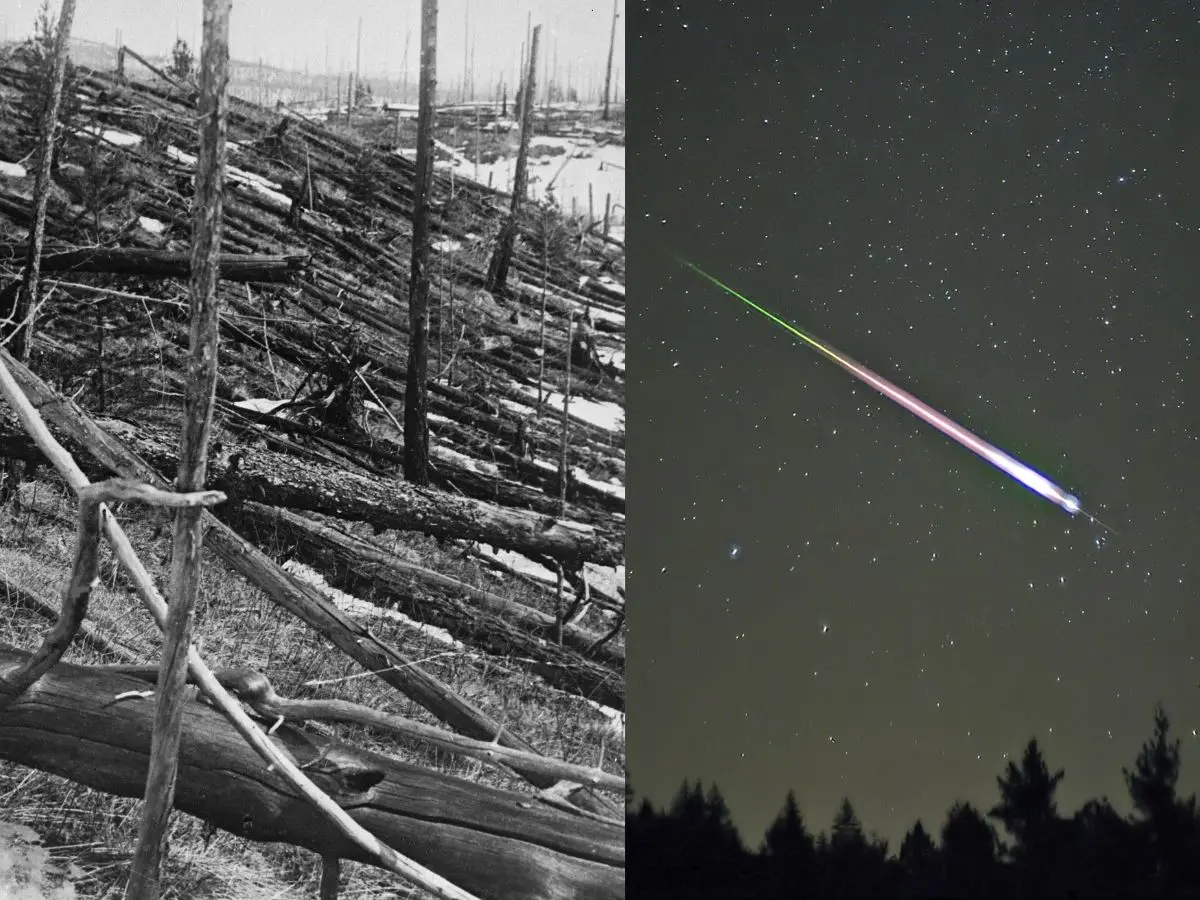
A Northern Sunrise Interrupted
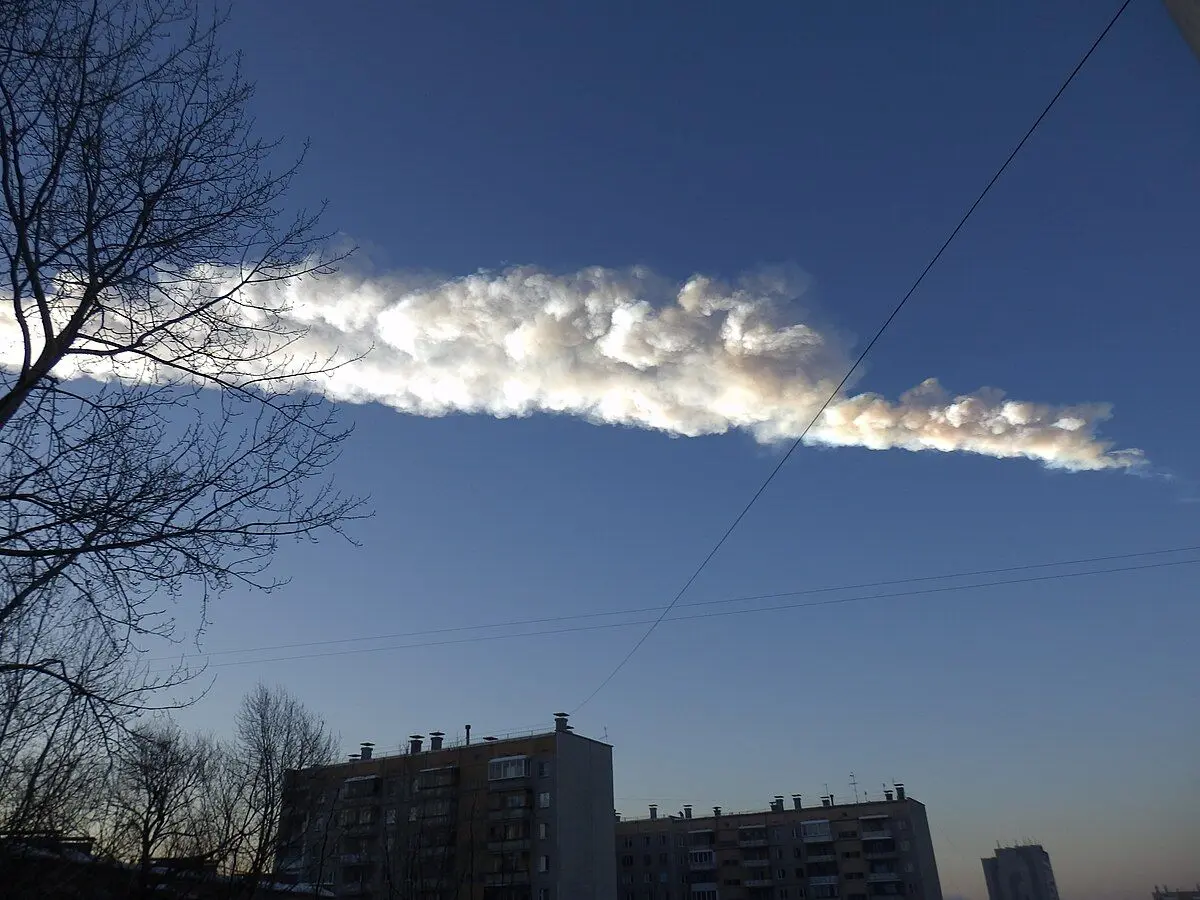
On June 30, 1908, at around 7:15 am local time, a bright streak tore across the sky over the Podkamennaya Tunguska River in Siberia. Witnesses described a fireball brighter than the Sun, followed by a flash, a thunderous roar and earth-shaking tremors. The shockwave knocked people off their feet, broke windows in distant settlements and sparked awe across the region.
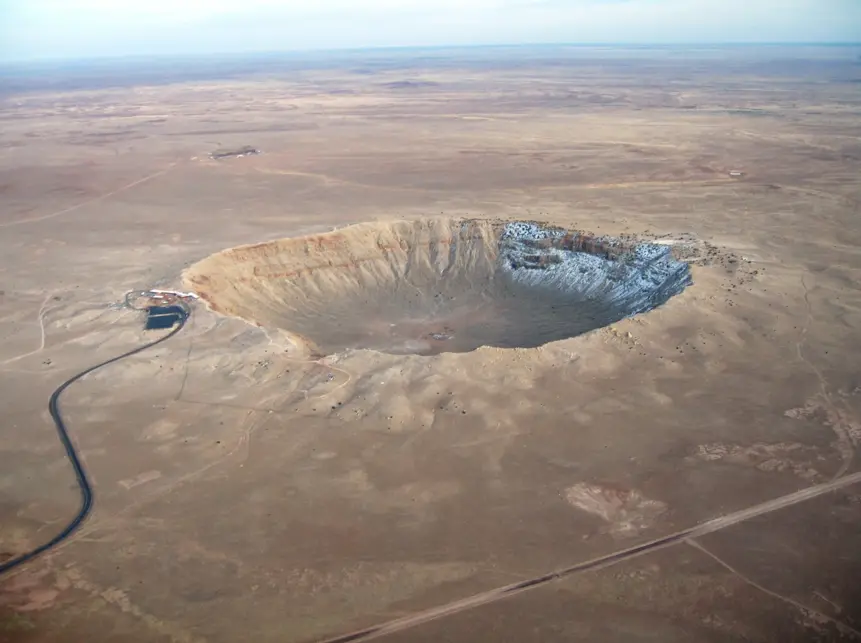
Forest Flattened in an Instant
The explosion obliterated around 2,150 km² of taiga,over 80 million trees lay felled in a radial pattern. At the epicentre, trees were stripped and scorched; further away they were knocked flat, their tops pointing outwards like spokes on a wheel.
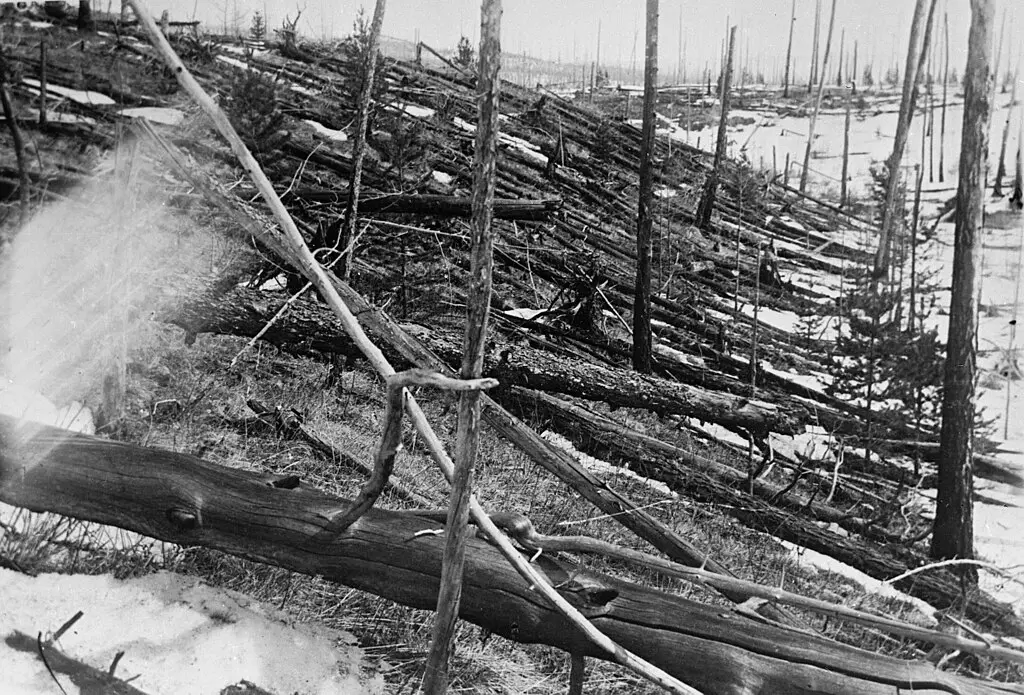
The Airburst That Left No Crater
This was not a ground impact but an airburst. The asteroid or comet fragment exploded at an altitude of 5 to 10 km, releasing energy equivalent to 10–15 megatons of TNT, orders of magnitude more powerful than the Hiroshima bomb. No crater was formed.
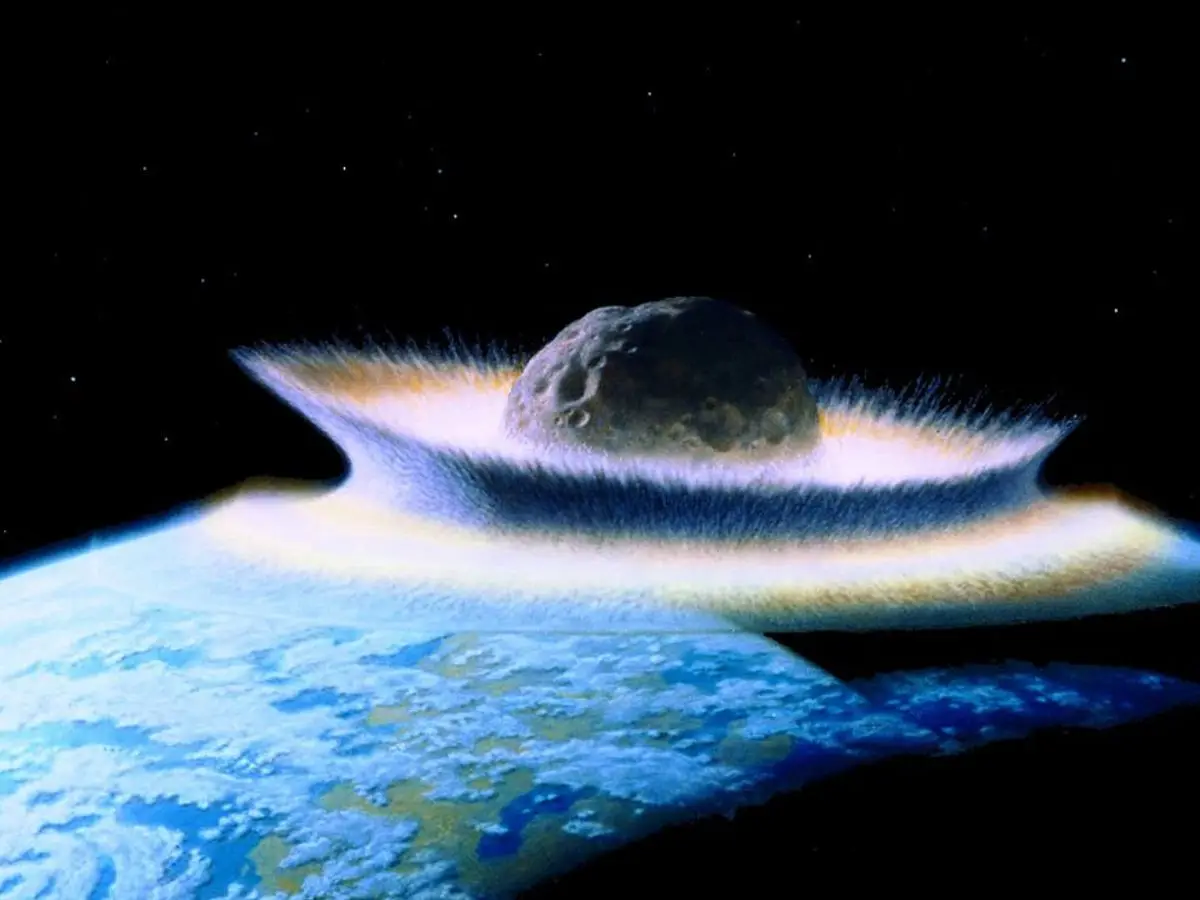
Searching for a Culprit
Experts continue to debate whether the object was an asteroid roughly 50–100 metres across, or a fragment of comet Encke, composed of ice and dust. The comet theory is supported by the vivid sky glows seen in the following nights, possibly caused by dispersed ice particles high in the atmosphere.
Into the Forest: Early Investigations
No scientific expedition reached the site until 1927, when Soviet mineralogist Leonid Kulik led a team into the remote area. They documented downed trees and scoured for meteorite fragments, none were found. The pattern of destruction, however, made the blast’s epicentre unmistakable.
A Near Miss with History
Some researchers propose the object didn’t disintegrate, but merely grazed Earth’s atmosphere and continued into space, its shockwave causing the devastation below. If it had struck directly, the consequences might have been catastrophic.
)
)
)
)
)