When a 20-meter meteor exploded over Russia and injured thousands: All about the Chelyabinsk event

The blast generated a powerful pressure wave that raced outward and broke windows across a wide area.
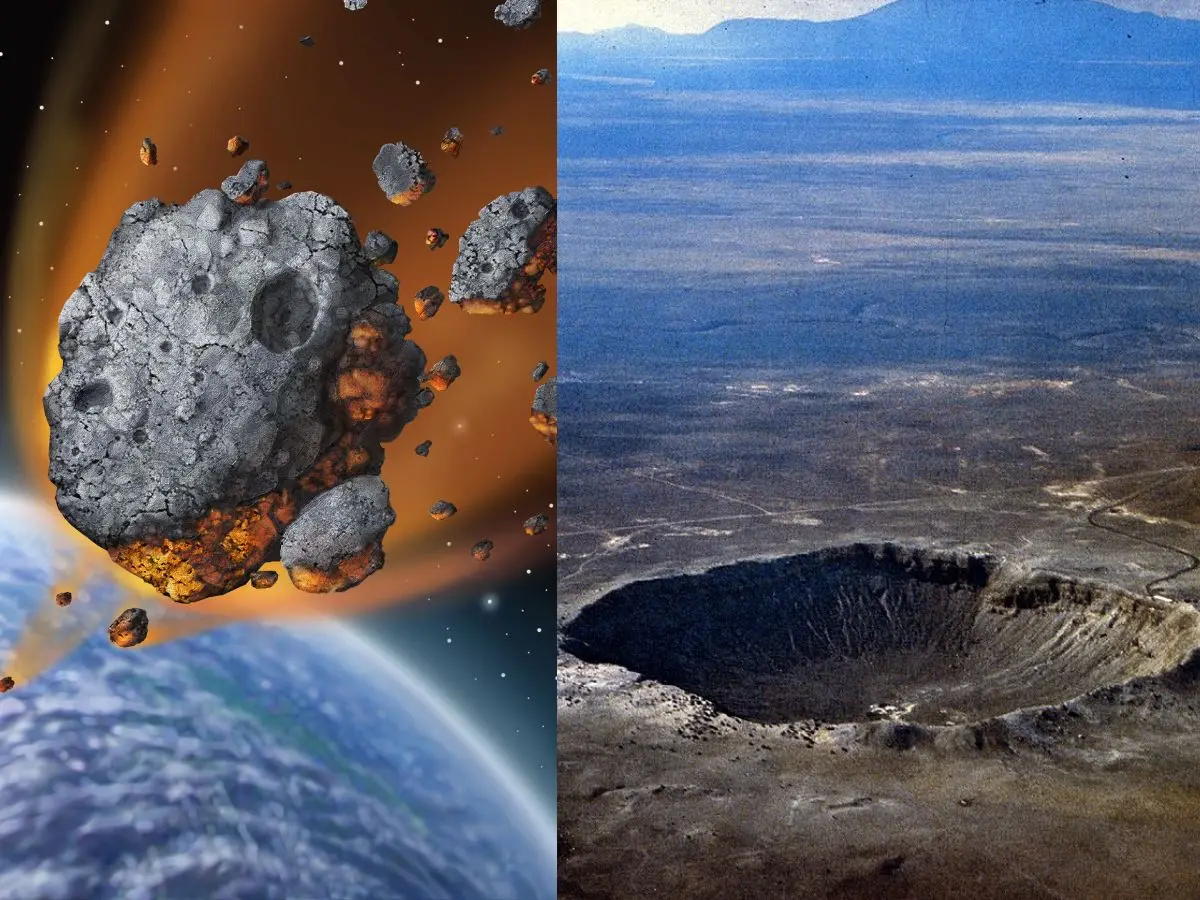
What happened
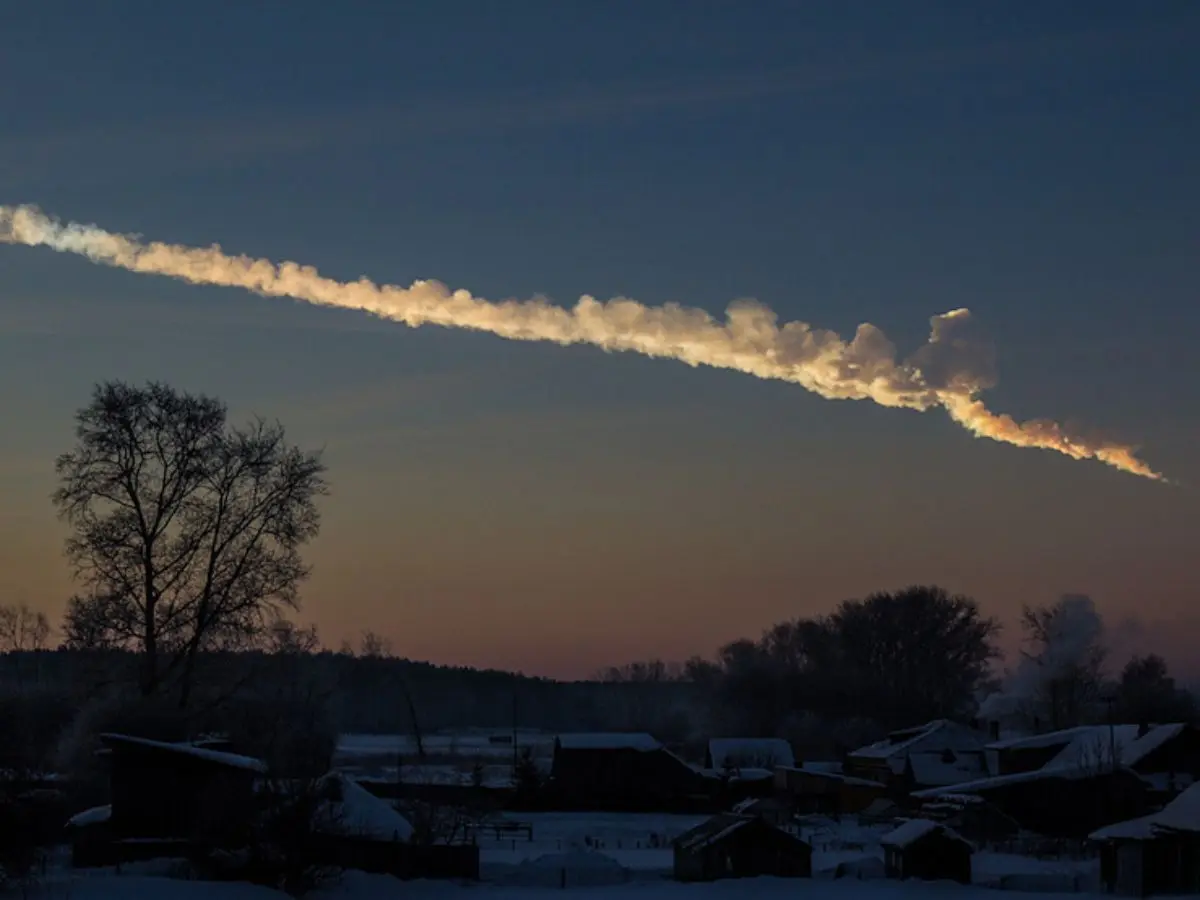
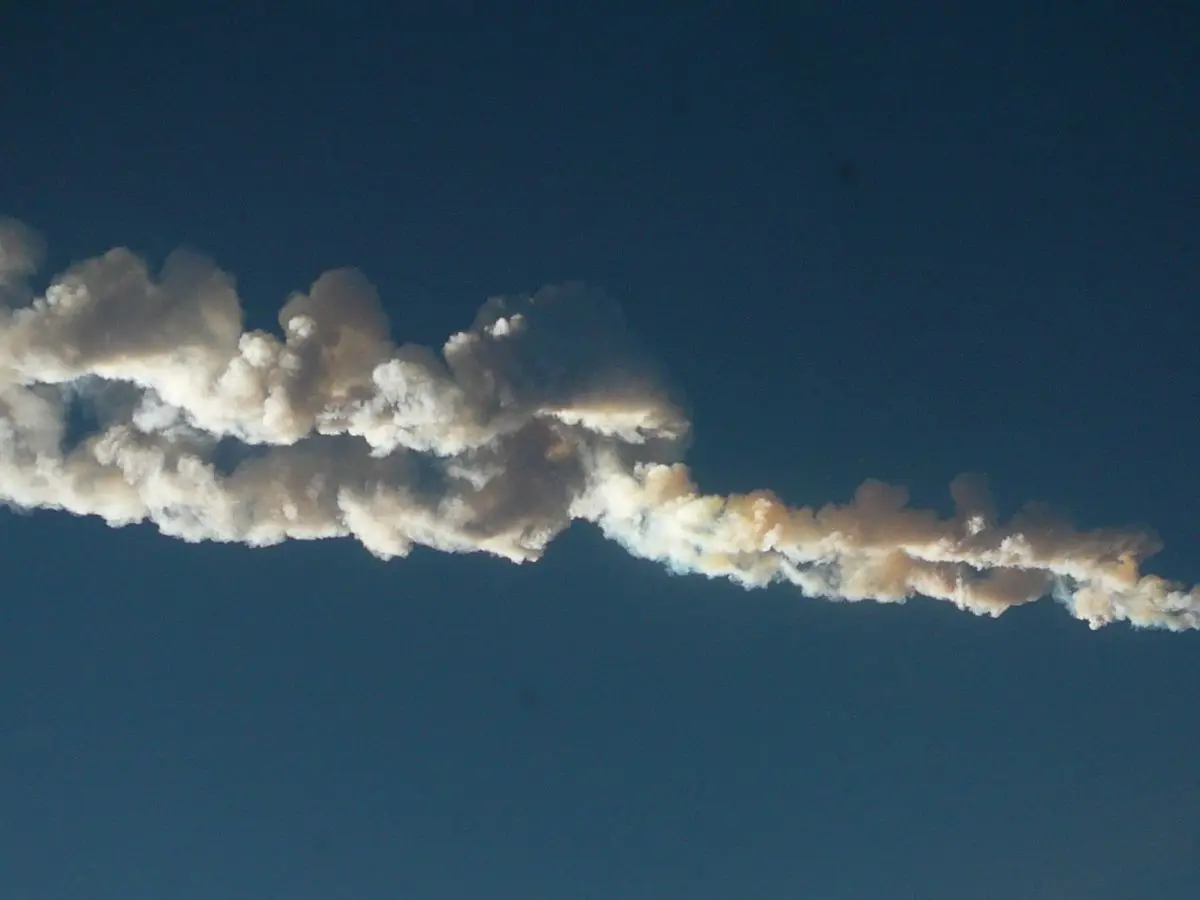
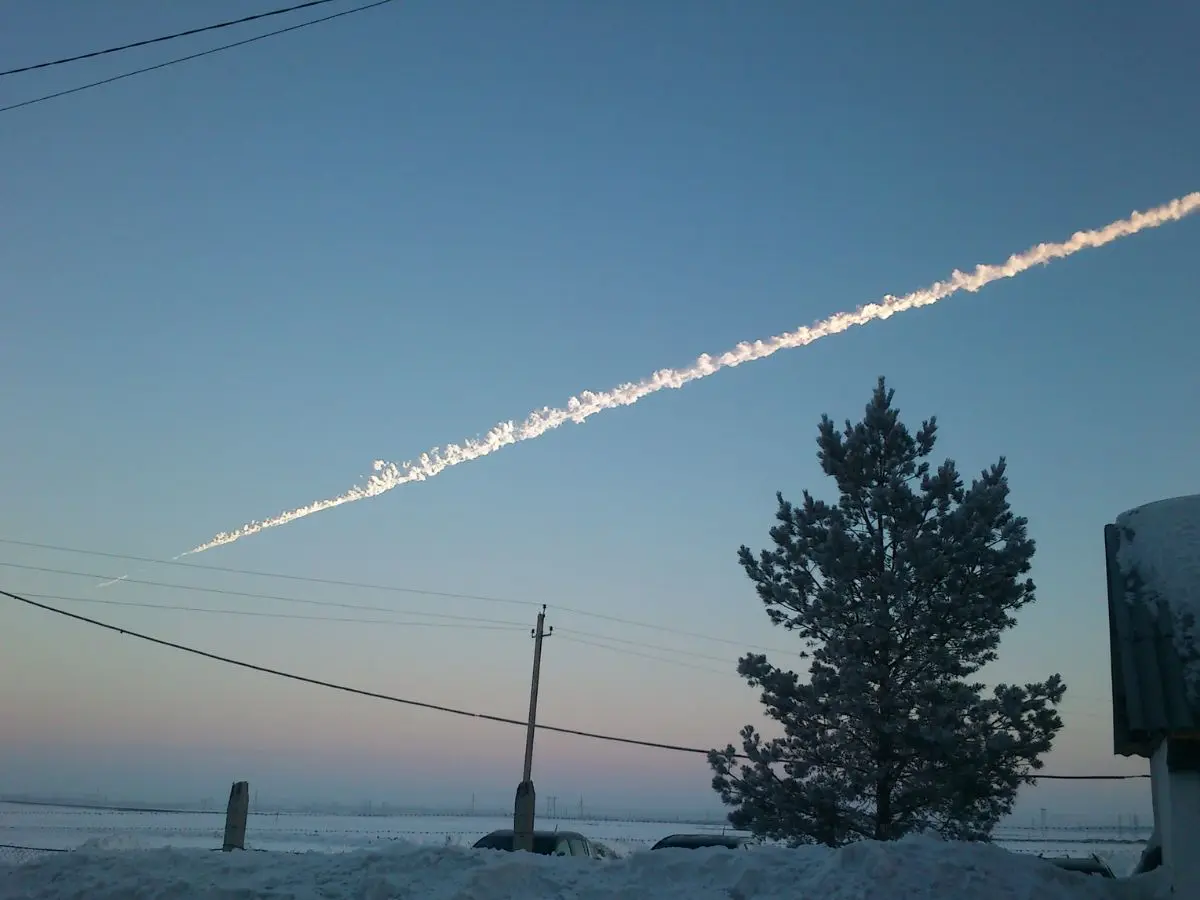
On the morning of 15 February 2013, a super-bright fireball tore across the sky over the southern Ural region of Russia. Seconds later, an intense shock wave rattled Chelyabinsk and nearby towns, ending with widespread damage and around 1,500 people seeking medical care, mostly for cuts from shattered glass. Local time was about 09:20 (03:20 UTC).
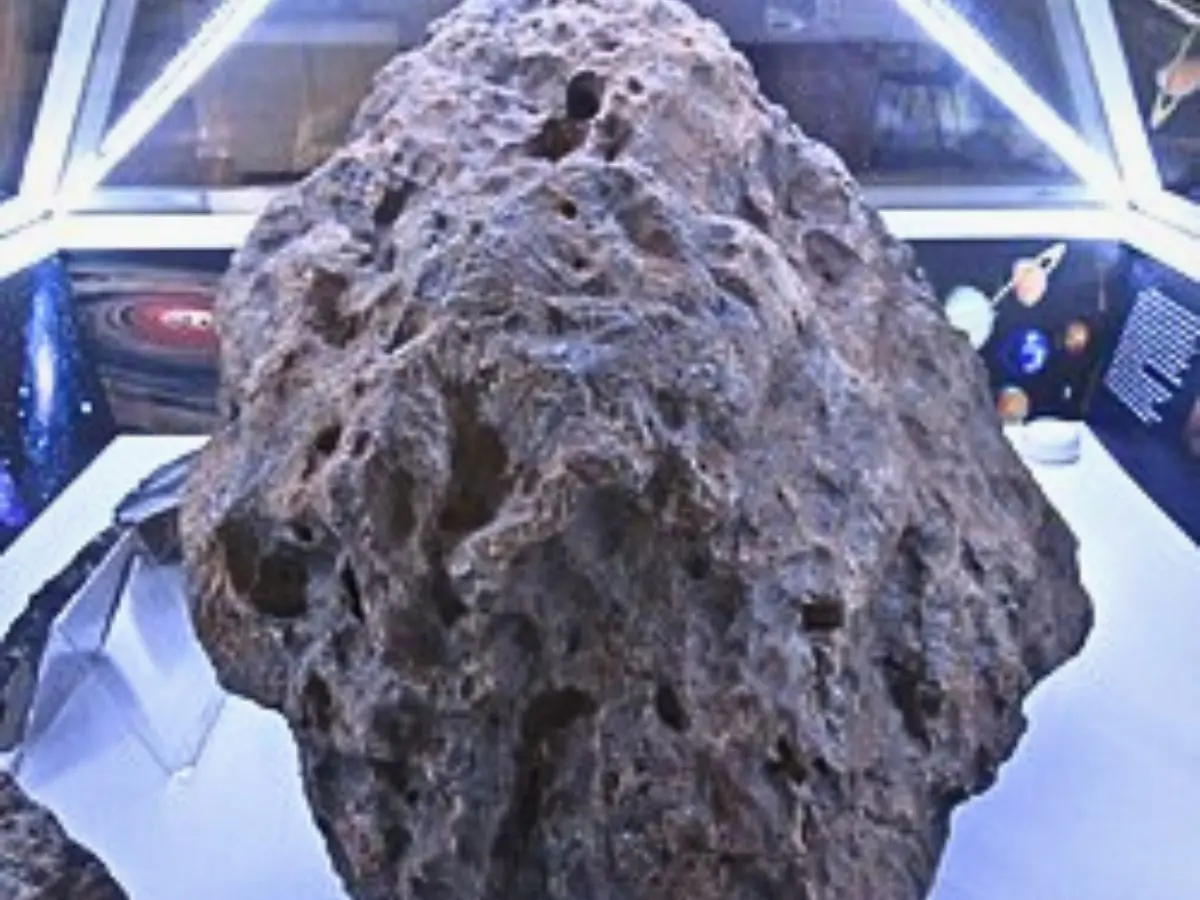
The airburst and its power
The object never struck the ground intact. It disintegrated high in the atmosphere in an airburst estimated at roughly 440–500 kilotons of TNT—dozens of times the energy of the Hiroshima bomb, at an altitude on the order of tens of kilometres above the surface. The blast generated a powerful pressure wave that raced outward and broke windows across a wide area.
Injuries and damage on the ground
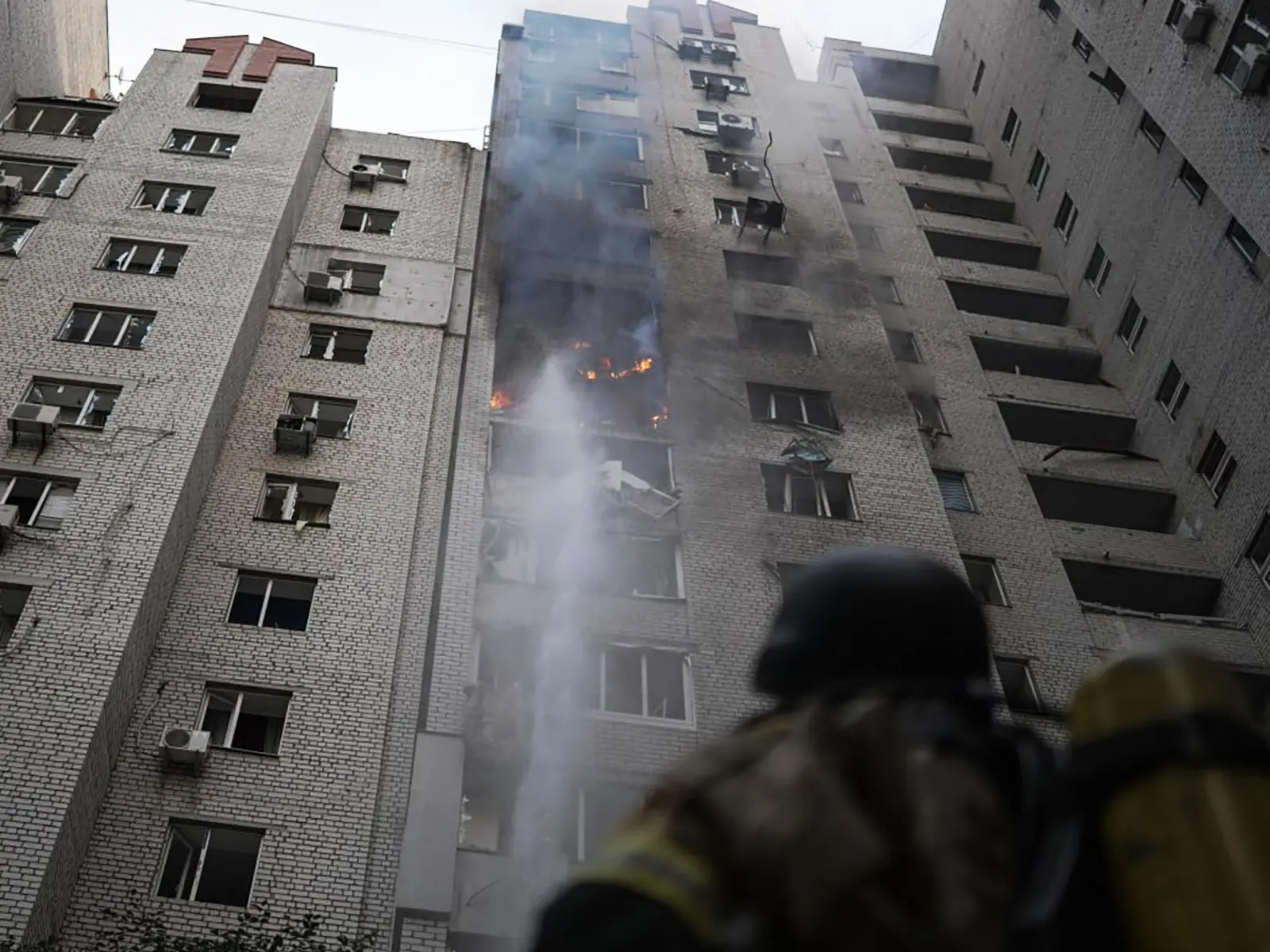
More than 7,200 buildings in six cities sustained some level of damage as windows and facades failed. Most injuries occurred when residents moved to their windows after seeing the flash, only to be hit by flying glass when the shock wave arrived minutes later. The city’s emergency services were quickly mobilised, but no deaths were attributed directly to the event.
What entered the atmosphere
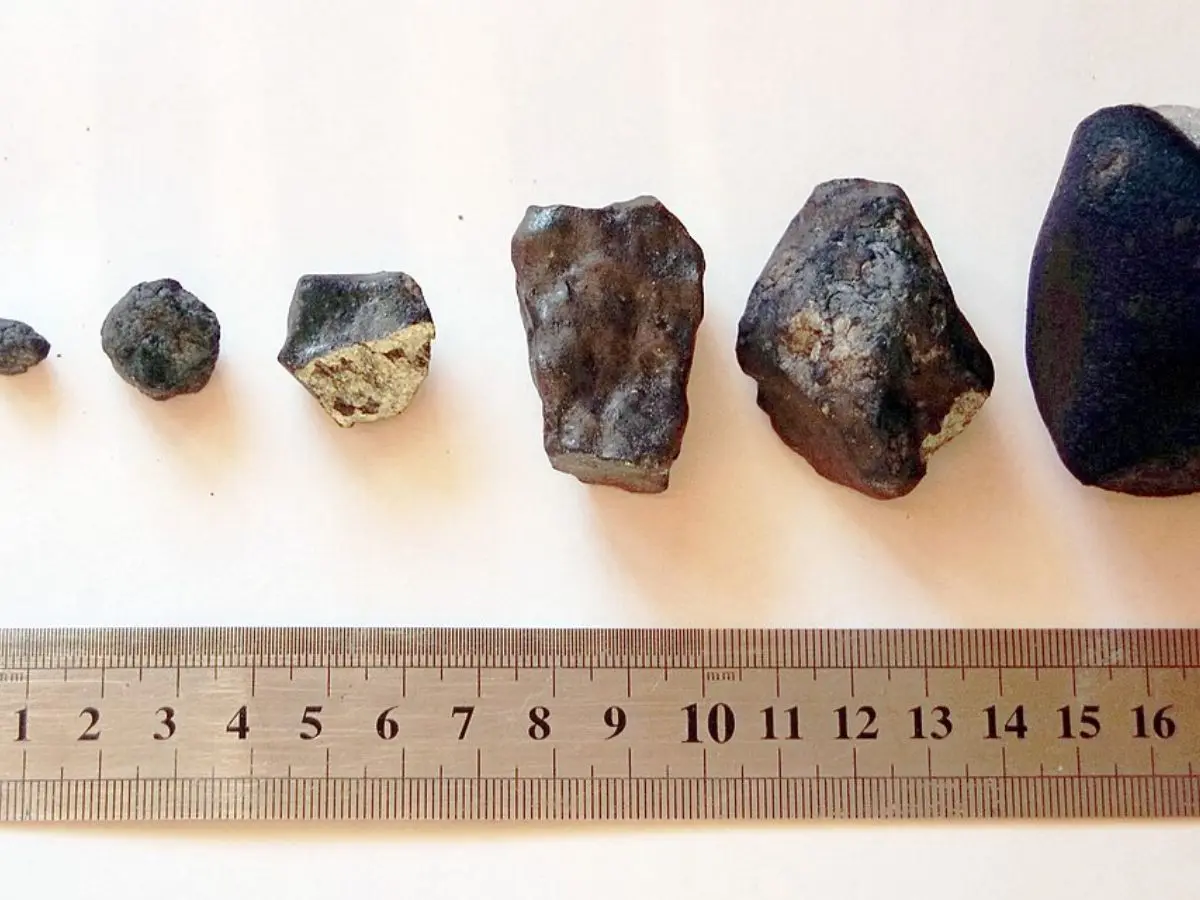
Analysis indicates the meteoroid was about 20 metres in diameter, roughly house-sized, and travelling at over 11 miles per second (about 18–19 km/s) on entry. It approached at a shallow angle, which contributed to the long, brilliant trail and broad distribution of the shock wave. Numerous small fragments later recovered on the ground are collectively known as the Chelyabinsk meteorites.
Why no one saw it coming
No dedicated survey spotted the object before impact because it arrived from the Sun’s direction, a known blind spot for ground-based telescopes. The episode underscored how certain approach geometries can hide small asteroids until they are very close to Earth. It was the largest such event in more than a century.
Lessons for planetary defence
Chelyabinsk spurred renewed investment in detection and warning. Space agencies emphasised closing the sunward blind spot and improving characterisation of small near-Earth objects whose airbursts can still cause significant harm. Planetary-defence plans now incorporate the Chelyabinsk findings, from energy estimates to injury patterns, to refine risk assessments and public guidance.
Why it matters
Events of this scale are uncommon but not rare on human timescales; statistical studies suggest comparable airbursts may occur once every several decades to a century. Chelyabinsk shows that even modest asteroids can produce serious urban impacts through shock waves alone, making early detection, rapid public messaging ('stay away from windows'), and resilient building standards practical safeguards.
)
)
)
)
)