What would happen if the five largest stars in the universe replaced our Sun?

Our Sun is not the biggest star in the universe. Several giants exist out there of monstrous proportions. If any of them were to be hypothetically placed in our solar system in place of the Sun, chaos would ensue.
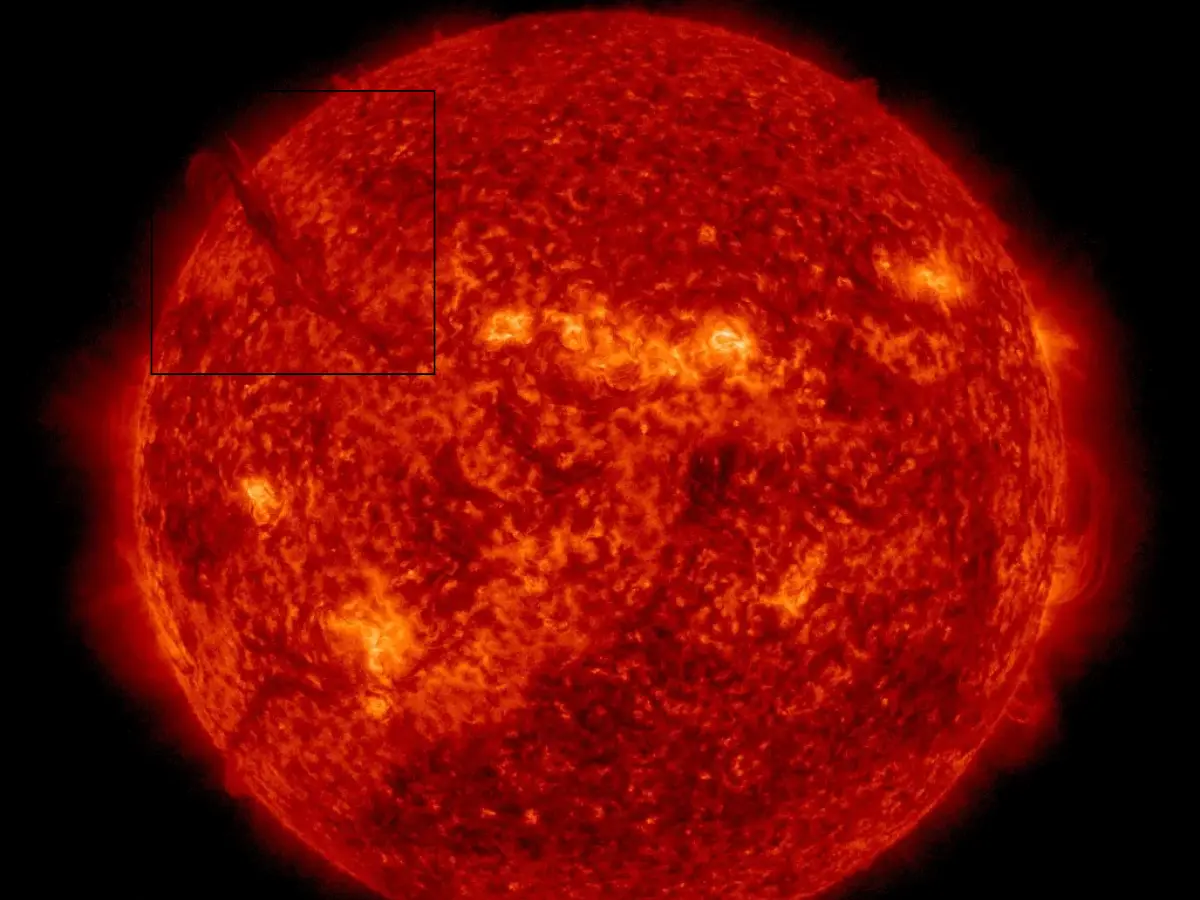
The largest stars in the universe
The universe is filled with billions of stars just like our sun. Our star might appear huge to us, but it is tiny compared to other stars in the universe. It has an estimated radius of 695,700 kilometres. The biggest star in the universe has a radius of 1.2 billion km. What would happen if the five largest stars replace the Sun in our solar system? Would all these planets still be here? Here are the five largest stars and the area they would cover in the solar system.
If HD 269551 replaced the Sun
HD 269551 is a red supergiant in the Large Magellanic Cloud (LMC) in the constellation Dorado, approximately 163,000 light-years away. It is one of the largest stars in the universe. It is 1,439 times the size of our Sun. If HD 269551 were to replace our Sun in the solar system, its outer surface would extend past Jupiter’s orbit. It would envelop several billion Suns.
RSGC1-F01, a colossal red supergiant
RSGC1-F01 is one of the most colossal red supergiants found within the Milky Way. It is located in a massive star cluster in our Milky Way, about 22,000 light‑years away in the Scutum constellation. It is estimated to be anywhere between 1,436 and 1,530 times the size of our Sun. If it were to be placed at the centre of our solar system, its outer envelope would encompass the orbit of Jupiter.
WOH 5170 would swallow even Jupiter
WOH 5170 is a red star that is 1,461 times the size of our Sun. It is located in the Large Magellanic Cloud, a satellite galaxy of the Milky Way. It is estimated to be 2,000 times the radius of the Sun. WOH 5170 is extremely bright, attracting the attention of astronomers. If placed at the centre of our solar system, its outer edge would reach past Saturn's orbit.
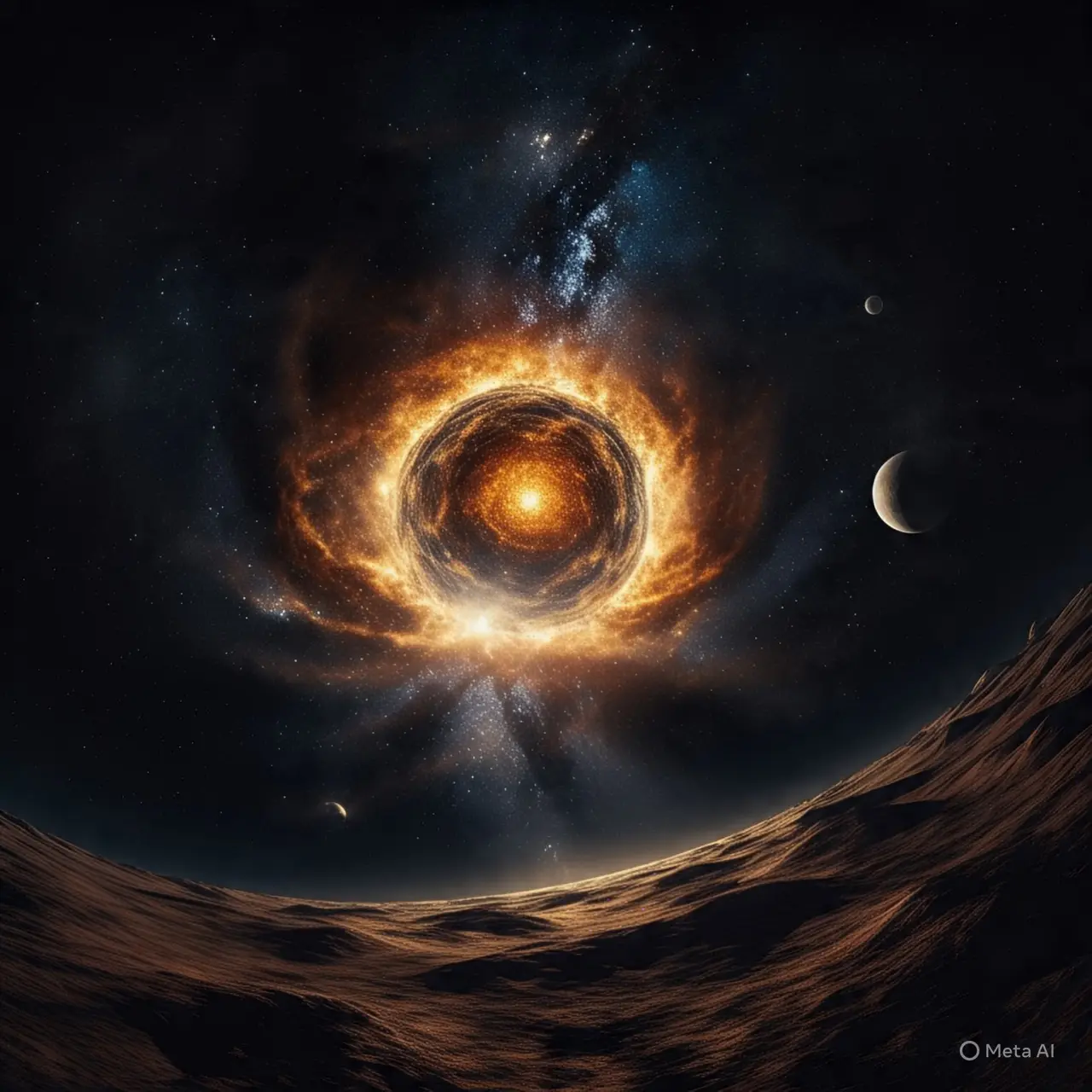
WOH G64 is located in the southern constellation Dorado
WOH G64 is 1,540 times the size of our Sun, making it the second-largest star in the universe. It is a legendary stellar leviathan and was once classified as the largest known red supergiant. The star lives in the Large Magellanic Cloud (LMC), 160,000 light‑years from Earth in the southern constellation Dorado. It is shrouded in a thick layer of tiny particles that stretch about a light year in diameter. If placed at the centre of our solar system, WOH G64 would swallow Mercury, Venus, Earth, Mars, Jupiter and potentially reach even Saturn's orbit.
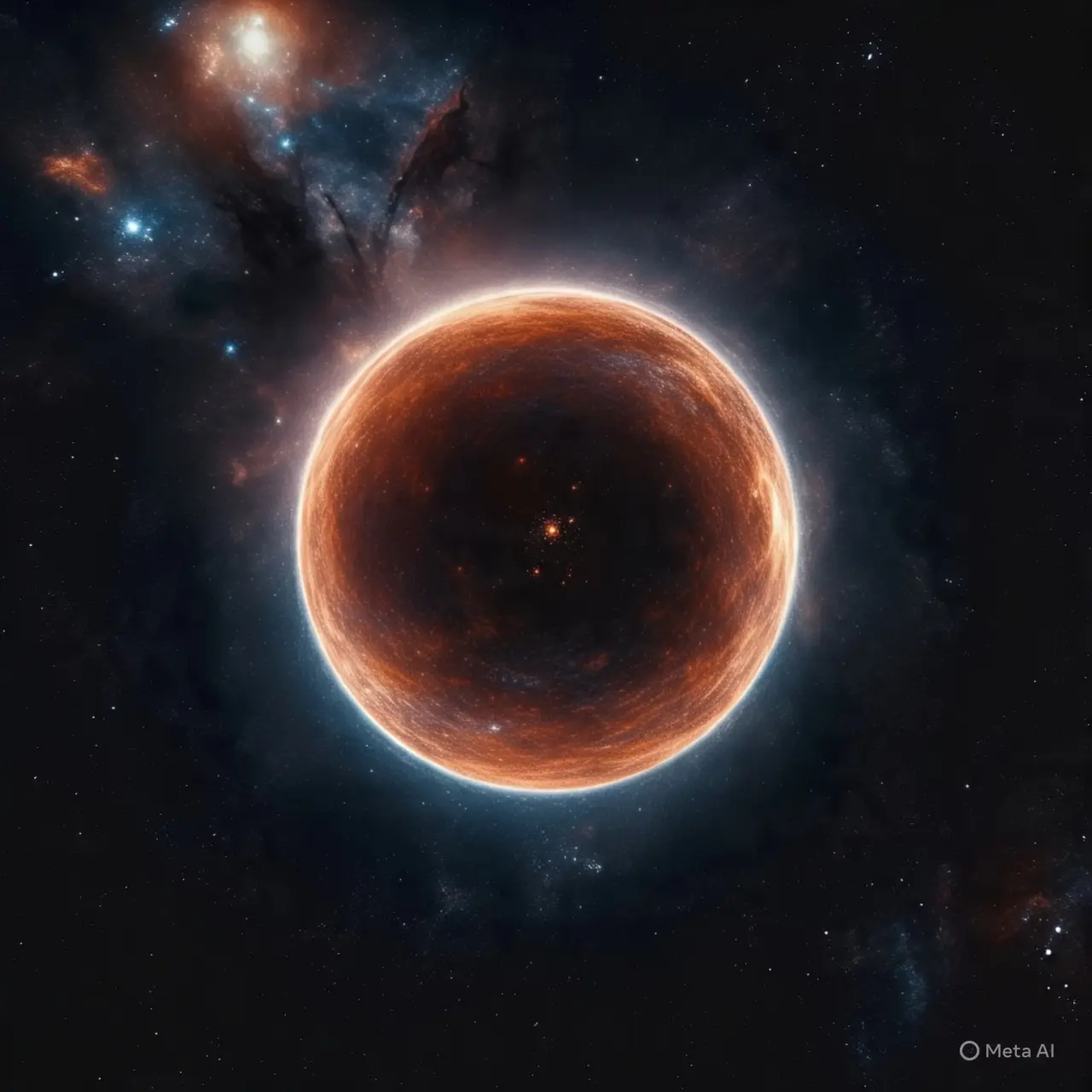
UY Scuti, the biggest monster in the universe
UY Scuti is the largest known star in the universe. The red supergiant is 1,708 times wider than our Sun, and has a radius of 1.2 billion km. It is located around 9,500 light-years away from Earth in the Scutum Constellation, around the centre of the Milky Way. It appears reddish because it is considerably cooler than our Sun. If it replaces our Sun, its outer edge would extend way part Jupiter.
)
)
)
)
)